 Dwi Wanna
 Nana Wu
 Muslim
 Reynand Wu
 Ammar Sabilarrohman
In the modern hospitality landscape, the menu is far more than a list of prices and items; it is the primary bridge between a brand’s culinary ethos and a guest’s nutritional confidence. As the discourse surrounding nutrition becomes increasingly polarized, restaurant operators are finding that clarity is not just a marketing tool—it is a competitive necessity. By employing precise, intentional language and thoughtful design, restaurateurs can demystify ingredients, streamline operations, and foster a deeper, more transparent relationship with their patrons.
The Evolution of Ingredient Confusion
For decades, ultra-processed foods (UPFs) have been a cornerstone of the global food supply, providing stability, shelf life, and affordability. However, the current nutritional narrative has shifted dramatically. With high-profile headlines and scientific inquiries—such as those published by the BMJ—scrutinizing the long-term health impacts of UPFs, consumers are more vigilant than ever.
The current "high-protein, fiber-maxing" trend has inadvertently exacerbated this confusion. Culinary experts point out a fundamental paradox: in many instances, it is technologically impossible to achieve the high protein and fiber levels demanded by fitness-conscious consumers without resorting to ultra-processing.
“If high protein, high fiber is healthy, then how can UPFs be bad for us?” asks Erica Holland-Toll, Culinary Director at The Culinary Edge. This friction leaves the modern diner in a state of paralysis. While the "Michael Pollan mantra"—eat food, not too much, mostly plants—remains the gold standard of nutritional guidance, it is difficult to practice when confronted with highly engineered products designed to be hyper-palatable. In this environment, the restaurant menu serves as the guest’s first line of defense against uncertainty.
The Digital Menu as a Brand Ambassador
The venue for this communication has migrated from the physical table to the digital screen. Whether it is a third-party delivery platform or a mobile-optimized website, the digital menu is often the first, and sometimes only, touchpoint a guest has with a brand.
“Menus must tell the brand’s story of who they are and how they meet their guests’ needs,” says Holland-Toll. When a brand focuses on wellness or health, the menu must act as an extension of that ethos, utilizing ingredient lists and descriptions to build trust. When a guest clicks on an app, they are not just looking for a calorie count; they are assessing the integrity of the kitchen behind the screen.
Strategic Organization and Descriptive Clarity
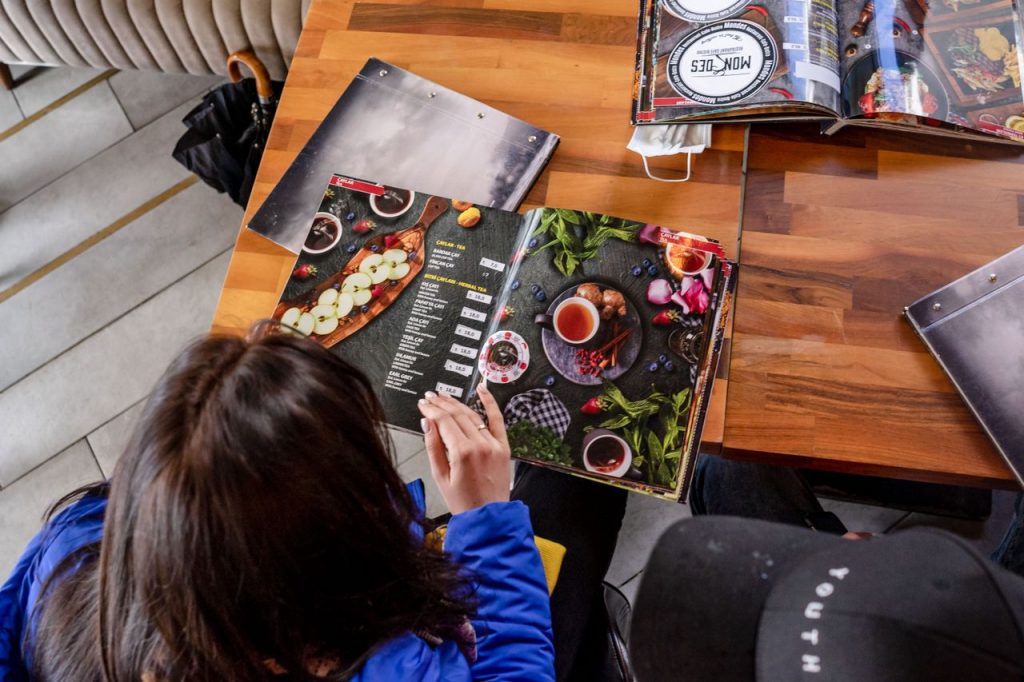
To alleviate cognitive load, operators should prioritize structural consistency. Holland-Toll suggests a "platform-based" organizational model: categorizing offerings clearly into bowls, salads, sandwiches, and tacos. Within those categories, consistency is paramount.
If a restaurant chooses to lead with protein in their descriptions, that format must be applied across every dish. If avocado is a key, high-value ingredient, it should be spotlighted early or late in the description rather than buried in a laundry list of components. Using the menu name itself to highlight premium ingredients is a powerful, yet underutilized, tool.
However, there is a fine line between transparency and clutter. “It’s a delicate balance between getting credit for your craft and using too many descriptive words that you lose your guest,” Holland-Toll warns. The goal is to highlight the most important elements—the farm-to-table origin or the unique preparation method—without resorting to redundant adjectives or irrelevant geographical qualifiers that add noise without value.
Visual Storytelling and the Health-Conscious Brand
In the digital realm, where guests cannot smell or see the food, photography acts as a proxy for freshness. For brands leaning into a health-conscious identity, investing in high-quality food photography is no longer optional.
Vibrant, colorful imagery serves as visual proof of the menu’s claims. If a brand promotes "fresh, whole ingredients," the photos must reflect that, showcasing the vibrant greens of produce and the textures of natural proteins. This visual reinforcement helps bridge the gap for the online consumer, providing the confidence necessary to complete an order in a saturated market.
Operational Efficiency: The Hidden Benefit of Clarity
The impact of menu design extends well beyond the diner’s psyche; it is a direct driver of operational efficiency. In the fast-casual sector, where speed of service is a critical metric, a confusing menu is a bottleneck.
When a menu is clearly structured, guests can navigate their choices more quickly. This speed cascades through the entire service chain: guests choose faster, pay faster, and move through the queue with greater efficiency. For first-time visitors, who have no internal "map" of the menu, clarity reduces the anxiety of the ordering process, leading to higher customer satisfaction scores and increased table turnover.
Educating the Frontline: The Human Element
While digital tools and menu layouts are vital, the most effective tool for communication is a well-trained staff. Holland-Toll emphasizes that operators must empower their teams to act as brand ambassadors.
- Define the Promise: Management must be crystal clear with staff about the brand’s "ingredient promise."
- Encourage Honesty: If a staff member does not know the answer to an ingredient-specific question, they should be encouraged to admit it rather than guess.
- Establish Guardrails: Staff should be trained to provide information, not medical advice. If a guest has specific concerns regarding their health or nutritional needs, the staff should be prepared to direct them to official resources—such as a company website or a printed pamphlet—or advise them to consult a medical professional.
Implications for the Future of Dining
As the boundary between food and wellness continues to blur, the demand for transparency will only grow. Brands that treat their menus as a narrative document—one that is clear, consistent, and honest—will inevitably capture the trust of the modern consumer.
The future of successful menu engineering lies in the ability to simplify the complex. By stripping away the noise, highlighting high-value, whole ingredients, and training staff to serve as authentic sources of information, restaurants can turn the act of ordering into an act of trust.
In an era where "ultra-processed" has become a buzzword of concern, the most sophisticated menu is not necessarily the one with the most complex descriptions, but the one that allows the ingredients to speak for themselves. Through thoughtful design, professional photography, and an unwavering commitment to clarity, operators can move beyond the "UPF" conversation and focus on what matters most: serving fresh, intentional, and high-quality food to a public that is eager for authentic choices.
Key Takeaways for Operators:
- Be Consistent: If you highlight protein first, do it for every menu item.
- Design for the Digital-First Guest: Optimize for online platforms where the user experience is the first brand impression.
- Leverage Visuals: High-quality photography is essential for validating claims of "freshness" and "health."
- Empower the Team: Train staff to communicate the brand story, but strictly avoid providing medical advice.
- Prioritize Efficiency: Clarity in design leads to faster throughput and higher guest satisfaction.
By adopting these principles, restaurant operators can ensure that their menu remains a powerful tool for growth, clarity, and brand loyalty in an increasingly complex culinary marketplace.