
 Dwi Wanna
 Nana Wu
 Muslim
 Reynand Wu
 Ammar Sabilarrohman
 Neng Nana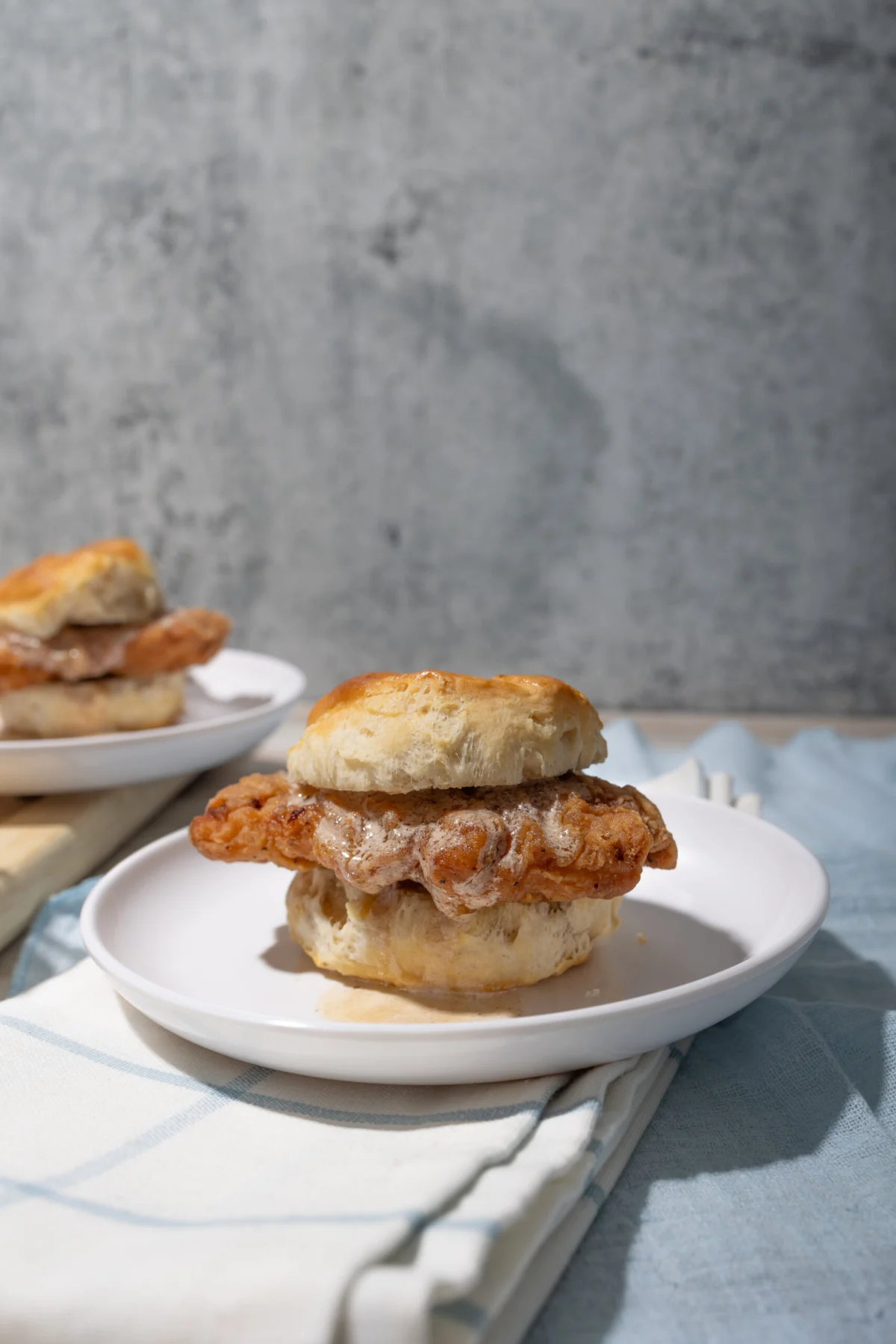
Butter, once relegated to the role of a utilitarian kitchen staple—a mere lubricant for pans or a simple spread for bread—is currently undergoing a profound culinary transformation. No longer just a secondary ingredient, butter is emerging as a primary driver of flavor, premium positioning, and consumer craveability in the modern restaurant landscape. As dining patterns evolve toward a desire for both comfort and novelty, the humble compound butter is proving to be a high-impact, low-cost tool for chefs looking to elevate their menus.
The Rise of the "Compound" Trend: Main Facts
At the heart of this shift is the "compound butter"—butter softened and blended with various herbs, spices, aromatics, or sweeteners. By infusing high-quality dairy with complex flavor profiles, restaurants are finding that they can command higher price points while delivering a memorable sensory experience.
Recent industry analysis indicates that butter consumption in the United States hit an all-time high in 2024. According to data from the U.S. Department of Agriculture (USDA), consumption has surged by 21 percent over the past decade. This is not merely a quantitative increase; it is a qualitative one. The modern consumer is increasingly sophisticated, and the Rubix Foods "Menu Concepts + Cravings Survey" highlights that one in five consumers now actively seek out flavored or compound butters when dining out.
For operators, this trend represents a "triple threat" of benefits: it is an accessible way to signal culinary craftsmanship, it enhances the perceived value of an entire dish, and it offers an easy path toward menu differentiation.
A Chronology of the Butter Resurgence
To understand why butter is experiencing this renaissance, one must look at the recent trajectory of culinary trends.
- 2014–2017: The Foundation of Fat. During this period, the culinary world saw a rejection of low-fat diet trends. The "fat is flavor" movement gained momentum, with butter being rehabilitated in the public eye as a natural, whole-food ingredient.
- 2018–2020: The Premiumization of Basics. As fast-casual dining grew, operators began looking for ways to distinguish their proteins. Compound butters on steaks and seafood began appearing more frequently, moving from high-end fine dining to mid-scale chains.
- 2021–2023: The Pandemic Comfort Surge. During the height of the global health crisis, consumers turned to comfort foods. Butter became an emotional anchor in home cooking and restaurant takeout. The "Honey Butter" trend exploded during this time, driven by viral social media content.
- 2024–2025: The Functional & Bold Era. We are currently in the phase where butter is being treated as a vehicle for innovation. From fermented garlic scapes to chili-infused fats, butter is now being used to explore global flavor profiles, marking a move toward "craveable exploration."
Supporting Data: The Numbers Behind the Spread
The data supporting this shift is robust. Datassential, a leading market research firm for the food industry, has tracked a clear, double-digit growth trajectory for flavored butters on U.S. restaurant menus over the last four years.
Among the standout performers are traditional flavors like lemon and herb, but the most aggressive growth is seen in global-inspired compounds, including miso-butter, gochujang-butter, and smoked paprika-infused varieties. The breakdown of how operators are deploying these fats is equally telling:
- 50 percent of operators who use butter regularly are utilizing it for savory applications, often to finish grilled proteins or toss with roasted vegetables.
- 43 percent of operators are utilizing it for sweet applications, particularly in breakfast service, pastry, and dessert pairings.
The remaining 7 percent are utilizing butter in innovative, hybrid formats—such as savory-sweet glazes for brunch items or as a base for compound butter "disks" served alongside artisan breads. This data suggests that butter has effectively bridged the gap between the savory and sweet pantry, a versatility that few other ingredients possess.
Official Responses and Industry Insight
Industry leaders are taking note of this shift, viewing compound butter as a strategic asset rather than a commodity. Shannon O’Shields, VP of Marketing at Rubix Foods, encapsulates the industry perspective on why this trend is resonating so deeply.
"Compound butters allow consumers to experience flavor at the intersection of comfort and exploration," O’Shields notes. "It provides a familiar, comforting base—the rich, creamy mouthfeel of dairy—while introducing a bold, adventurous twist. Whether it’s a truffle-infused butter on a high-end cut of beef or a hot honey butter on a breakfast biscuit, the compound butter acts as a bridge between what the guest knows and what they are excited to discover."
Other culinary experts suggest that the rise of compound butter is also a reaction to the rising costs of labor and specialized ingredients. By creating a signature house butter, a kitchen can dramatically alter the profile of a standard protein with minimal effort, allowing for "menu engineering" that feels expensive to the guest but is operationally efficient for the staff.
Implications for the Restaurant Industry
The shift toward sophisticated butter usage carries significant implications for the future of menu development.
1. The "Perceived Value" Multiplier
In an inflationary environment, diners are increasingly scrutinizing the value of their meals. A plain grilled chicken breast can feel unremarkable, but that same chicken breast topped with a dollop of roasted garlic and herb compound butter is transformed into a "signature" dish. This perception of "craft" allows restaurants to justify higher menu pricing.
2. Operational Efficiency
Unlike complex sauces that require constant monitoring and long cook times, compound butters can be prepared in large batches, rolled, chilled, and portioned. This makes them an ideal solution for high-volume kitchens looking to maintain quality and consistency without adding strain to the line during service hours.
3. Cross-Utilization of Ingredients
The trend encourages better use of existing inventory. Herbs that are wilting, spices that are underutilized, or even fruit peels can be incorporated into butter compounds. This reduces waste and maximizes the ROI on pantry items, aligning with the growing industry push toward sustainability and waste reduction.
4. The "Instagrammable" Element
The visual appeal of a melting compound butter—a pat of gold, speckled with herbs and spices, sliding down a hot steak—is a powerful marketing tool. In the age of social media, the sensory experience of "the melt" is highly shareable, providing restaurants with organic marketing content that highlights the quality of their ingredients.
Looking Ahead: The Future of Butter
As we look toward the remainder of the decade, the evolution of butter will likely move into the realm of "functional flavor." We are already seeing the emergence of butter infused with adaptogens, probiotics, and nutrient-dense botanicals. As consumers continue to demand more from their food—wanting it to be both delicious and beneficial—butter will likely serve as the primary delivery system for these new, wellness-oriented flavor profiles.
Furthermore, the rise of plant-based alternatives is pushing the dairy industry to innovate. We are seeing a new wave of high-end, cultured plant-based butters that aim to replicate the complexity of traditional dairy. This competition will only accelerate the pace of innovation in the category.
Ultimately, the humble butter pat has reclaimed its seat at the head of the table. By embracing the compound butter trend, restaurants are not just serving food; they are crafting experiences. They are proving that in a world of high-tech kitchen gadgets and molecular gastronomy, the most effective tool for culinary success might just be the one that has been in the refrigerator all along. The message to operators is clear: stop treating butter as a condiment, and start treating it as the centerpiece of the plate. The numbers, the experts, and the consumers are all in agreement—the era of the compound butter is here to stay.