
 Dwi Wanna
 Nana Wu
 Muslim
 Reynand Wu
 Ammar Sabilarrohman
 Jia Lissa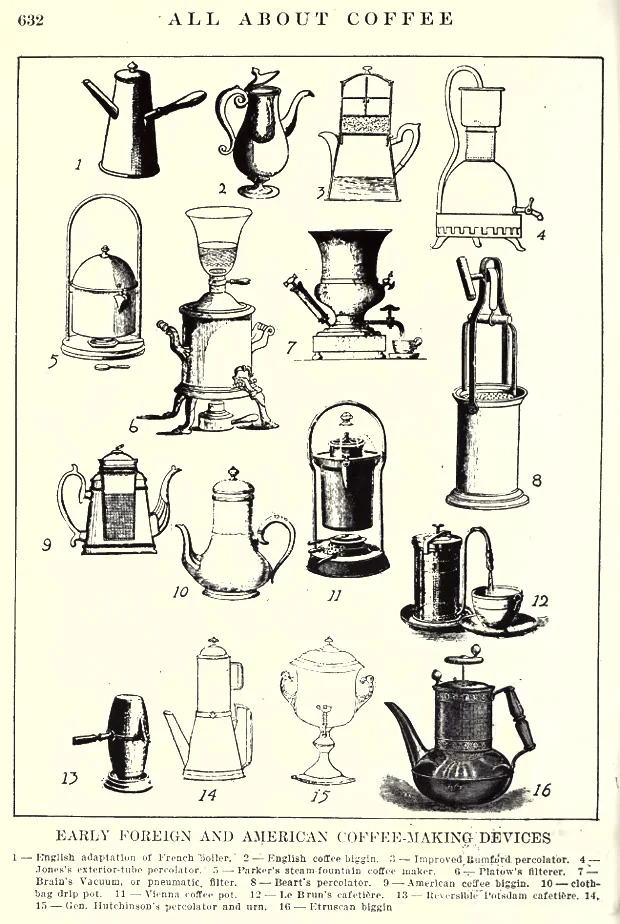
For many, the morning ritual of brewing coffee is a meditative act of habit. For the chemist, however, it is a complex, high-stakes experiment in thermodynamics, fluid dynamics, and mass transfer. When you pour hot water over a bed of ground coffee, you are not simply making a beverage; you are orchestrating a multi-stage chemical extraction.
The journey from bean to cup involves thousands of chemical compounds, each possessing unique solubility profiles and extraction rates. This diversity is the foundation of coffee’s complexity. If every compound were extracted at the same rate, the nuance of the bean would be lost to a flat, uniform flavor profile. Instead, coffee brewing is a study in "selective extraction," a process that allows the barista to highlight specific notes—acidity, sweetness, or body—while leaving behind the harsher, less desirable compounds.
The Science of Selective Extraction
To understand the art of the pour-over, one must first understand the chemical goal. If one were to aim for the maximum possible extraction—grinding to the consistency of flour and steeping until the extraction yield reaches 30%—the result would resemble a robust, intense Turkish coffee. While scientifically impressive, this "total extraction" is rarely the most palatable.
True mastery lies in uneven extraction. By manipulating variables such as grind size, water temperature, and flow rate, the brewer ensures that desirable compounds are prioritized. The pour-over, or percolation method, is the most refined tool for this task. It is a precise dance between water and grinds, distinct from the convection-heavy cycle of a traditional percolator.
The Illusion of Simplicity
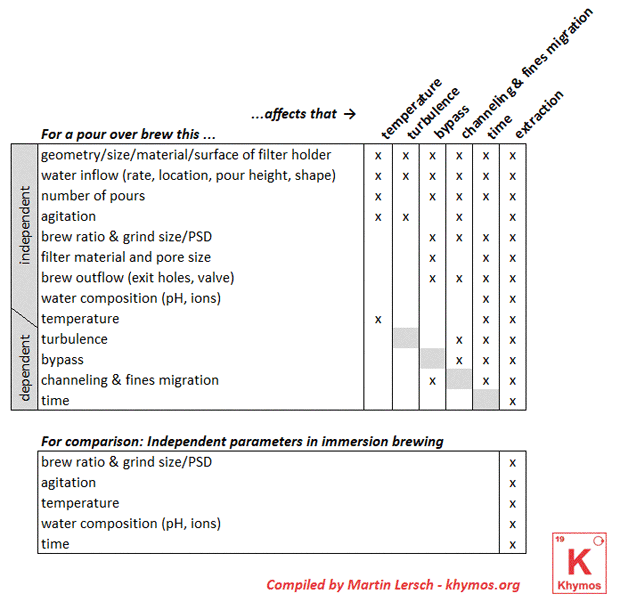
Pour-over brewing appears deceptive in its simplicity: water, coffee, filter, gravity. Yet, beneath this facade lies a volatile system governed by a web of correlated variables. As established in previous technical examinations of coffee chemistry, the interaction between particle size distribution (PSD) and water flow is paramount.
When water encounters the coffee bed, it exhibits a characteristic behavior: it is fundamentally "lazy." Water will consistently seek the path of least resistance. If the grind is too fine or the filter holder design creates uneven pressure, the water will bypass the coffee grounds entirely, leading to under-extraction and a hollow, diluted cup. Understanding these bypass mechanics is the key to transitioning from a home hobbyist to a skilled practitioner.
A Chronological Perspective: From 1922 to the Modern Era
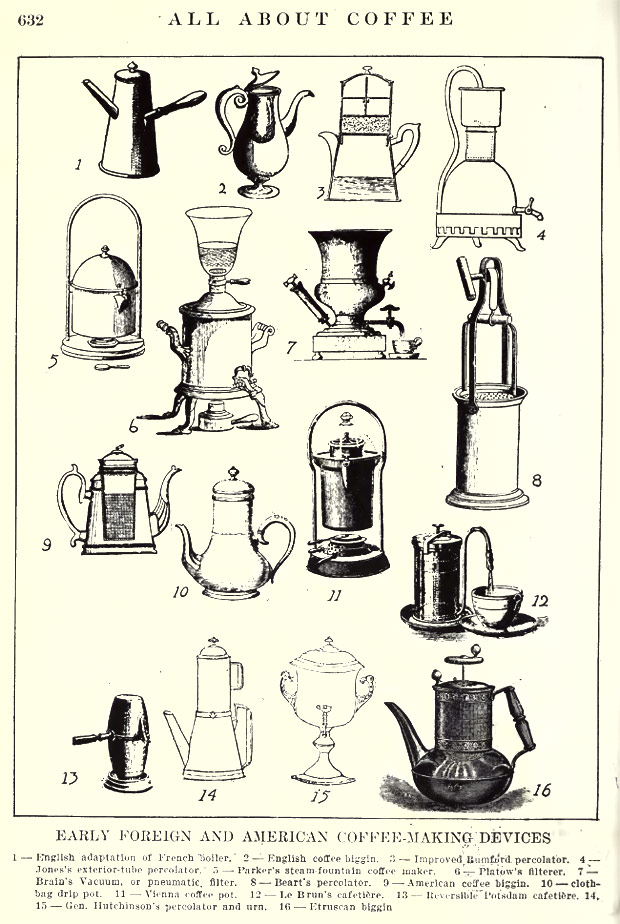
The human obsession with refining the drip coffee experience is not a modern trend. Historical documentation, such as W. A. Ukers’ seminal 1922 work, All About Coffee, illustrates that inventors have been grappling with the "coffee knot" for over a century.
Throughout the 20th century, the evolution of the coffee maker moved from simple gravity funnels to complex, pressure-controlled devices. The 1970s marked a particular boom in the popularity of percolation, but the true revolution has occurred in the last two decades. Today, the marketplace is flooded with specialized drippers, each designed to address specific flaws in fluid dynamics or heat retention.
Supporting Data: Assessing the Hardware
To demystify the vast array of equipment currently on the market, we must categorize these tools by their material, geometry, and flow-control capabilities.
The Materiality of Brewing
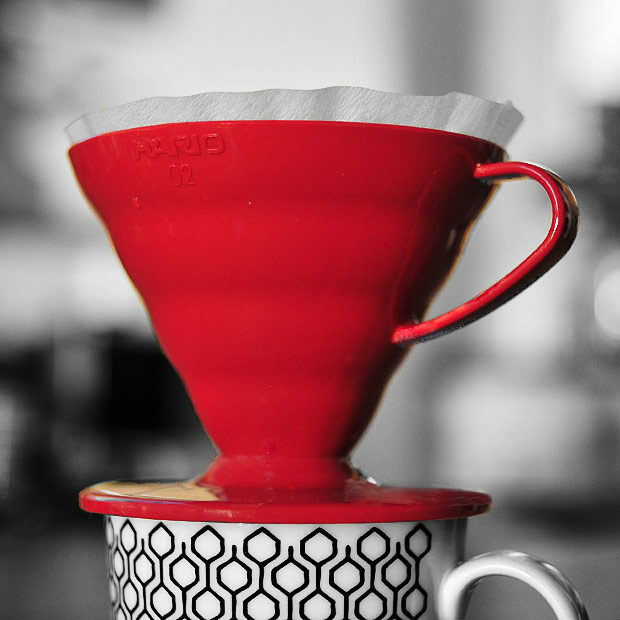
The thermal conductivity of the filter holder is often overlooked. Metal is a notorious heat sink, potentially sapping the energy needed for optimal extraction unless it is vacuum-insulated. Conversely, glass is fragile and prone to temperature loss. Plastic—such as the ubiquitous Hario V60—remains the gold standard for many professionals due to its low thermal conductivity, cost-effectiveness, and durability.
Geometry and Flow Control
The shape of the coffee bed dictates the flow rate. A deep, conical bed (like the V60) encourages extended contact time, whereas a flat-bottomed brewer (like the Kalita Wave) promotes a more even, rapid flow. The internal surface of these devices is equally critical. Smooth surfaces risk "choking" the flow if the wet filter paper adheres to the walls, while ridges or patterns are specifically engineered to facilitate airflow and minimize the vacuum effect that can stall a brew.
Equipment Correlation Table (Summary)
| Device | Material | Bypass Potential | Flow Control |
|---|---|---|---|
| Aeropress | Plastic | No | Pressure |
| Hario V60 | Plastic/Ceramic | Yes | Geometry-based |
| Kalita Wave | Metal/Glass | Yes | None |
| Tricolate | Plastic | No | Gravity |
| Clever Dripper | Plastic | Yes | Stop Valve |
This data highlights a growing trend in the industry: the move toward "bypass-free" brewing. Systems like the Tricolate or the Büchner funnel ensure that all water passes through the coffee bed, rendering the extraction more efficient and predictable.
Implications for the Modern Barista
The complexity of the pour-over method leads to a significant downside: the proliferation of myths and the lack of reproducibility. Two individuals using the same "recipe" may achieve vastly different results because common brewing instructions fail to document the granular details of water composition, particle size distribution, or the exact rate of inflow.
This has led to the rise of the "Immersion vs. Percolation" debate.
The Case for Immersion
For those seeking consistency, immersion brewing—such as the French Press—offers a robust alternative. By allowing the grounds to steep, the brewer creates a system that is forgiving and repeatable. The extraction in an immersion setup is governed by time and temperature equilibrium rather than the volatile flow dynamics of a pour-over. While the French Press is often criticized for the presence of fines—which can impart a gritty texture and bitterness—the addition of a paper filter can transform the output into a remarkably clean, high-clarity cup.
The Quest for the "Perfect" Cup
In the pursuit of the ideal extraction, we often find ourselves in a philosophical bind. Are we chasing an impossible standard? The famous scene from the television series Breaking Bad, where Gale Boetticher explains his meticulous coffee apparatus to Walter White, resonates with many because it captures the fundamental human desire for chemical perfection.
The implication of this pursuit is clear: coffee is not merely a commodity; it is a medium for scientific inquiry. Whether you prefer the precision of a pour-over or the robustness of an immersion method, the goal remains the same: to unlock the latent potential within the roasted bean.
Future Directions
As we move forward, the innovation in coffee hardware is likely to focus on three key areas:
- Flow Regulation: Technologies that allow for variable flow rates during the brew cycle.
- Thermal Stability: Advanced materials that maintain the slurry temperature without the need for cumbersome pre-heating.
- Bypass Elimination: Redesigning drippers to ensure total bed saturation, minimizing the variables that lead to inconsistent results.
In conclusion, the "perfect" cup of coffee is a moving target. It is a synthesis of engineering, chemistry, and sensory experience. By acknowledging the complexities of the system—the lazy nature of water, the impact of filter geometry, and the necessity of bypass control—we can move away from ritualistic superstition and toward a more profound, scientific appreciation of the daily brew. As the next generation of brewing technology emerges, we continue to bridge the gap between the art of the barista and the rigorous standards of the laboratory.


 Sagoh
Sagoh