

 Lina Irawan
 Evan Lee Salim
 Laily UPN
 Raul Delapena Setiawan
 Rifan Muazin
 Lina Hope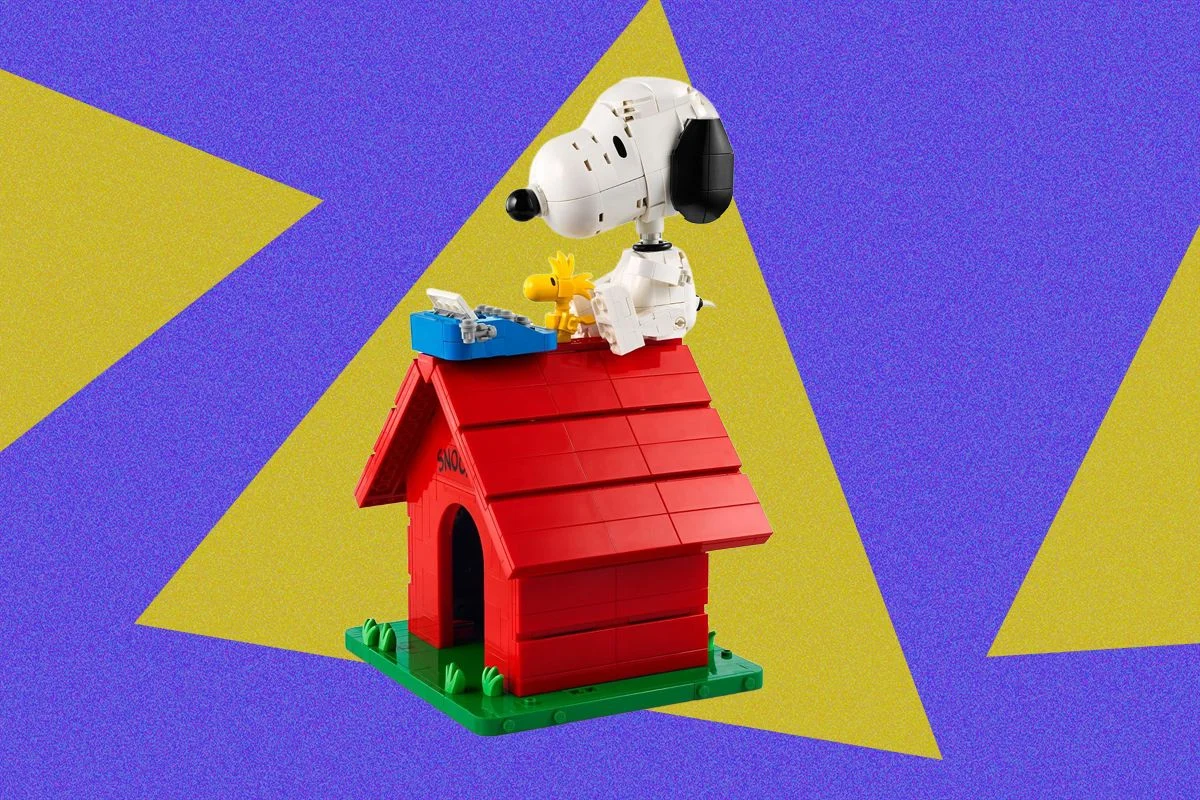
In an era of disposable technology, fleeting digital trends, and rapidly changing entertainment landscapes, few products have managed to maintain the iron-clad relevance that Lego has achieved. The Danish toy manufacturer, founded in 1932 by Ole Kirk Christiansen, has transcended its origins as a humble wooden toy workshop to become a global monolith of play. Whether it is the satisfying "click" of two bricks locking together or the intricate, display-ready sets that now grace the shelves of adult collectors, Lego’s "clutch power" remains as potent today as it was nearly a century ago.
As of late 2026, the brand continues to dominate the toy market, bridging the gap between nostalgic play and sophisticated adult hobbyism. This article explores the enduring legacy of the plastic brick, the latest additions to their expansive catalog, and why this simple construction system refuses to fade into obsolescence.
Main Facts: The Engineering of Immortality
The primary reason for Lego’s continued success lies in its uncompromising dedication to engineering precision. Every brick produced—whether it is a standard 2×4 red block or a complex gear piece for a Technic set—is manufactured with tolerances so tight that they are measured in micrometers. This "clutch power" ensures that a brick manufactured in 1960 can be seamlessly attached to a brick produced in 2026.
This consistency has turned Lego into a unique form of "evergreen" property. Unlike modern plastics that degrade or lose their shape, the ABS (acrylonitrile butadiene styrene) used by Lego is designed for durability and longevity. From a cultural perspective, this creates a generational bridge: parents who grew up building classic town sets can now sit down with their children to assemble complex Star Wars or Botanicals sets, sharing a common language of construction that requires no software updates or batteries.
Chronology: A Century of Innovation
The history of Lego is a narrative of adaptation. While the core product—the interlocking brick—has remained relatively stable since its patent in 1958, the application of that product has evolved significantly:
- 1932–1949: The formative years. Christiansen focuses on wooden toys, eventually introducing the "Automatic Binding Bricks" that would become the prototype for the modern Lego block.
- 1958: The modern brick design is patented. This year marks the birth of the "clutch power" that still defines the brand today.
- 1970s–1980s: The introduction of the Minifigure and specialized themes, such as Castle, Space, and Town, solidified Lego’s place in global pop culture.
- 1990s–2000s: A period of diversification and risk. The company expanded into video games, licensed media properties (notably Star Wars), and robotics with Mindstorms.
- 2020–2026: The "Adults Welcome" era. Lego aggressively expanded its portfolio to include sophisticated sets for older fans, including the Botanicals collection, Lego Architecture, and high-end display pieces that rival traditional home decor.
Supporting Data: Current Market Leaders
As we enter the latter half of 2026, the market reflects a consumer base that craves both playability and display quality. Current top-tier offerings highlight this split:
The Speed Champions: Automotive Precision
The Lego Speed Champions series, featuring the McLaren MCL38, remains a top seller for car enthusiasts. These sets provide a cost-effective entry point for collectors, offering detailed replicas of high-performance vehicles that fit comfortably on a desk.
Smart Bricks and Interactive Play
The Lego Star Wars: Smart Play Throne Room Duel and A-Wing represents the next evolution of the brand. By integrating interactive elements with traditional building, Lego is testing the boundaries of how physical bricks can interface with digital play environments.
The Botanical Aesthetic
Perhaps the most successful pivot in recent years has been the Lego Botanicals line. The Bouquet of Pink Roses and other floral sets have turned plastic bricks into interior design staples. These sets appeal to a demographic that might not have previously identified as "Lego fans," proving that the brand’s versatility is its greatest asset.
Digital Expansion: Lego Batman
Beyond the plastic, the brand continues to dominate software. The release of Lego Batman: Legacy of the Dark Knight underscores the company’s ability to translate the "Lego aesthetic" into immersive digital storytelling, maintaining a consistent brand identity across both physical and virtual shelves.

Official Responses: The Philosophy of "Play"
When asked about the brand’s longevity, Lego executives frequently point to the "System of Play" philosophy. Unlike competitors that release toys meant to be discarded after a season, Lego encourages users to dismantle and rebuild.
"Our product is never finished," says a spokesperson for the brand. "The instruction manual is merely a suggestion. The true value of a Lego set lies in the potential for what that set can become when it is broken down and combined with a decade’s worth of other bricks."
This philosophy has shielded the company from the volatility of the toy market. By positioning their products as tools for creativity rather than single-use commodities, they have cultivated a community of "AFOLs" (Adult Fans of Lego) who treat their collections as investments and art projects, rather than toys.
Implications: The Sustainability Challenge
Despite their success, the brand is not without its critics. The core of the Lego experience—plastic—is a contentious subject in the age of climate awareness. While the company has pledged to move toward more sustainable, bio-based materials, the task is Herculean.
The manufacturing process requires extreme durability; if a brick is too soft or bio-degradable, it loses its "clutch power" and, consequently, its value. The challenge for Lego over the next decade will be maintaining its legendary quality while transitioning away from petroleum-based plastics. The company’s heavy investment in research and development for recycled polymers suggests that they recognize this as the "existential final boss" of their business model.
Why We Keep Building
The enduring appeal of Lego can be attributed to the "flow state" it induces. In a world of infinite digital distractions, the tactile, focused act of building a complex structure provides a rare moment of meditative relief. Whether it is the assembly of the Paris: City of Love architecture set or the meticulous construction of a new Star Trek light kit, the process forces a disconnect from the screen and a reconnection with the physical world.
As we look toward the future, it is clear that Lego is not merely selling plastic; they are selling a timeless method of creation. As long as there is a need to organize, build, and imagine, the interlocking brick will remain a fixture of our homes.
For those looking to expand their collections or find the perfect gift, the current catalog is more diverse than ever. From the nostalgia of Peanuts: Snoopy’s Doghouse to the high-tech intrigue of the 2026 Star Wars Advent Calendar, there is an entry point for every age and interest. As the brand continues to iterate, it is safe to assume that while the world around us changes, the bricks will remain the same—waiting for the next hand to pick them up and start building.
Quick Reference: Gift Guide Recommendations
- For the Collector: Lego Architecture: Paris: City of Love – A sophisticated, display-ready set that captures the essence of French design.
- For the Gamer: Lego Batman: Legacy of the Dark Knight – A must-play title for fans of the caped crusader’s blocky adventures.
- For the Decorator: Lego Botanicals: Bouquet of Pink Roses – A maintenance-free arrangement that adds color to any room.
- For the Tech-Enthusiast: Lego Star Wars: Smart Play Throne Room – A perfect blend of classic building and modern interactive features.
In conclusion, Lego’s mastery of its medium—coupled with its ability to evolve alongside its audience—secures its position as more than just a toy manufacturer. It is a cultural institution. Whether you are six or sixty, the promise of the brick remains the same: a world limited only by your imagination.


