
 Layla Zulfa
 Laily UPN
 Neng Nana
 Sagoh
Sagoh
 Raul Delapena Setiawan
 Ali Ikhwan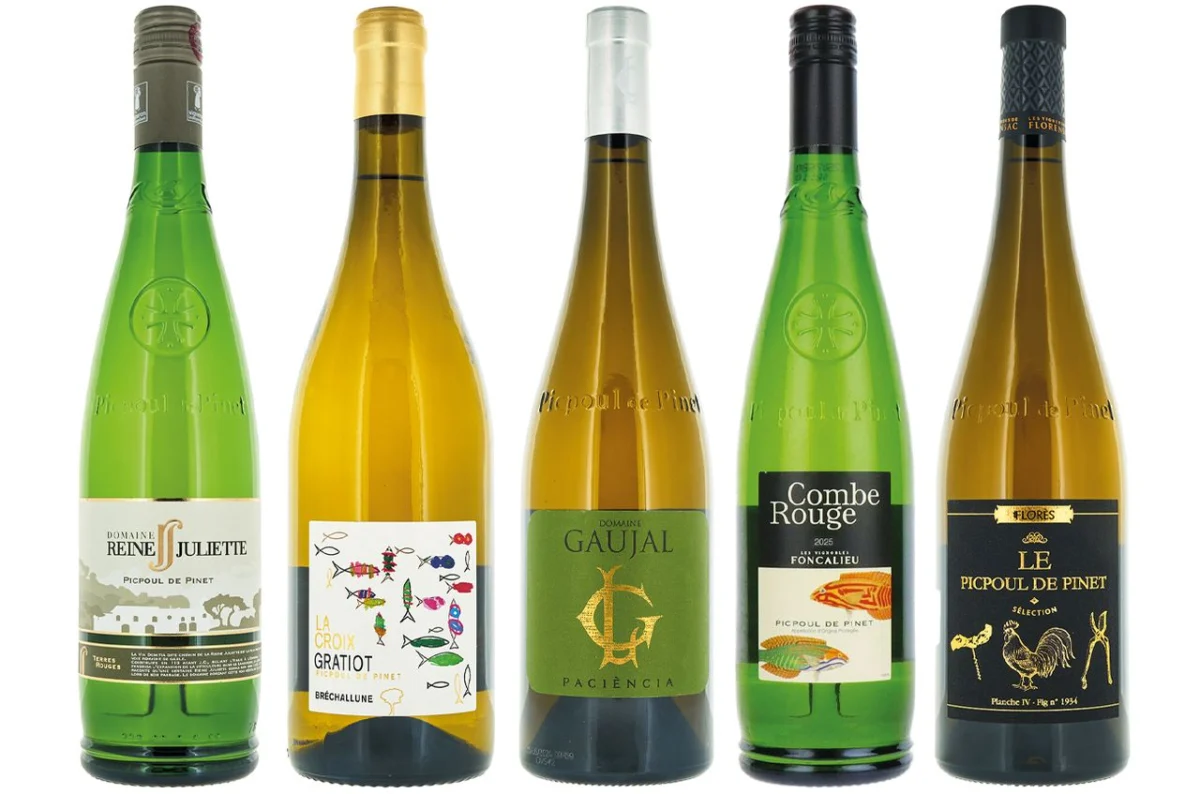
Picpoul de Pinet, long regarded as the reliable, crisp, and refreshing "pub wine" of the United Kingdom, is currently undergoing a sophisticated transformation. A recent expert panel tasting, featuring 65 distinct expressions of this Languedoc staple, has revealed that the appellation is no longer content with simple, uniform refreshment. Instead, it is embracing a new era of diversity, complexity, and environmental stewardship that challenges the conventional wisdom surrounding Piquepoul Blanc.
The Panel Findings: A Category in Transition
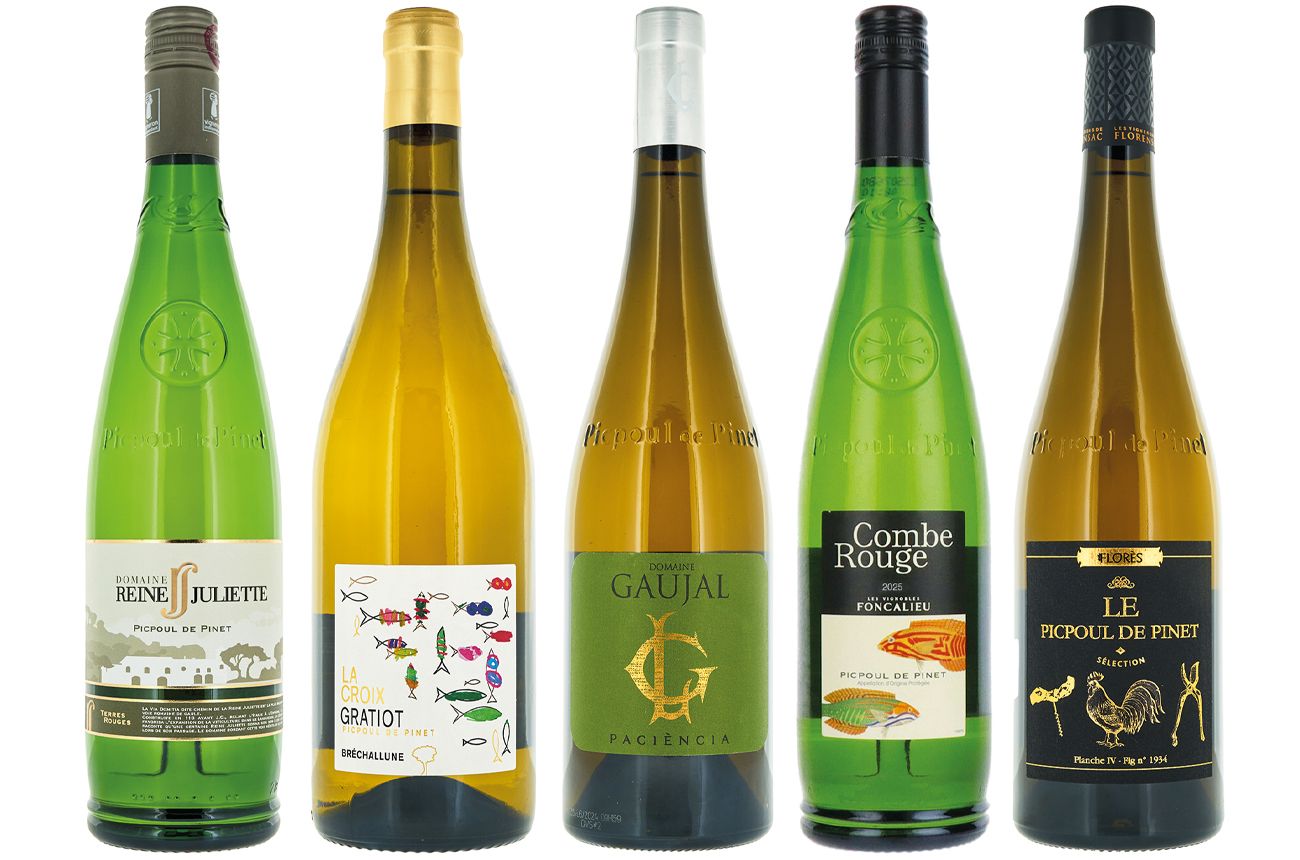
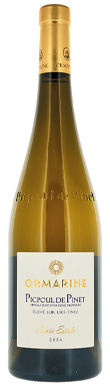
The recent tasting, conducted by a panel of experts including Natalie Earl, Heather Dougherty, and Wieteke Teppema, served as a diagnostic pulse-check for the region. Of the 65 wines tasted—which included a mix of standard bottlings and the more ambitious "Patience" cuvées—the results were largely positive, highlighting a shift in both quality and ambition.
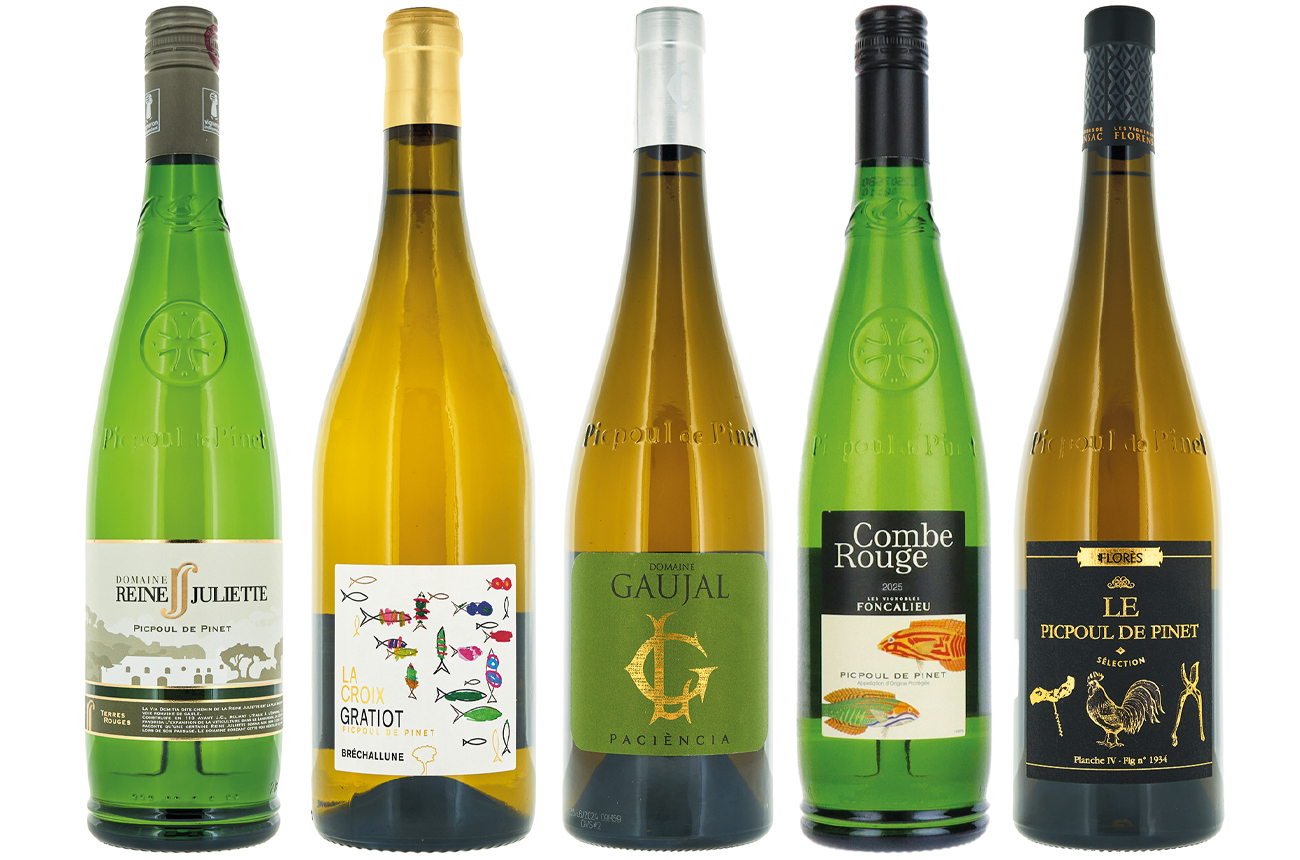
While none of the wines reached "Exceptional" status, the panel awarded three wines an "Outstanding" rating. Furthermore, 31 were deemed "Highly Recommended," 17 "Recommended," and 14 "Commended." Notably, there were zero "Fair" or "Poor" scores, suggesting that the baseline quality of the appellation has risen significantly.
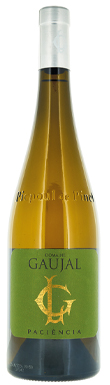
The panel members, who entered the session expecting a uniform profile of saline citrus and high acidity, found themselves pleasantly surprised by the breadth of styles on display. The "Patience" category—introduced in 2018 to allow for longer lees aging and later harvesting—has clearly emboldened producers to experiment, leading to a "blurring of the lines" between the classic fresh style and the more textured, age-worthy iterations.
Chronology of Change: From Bulk to Boutique
To understand the current trajectory of Picpoul de Pinet, one must look back at its evolution as an export powerhouse. The appellation has enjoyed meteoric growth, particularly in the UK, which remains its largest export market. In 2025, the UK accounted for over 55% of the total 9.14 million bottles exported, according to data from French customs via the CIVL.

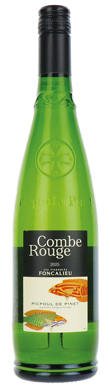
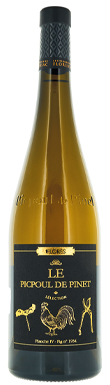
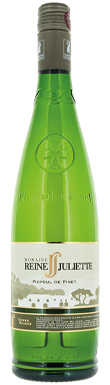
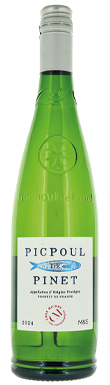
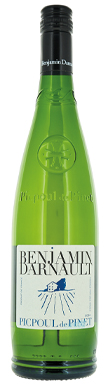
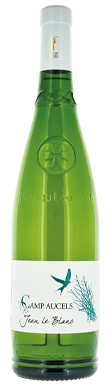
For decades, the wine’s identity was tied to the "Neptune" bottle—the iconic, fluted green glass vessel embossed with a wave pattern. Designed in 1995 to signal the wine’s maritime connection to the Etang de Thau lagoon, this bottle became a shorthand for "seafood-friendly white." However, the reliance on a single, homogenous style began to limit the perception of what the Piquepoul Blanc grape could achieve.

The 2018 pivot toward the "Patience" designation was a strategic move by the appellation to capture the attention of the fine wine market. By encouraging later picking and extended lees aging, the governing body provided a framework for producers to move away from "early-drinking" simplicity toward wines with structure, weight, and cellar potential. The current tasting confirms that while the classic profile remains the backbone of the appellation, these newer styles are carving out a significant niche that appeals to a more discerning consumer base.

Supporting Data: Vintage Realities and Environmental Shifts
The panel’s evaluation of the 2024 and 2025 vintages provided a fascinating glimpse into the climatic challenges faced by Languedoc growers. Because many 2025 wines were yet to be bottled, the sample was weighted toward 2024 (43 wines), with 18 examples from 2025.
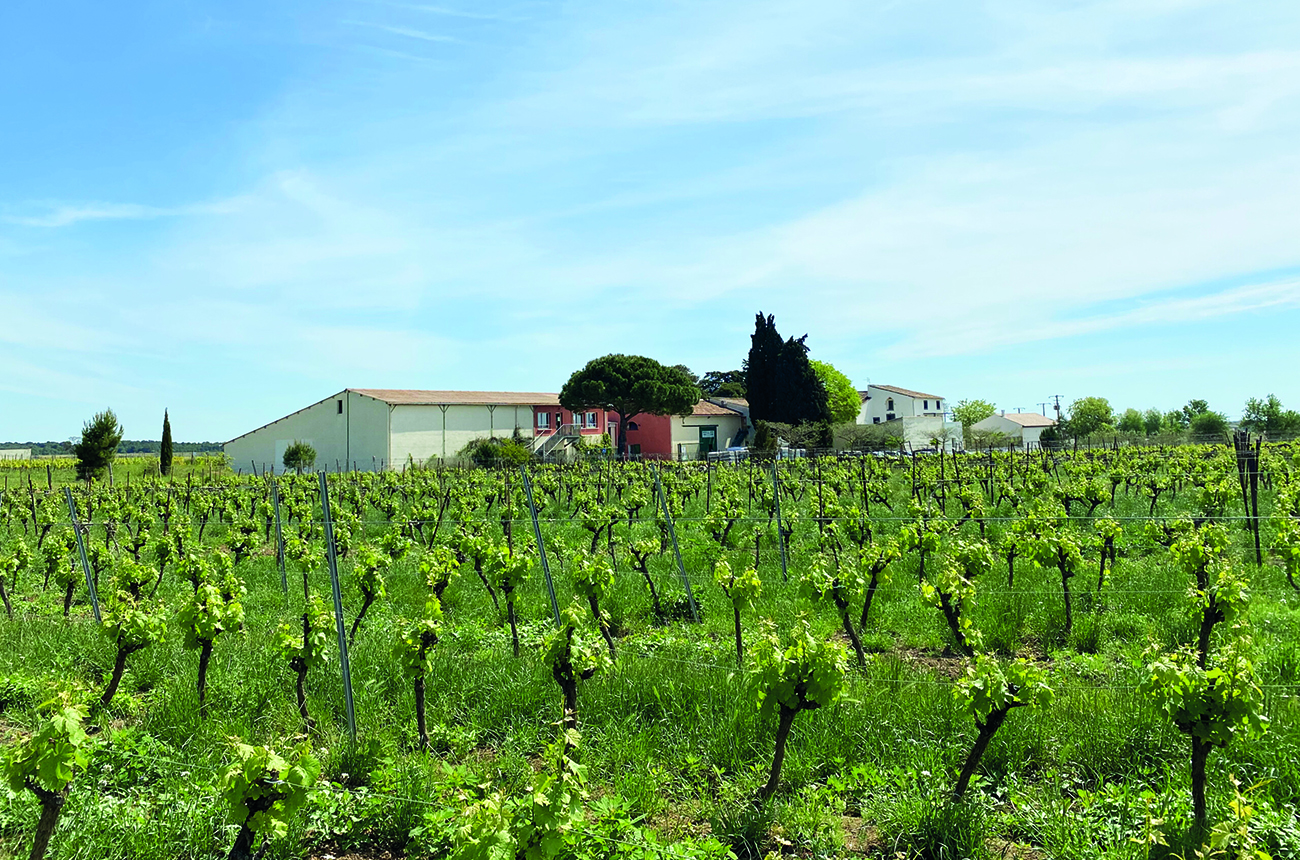
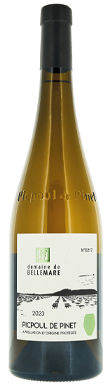
The data reveals a clear divide in the 2025 vintage, likely driven by extreme weather. Six of the 2025 entries exhibited a slight pinkish hue, a trait the judges attributed to sunburnt grapes resulting from two intense heatwaves in August 2025. Despite these challenges, the overall quality remains high, thanks to a concerted effort by growers to prioritize vineyard health.
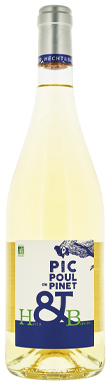
"Most were certified Haute Valeur Environnementale (HVE) or organic," noted Wieteke Teppema. "Producers are taking vineyard health and healthy grapes seriously, helping to raise the overall quality of the wines."
This commitment to the environment extends beyond the vineyard and into the cellar. In a major sustainability initiative, the appellation has partnered with local glass manufacturer Verallia to redesign the iconic Neptune bottle. The new version weighs just 420g—a 120g reduction from the previous design. This seemingly minor change represents a 22% reduction in carbon emissions during production and allows for 90 additional bottles per pallet during transport. Given that nearly 80% of total production is bottled in the Neptune format, the cumulative environmental impact of this shift is substantial.
Official Responses and Strategic Implications
The shift toward sustainability and stylistic diversity has not gone unnoticed by trade experts. By standardizing the move to lightweight glass for those using the Neptune bottle, the appellation is taking a "shared responsibility" approach to climate change. This move is designed to ensure that the brand remains relevant in a market increasingly focused on carbon footprints and eco-conscious production.
However, the diversification of style does bring risks. As judges noted, there is a danger of "confusing consumers" if the classic, bright, saline character of Picpoul de Pinet becomes too obscured by lees-aging or oak influence. The panel concluded that the key to future success lies in maintaining the trademark "marine" character that has built the brand’s reputation while layering in the complexity that the Patience style offers.
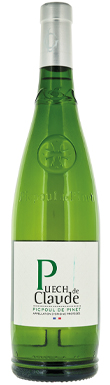
"The three top-scoring wines offer different flavour and texture experiences," the report noted. "Most wines still show the trademark marine character, meaning consumers can still buy confidently at accessible price points."
Culinary Pairings: A Versatile Coastal Partner
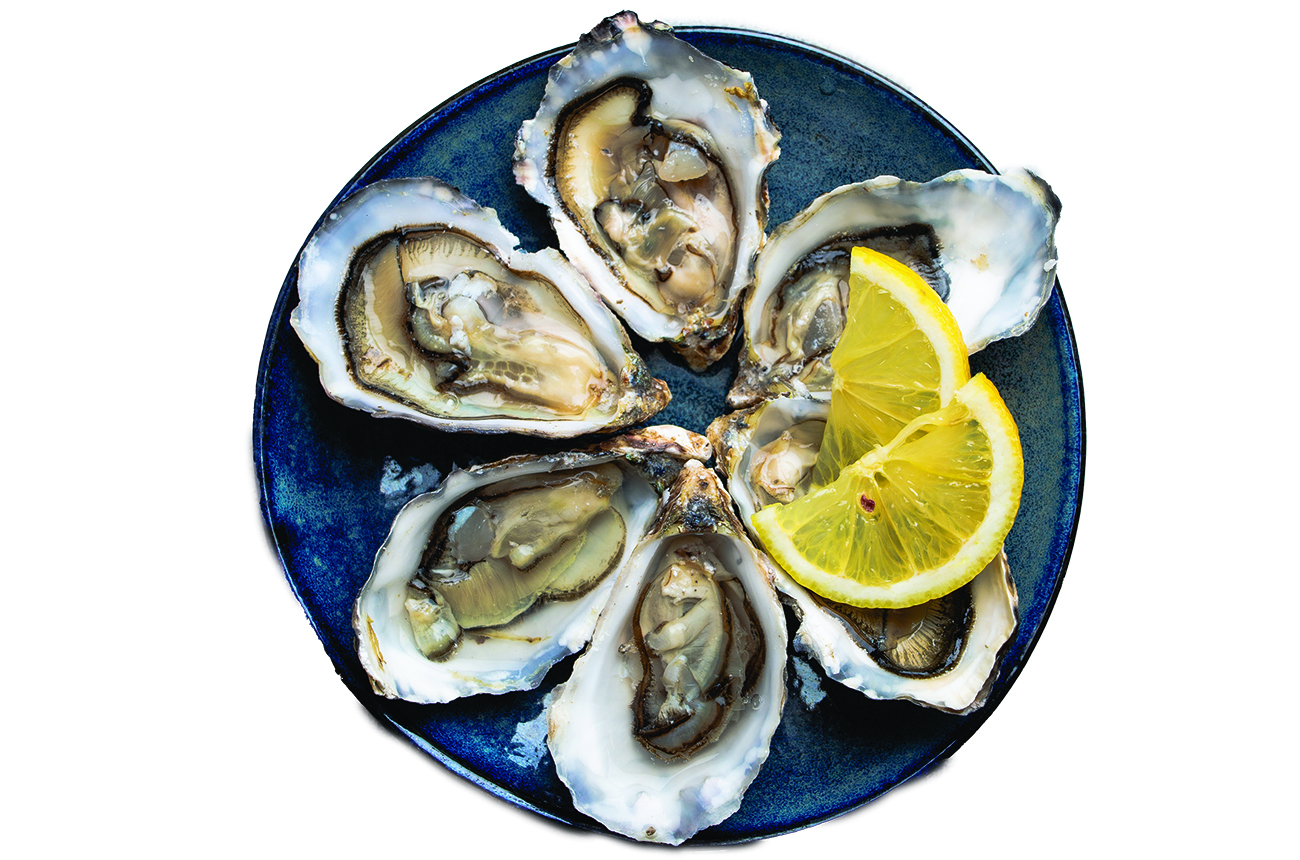
Fiona Beckett, a noted authority on wine and food, emphasized that while Picpoul de Pinet remains the ultimate partner for oysters—specifically those from the nearby village of Bouzigues—its versatility is often underestimated.
For the standard, zesty expressions, she suggests pairing with raw fish dishes like crudo, sushi, or even Greek salads with feta and olives, where the wine’s natural acidity can slice through the salt and fat.
"With the more complex, textured Patience category," Beckett adds, "the simplest rule of thumb is to think cooked rather than raw fish and shellfish. Think of whole, wood-roasted turbot, which is a staple in modern, open-fire cooking. It is also remarkably adept at standing up to Provençal-style fish soups or hearty stews, where the wine’s depth and texture can complement the richness of the broth."
Conclusion: A New Horizon for Piquepoul
The findings from the latest panel tasting confirm that Picpoul de Pinet is undergoing a healthy, necessary evolution. It is a region that has successfully transitioned from a one-note wonder to a dynamic appellation that balances commercial reliability with artisanal ambition.
As producers continue to embrace sustainable viticulture and explore the boundaries of the Piquepoul Blanc variety, the "pub wine" of the past is clearly destined for a place at the tables of finer restaurants and the cellars of serious collectors. The commitment to lowering the carbon footprint of the iconic Neptune bottle further cements the appellation’s forward-thinking stance.
For the consumer, the message is clear: Picpoul de Pinet is no longer just a glass of wine to be consumed quickly on a sunny patio. It is a complex, environmentally conscious, and increasingly diverse category that rewards those who take the time to explore its many expressions. Whether it’s a bright, young 2024 vintage paired with fresh oysters or a complex, lees-aged Patience cuvée alongside a wood-roasted fish, the appellation continues to prove that there is much more to this coastal gem than meets the eye.
Summary of Panel Findings
- Total Wines Tasted: 65
- Outstanding: 3
- Highly Recommended: 31
- Recommended: 17
- Commended: 14
- Fair/Poor: 0
Key Insights for Consumers
- The "Patience" Style: Look for this label if you prefer wines with more body, texture, and potential for aging. These are typically better suited to cooked seafood dishes.
- Sustainability: Look for the new, lighter-weight Neptune bottle, a clear indicator of the producer’s commitment to reducing their carbon footprint.
- Vintage Variation: While 2024 shows classic, crisp characteristics, the 2025s are variable; look for reputable producers who managed the challenges of the late-summer heatwaves.
- The Classic Profile: The hallmark of the region remains its salinity and bracing acidity—ensure your bottle choice still aligns with this if you are looking for the traditional, refreshing experience.

 Ammar Sabilarrohman