

 Ali Ikhwan

 Iffa Jayyana

 Muslim

 Nana

 Dwi Wanna
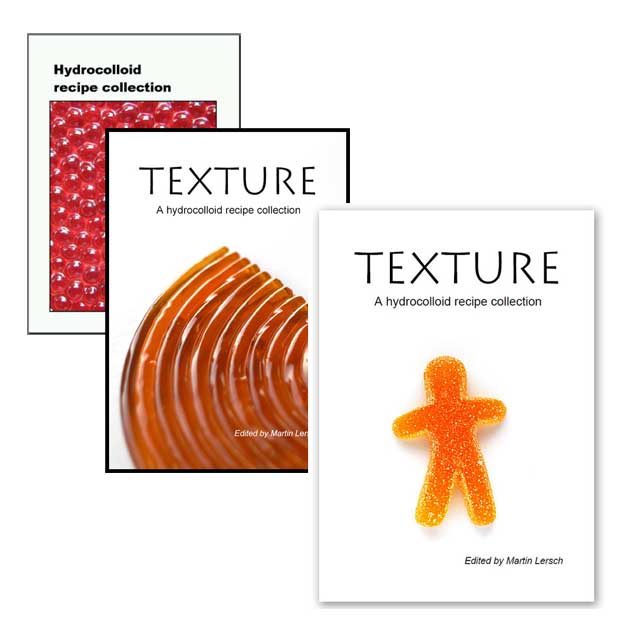
For the better part of two decades, Texture: A Hydrocolloid Recipe Collection has served as the unofficial bible for modernist chefs, food scientists, and adventurous home cooks. Since its inception in 2007, this collaborative project has bridged the gap between complex food science and practical kitchen application. Now, after a six-year hiatus, the project is entering a new phase of refinement. As preparations for version 3.1 begin, the community is being called upon to contribute the expertise and documentation necessary to keep this living document at the forefront of culinary innovation.
The Chronology of a Culinary Standard
The history of Texture is one of organic growth and community-driven knowledge. What began in 2007 as an ambitious attempt to catalog the practical applications of hydrocolloids—substances that form gels in contact with water—quickly evolved into a cornerstone resource.
- Version 1.0 (2007): The foundational release, establishing the initial framework for categorizing hydrocolloids based on their chemical and physical properties.
- Version 2.0 (2008): A significant expansion, incorporating broader feedback from the nascent molecular gastronomy community.
- Version 3.0 (2014): A major overhaul that refined the technical data and introduced a more user-friendly layout for the growing reader base.
- The Current Status (2020-Present): Following a six-year period of relative quiet, the project is officially moving toward version 3.1. This update marks a pivot from radical overhauls to a "polishing" phase, focusing on correcting inaccuracies, improving readability, and filling lingering gaps in the literature.
Understanding the Landscape: The Role of Hydrocolloids
Hydrocolloids are the unsung heroes of modern food science. These polymers, which include gums, starches, and proteins, are responsible for the mouthfeel, stability, and structure of everything from industrial ice cream to avant-garde foams.
The Texture project has always aimed to democratize this information. By documenting how specific agents like agar-agar, xanthan gum, and methylcellulose interact with different bases, the collection provides a roadmap for culinary experimentation. However, the science is constantly evolving. As new ingredients enter the market and old ones are better understood, the necessity for a periodic "refresh" becomes clear. The upcoming 3.1 release is intended to address the minor inconsistencies that inevitably arise in a document of such immense technical scope.
Expanding the Scope: Underrepresented Ingredients
One of the most critical aspects of the upcoming update is the targeted effort to bolster sections on ingredients that have historically received less attention. While staples like gelatin and xanthan are well-documented, other hydrocolloids remain under-explored in the current edition.
The Focus List
The project lead has identified several specific gums that require more robust documentation:
- Guar Gum: Known for its thickening properties in cold applications.
- Gum Arabic: Vital for emulsification and stabilization in beverages and confectioneries.
- Konjac: Highly prized for its unique, resilient gel structure.
- Locust Bean Gum (LBG): Essential for texture control in dairy products.
- Tara Gum: A versatile, middle-ground alternative that deserves more exposure in contemporary recipes.
The goal is to provide a comprehensive range of recipes that highlight the specific, unique strengths of each agent. By crowdsourcing these recipes, the project ensures that the final document reflects real-world, successful applications rather than purely theoretical data.
The "Non-Hydrocolloid" Frontier: Traditional Gelling Mechanisms
Perhaps the most fascinating section of the Texture collection is the category dedicated to "non-hydrocolloid" recipes. This section explores how cultures around the world have achieved complex textures through natural enzymatic or chemical reactions, long before the advent of modern hydrocolloid chemistry.
These traditional techniques offer a masterclass in food science. From the coagulation of proteins in Junket and Cuajada to the starch-based gels found in Aiyu and Grass jelly, these recipes serve as a reminder that nature often holds the solution to the most sophisticated culinary challenges.
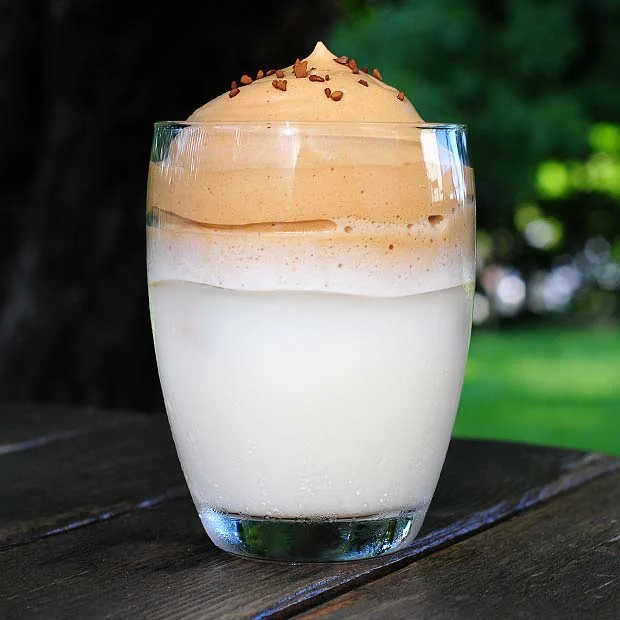
The inclusion of the Dalgona coffee foam in the upcoming update is a symbolic addition. It highlights how a viral, home-kitchen trend can be dissected through the lens of food science, proving that the principles of structure and aeration remain constant regardless of whether the foam is created with a high-end siphon or a simple hand-held mixer.
Community Participation: The Heart of the Project
The success of Texture has always relied on the transparency and generosity of its readers. The project lead has emphasized that this is not a top-down publication but a collaborative effort.
How to Contribute
- Feedback and Corrections: If a recipe has failed in your kitchen, that information is invaluable. Documenting why a recipe failed—whether due to ingredient ratios, temperature fluctuations, or pH levels—is just as important as documenting a success.
- Photographic Evidence: The project is actively seeking high-quality imagery to accompany its recipes. A photograph serves as an objective verification of a successful result, providing a visual benchmark for other users attempting the same technique.
- Submitting Recipes: If you are aware of traditional regional gels or innovative modern applications that are missing, you are encouraged to reach out via official channels.
Implications for the Culinary Industry
The upcoming update to Texture has broader implications for the culinary world. In an era where "food hacking" and home experimentation have reached unprecedented levels, having a centralized, peer-reviewed, and scientifically accurate resource is vital.
Bridging the Gap
The project continues to serve as a bridge between the professional laboratory and the home kitchen. By keeping the information updated, the project ensures that both hobbyists and professionals have access to safe, reliable, and standardized information. This reduces the barriers to entry for those looking to explore texture modification, ultimately fostering a more creative and informed culinary culture.
Strategic Omissions and Quality Control
It is worth noting that the project intentionally excludes certain proprietary, brand-specific products like Ultra-Tex or Trisol. This decision reinforces the project’s commitment to culinary science over marketing. By focusing on the chemical components themselves rather than the commercial branding, the document remains a neutral, academic-leaning resource that remains relevant regardless of supply chain changes or corporate rebranding.
Conclusion: A Vision for Version 3.1
As the project moves toward its next iteration, the focus remains on accuracy, accessibility, and community engagement. The transition from v.3.0 to v.3.1 represents a commitment to maintaining a standard of excellence.
For the culinary professional, Texture is a vital reference tool. For the home enthusiast, it is an invitation to explore the science behind the plate. As the collection expands to include more diverse hydrocolloids and honors traditional techniques, it cements its position as an indispensable asset in the global culinary library.
Those interested in contributing to the update are encouraged to visit the official Khymos website to review the submission guidelines and join the ongoing conversation. By participating in this update, the community is not merely helping to fix a few typos—they are ensuring that the art and science of texture remain a vibrant, evolving field for the next generation of cooks.


 Lina Hope

