

 Ammar Sabilarrohman
 Ali Ikhwan
 Dwi Wanna
 Neng Nana
 Siti Muinah
 Raul Delapena Setiawan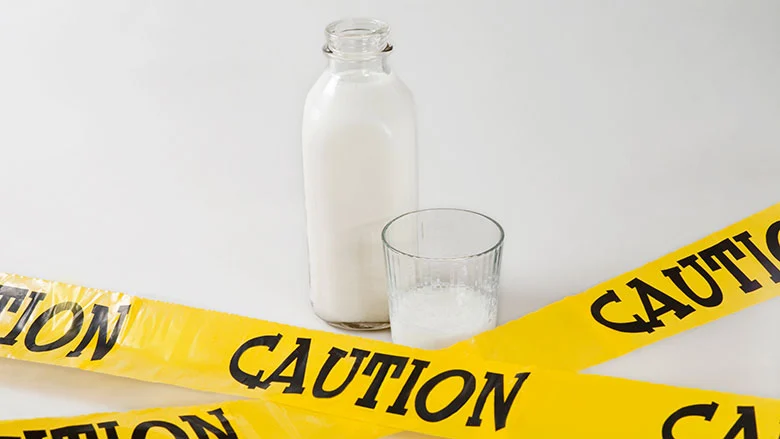
In a definitive move to safeguard public health, the American Academy of Pediatrics (AAP) issued a sweeping policy statement on October 5, 2024, calling for a nationwide ban on the sale and distribution of unpasteurized—commonly known as “raw”—milk and milk products. This recommendation, backed by decades of clinical data, marks a significant escalation in the medical community’s effort to combat the growing popularity of raw dairy, a trend fueled by viral social media campaigns and persistent, scientifically unsupported health claims.
The AAP’s stance arrives at a critical juncture. As high-profile influencers and wellness advocates continue to tout raw milk as a “superfood” capable of curing allergies, improving gut health, and providing superior nutrition, the medical community is witnessing a disturbing uptick in preventable, severe foodborne illnesses. From 2000 to 2020, public health data showed a clear correlation: as states eased restrictions on raw milk sales, the frequency of dairy-associated outbreaks rose in tandem.
The Human Cost: A Case Study in Risk
The dangers of raw milk are not merely theoretical statistics; they have profound, life-altering consequences for children. A recent, highly publicized case in California serves as a harrowing reminder of these risks. A 17-month-old toddler, Brooklyn Marris, was fed raw goat’s milk after her parents, swayed by recommendations from a chiropractor and online community members, sought what they believed to be a healthier, more natural alternative to store-bought dairy.
Instead of improved wellness, the toddler contracted a severe Escherichia coli (E. coli) O157:H7 infection. The illness quickly progressed into Hemolytic Uremic Syndrome (HUS), a life-threatening complication that leads to kidney failure and destruction of red blood cells. Brooklyn was not the only victim; a six-year-old child who consumed milk from the same farm also developed HUS, requiring emergency blood transfusions. These cases highlight the tragic reality of the “raw” movement: children, whose immune systems are still developing, are the most frequent victims of pathogens that are routinely eliminated by the standard, time-tested process of pasteurization.
A Chronology of the Raw Milk Conflict
The debate over raw milk is not new, but it has intensified over the last quarter-century. Below is a timeline of how the issue has evolved from a niche preference to a major public health concern:
- 1998–2011: A pivotal study period revealed that 79 percent of all dairy-associated foodborne illness outbreaks in the United States were directly linked to the consumption of raw milk and raw cheese products.
- 2013–2018: Research data indicated that jurisdictions where raw milk remained legal experienced 3.2 times the number of outbreaks compared to regions where such sales were prohibited. This period saw 98 hospitalizations, 10 cases of HUS, two cases of neurological complications (Guillain-Barré or Miller Fisher syndrome), and two deaths.
- April 2025: Dr. Caitlin Karolenko published a comprehensive analysis in Food Safety Magazine, documenting that unpasteurized milk is statistically 150 times more likely to cause foodborne illness than its pasteurized counterparts.
- October 2024: The AAP releases its formal policy statement, officially endorsing a total ban on raw milk sales and urging pediatricians to lobby state legislatures against any bills seeking to legalize or expand raw dairy access.
Debunking the “Superfood” Myth
The popularity of raw milk is largely sustained by a collection of myths that have found a fertile breeding ground on social media. Proponents frequently claim that pasteurization—the process of heating milk to specific temperatures to kill harmful bacteria—strips milk of its nutritional value, destroys essential enzymes, and eliminates “healthy” probiotics.
According to food safety experts, including Professor Nicola Holden, Ph.D., and consultant Gil Domingue, Ph.D., these claims are scientifically bankrupt. Extensive peer-reviewed research has confirmed the following:
- Nutritional Parity: There is no significant difference in the nutritional content of raw versus pasteurized milk. Essential vitamins, minerals, and proteins remain stable throughout the pasteurization process.
- Enzyme Function: While pasteurization does denature certain enzymes, these enzymes do not perform any vital digestive or nutritional function in the human body once the milk is consumed.
- Probiotic Fallacy: The levels of beneficial bacteria found in raw milk are insufficient to act as a meaningful probiotic for human gut health.
- Lactose Intolerance: A common, yet false, claim is that raw milk contains natural lactase that helps those with lactose intolerance. In reality, raw milk provides no such relief, and individuals with dairy sensitivities remain just as susceptible to discomfort from raw milk as they are from pasteurized milk.
The Biological Hazard: Pathogens in the Pail
The primary risk associated with raw milk is the presence of pathogenic microorganisms that thrive in environments where dairy is not processed. Pasteurization acts as a critical safety barrier, inactivating dangerous bacteria that can contaminate milk during milking, transport, or storage—often through contact with manure, animal skin, or infected udders.
The pathogens commonly isolated from raw milk include:
- Campylobacter: A leading cause of diarrheal illness.
- E. coli O157:H7: A Shiga toxin-producing strain capable of causing severe kidney damage.
- Listeria monocytogenes: Particularly dangerous for pregnant women, as it can lead to miscarriage, stillbirth, or severe infection in newborns.
- Salmonella: A major cause of food poisoning.
- Toxoplasma gondii: A parasite that can lead to severe complications in the immunocompromised.
As Dr. Karolenko noted, the leap in risk—150 times higher for unpasteurized products—is not a marginal difference; it is a profound disparity that places the consumer at a statistically unnecessary danger.
Official Responses and Policy Implications
The American Academy of Pediatrics is not acting in a vacuum. By calling for a ban, the AAP is aligning itself with the broad consensus of federal food safety agencies. While the U.S. currently allows for a patchwork of regulations—where 21 states permit some form of raw milk sale while federal law prohibits interstate distribution—the AAP argues that this fragmented approach creates an illusion of safety.
“This recommendation is based on the multiplicity of data regarding the burden of illness associated with consumption of unpasteurized milk and milk products,” the AAP stated. “The strong scientific evidence shows that pasteurization is a non-negotiable standard for public health.”
The organization is calling for a multi-pronged strategy to address the crisis:
- Legislative Advocacy: Pediatricians are encouraged to contact state representatives to advocate for the prohibition of raw milk sales.
- Opposition to Expansion: In states where raw milk is currently illegal, the AAP urges members to actively oppose any legislative efforts to legalize or deregulate the industry.
- Public Education: Physicians are tasked with educating families about the dangers of raw dairy, particularly for children, pregnant women, the elderly, and those with weakened immune systems.
- Warning Labels: Where bans cannot yet be enacted, the AAP supports the implementation of strict, mandatory warning labels to ensure that consumers are at least aware of the documented risks.
Conclusion: A Preventable Tragedy
The discourse surrounding raw milk often pits the desire for "natural" living against the realities of modern microbiology. However, the AAP’s position is clear: the infections caused by raw milk are “among the most preventable of foodborne illnesses.”
Unlike many health risks that are complex or difficult to mitigate, the danger of raw milk can be neutralized through a single, well-established industry standard. As the medical community pushes for stricter regulations, the message to the public is one of caution: the supposed benefits of raw milk are anecdotal and unproven, while the risks—ranging from severe gastroenteritis to permanent organ damage and death—are documented, frequent, and entirely avoidable. For the sake of the most vulnerable, the AAP insists that the era of unregulated raw milk sales must come to an end.

 Muslim
 Pevita Pearce
