Suro Senen

 Evan Lee Salim


 Asro

 Basiran

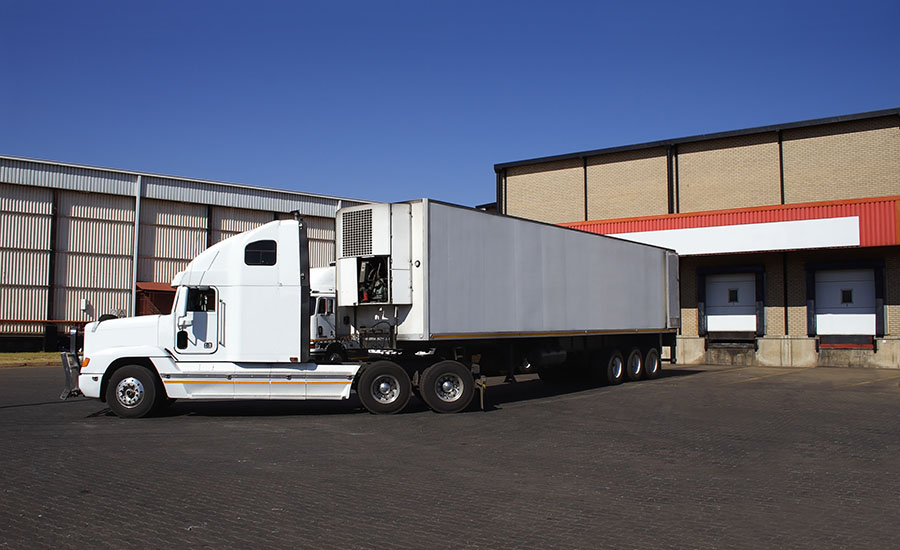
In the complex ecosystem of modern food manufacturing, the receiving dock is far more than a simple logistics hub; it is the critical threshold between the external supply chain and the controlled environment of the production floor. For food processors, the receiving department serves as the organization’s "first line of defense," a vital checkpoint where the integrity of raw materials, ingredients, and packaging is either validated or rejected. As global supply chains grow more intricate, the necessity for robust, documented, and strictly enforced receiving procedures has never been more paramount.
Main Facts: The Anatomy of a Secure Receiving Program
A comprehensive receiving program is not a static set of rules, but a dynamic system of verification. At its core, it encompasses the systematic inspection of incoming shipments to ensure that every raw material—whether a bulk ingredient, a chemical additive, or primary packaging—is safe, authentic, and compliant with internal quality specifications.
The design of a facility often dictates the architectural requirements of its security. While some operations utilize independent, specialized shipping and receiving docks, others are entirely perimeter-fenced, necessitating a gatehouse approach. In these high-security settings, the gate guard functions as a primary member of the food safety team. Their responsibilities extend beyond simple traffic management; they must cross-reference vehicle identities against delivery schedules, verify driver credentials, and perform the initial inspection of transport seals to ensure they align with the Bill of Lading (BOL).
Chronology of a Delivery: From Gate to Inventory
To maintain food safety, the journey of an incoming shipment must be mapped with rigorous procedural steps.
1. The Pre-Arrival Verification
Before a truck even approaches the dock, the verification process begins. Facilities must confirm that the carrier is authorized and the shipment is expected. This prevents "surprise" deliveries, which are significant security vulnerabilities.
2. The Gate and Seal Inspection
Upon arrival, the first physical checkpoint involves the tamper-evident seals. If a seal is broken, missing, or fails to match the serial number listed on the BOL, the load must be immediately sequestered. Under no circumstances should the trailer be opened for unloading, as doing so may constitute an accidental "acceptance" of potentially compromised goods.
3. Documentation and Supplier Validation
The receiving team must verify the BOL against the purchase order. This involves checking the product type, quantity, and specific lot numbers. A critical, often overlooked aspect is the "Facility Approval" check. Large-scale food companies often source from multiple plants; however, not all plants may be audited or approved under the buyer’s vendor quality program. Ensuring that the load originated from an approved facility is a safeguard against massive, avoidable recalls.
4. Physical and Sensory Inspection
Once the documentation is verified, the physical inspection ensues. This is a sensory-heavy task: inspectors must check for signs of pest activity, structural damage to containers, off-odors, evidence of tampering, and potential cross-contamination from non-food items.
5. Temperature and Quality Control
For cold-chain products, temperature monitoring is non-negotiable. Using calibrated digital thermometers, receiving personnel must verify that temperature-sensitive materials have remained within the "safe zone" throughout transit. These readings must be recorded in real-time, serving as a permanent record for traceability.
Supporting Data: The Role of Documentation and Checklists
Data integrity is the backbone of any food safety management system. Relying on memory or informal verbal checks is a recipe for failure. Companies are urged to utilize standardized "Inbound Trucking Security Checklists" to institutionalize the process.
A robust checklist should capture:
- Carrier and Driver Data: Including license plate numbers and driver identification.
- COA Status: Verification that the Certificate of Analysis (COA) is present and matches the specifications.
- Vehicle Integrity: A documented audit of the trailer’s cleanliness, pest status, and the absence of odors or hazardous materials.
- Disposition: A clear "Accept/Reject" decision, signed and dated by the inspector.
This data serves a dual purpose: it acts as a gatekeeper for daily production and provides the necessary documentation during third-party audits or potential regulatory inspections.
Official Responses and Best Practices
Industry experts emphasize that the relationship between the supplier and the receiver is a partnership. When a COA is required, it must be transmitted in a manner that ensures it reaches the right person—not just the general office email. If a COA is missing or fails to meet specifications, the product must be placed on hold. "Trying to fix it after the fact" is a common failure point that leads to, at best, a logjam in production and, at worst, a food safety disaster.
Allergen Management
The receiving dock is also a critical junction for allergen control. If an incoming shipment contains known allergens (e.g., soy, peanuts, dairy), these items must be clearly identified with specialized labeling at the moment of receipt. They must then be routed to designated storage areas to prevent cross-contact with allergen-free materials—a core requirement of the Food Safety Modernization Act (FSMA) and various GFSI standards.
Bulk Ingredient Safety
For bulk deliveries, such as tanker trucks, the requirements are even more stringent. The receiving team must ensure that the tanker itself is food-grade and that a "wash tag" is provided. This tag confirms that the tanker was cleaned at an approved wash station since its last delivery, preventing the transport of allergens or chemical residues.
Implications: The High Cost of Failure
The implications of a poorly managed receiving program are severe. A single breach at the dock can lead to the introduction of pathogens, allergens, or physical contaminants into a processing facility.
The Financial and Legal Impact
When substandard or unapproved materials are accepted, the financial fallout is immediate. Beyond the cost of disposing of the product, the facility may face:
- Production Stoppages: If an unapproved ingredient is mixed into a batch, the entire run must be scrapped.
- Recalls: If the error is discovered post-distribution, the company faces the monumental costs of a product recall, including legal fees, logistics, and notification of regulatory bodies.
- Brand Damage: Consumer trust is easily lost and difficult to rebuild. A high-profile recall linked to a receiving failure can permanently tarnish a brand’s reputation.
The Human Element: Training and Security
Technology and checklists are only as effective as the people who use them. Training is the final, most critical component. Every employee tasked with receiving must be thoroughly trained on the "why" behind the procedures. They must understand not only how to read a thermometer or verify a seal but also the broader implications of their decisions on public health.
Furthermore, managing human traffic is a security necessity. Truck drivers should be restricted to designated waiting areas. If a driver needs to access the dock or the plant floor, they must be escorted, briefed on safety protocols, and equipped with appropriate Personal Protective Equipment (PPE). This minimizes the risk of unauthorized access or the introduction of contaminants by visitors who are not accustomed to the facility’s sanitation standards.
Conclusion: Adapting for the Future
As food processors navigate an increasingly complex supply chain, the receiving dock remains the ultimate point of control. By implementing a systematic approach—verifying seals, scrutinizing COAs, managing allergens, and rigorously documenting every arrival—processors create a robust defense against the myriad risks of the modern food industry.
While the procedures must be adapted to the unique layout and operations of each facility, the objective remains universal: to ensure that only safe, approved, and verified materials pass through the threshold. In an era where food safety is synonymous with brand survival, the receiving dock is truly where the commitment to quality begins. Through constant vigilance, proper training, and the unwavering application of documented standards, food processors can ensure that their first line of defense remains impenetrable.