

 Dwi Wanna
 Nana Wu
 Muslim
 Reynand Wu
 Ammar Sabilarrohman
 Azzam Bilal Chamdy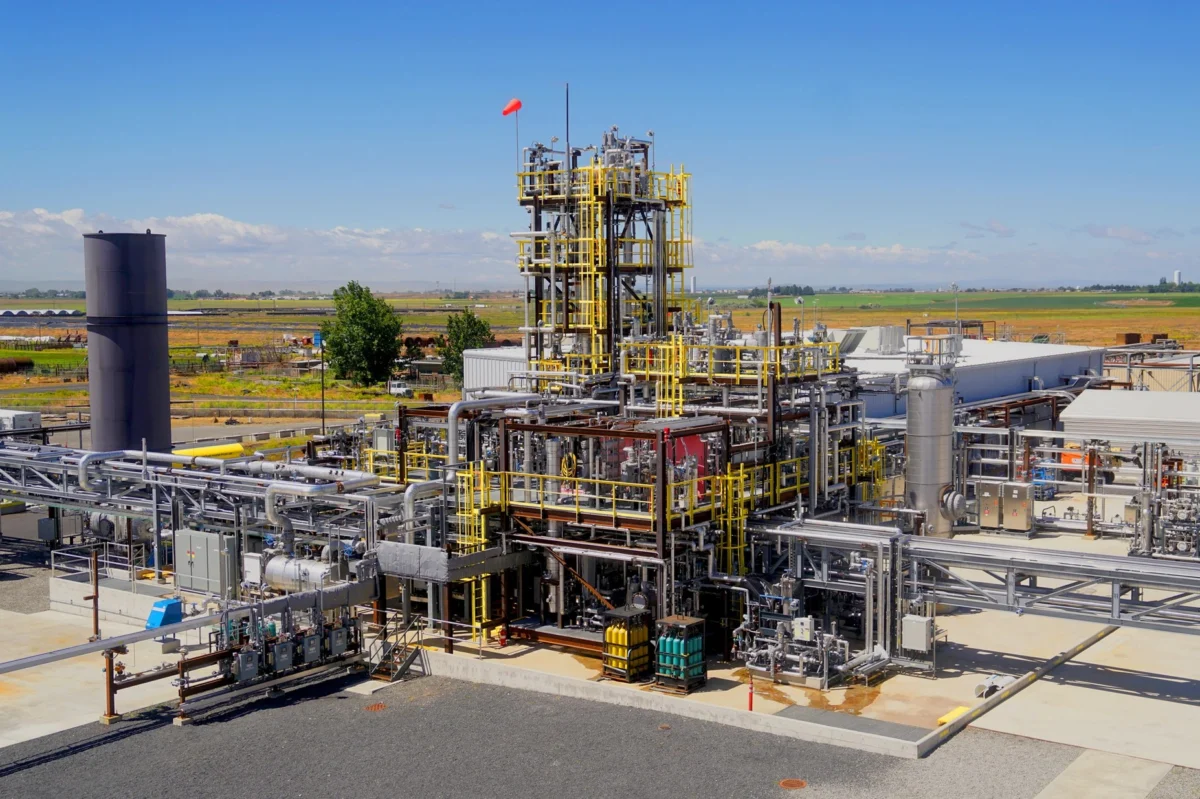
In the quest to decarbonize the global economy, few sectors have proven as stubborn as aviation. While electric vehicles are rapidly transforming ground transportation, the energy density required for long-haul flight has kept the industry tethered to fossil-based kerosene. However, a technological breakthrough in Moses Lake, Washington, is offering a glimpse of a different path—one where the very carbon dioxide currently warming our planet is captured, transformed, and repurposed as high-performance fuel.
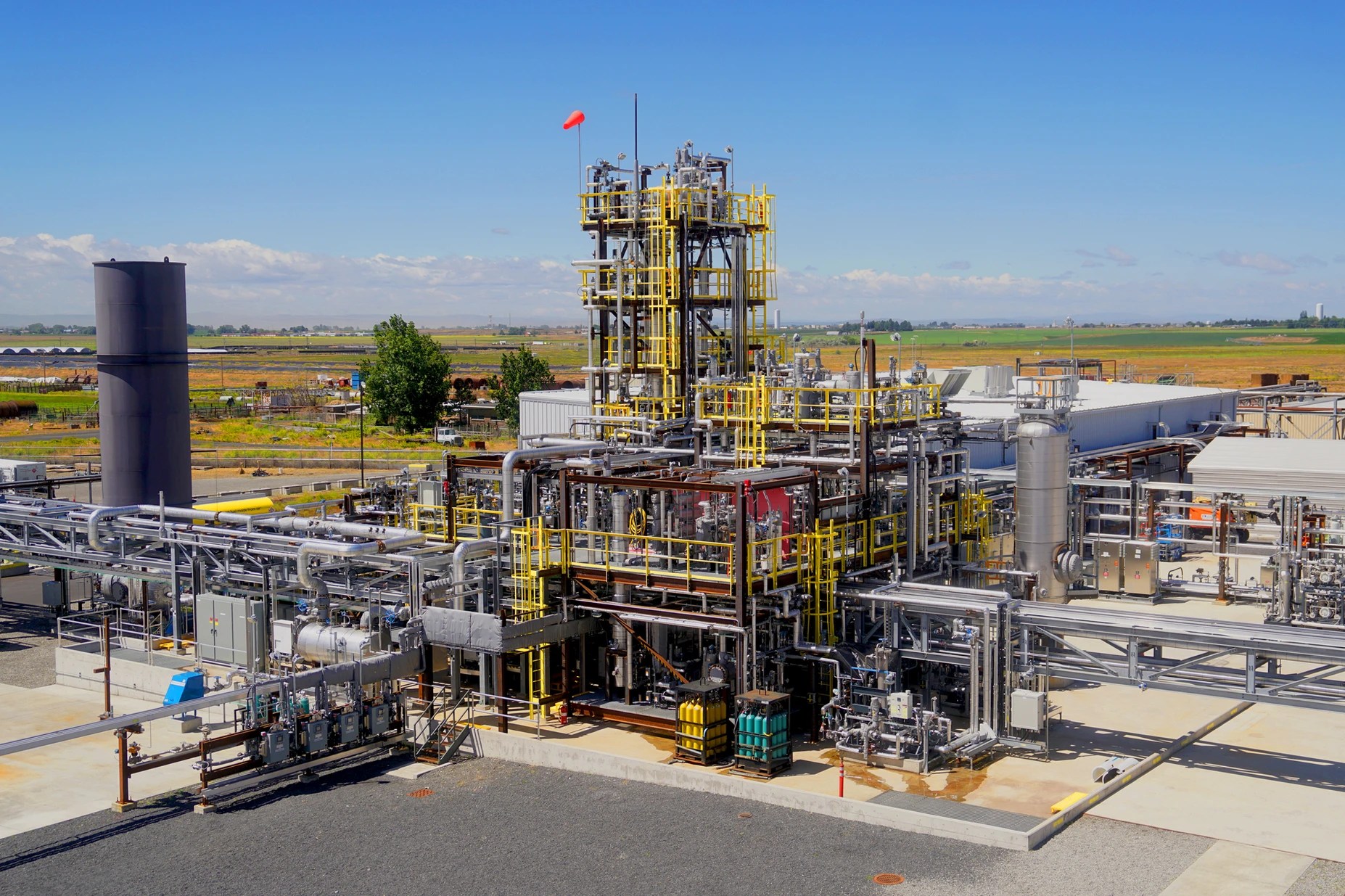
Twelve, a climate-tech startup that has spent a decade refining its proprietary electrochemical process, has officially opened "AirPlant One." This pioneering facility represents the dawn of "eSAF" (electro-sustainable aviation fuel), a synthetic kerosene produced not from biomass or used cooking oil, but from water, renewable energy, and captured CO2. As major corporate entities like Microsoft and Shopify look to neutralize their Scope 3 travel emissions, this facility serves as the first real-world proof-of-concept for a technology that could fundamentally rewire the aviation supply chain.
The Science of Synthesis: How AirPlant One Works
At the heart of Twelve’s facility lies a process that feels more like alchemy than traditional manufacturing. The technology utilizes a proprietary catalyst to perform "power-to-liquid" synthesis. By applying renewable electricity to water and captured CO2, the system breaks the molecular bonds of these inputs, rearranging them into a synthetic gas (syngas). This syngas is then refined into a high-quality drop-in fuel that is chemically indistinguishable from fossil jet fuel, meaning it can be used in existing jet engines without modification.
The environmental impact is significant. Twelve asserts that their eSAF offers a lifecycle emissions reduction of up to 90 percent compared to conventional Jet A-1 fuel. Because the carbon utilized is sourced from atmospheric or industrial capture rather than extracted from the Earth’s crust, the fuel creates a closed-loop system that drastically lowers the carbon intensity of every flight it powers.
A Chronology of Innovation: From Lab Bench to Industrial Scale
The journey to AirPlant One was not overnight. Twelve’s development reflects the arduous path of deep-tech hardware startups:
- 2014–2018: The R&D Phase. Twelve’s founding team spent years in laboratory environments developing the electrochemical CO2 conversion process. This period focused on catalyst efficiency and optimizing the energy-to-fuel conversion ratio.
- 2019–2021: Pilot Validation. The company moved from bench-top prototypes to pilot reactors, proving that the chemical reaction could be sustained at larger scales and that the resulting fuel met international aviation standards (ASTM).
- 2022–2023: Strategic Partnerships. Twelve secured major backing, culminating in a $645 million funding round in 2024. During this time, they formed alliances with Alaska Airlines and secured off-take agreements with major European carriers.
- 2024–2025: Operational Launch. The commissioning of AirPlant One in Moses Lake marks the transition from pilot testing to industrial production. While the initial output is modest, the infrastructure serves as the blueprint for "AirPlant Two," the company’s planned gigawatt-scale facility.
Supporting Data: The Economics of the Energy Transition
While the technology is a marvel of engineering, the economic reality remains the primary hurdle for widespread adoption. AirPlant One is slated to produce approximately 50,000 gallons of eSAF annually. To put this in perspective, Alaska Airlines alone consumed roughly 1.1 billion gallons of fuel in 2025.
The price disparity is even more stark. Industry analysts estimate that eSAF currently commands a premium five to ten times higher than conventional fossil jet fuel. This "green premium" is a barrier that current market forces alone cannot bridge.
Comparative Market Data:
- Carbon Credit Pricing: Credits for sustainable aviation fuels currently range between $100 and $600 per metric ton of CO2 equivalent, depending on the feedstock (e.g., waste lipids vs. synthetic e-fuels).
- Production Targets: Twelve has already signed contracts to supply 260 million gallons of eSAF to five European airlines, signaling a massive leap in demand that justifies their upcoming industrial expansion.
- Regulatory Mandates: The European Union’s RefuelEU program acts as the primary market driver. With a requirement of 2 percent SAF usage in 2025, rising to a mandatory 70 percent by 2050, the regulatory floor is set. Crucially, the sub-mandate for eSAF—starting at 1.2 percent in 2030 and reaching 35 percent by 2050—ensures that synthetic fuels will become a compulsory component of the European aviation market.
Official Perspectives: Navigating the "Hardest First"
The aviation industry is notoriously risk-averse, primarily due to the safety-critical nature of fuel and the narrow margins of airline operations. Ryan Spies, Managing Director for Sustainability at Alaska Airlines, highlighted the immense difficulty of scaling this technology. "It’s always so hard to get the first of anything built," Spies remarked. "And in the fuel space, it’s probably ten times harder."
For airlines, the challenge is not just technical but reputational and financial. By partnering with companies like Microsoft and Shopify, airlines are creating a "book-and-claim" system. In this model, corporate partners pay the premium for eSAF, receiving carbon credits that offset their Scope 3 business travel emissions. This financial support is the oxygen that keeps projects like AirPlant One alive until the cost curve can be flattened through economies of scale.
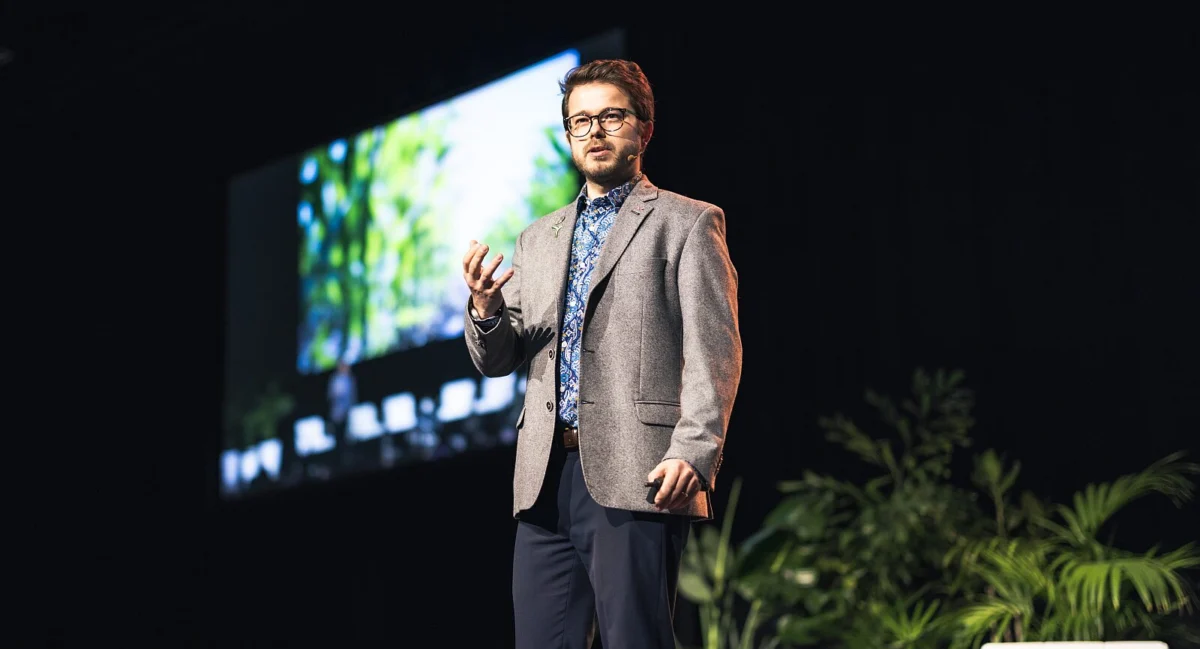
Nicholas Flanders, CEO and co-founder of Twelve, views the current high cost as a temporary phase of the "experience curve." Just as solar and wind energy were once prohibitively expensive before mass production drove costs down by over 90 percent, Flanders believes that scaling to "AirPlant Two" and beyond will make eSAF a competitive alternative to fossil fuels.
Implications for the Future of Aviation
The opening of the Moses Lake facility carries profound implications for the future of global transit:
1. The Death of the "Drop-in" Constraint
Because eSAF is a "drop-in" fuel, the global aviation fleet does not need to be replaced. This is a massive economic advantage over hydrogen or electric-powered flight, which would require entirely new aircraft designs and airport infrastructure. By using the existing pipeline of pumps, tankers, and jet turbines, eSAF offers a path to near-term decarbonization.
2. Corporate Responsibility and Scope 3
For tech giants like Microsoft and Shopify, the ability to fund eSAF provides a concrete way to address the carbon footprint of their employees’ travel. By moving beyond traditional carbon offsets—which are often criticized for their lack of "additionality"—these companies are directly subsidizing the creation of the fuel that will replace the kerosene they currently consume.
3. The Industrialization of Carbon Capture
Twelve’s model turns CO2 from a liability into a commodity. This incentivizes the expansion of direct air capture (DAC) and industrial carbon capture technologies. As the demand for eSAF grows, so too will the demand for high-purity CO2, potentially creating a new "carbon economy" where atmospheric cleaning is funded by the aviation sector.
4. Regulatory Shifts
The EU mandates are a bellwether for the rest of the world. As governments realize that biofuels (derived from land-use-intensive crops) have limited supply and potential ecological downsides, they will likely shift their focus toward synthetic e-fuels. Twelve is positioning itself at the center of this shift, ensuring that when global demand spikes in the 2030s, the technological infrastructure will be ready to meet it.
Conclusion: A Milestone in a Long Journey
The launch of AirPlant One is not the finish line; it is the starting block. Producing 50,000 gallons is a symbolic victory that proves the chemical process works at an industrial level. However, the true test lies in the next decade of scaling. To achieve net-zero aviation by 2050, the industry must transition from thousands of gallons to billions.
The partnership between Twelve, Alaska Airlines, and corporate buyers like Microsoft underscores a vital reality of the green transition: innovation requires collaboration. It requires the courage to invest in "first-of-a-kind" technology that is currently expensive, the foresight to create regulatory frameworks that demand change, and the persistence to turn the CO2 in our air into the fuel that keeps the world moving. While the road ahead is steep, the successful operation of a plant that turns thin air into energy is a testament to the fact that, when it comes to climate change, we are no longer just theorizing—we are building.

 Laily UPN
 Pevita Pearce