
 Dwi Wanna
 Nana Wu
 Muslim
 Reynand Wu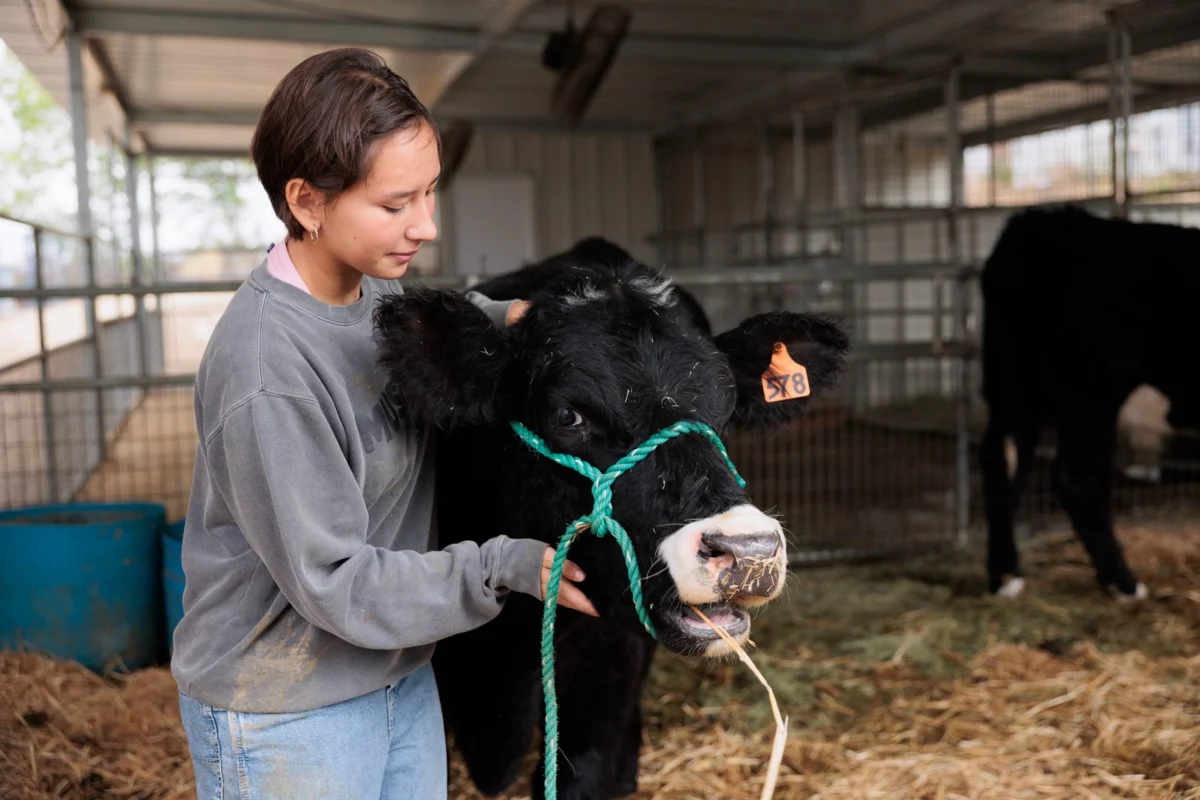
 Ammar Sabilarrohman
 Ali Ikhwan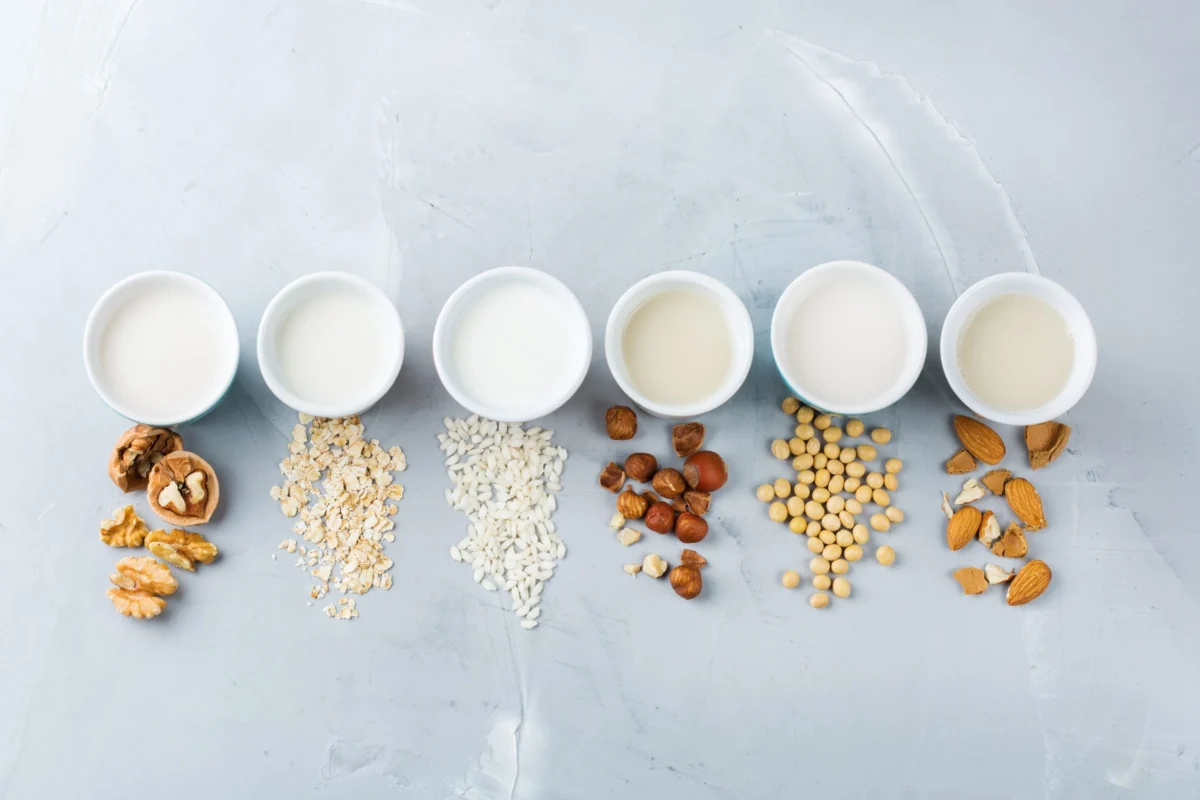
Date: June 10, 2026
Subject: Nutritional Evolution and Environmental Stewardship
For decades, dairy has been positioned as a cornerstone of the modern diet, often marketed as an essential pillar of health. However, as scientific research deepens and environmental awareness reaches a fever pitch, a significant cultural shift is underway. Transitioning away from dairy is no longer viewed as a fringe dietary choice; it is increasingly recognized as a proactive measure for personal health, ecological preservation, and animal welfare.
The Paradigm Shift: Why Dairy is Being Left Behind
The move toward plant-based alternatives is supported by a growing body of evidence suggesting that the traditional reliance on cow’s milk is unnecessary and potentially detrimental.
Health Implications: Beyond the Calcium Myth
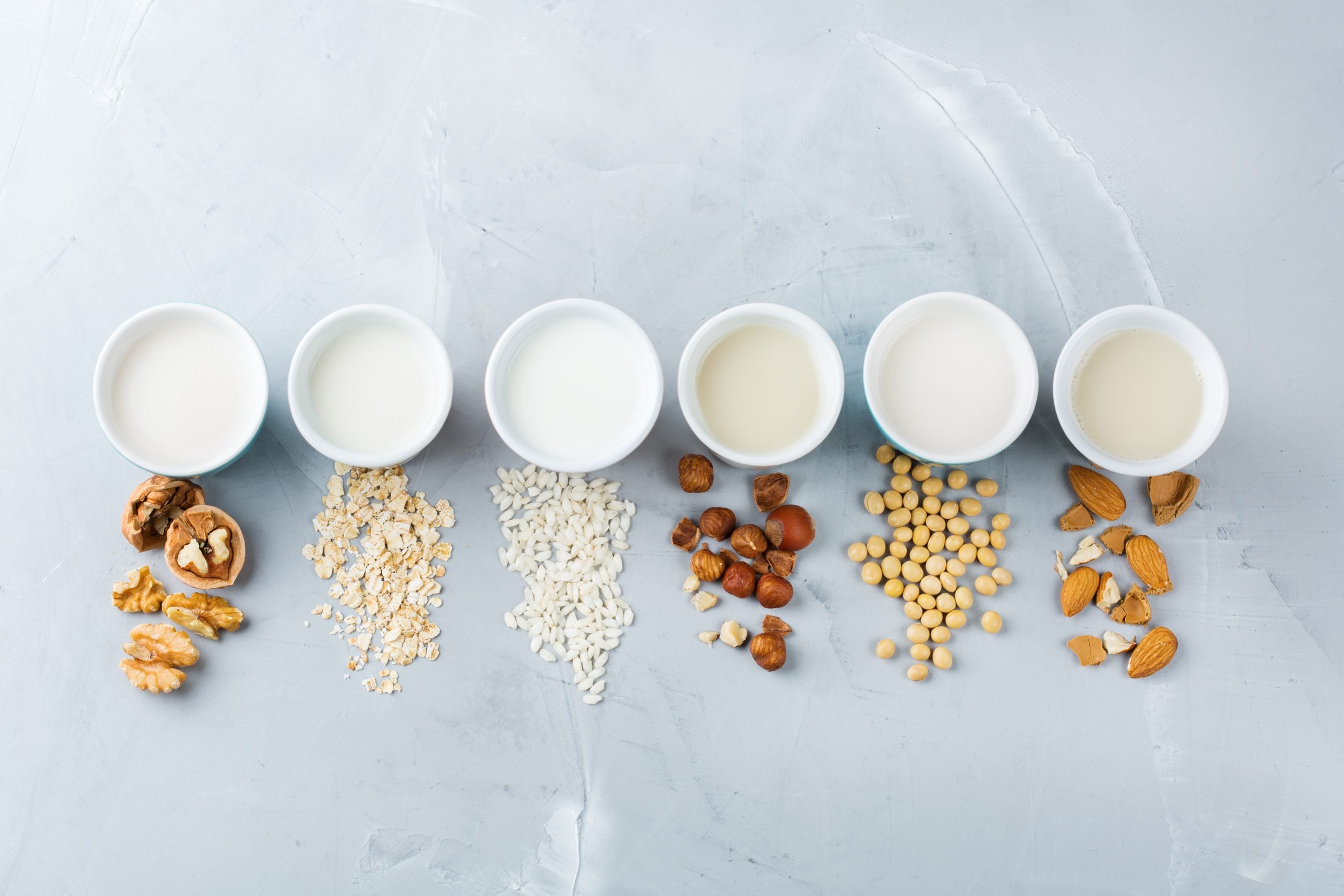
While society has long been conditioned to equate dairy with strong bones and essential nutrition, the reality is more nuanced. Dairy products are frequently high in saturated fats and cholesterol, both of which are documented contributors to cardiovascular disease—the leading cause of mortality in the United States. Furthermore, plant-based alternatives—such as those derived from oats, almonds, soy, and coconuts—are naturally free of cholesterol and often lower in saturated fats. Modern, fortified plant milks are carefully engineered to provide equivalent, if not superior, levels of calcium, vitamin D, and B12, effectively dismantling the argument that dairy is the only path to nutritional adequacy.
Environmental Stewardship: The Carbon Cost of Milk
The environmental footprint of the dairy industry is substantial. Compared to plant-based milk production, dairy farming requires significantly more land, consumes vast quantities of water, and serves as a major source of greenhouse gas emissions. As climate change continues to alter global landscapes, consumers are recognizing that individual dietary changes—such as replacing dairy with plant-based alternatives—are among the most effective personal actions to reduce one’s individual carbon footprint.
Ethical Considerations: The Reality of Production
At the heart of the dairy industry lies a cycle of production that is increasingly at odds with public values regarding animal welfare. Dairy cows must be impregnated to produce milk, and the resulting calves are typically separated from their mothers shortly after birth. This cycle, which repeats throughout the cow’s productive life, involves significant emotional and physical stress for the animals. By opting for plant-based alternatives, consumers are voting with their wallets to spare countless animals from this systemic hardship.
Chronology of the Plant-Based Evolution
The ascent of non-dairy alternatives has not happened overnight. It is the result of decades of innovation and shifting consumer consciousness:
- 1990s – Early 2000s: Plant milks are relegated to niche health food stores, primarily marketed to those with lactose intolerance or severe allergies.
- 2010 – 2015: The "Milk Alternatives" category begins to go mainstream. Almond and soy milk move from the health aisle to the main refrigeration units in traditional grocery chains.
- 2016 – 2020: Innovation accelerates. The rise of oat milk, known for its creamy texture and lower environmental impact, triggers a massive surge in demand. Large-scale food companies begin acquiring vegan brands.
- 2021 – 2025: The "Second Wave" of plant-based products arrives. Beyond simple milks, the market sees a proliferation of high-quality plant-based cheeses, yogurts, and butter substitutes that mimic the organoleptic properties (taste and texture) of their animal-based counterparts.
- 2026 and Beyond: Plant-based eating is normalized. With widespread availability and price parity approaching, the barrier to entry has never been lower.
10 Strategic Ways to Replace Dairy
Transitioning to a dairy-free lifestyle does not require an "all or nothing" approach. The following 10 strategies provide a roadmap for a smooth, delicious, and sustainable transition.
1. Diversify Your Milk Cabinet
Don’t settle for the first plant milk you try. From the richness of oat and cashew to the protein-forward profile of soy, there is a milk for every application. Use creamy oat milk for coffee and almond milk for cereal. Many popular breakfast cereals are already vegan—simply swap the cow’s milk for your favorite plant-based blend.
2. Upgrade Your Morning Coffee
The "creamer" category has been revolutionized. Brands like Califia Farms, Silk, and Nutpods offer velvety, dairy-free alternatives that froth and blend perfectly. If you prefer a simpler route, try a splash of coconut oil or a high-quality maple syrup to add depth and sweetness to your morning brew.
3. Embrace Plant-Based Yogurt
The yogurt aisle is no longer limited to dairy. Today’s options—made from coconut, almond, and even oat milk—are remarkably close to traditional textures. Brands like Kite Hill and So Delicious offer wide arrays of flavors. For the adventurous, DIY yogurt using plant milk and a thickening agent like agar-agar is a rewarding and cost-effective home project.
4. Tangy and Rich: The Cream Cheese Alternative
Bagel lovers no longer have to compromise. With options from Violife and Tofutti, you can enjoy a rich, spreadable cream cheese that mimics the tanginess of traditional dairy. These products are ideal for breakfast, lunch, or as a base for dips.
5. The Butter Standard
Whether you are baking cookies, sautéing vegetables, or spreading it on toast, vegan butter brands like Earth Balance provide the fat content and flavor profile necessary to succeed in the kitchen without the need for animal-derived ingredients.
6. The Dessert Evolution
Dairy-free ice cream has moved from icy sorbets to decadent, cream-filled pints. With major brands like Ben & Jerry’s, Breyer’s, and Talenti now offering dedicated non-dairy lines, indulgence has never been more accessible or more compassionate.
7. Mastering the "Melty" Factor: Cheese Substitutes
The "holy grail" of vegan cooking—a melty, stretchy pizza cheese—is now a reality. Using shredded options from Daiya, Follow Your Heart, or Simple Truth, you can recreate your favorite comfort foods like quesadillas and grilled cheese sandwiches. These products are designed to melt and bubble just like dairy cheese.
8. Elevating Pasta Sauces
Fettuccine Alfredo and lasagna do not need to be off-limits. By blending soaked cashews with nutritional yeast, garlic, and water, you can create a luxurious, protein-rich Alfredo sauce. Alternatively, use silken tofu as a creamy base for carbonara-style dishes.
9. The Nutritional Yeast Advantage
Often referred to as "nooch," nutritional yeast is a staple for the plant-based chef. It provides a savory, nutty, "cheesy" flavor that is indispensable for seasoning popcorn, pasta, and roasted vegetables. It is also a fantastic source of B12 and fiber.
10. The One-Swap Commitment
The most sustainable change is one that lasts. Start small: choose one product to swap this week. Whether it’s your morning creamer or your pizza topping, consistency is key. By focusing on one change at a time, you allow your palate to adjust, eventually leading to a fully integrated, compassionate lifestyle.
Official Responses and Implications
Industry analysts and nutritionists are increasingly taking note of this transition. While traditional dairy lobbies continue to push for the labeling of dairy as a unique health product, the academic consensus is shifting toward the benefits of whole-food, plant-based diets.
"The transition away from dairy is a multi-faceted improvement," says Dr. Elena Vance, a nutritionist specializing in plant-based diets. "When we move toward plant-based alternatives, we aren’t just cutting out saturated fat and cholesterol; we are actively choosing to support a food system that is more resilient and less taxing on our finite natural resources."
The implications of this shift are profound. If current trends continue, the reduction in demand for dairy will lead to a significant decline in agricultural land use, allowing for reforestation and biodiversity efforts. On a personal level, individuals report feeling "lighter" and more energetic, often citing the elimination of digestive issues associated with lactose sensitivity.
Conclusion: A Future of Choice
We are currently living in a golden age of food innovation. The "sacrifice" of leaving dairy behind is effectively a myth—a holdover from a time when options were limited. Today, we have the power to curate our diets in a way that reflects our values, our health goals, and our responsibility to the planet.
As you explore these 10 tips, remember that every choice you make has a ripple effect. Whether you choose to download a guide to plant-based living or simply pick up a different brand of milk on your next grocery run, you are contributing to a global shift toward a more sustainable and compassionate future. The power to change the world—and your health—is in your hands, one meal at a time.

 Sagoh
Sagoh