

 Dwi Wanna
 Nana Wu
 Muslim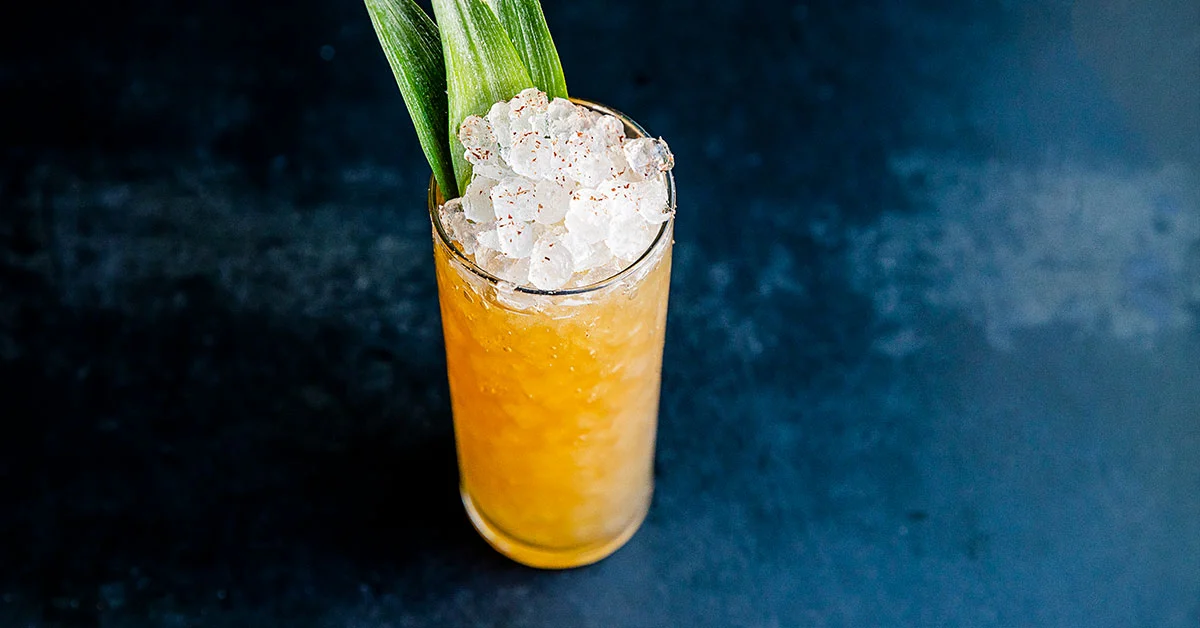
 Reynand Wu
 Ammar Sabilarrohman
 Basiran
Vibrant in hue and intoxicating in scent, lavender has transcended its traditional role as a staple of potpourri and aromatherapy to become a powerhouse in the modern kitchen. With its complex profile—balancing floral sweetness with subtle notes of mint, citrus, and earth—lavender has emerged as a culinary darling, capable of elevating both delicate desserts and robust savory entrees. As we welcome the peak of summer, when these fragrant purple spikes reach their full bloom, home cooks and professional chefs alike are finding new ways to harness this botanical treasure.

The Evolution of Lavender in the Kitchen: A Historical Perspective
While the current surge in lavender-infused recipes might feel like a contemporary trend, the use of this herb in the culinary arts is deeply rooted in history. For centuries, the Lavandula genus—particularly those species native to the Mediterranean—has been prized for its bouquet of benefits. Historically, it was a cornerstone of "herbes de Provence," a classic French blend that brought a touch of the countryside to roasted meats and stews.

In the mid-20th century, the culinary application of lavender began to diversify. Chefs in the South of France and later across the globe began experimenting with the flower’s essential oils, recognizing that its camphor-heavy profile could provide a necessary counterpoint to rich, fatty ingredients like cream, butter, and lamb. Today, we are witnessing a "Lavender Renaissance," where the focus has shifted from simple herb blends to sophisticated infusions, delicate baking applications, and avant-garde cocktail mixology.

Understanding Culinary Lavender: Essential Tips for Success
Cooking with lavender is an exercise in restraint. Because the herb is highly aromatic, it possesses a "perfume" quality that, if used in excess, can transform a dish from a gourmet experience into one that tastes like soap.

Selecting Your Source
The most critical rule of culinary lavender is provenance. Never use lavender bouquets purchased from florist shops or garden centers unless they are explicitly labeled "culinary grade." Ornamental lavender is frequently treated with systemic pesticides, fungicides, and synthetic fertilizers that are not intended for human consumption. Culinary lavender must be organically grown and harvested specifically for the pantry.

The Importance of Variety
Not all lavender is created equal. The genus Lavandula contains dozens of species, but the vast majority are high in camphor, which results in a medicinal, bitter flavor profile. For the kitchen, one should exclusively look for Lavandula angustifolia (English Lavender). Specifically, varieties such as ‘Munstead’ or ‘Hidcote’ are the gold standard. They offer a lower camphor content and a higher concentration of the sweet, floral notes that home cooks crave.

Precision in Application
When transitioning between fresh and dried lavender, remember that the drying process concentrates the essential oils. As a rule of thumb, use fresh lavender in a 3:1 ratio compared to dried. If a recipe calls for one teaspoon of dried buds, you would use approximately one tablespoon of fresh flowers. Furthermore, always ensure the leaves are removed; the flavor of lavender resides almost entirely in the floral buds.

The Culinary Palette: Pairing Lavender with Other Flavors
To master lavender, one must understand its affinities. The herb excels when paired with ingredients that can ground its soaring floral notes:

- Dairy: The high fat content of butter, heavy cream, mascarpone, and goat cheese (chèvre) acts as a perfect solvent for lavender’s volatile oils, creating a luxurious mouthfeel.
- Citrus: Lemon and lime provide the necessary acidity to cut through the floral intensity, resulting in a balanced, bright finish.
- Honey: This is perhaps the most natural pairing. The earthy, complex sugars of honey mirror the nectar-like quality of the lavender blossom.
- Stone Fruits and Berries: Apricots, peaches, and blueberries find a sophisticated partner in lavender, which highlights the natural sweetness of the fruit while adding an herbal complexity.
- Chocolate: Dark chocolate, in particular, benefits from a "lavender kiss." The bitterness of high-cacao chocolate prevents the lavender from overwhelming the palate.
A Seasonal Menu: Starters, Mains, and Savory Delights
The versatility of lavender allows it to anchor a meal from the first course to the final sip.

Innovative Starters
One of the most refreshing ways to introduce lavender is through chilled soups. A Lavender Melon Gazpacho replaces the traditional tomato-and-cucumber base with sweet, ripe cantaloupe, using a lavender-infused simple syrup to create a bridge between the fruit’s sweetness and the savory elements of onion and olive oil.

For those looking for an impressive appetizer, Fire-Melted Honey and Lavender Triple Crème Cheese is an essential. By melting a soft-rind cheese over fig leaves and topping it with fresh blossoms, you create a dish that is visually stunning and texturally indulgent.

Elevating the Main Course
Lavender is a traditional companion to gamey meats. In Lavender Roast Chicken, the herb is tucked under the skin with butter and lemon slices. As the chicken roasts, the lavender oils infuse the meat, resulting in a dish that is deeply aromatic. Similarly, St. Rémy Provençal-Style Grilled Lamb Skewers utilize a lavender-honey butter baste to neutralize the intensity of the lamb, leaving behind a subtle, sophisticated finish that elevates the dish to restaurant-quality.

Sweets, Pastries, and the Art of Baking
In the realm of desserts, lavender is a transformative agent. It turns the mundane into the memorable.

Scones, Breads, and Pastries
The Honey Lavender Scone has become a staple of boutique bakeries, but the home cook can achieve even better results by using high-quality local honey. For a more adventurous bake, Lavender Banana Bread offers an unexpected twist; the floral notes break up the density of the banana, creating a lighter, more complex crumb.

The Cookie and Tart Collection
Shortbread is the ideal vessel for lavender. The butter-heavy dough absorbs the scent of the buds beautifully. Lemon-Lavender Shortbread Cookies rely on the interaction between citrus zest and floral buds, while Lavender Icebox Cookies allow you to prepare dough ahead of time, ensuring you have a gourmet snack ready at a moment’s notice.

For those who enjoy a challenge, Lavender Rose Baklava is a showstopper. By infusing the honey syrup with both dried rose petals and lavender, the result is a Middle Eastern classic with a modern, floral elegance.

Condiments: The Pantry of the Future
If you find yourself with an abundance of lavender, creating shelf-stable condiments is an excellent way to extend the summer season.

- Blueberry Lavender Jam: This preserve is the pinnacle of summer canning. By incorporating a homemade lavender extract—created by soaking culinary buds in high-proof vodka for two weeks—you ensure the flavor is potent and consistent.
- Edible Flower Compound Butter: A simple mixture of softened butter, honey, and lavender, rolled into a log and chilled, is the perfect finishing touch for a summer brunch. It melts beautifully over warm biscuits, grilled salmon, or steamed asparagus.
- Strawberry Lavender Syrup: This is the "Swiss Army Knife" of the lavender kitchen. It can be drizzled over yogurt, stirred into morning coffee, or used as a base for soda water.
The Mixologist’s Secret: Lavender in Drinks
No modern garden party is complete without a lavender-forward beverage. The herb’s ability to pair with spirits—particularly gin and vodka—is unmatched.

The Sophisticated Cocktail
The Lavender Gin Sour is a masterclass in balance. The egg white provides the froth, the lemon juice provides the structure, and the lavender-infused gin provides the soul. For something more modern, the "Lovely Linda" cocktail, which utilizes butterfly pea flower for color and lavender for aroma, creates a visual experience that is as impressive as its taste.

Refreshing Zero-Proof Options
Lavender is equally effective in non-alcoholic beverages. A Zero-Proof Lavender Lemon Fizz uses high-quality non-alcoholic gin alternatives and a house-made lavender simple syrup to create a complex drink that satisfies the adult palate without the need for alcohol. Similarly, the Cherry Lavender Lime Mocktail Spritzer provides a vibrant, colorful drink that highlights the tartness of cherries and the coolness of lime, perfectly countered by the calming essence of lavender.

Implications for the Home Cook
The culinary adoption of lavender represents a broader shift in home cooking toward "botanical gastronomy." It encourages the cook to look beyond the spice rack and into the garden, recognizing that the plants we traditionally associate with beauty and fragrance often have a place on the dinner plate.

As you embark on your own lavender-infused culinary journey, keep the primary lesson in mind: subtlety is your greatest asset. Treat lavender as a seasoning, not a base ingredient. By starting with small amounts and building toward your preferred profile, you will find that this summer bloom is one of the most versatile tools in your kitchen. Whether you are roasting a chicken for a Sunday dinner or shaking up a cocktail for a Friday evening, the addition of lavender ensures that the meal is not just eaten, but experienced.

This summer, don’t just admire the lavender in your garden—harvest it, dry it, and let it redefine your cooking. The result will be a season of meals that are as aromatic as they are delicious.


 Sagoh
Sagoh