 Dwi Wanna
 Nana Wu
 Muslim
 Reynand Wu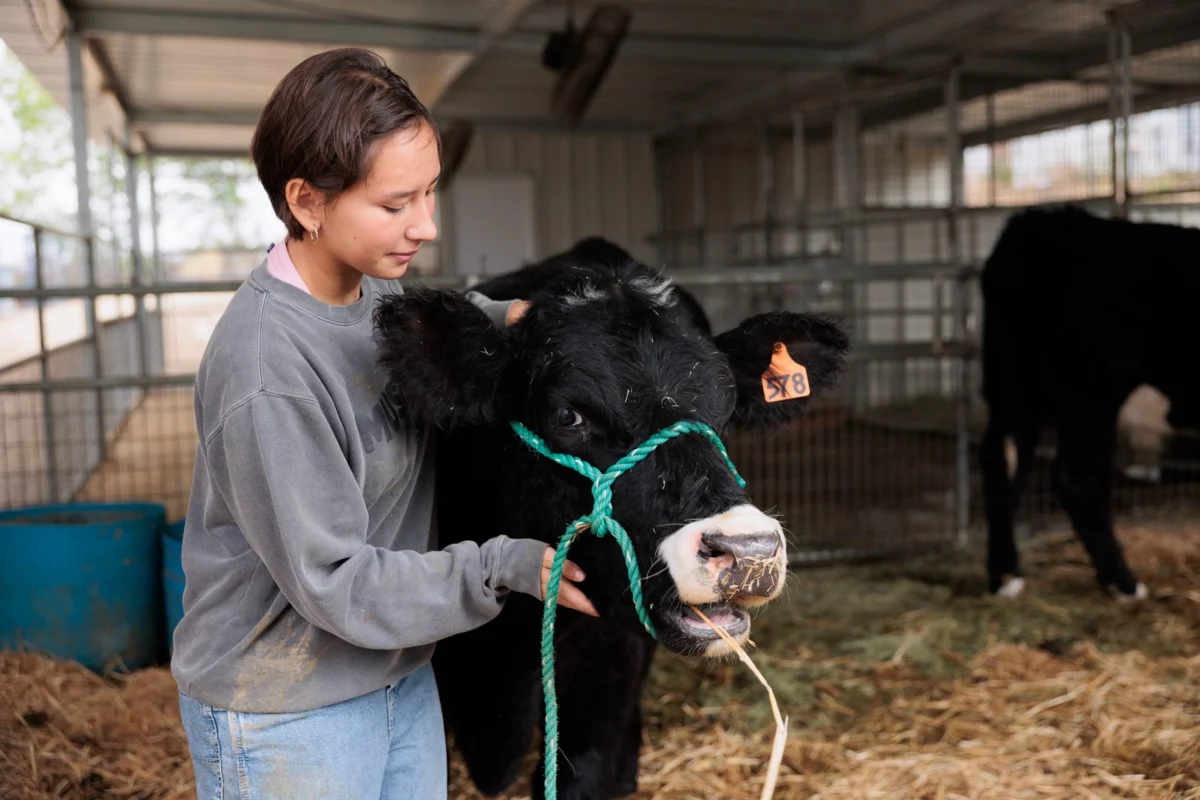
 Ammar Sabilarrohman
 Evan Lee Salim
By Editorial Staff | June 8, 2026
For four decades, Farm Sanctuary has served as a sanctuary for animals rescued from the harsh realities of industrial agriculture. Beyond providing safety and rehabilitation, the organization has acted as a quiet laboratory for the observation of animal behavior in naturalistic settings. Now, in a move that promises to redefine the way the public perceives farm animals, Farm Sanctuary has officially launched its "Community Science Project," an ambitious initiative that invites the global public to contribute to academic-grade research on bovine social intelligence.
Main Facts: A New Frontier in Animal Ethology
The Community Science Project is not merely an outreach program; it is a rigorous attempt to gather high-quality observational data on how cows form relationships, resolve conflicts, and communicate when they are not confined by the restrictive, high-stress environments of factory farming.
For years, mainstream agricultural research has been criticized for being skewed by the very environments it studies—cramped, artificial, and devoid of natural social dynamics. Farm Sanctuary is flipping this script. By utilizing live-streaming technology via their partnership with Explore.org, they are enabling volunteers from across the globe to act as researchers. These volunteers are tasked with observing, logging, and analyzing the daily social behaviors of the sanctuary’s residents.
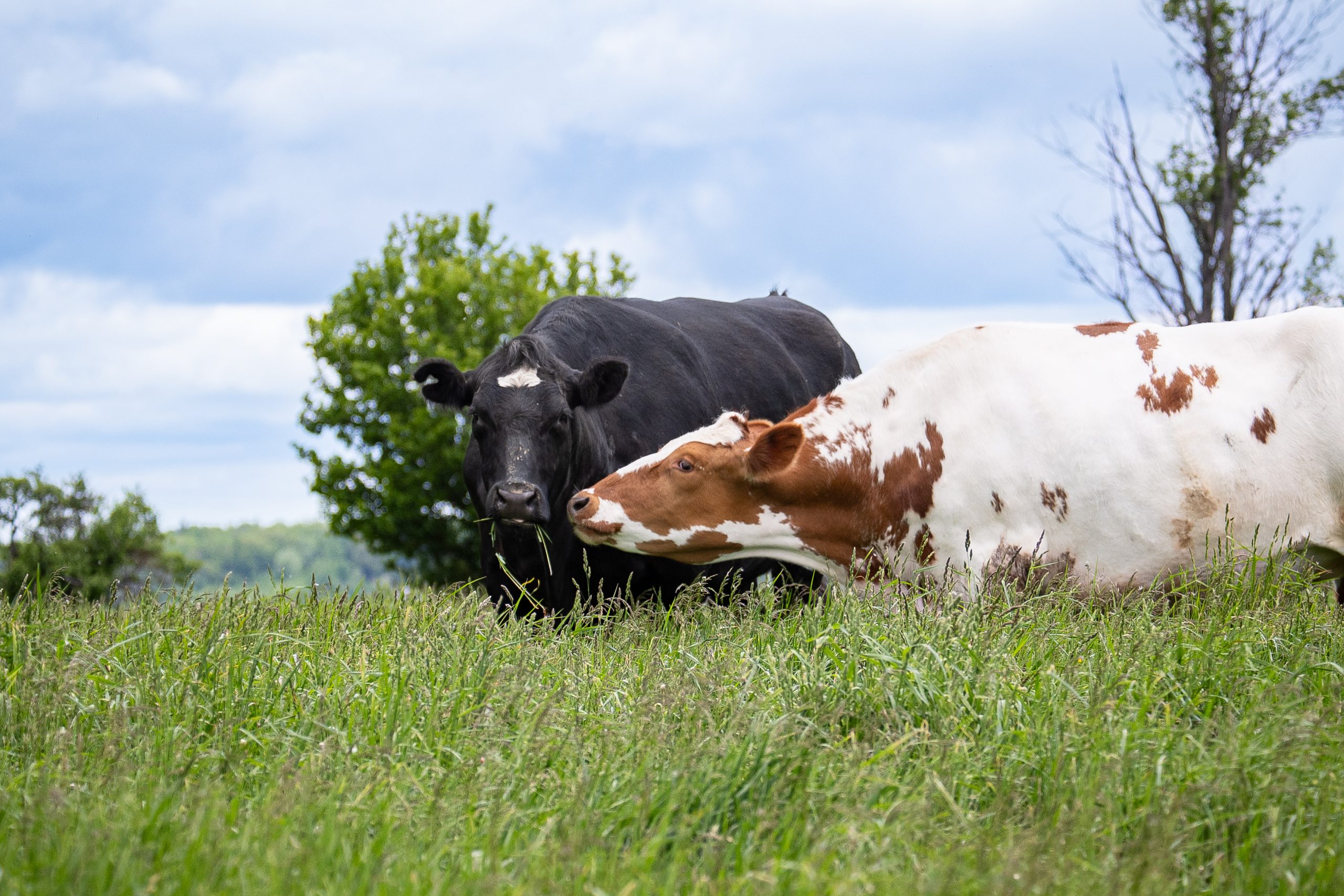
The core objective is simple yet profound: to document the complex social lives of cows, proving that these animals possess individual personalities, strong preferences for companions, and a sophisticated capacity for emotional connection. By decentralizing the data collection process, Farm Sanctuary is not only gathering a massive amount of observational information but is also democratizing the scientific process itself.
Chronology: The Evolution of a Vision
The path to this project began long before the launch date of June 8, 2026.
- 1986–2025: The Observational Foundation: For 40 years, Farm Sanctuary caregivers and researchers have recorded thousands of hours of anecdotal evidence regarding the bonds formed between cattle. These internal records served as the hypothesis for the current project: that cows form long-lasting, intentional, and affectionate social bonds.
- Early 2026: The Pilot Phase: Sanctuary leadership and research staff began testing the feasibility of remote data collection. Using the existing Explore.org camera network, they assessed whether untrained volunteers could provide data that met scientific standards.
- June 2026: Phase 1 Launch: The project officially opened to the public. This phase focuses on live-time observations of the cow barn and pastures, with volunteers logging "noteworthy behaviors" through a standardized survey tool.
- Fall 2026: Phase 2 Projections: The project is scheduled to transition into a deeper analytical phase, utilizing the Zooniverse platform. This will allow volunteers to process historical video footage, contributing to a longitudinal study that spans several months or even years of bovine social history.
Supporting Data: Why "Naturalistic" Research Matters
The fundamental issue with traditional agricultural science is the "observer effect" and the "environment effect." When animals are kept in feedlots or intensive dairy facilities, their behaviors are largely dictated by the struggle for survival, space, and resources.
Research suggests that when cattle are given the freedom to choose their companions, they exhibit behaviors similar to those found in other highly intelligent, social mammals, such as elephants or primates. These include:
- Affiliative Bonding: Cows have been shown to develop "best friends," spending the majority of their time in close proximity, grooming one another, and showing distress when separated.
- Conflict Resolution: Contrary to the belief that cattle are simple-minded, they utilize complex body language and vocalizations to navigate social hierarchies without resorting to aggression.
- Play Behavior: Even in adulthood, cows under safe, unpressured conditions have been observed engaging in "play," a sign of high cognitive function and emotional well-being.
By collecting data from a diverse group of participants, Farm Sanctuary aims to build a dataset that is robust enough to withstand academic scrutiny, eventually seeking publication in peer-reviewed journals to influence wider conversations on animal welfare and ethics.
Official Perspectives: Inside the Mind of the Sanctuary
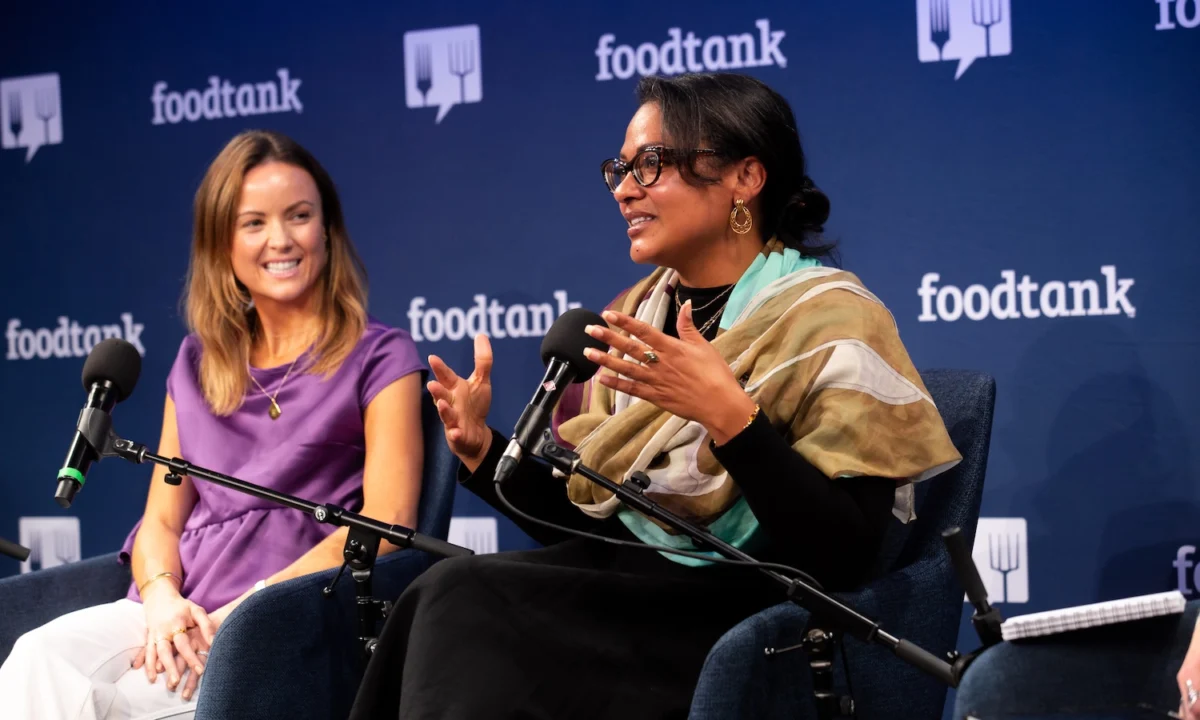
Sasha Prasad-Shreckengast, the Research and Education Manager at Farm Sanctuary, has been a driving force behind this initiative. In a recent interview, Prasad-Shreckengast highlighted that the project is designed to bridge the gap between "sanctuary science" and mainstream behavioral biology.
"We are essentially asking the public to help us prove what we already see every day," Prasad-Shreckengast noted. "When people watch these cows, they don’t just see livestock. They see individuals with agency. By inviting people to record their observations, we are moving from emotional appeal to empirical validation. We want to show the world that these animals have complex social lives that are worthy of respect."
The integration of the Explore.org live cams is critical here. It removes the barrier of physical geography. A student in Europe, a retiree in South America, and a worker in North America can all contribute to the same dataset, providing a 24/7 observation window that would be impossible for a small team of on-site researchers to manage alone.
Implications: A Shift in Societal Perception
The implications of this project extend far beyond the walls of the sanctuary. If the data gathered by the Community Science Project consistently demonstrates high levels of bovine social intelligence, it creates a powerful moral argument against the industrial practices that systematically disrupt these bonds.
1. Influencing Policy and Public Opinion
If the public can see for themselves—through their own participation—that a cow is a sentient being capable of forming deep, meaningful friendships, the societal "numbness" toward factory farming begins to erode. This project is a form of soft activism, where the participant becomes a co-creator of knowledge rather than a passive consumer of information.
2. Redefining "Livestock"
The terminology we use defines our treatment of others. By moving the discourse toward "social intelligence" and "individual behavior," the project challenges the label of "livestock." It forces the observer to acknowledge the individual behind the species.
3. Creating a New Model for Citizen Science
Farm Sanctuary is providing a blueprint for other animal welfare organizations. By utilizing Zooniverse and live-stream technology, they are demonstrating that large-scale, non-invasive research is not only possible but highly engaging for the public. This could lead to a wave of similar projects focusing on pigs, sheep, and other animals commonly overlooked in behavioral studies.
How to Get Involved
The project is designed to be accessible. Whether a volunteer has ten minutes or an hour, their input is valuable. The survey tool is intuitive, allowing for quick logging of behaviors such as grooming, play, or communal resting.
As Phase 1 continues throughout June, the sanctuary is calling for a "citizen science corps" to help maximize the data yield. Interested individuals can sign up through the Farm Sanctuary website, where they will find resources, tutorials on how to identify specific behaviors, and a guide to the current herd members they will be observing.
"We are at the beginning of a paradigm shift," says the Farm Sanctuary team. "By turning our screens into windows of discovery, we are changing how we see the world—and more importantly, who we see in it."
As the project moves toward its Phase 2 launch this fall, the data collected will be aggregated to provide a clearer, more scientific picture of what happens when cows are given the one thing they are rarely afforded in the modern world: the freedom to be themselves. This is not just a study of cows; it is a study of empathy, curiosity, and the enduring power of the human-animal bond.

 Sagoh
Sagoh