

 Reynand Wu
 Sagoh
Sagoh
 Basiran
 Evan Lee Salim
 Jia Lissa
 Lina Hope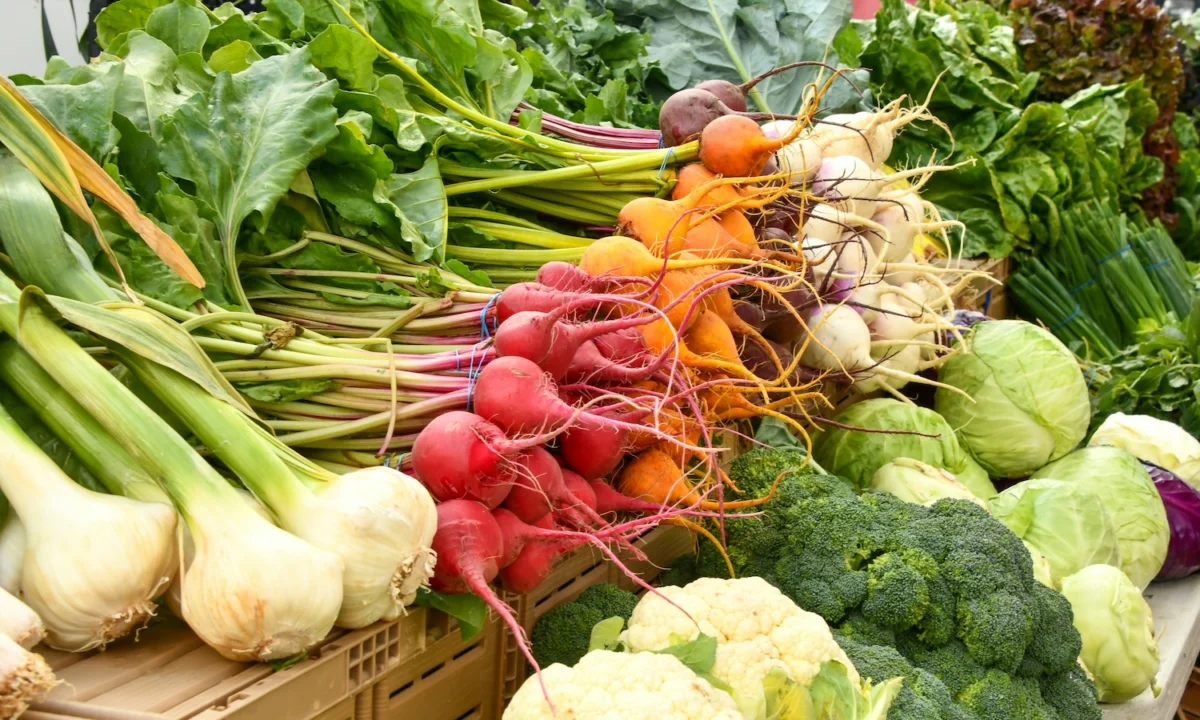
In the heart of the nation’s capital, a quiet revolution is taking root. FRESHFARM, a Washington D.C.-based nonprofit, is systematically dismantling the barriers that separate small-scale farmers from the broader marketplace and, in turn, separating low-income families from the fresh, nutrient-dense food they need to thrive. By managing one of the largest farmers market networks in the United States and pioneering innovative food hubs, the organization is attempting to redesign the regional food system from the ground up.
However, as the organization scales its impact, its leadership faces a deepening paradox: while the current national political rhetoric increasingly acknowledges the inextricable link between nutrition and public health, the tangible federal support for the programs that facilitate this link is evaporating.
The Architecture of a Modern Food System
At the center of FRESHFARM’s strategy is a two-pronged approach: strengthening the economic viability of local agriculture and democratizing access to the resulting harvest. Executive Director Cat Oakar, who joined the organization following a high-level tenure as Special Assistant to the President for Public Health and Disparities during the Biden-Harris administration, views the organization not merely as a market operator, but as a critical piece of community infrastructure.
The Food Hub Model
A significant portion of FRESHFARM’s work is dedicated to its food hub—a logistical and strategic intermediary designed to solve the “wholesale problem.” Many small and mid-sized farmers struggle to penetrate mainstream grocery supply chains, which often demand volumes and logistical capabilities that individual family farms cannot provide.
“Our food hub is really all about providing farmers, especially small and mid-sized farmers, an opportunity to get into the wholesale market,” Oakar explains. By aggregating produce from multiple local farms, FRESHFARM allows institutions—including nonprofits, school systems, and healthcare providers—to purchase fresh, local produce that would otherwise be logistically inaccessible. This creates a predictable revenue stream for farmers while ensuring that high-quality, seasonal food reaches populations that are traditionally underserved.
Market Access and Equity
The organization’s farmers market network serves as the public-facing engine of its mission. Beyond the transactional nature of buying vegetables, Oakar characterizes these markets as “essential community infrastructure.” In an era of increasing social isolation and the erosion of “third spaces,” FRESHFARM markets act as town squares, fostering social cohesion while serving as economic engines that keep capital circulating within the local community rather than leaking into global supply chains.
Chronology: From Federal Policy to Local Implementation
The trajectory of FRESHFARM’s mission is inextricably linked to the shifting tides of national policy. To understand the current climate, one must look at the evolution of food security programs over the last decade.
- 2010–2020: The Expansion Phase: During this period, the implementation of programs like SNAP-Ed (Supplemental Nutrition Assistance Program Education) and the rise of the “Double Up Food Bucks” model set the stage for modern food access initiatives. FRESHFARM solidified its role in D.C. by formalizing its Produce Plus and FreshMatch programs, which provide supplemental currency to qualifying shoppers, effectively lowering the price of fresh produce at farmers markets.
- 2021–2023: The Pandemic Catalyst: The COVID-19 pandemic exposed the fragility of the global food supply chain, prompting a surge in federal interest in local food systems. The Local Food Purchase Assistance Cooperative Agreement Program (LFPA) was launched, providing millions of dollars to states and tribal governments to purchase food from local, socially disadvantaged farmers.
- 2024–Present: The Funding Contradiction: As the administration shifts, Oakar observes a puzzling disconnect. While public health messaging has reached a fever pitch—with national leaders frequently discussing the importance of food as medicine—the legislative appetite to fund the very programs that deliver this food has stalled or retreated.
Supporting Data: The Impact of Incentives
The effectiveness of FRESHFARM’s model is rooted in the economics of food access. For families living at or below the poverty line, the choice between “affordable” processed food and “expensive” fresh produce is often dictated by a rigid budget.
- FreshMatch and Produce Plus: By offering matching dollars, these programs effectively increase the purchasing power of low-income consumers by 50% to 100% when spent on fresh fruits and vegetables. Data from similar programs nationwide suggest that for every $1 invested in incentive programs, there is a multiplier effect in the local economy, as farmers are able to expand production and hire more labor.
- The Wholesale Gap: Small farms often report that selling to wholesalers can be a loss-making endeavor due to distribution costs. By centralizing distribution through a food hub, FRESHFARM lowers the barrier to entry, allowing small farms to capture a larger percentage of the retail dollar.
Official Perspectives: The Policy Paradox
Cat Oakar’s unique vantage point—having moved from the inner circles of the White House to the front lines of community-based agriculture—provides a nuanced perspective on the current political landscape.
“They are succeeding in a way that, frankly, we couldn’t do,” Oakar admits, referring to the Trump-Vance Administration’s ability to bring the conversation about food-as-health into the mainstream political consciousness. However, she views the current federal budget trajectory as a direct contradiction to these successes.
The Conflict of Priorities
The federal government’s move to trim budgets for programs like SNAP-Ed and LFPA creates a “hollow victory.” According to Oakar, promoting the health benefits of nutrition without providing the necessary funding for food access programs is akin to prescribing medicine that the patient cannot afford to pick up at the pharmacy.
“If we really want to make people healthy, investing in the food system, investing in local farmers, investing in programs that have been cut is the way to make a healthier society,” she argues. “It’s the way to make a more resilient, stronger food system.”
Implications: The Future of Community Resilience
The implications of the current funding climate are significant. If nonprofit organizations like FRESHFARM are forced to rely solely on private philanthropy to fill the gaps left by the federal government, the scope of these programs will inevitably shrink. This could lead to a decline in the number of small farms in the Mid-Atlantic, as farmers lose the institutional buyers who were previously incentivized by government-backed programs.
The Path Forward
For FRESHFARM, the way forward involves a dual strategy:
- Scaling Institutional Partnerships: By proving that local food systems can be reliable, safe, and efficient for large-scale institutional buyers (like hospitals and schools), the organization hopes to create a market-based solution that is less reliant on federal grants.
- Advocacy and Education: Through platforms like the Food Talk with Dani Nierenberg podcast, leadership is working to change the narrative, moving food access from a "charity" issue to a "national security and public health" issue. By educating the next generation of eaters—students who are participating in FRESHFARM’s school-based food programs—they are building a constituency that will demand a more robust, local-first food system in the future.
Conclusion: A Call for Cohesion
The story of FRESHFARM is a microcosm of the wider American struggle to align policy with public health goals. As the organization continues to grow its farmers market network and expand its food hub capabilities, it stands as a testament to what is possible when community infrastructure is treated with the same importance as traditional infrastructure like roads and bridges.
However, the question remains: will the federal government bridge the gap between its rhetoric and its funding? As Cat Oakar aptly puts it, the health of our society depends on the health of our soil and the vitality of our local farmers. Without a concerted effort to support the systems that connect them, the vision of a healthier, more resilient America may remain out of reach for those who need it most.
To learn more about the challenges facing local farmers and to hear the full conversation with Cat Oakar, listeners are encouraged to tune into "Food Talk with Dani Nierenberg." For those interested in supporting the movement, FRESHFARM continues to rely on the backing of community members, donors, and food advocates to sustain its vital operations.


