

 Azzam Bilal Chamdy
 Neng Nana
 Nana Muazin
 Dwi Wanna
 Raul Delapena Setiawan
 Ali Ikhwan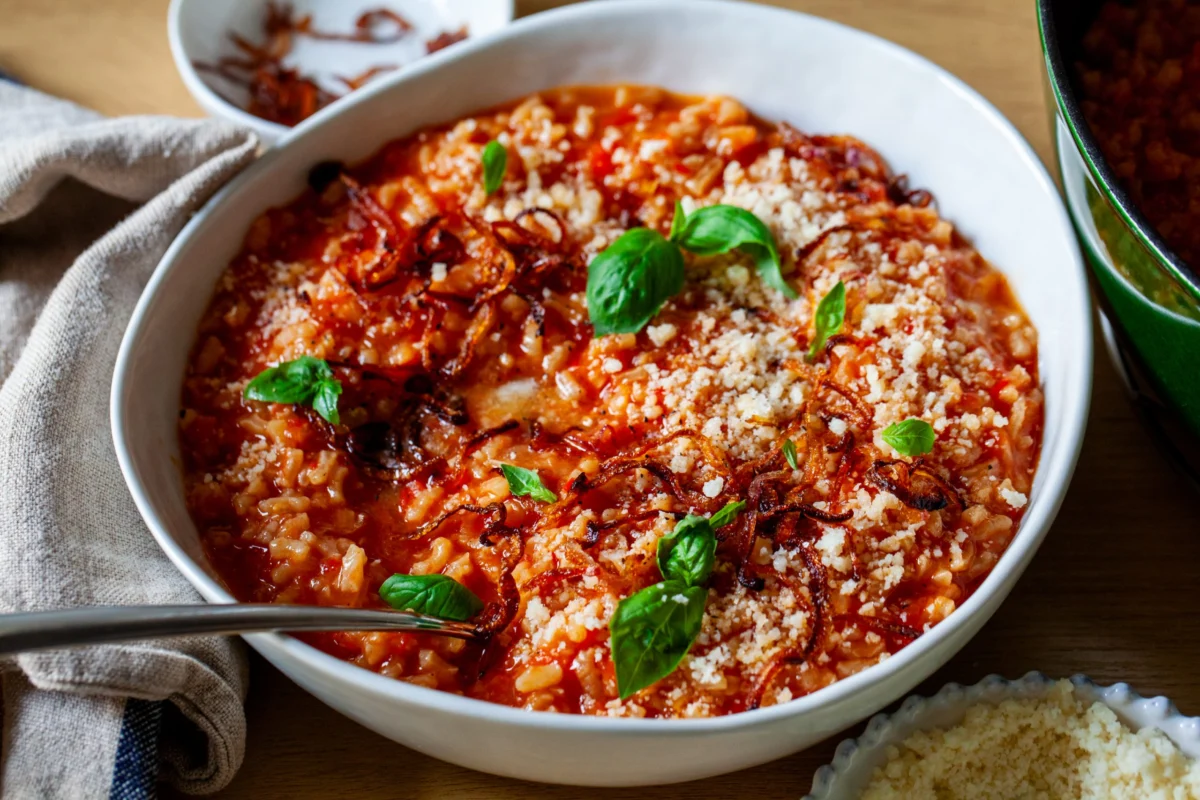
The Premise: Refusing the Pumpkin Spice Mandate
In the culinary world, there is an unspoken transition that occurs the moment the calendar flips to September. Despite lingering heat waves that often push temperatures into the mid-80s, the retail and marketing machines begin their aggressive campaign to usher in the autumnal aesthetic. Wool coats, synthetic pumpkin-scented candles, and visions of hearth-side stews are force-fed to consumers, regardless of whether the local climate is still firmly rooted in the solar abundance of August.
For many home cooks and observers of the seasons, this preemptive transition is more than just a marketing nuisance; it is a premature dismissal of the final, most flavorful harvests of the year. There is an argument to be made—and a delicious one at that—for holding onto the summer kitchen, specifically the tomato, for as long as nature permits. To succumb to the "pumpkin spice specter" too early is to deprive oneself of the vibrant, acidic, and sun-drenched produce that defines the late summer season.

Chronology of a Late-Summer Recipe
The inspiration for this movement toward "rebel cooking" stems from a long-standing appreciation for rice-stuffed tomatoes, a Mediterranean classic that highlights the transformative power of simple ingredients. The desire to strip away the complexity of traditional stuffed recipes led to the development of a standalone tomato risotto—a dish that prioritizes the essence of the fruit over the elaborate, often unnecessary, techniques associated with Italian rice preparation.
The Evolution of the Dish
- The Concept: Rather than stuffing tomatoes, which requires significant labor and structural integrity, the goal was to create a risotto that captured the "clear-noted, pure tomato sauce" experience.
- The Methodology: The process begins with fresh, ripe tomatoes—the hallmark of the season. By grating the tomato pulp and discarding the skins, one creates a concentrated base that serves as the foundation for the dish.
- The Refinement: Unlike traditional risotto, which is famously labor-intensive, this version embraces a "sacrilegious" oven-baked method. By baking the risotto in a Dutch oven, the home cook eliminates the need for constant stirring, proving that the rigid rules often taught in culinary circles—such as the mandatory use of hot broth or endless manual agitation—are largely myths.
Supporting Data: Why "Less" is Actually "More"
The culinary logic behind this tomato-forward risotto relies on the quality of the raw materials. By utilizing water rather than chicken or vegetable stock, the chef allows the brightness of the tomato to shine without being obscured by the savory, often salty, backdrop of a commercial broth.

The Role of the "Frizzled" Onion
A significant innovation in this recipe is the use of "frizzled" red onions. In many risotto preparations, the garnish is a secondary thought—usually a sprinkle of cheese or herbs. Here, the onion serves as the primary texture component.
- The Process: Thinly sliced red onions are fried in olive oil until deeply golden and crisp.
- The Integration: Half of these onions are folded into the risotto during the final stages of cooking, imbuing the rice with a subtle, caramelized sweetness and a fragrance that balances the acidity of the tomatoes.
- The Finish: The remaining onions are used as a crunchy topping, providing a necessary textural contrast to the creamy, starchy rice.
Nutritional and Culinary Implications
From a technical standpoint, this dish is a masterclass in minimalism. It requires:

- A 4-quart Dutch oven or oven-safe vessel.
- High-quality olive oil.
- A splash of wine to deglaze the pan and provide a backbone of acidity.
- Fresh basil, which, when added at the very end, provides a peppery, aromatic lift that bridges the gap between the cooked tomato and the fresh garden herb.
Official Perspectives: The Philosophy of Seasonal Eating
The debate over when to transition from summer to fall cooking is reflective of a larger cultural conversation regarding domestic life and the passage of time. For the home cook, the choice to continue working with tomatoes in mid-September is rarely just about the food. It is often a quiet, subconscious rebellion against the rapid pace of life.
Whether it is children entering new, high-stakes phases of education—such as the transition from middle school to the pressures of high school senior year—or the simple desire to slow down the passage of the year, cooking acts as an anchor. By clinging to the ingredients of summer, one maintains a connection to the present moment, refusing to let the calendar dictate the emotional and sensory environment of the home.

Implications for the Modern Kitchen
The implications of this "rebel" approach are twofold. First, it democratizes the cooking process. By debunking the "mandatory" rules of risotto, the barrier to entry for cooking a sophisticated, restaurant-quality meal is significantly lowered. The oven-baked technique is not merely a shortcut; it is a more efficient, foolproof way to ensure a consistent result.
Second, it challenges the consumerist narrative that encourages us to live three months in the future. By focusing on what is currently growing, rather than what the supermarket aisles are pushing, we reconnect with the agricultural cycle.

A Note on Dietary Flexibility
One of the most compelling aspects of this tomato-based risotto is its inherent adaptability. While it is traditionally finished with butter and Parmesan, the dish remains equally robust in a vegan configuration. Using high-quality olive oil to finish the dish, rather than butter, allows the pure, grassy notes of the oil to harmonize with the tomatoes and basil. The intensity of the frizzled onions provides enough flavor complexity that the absence of dairy is rarely, if ever, noted.
Conclusion: Embracing the "Now"
As we move deeper into the month, the pressure to "fall-ify" our lives will only increase. However, the kitchen remains a sanctuary where we can choose to ignore the clock. By preparing a dish as intentional and seasonal as tomato risotto, we honor the harvest and the waning light of summer.

This recipe is more than a set of instructions; it is a reminder that we are the architects of our own seasonal transitions. When the heat finally breaks, we will have plenty of time for the stews and the wool. But until then, there is still time for the tomatoes, the basil, and the quiet satisfaction of a meal that tastes exactly like the end of August.
Recipe Summary: Tomato Risotto with Frizzled Red Onions
- Prep Time: 15 minutes
- Cook Time: 35–40 minutes
- Serving Size: 4–6 portions
- Technique: Oven-baked (Stir-free)
Key Ingredients:

- 3 cups fresh tomato pulp (grated)
- Short-grain rice (Arborio or Carnaroli)
- Red onions (thinly sliced)
- Fresh basil
- Optional: Parmesan and high-quality butter
For those interested in the full preparation, the method involves a careful layering of aromatics, a precise toast of the grains, and the gentle, hands-off environment of the oven to achieve a result that is, in every sense, a testament to the endurance of summer.


 Evan Lee Salim
