

 Lina Hope
 Iffa Jayyana
 Lina Irawan
 Ammar Sabilarrohman
 Ali Ikhwan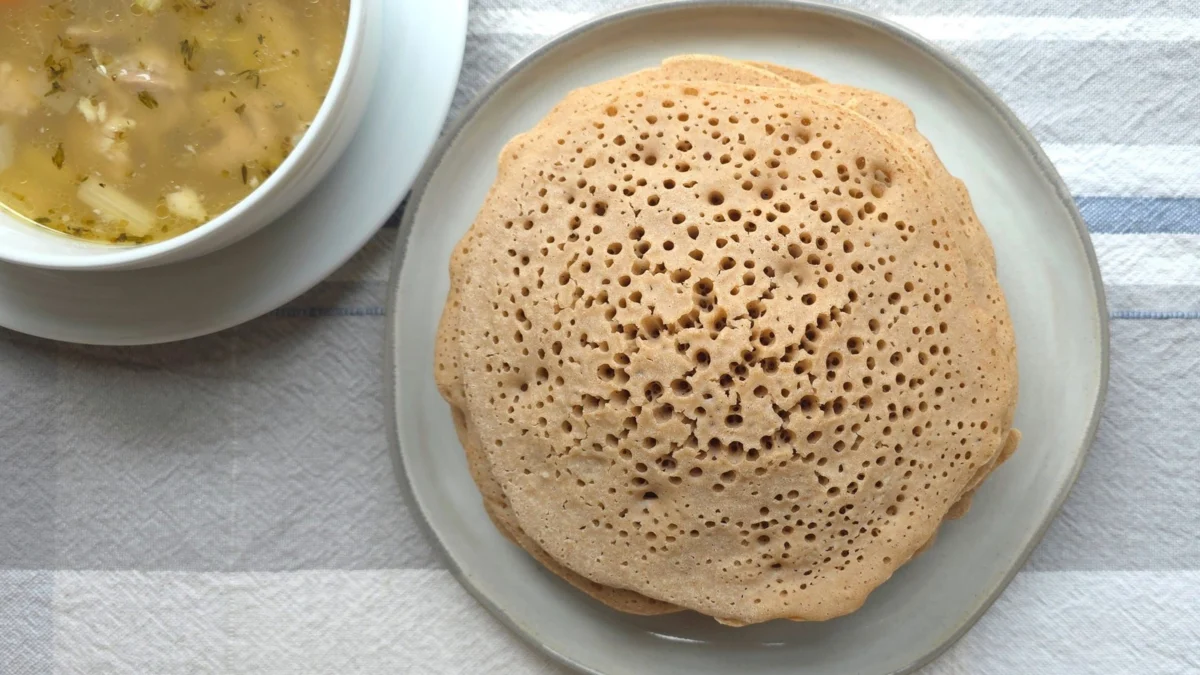
Introduction: A Humble Flatbread with Deep Roots
In the quiet kitchens of the Canadian Maritimes, eastern Maine, and the northern reaches of Quebec, there exists a culinary tradition as resilient as the people who created it. It is called the ploye (pronounced to rhyme with "boys"), a thin, earthy flatbread that serves as the backbone of Acadian and Brayon cuisine. To the uninitiated, a ploye might appear to be a simple cross between a crêpe and a crumpet. However, to the Acadian community, this buckwheat-based staple is a vessel of history, comfort, and cultural identity.
Characterized by a signature surface dotted with "eyes"—small bubbles that form during the cooking process—the ploye is designed for utility. Those tiny craters are not merely a byproduct of the batter’s chemistry; they are functional reservoirs for melted butter, local maple syrup, rich molasses, or the savory broths of traditional stews. As an ancient, quick-to-prepare food, the ploye represents a masterclass in regional resourcefulness, utilizing the hardy grains that thrive in the cold, northern climates of North America.
Chronology: From New France to the Modern Table
The Origins of Acadian Culture
The story of the ploye is inextricably linked to the history of Acadia, a colony of New France established in the early 17th century. The Acadians were French settlers who cultivated the fertile lands of what is now Nova Scotia, New Brunswick, and Prince Edward Island. For decades, they lived in relative isolation, developing a unique cultural identity characterized by self-sufficiency and communal agricultural practices.
The Great Expulsion
The mid-18th century brought a cataclysmic turning point known as the Grand Dérangement, or the Great Expulsion. During the French and Indian War, British forces systematically expelled the Acadian population from their ancestral homes, beginning in 1755. This diaspora scattered thousands of families across the globe. Many were sent to the American colonies, while others were deported back to France.
Some of these refugees eventually found their way to Louisiana, where their French dialect and cultural practices evolved into what we now recognize as Cajun culture—a name derived directly from the word "Acadian." Others remained in the North, migrating into the St. John River Valley and the border regions of Maine and Quebec, where they maintained their traditional diet, including the preparation of buckwheat-based flatbreads.
The Evolution of the Ploye
While the exact origins of the ploye recipe remain lost to the oral traditions of the past, historians note that buckwheat became a staple crop for the Acadians because it grew well in poor soil and had a short growing season. By mixing buckwheat flour with wheat flour, leavening agents, and water, they created a batter that could be cooked quickly over an open flame or on a cast-iron griddle. Unlike pancakes, which are flipped, the traditional ploye is cooked on one side only, ensuring a moist, tender top and a slightly toasted, crisp bottom.

Supporting Data: The Science of the Perfect Ploye
The Role of Ingredients
The authenticity of a ploye lies in the quality of its components. The traditional variety of buckwheat favored by Acadian growers is the "silverhull." Unlike darker, more aggressive varieties, the silverhull buckwheat offers a delicate, nutty, and slightly grassy flavor profile.
When preparing the batter, consistency is paramount. It should resemble heavy cream, thin enough to spread quickly across a well-seasoned cast-iron pan but thick enough to trap the steam required to create the signature "eyes." Modern bakers often experiment with flour types, such as high-extraction all-purpose flours milled from hard red winter wheat. These flours, which retain a portion of the wheat germ, provide a subtle richness and tenderness that complements the earthy, rustic notes of the buckwheat.
Cooking Techniques
The technique is deceptively simple but requires precision. The pan must be well-seasoned; if the cast iron is not properly treated, the delicate structure of the ploye will fail to hold together. Because the flatbread is never flipped, the heat must be consistent. The bubbles that appear on the surface indicate that the steam is escaping, signaling that the ploye is ready to be removed. This single-sided cooking method results in a product that is perfectly cooked through without the risk of drying out.
Culinary Implications: Sweet, Savory, and Social
The Sweet and the Savory
Ployes occupy a versatile space in the culinary spectrum. In a breakfast or dessert setting, they are typically folded or rolled, then adorned with butter and a drizzle of local sweeteners—maple syrup, brown sugar, or molasses. These ingredients seep into the "eyes" of the bread, creating a decadent, saturated bite.
However, the ploye is perhaps most respected as a savory accompaniment. In traditional Acadian households, it is a mandatory side for fricot, a rustic chicken stew. The ploye acts as a sponge, perfect for mopping up the thickened, savory broth. Another common pairing is cretons, a rich, spreadable pork confit seasoned with onions and spices. By incorporating these traditional dishes, the ploye serves as a bridge between the humble ingredients of the past and the gourmet interests of the present.
Adaptations for the Modern Kitchen
Today, the ploye is experiencing a resurgence among home bakers and bread enthusiasts. As interest in heirloom grains and ancestral cooking methods grows, the ploye has moved beyond the borders of the St. John River Valley. Home cooks are substituting traditional ingredients like savory (an herb) with accessible alternatives like marjoram and thyme, proving that the tradition is flexible enough to survive in modern kitchens.

The use of high-quality, freshly milled flours—such as those sourced from boutique mills like Breadtopia—has elevated the ploye from a simple "survival bread" to a sophisticated component of the farm-to-table movement.
Implications: Preserving a Cultural Heritage
The survival of the ploye is a testament to the cultural endurance of the Acadian and Brayon people. Food is often the last aspect of a culture to be surrendered to assimilation. As long as families continue to gather around a hot cast-iron skillet to share stories and a meal of fricot and fresh, bubbly flatbreads, the legacy of the Acadian diaspora remains vibrant.
Furthermore, the academic and culinary interest in the ploye highlights the importance of preserving regional biodiversity. The specific use of silverhull buckwheat is not just a preference; it is a connection to a specific agricultural history. By maintaining these culinary practices, we keep alive the memory of the populations that settled these rugged, northern landscapes and turned simple, hardy grains into a symbol of hospitality.
A Call to the Kitchen
Whether you are a historian looking to recreate the meals of the 18th century or a home cook seeking a nutritious, quick-fix breakfast, the ploye offers an accessible entry point into a profound cultural tradition. It is a dish that demands little in the way of equipment but rewards the maker with a profound sense of connection to a resilient past. As the seasons turn and the air grows cold, there is perhaps no better time to heat a cast-iron pan, pour a thin layer of buckwheat batter, and watch for those telltale "eyes" to form—a quiet, bubbling reminder of a history that refuses to be forgotten.
Appendix: Summary of Traditional Preparation
- Batter Texture: Consistency of heavy cream.
- Key Grain: Silverhull buckwheat.
- Cooking Surface: Heavily seasoned cast iron.
- Method: Single-sided cooking; no flipping required.
- Cultural Significance: A staple of the Acadian and Brayon regions, bridging the gap between historical survival and contemporary comfort food.

 Evan Lee Salim
 Nana Wu
