

 Azzam Bilal Chamdy
 Neng Nana
 Nana Muazin
 Dwi Wanna
 Raul Delapena Setiawan
 Siti Muinah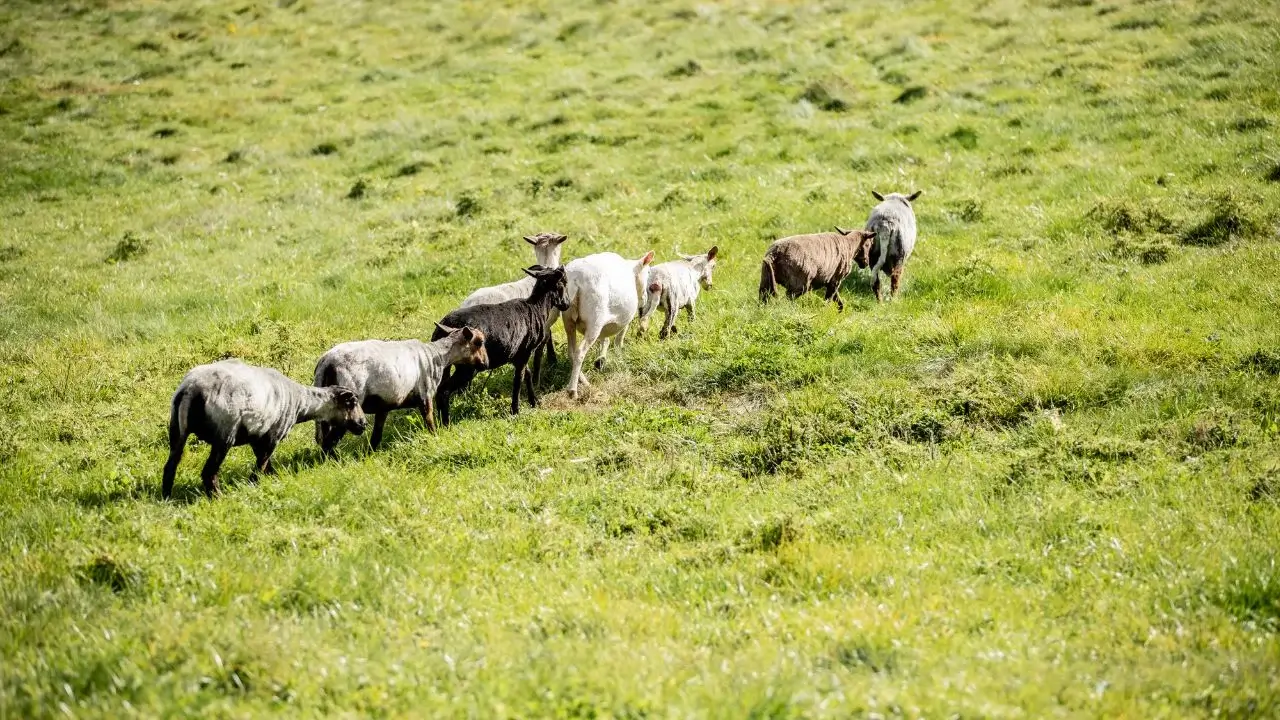
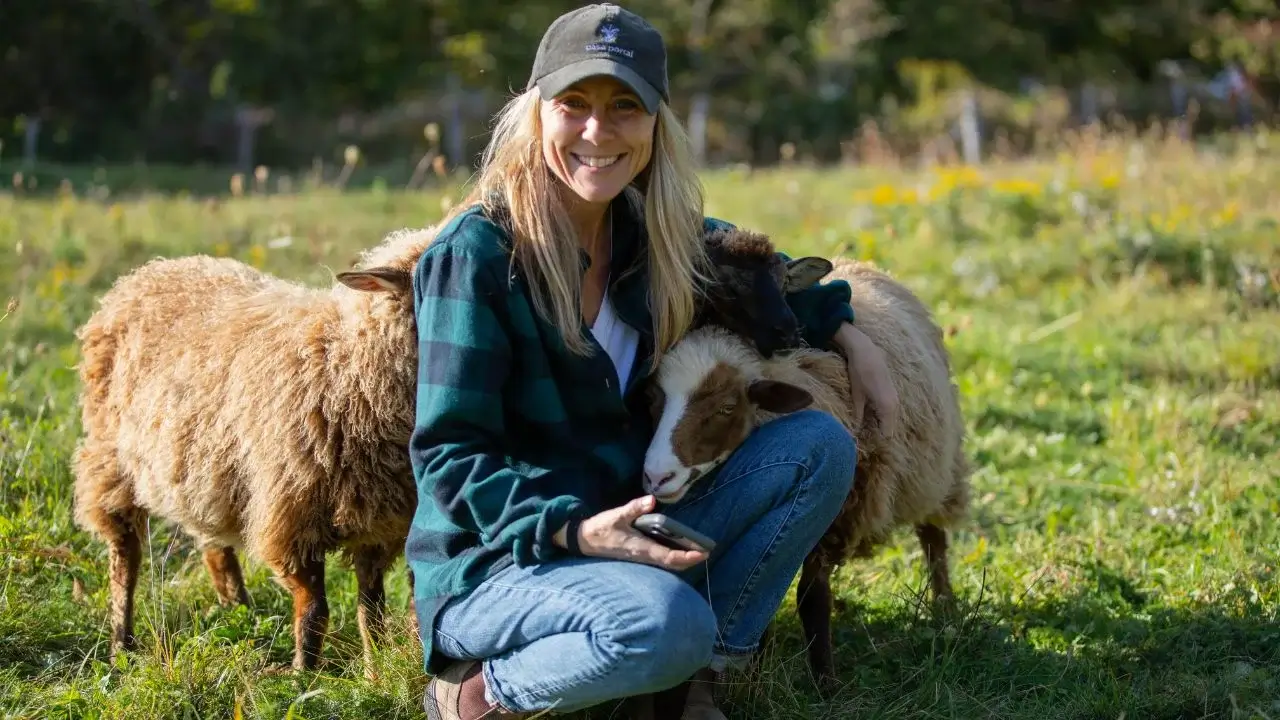
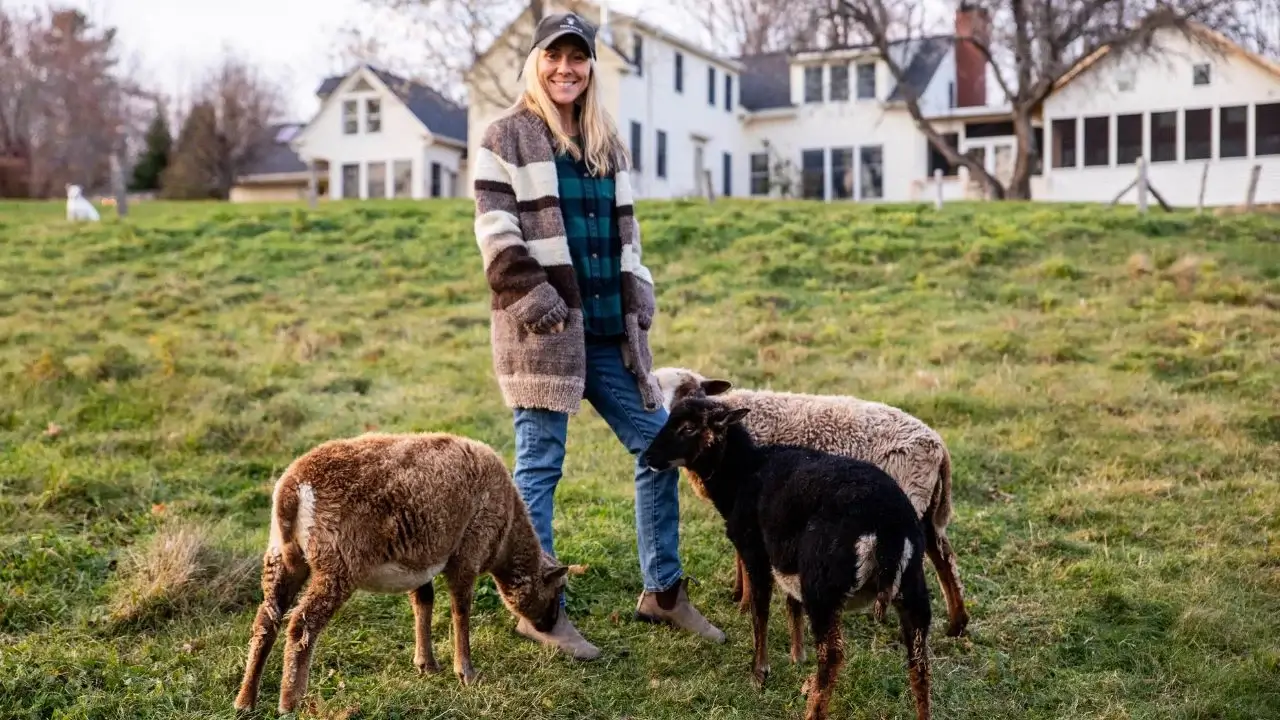
In the rolling, rugged hills of rural Maine, a quiet but profound agricultural transformation is unfolding at a property known as Casa Portal. For Melissa Schneider, a former Los Angeles resident who swapped the frantic pace of the West Coast for the slow, intentional rhythm of shepherding, the farm represents more than just a change of scenery. It is a living laboratory for regenerative agriculture, centered on a herd of Navajo-Churro sheep—a heritage breed that is as much a cultural artifact as it is an ecological tool.
As the global agricultural community looks toward 2026—the United Nations-designated "Year of the Female Farmer"—Schneider’s work serves as a compelling case study. Her journey highlights a shift away from the extractive models of industrial farming toward a generative approach that prioritizes land health, animal welfare, and the preservation of biological and cultural diversity.
The Genesis of Casa Portal: From Extraction to Regeneration
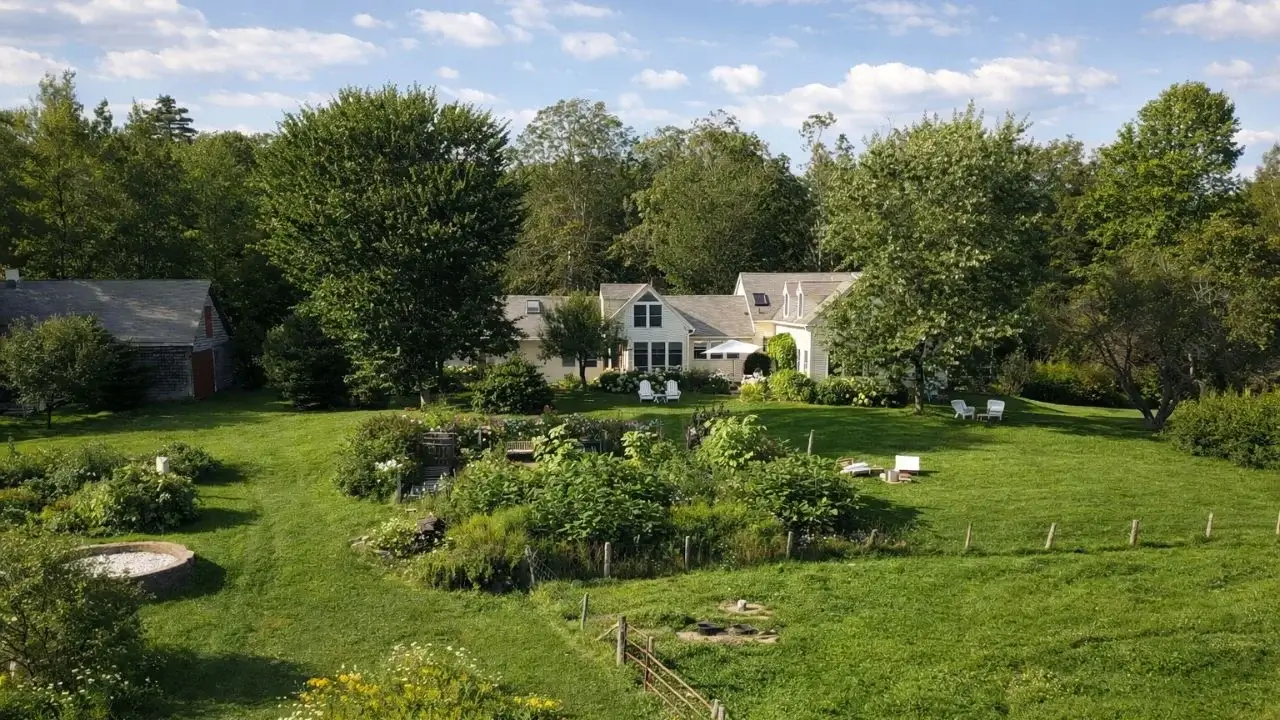
The story of Casa Portal is not one of a sudden, grand enterprise, but rather an evolution of stewardship. When Schneider took over the land—formerly known as Rolling Meadows Farm—she stepped into a legacy that had been carefully cultivated for over two decades.
The property’s history is emblematic of much of the New England landscape: land that had been depleted by years of intensive logging and industrial disruption. Before Schneider’s arrival, previous stewards had begun the painstaking work of recovery, utilizing permaculture principles to coax life back into the exhausted soil. Schneider’s role has been to act as a guardian of this progress, ensuring that the land’s recovery remains the primary objective.
The central figures in this recovery are the Navajo-Churro sheep. This breed, which nearly vanished from the American landscape between the 1860s and the 1970s due to government-mandated culling and systematic displacement of Indigenous populations, now finds a sanctuary in the cool, verdant fields of Maine. The flock at Casa Portal was established by a dedicated group of Northeast shepherds who recognized the breed’s resilience and cultural significance. By maintaining a closed, carefully managed flock, Schneider is continuing a lineage that serves as a living bridge to the Diné people of the American Southwest, for whom these sheep are sacred.
Chronology of a Heritage Breed’s Survival
The history of the Navajo-Churro is a testament to resilience. To understand their current role at Casa Portal, one must look at the timeline of their near-extinction and subsequent revival:
- 16th–19th Century: Introduced to the Southwest by Spanish explorers, the breed became central to the livelihood and culture of the Diné people.
- 1860s–1930s: Systematic efforts by the U.S. government to reduce livestock numbers on tribal lands nearly decimated the breed, pushing it to the brink of extinction.
- 1970s: Following a nadir where only a few hundred animals remained, a grassroots movement of preservationists began working to save the breed’s unique genetic traits.
- Early 2000s: A Navajo-Churro ram arrived in Maine, marking the beginning of the breeding program that would eventually populate Casa Portal.
- Present Day: Under Schneider’s care, the flock has become a core component of a modern, regenerative farm system, serving as a model for how heritage breeds can contribute to climate-resilient agriculture.
Supporting Data: Why Heritage Breeds Matter
The decision to work with heritage breeds is not merely aesthetic or sentimental. Data from regenerative agriculture practitioners suggests that Navajo-Churro sheep offer distinct biological advantages in the face of unpredictable climate patterns.
Unlike industrial breeds optimized for feedlot growth, the Navajo-Churro has evolved to be exceptionally hardy. They are "browsers" as much as they are "grazers," allowing them to manage woody vegetation and invasive species that other sheep might ignore. Their metabolic efficiency allows them to thrive on pasture forage, drastically reducing the need for imported, grain-based feeds—a significant cost-saving measure and a reduction in the farm’s carbon footprint.
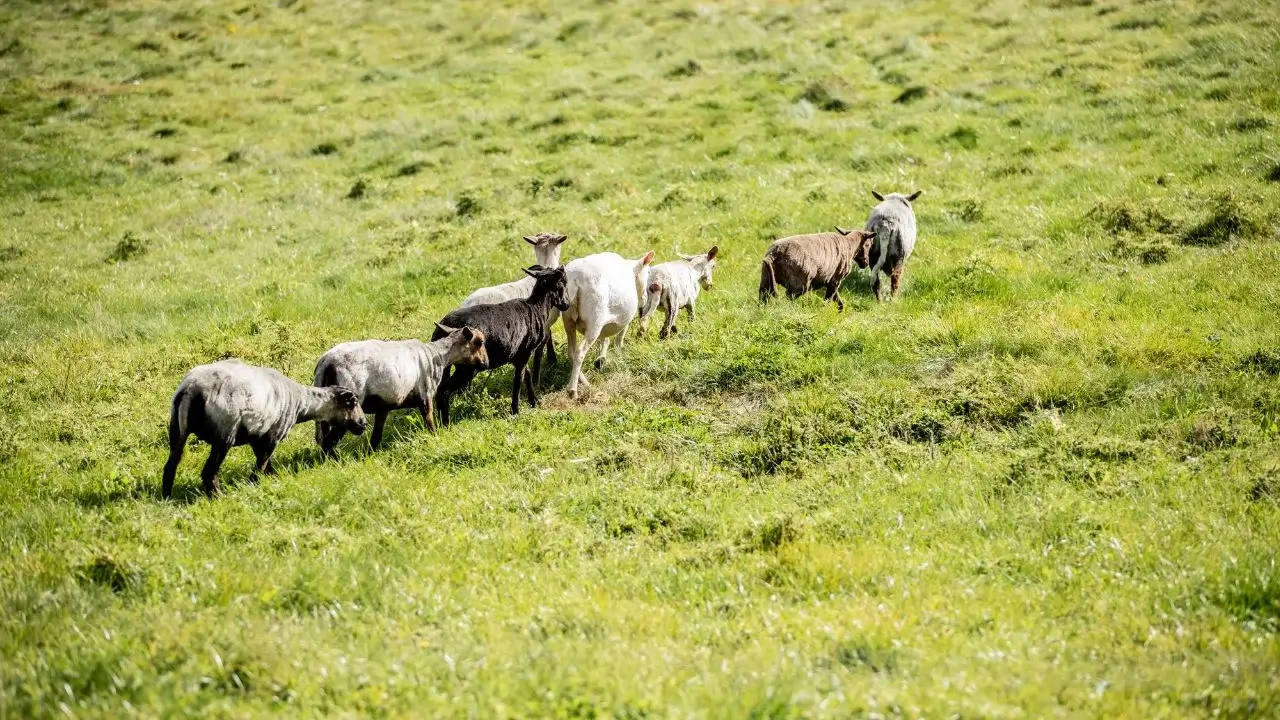
Furthermore, their grazing patterns are inherently beneficial to soil structure. By moving in a managed, rotational system across the farm’s three primary pastures, the flock performs "ecosystem services":
- Nutrient Cycling: The sheep distribute nitrogen-rich manure across the pasture, acting as a natural fertilizer.
- Soil Compaction Mitigation: Their movement patterns and hoof action help press seeds into the soil, promoting biodiversity in native grasses.
- Moisture Retention: By grazing selectively, they ensure the ground cover remains dense, preventing erosion and helping the soil hold water during Maine’s increasingly erratic summer droughts.
The "Female Farmer" Perspective: A Shift in Agricultural Values
As the United Nations prepares to spotlight the contributions of female farmers in 2026, Schneider’s observations provide a nuanced look at the evolving face of agriculture. She argues that the influx of women into shepherding is not just a demographic shift, but a fundamental change in the philosophy of land management.
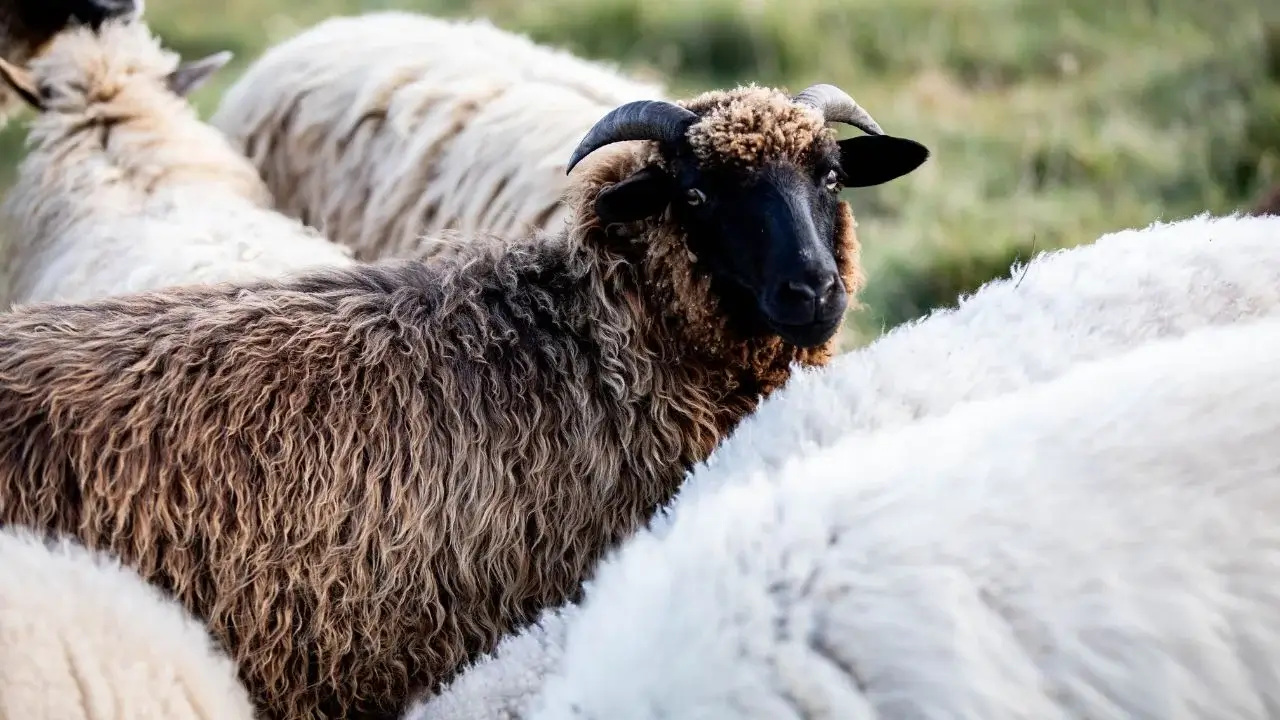
"Shepherding is deeply relational," Schneider notes. "It requires observation, patience, and a kind of embodied awareness. You’re reading animals, weather, and landscape throughout the day. It’s less about scale and output, and more about connection and continuity."
This "feminine approach," as she describes it, is characterized by a move away from the "command and control" style of 20th-century agriculture. Instead of viewing the farm as a factory designed to churn out maximum yield at minimum cost, this new wave of stewards views the farm as an ecosystem where humans are participants rather than masters. This shift is critical, as it aligns with the broader goals of the regenerative movement: building soil health and ecological resilience over years, rather than forcing productivity through chemical or industrial intervention.
Implications for the Future of Small-Scale Farming
The success of Casa Portal has implications that extend far beyond its Maine borders. It provides a blueprint for how small-scale, beginner-friendly operations can remain economically viable while prioritizing environmental stewardship.
Expanding the Scope: Education and Fiber Arts
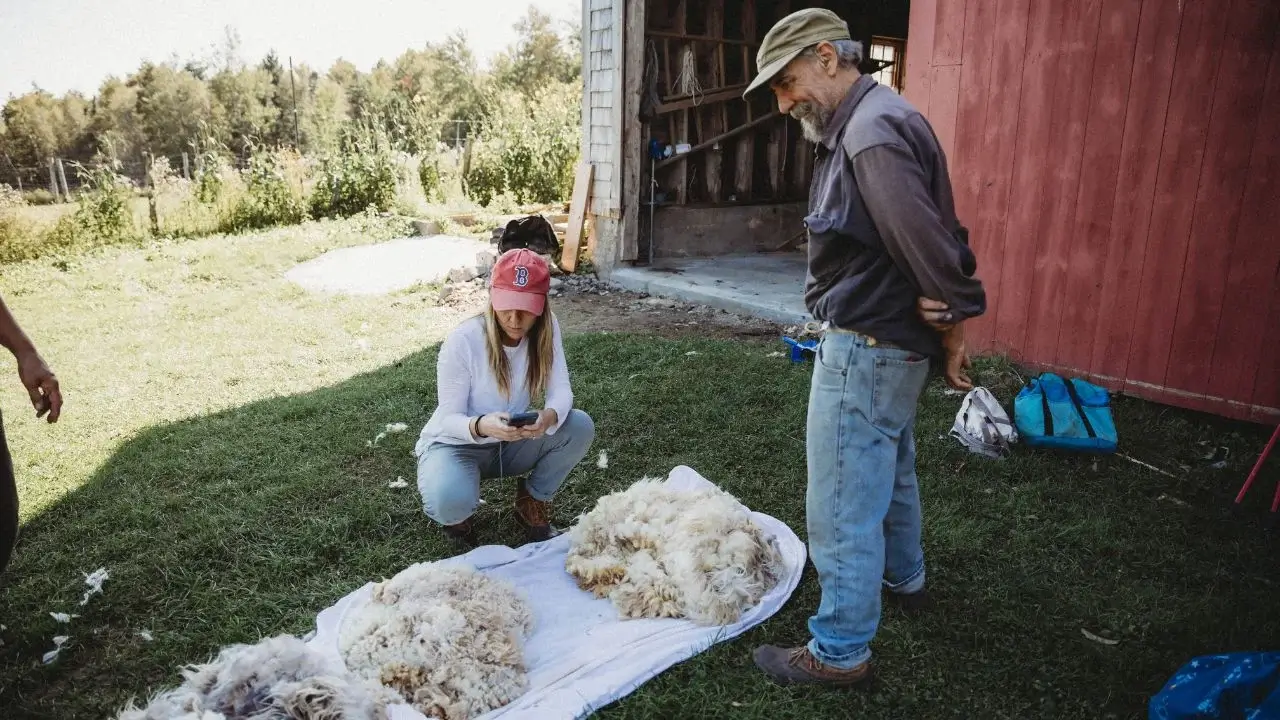
Schneider is currently overseeing a significant expansion of the farm’s infrastructure, including the conversion of a historic barn into a workshop space for fiber arts. This project is intended to "close the loop" on the farm’s economy. By processing the sheep’s wool into yarn and textiles on-site, the farm creates high-value products that directly fund the continued preservation of the herd.
The Role of Technology and Community
Despite the "slow" nature of the work, Schneider emphasizes the importance of modern connectivity. The role of the internet—specifically through platforms like YouTube—has allowed for a rapid, decentralized exchange of knowledge. Beginners are no longer left to guess; they can observe, in real-time, how experienced farmers manage fences, handle veterinary issues, or rotate pastures. This digital mentorship is creating a lower barrier to entry for the next generation of shepherds.
The Institutional Need for Flexibility
For these small farms to thrive, policy and institutional support must evolve. As Schneider points out, small, regenerative farms do not fit neatly into the industrial models that define most agricultural policy. Support for these operations, therefore, must focus on:
- Land Access: Programs that help new farmers acquire or lease small parcels.
- Infrastructure Grants: Funding for the barn renovations and equipment necessary to process products on-site.
- Value-Added Support: Incentivizing the production of high-quality, heritage-breed fiber and food products.
Conclusion: A Portal to a New Way of Living
The future of Casa Portal is one of deepening roots—both literally in the soil and figuratively in the community. By hosting retreats and farmstays, Schneider is inviting the public to witness this regenerative process firsthand. Visitors are not merely observers; they are participants in the rhythms of the farm, engaging with the animals, the fiber, and the land.
"The land is asking for a different kind of relationship," Schneider reflects. Whether or not one is a farmer, the lessons from Casa Portal are universal: progress does not always mean moving faster or producing more. Sometimes, it means stopping to pay attention, honoring the history of the creatures we tend, and allowing the earth to heal at its own pace.
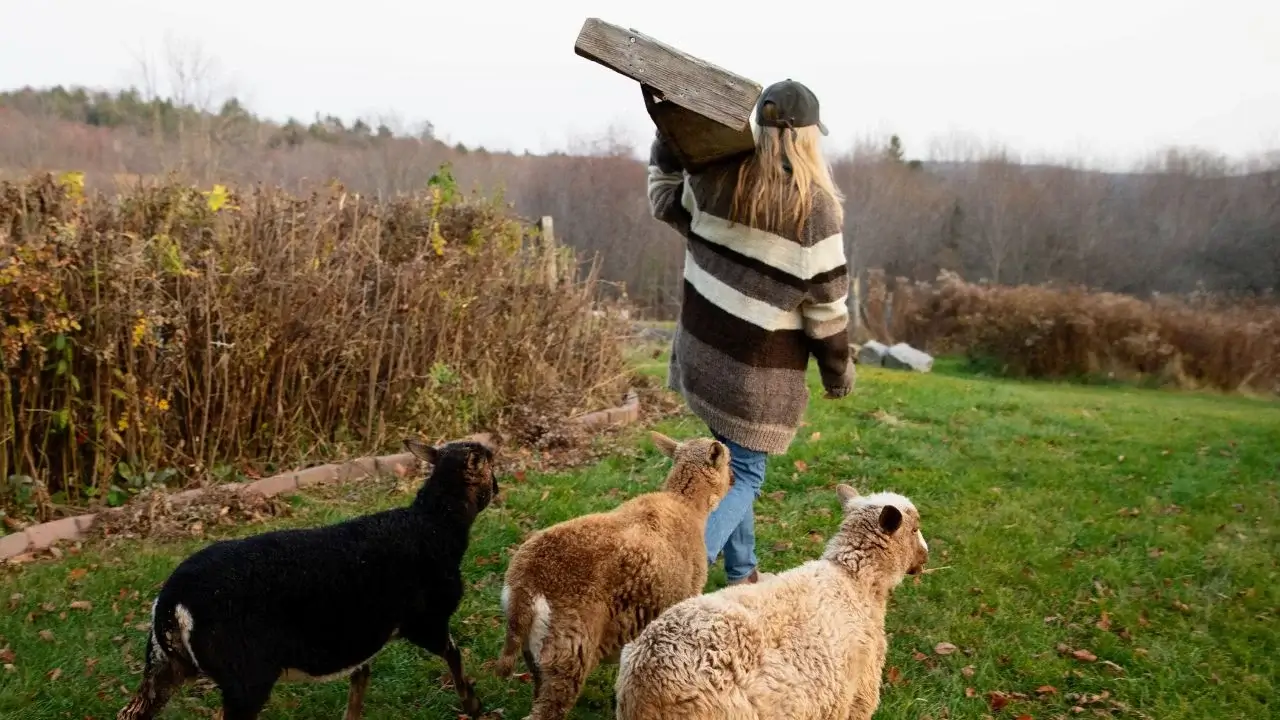
As the world enters a year focused on the contributions of women in agriculture, the "quiet rebellion" occurring on this Maine farm serves as a powerful reminder: the most meaningful change often happens on the ground, one hoofprint at a time.


 Iffa Jayyana
