 Layla Zulfa
 Laily UPN
 Neng Nana
 Sagoh
Sagoh
 Raul Delapena Setiawan
 Evan Lee Salim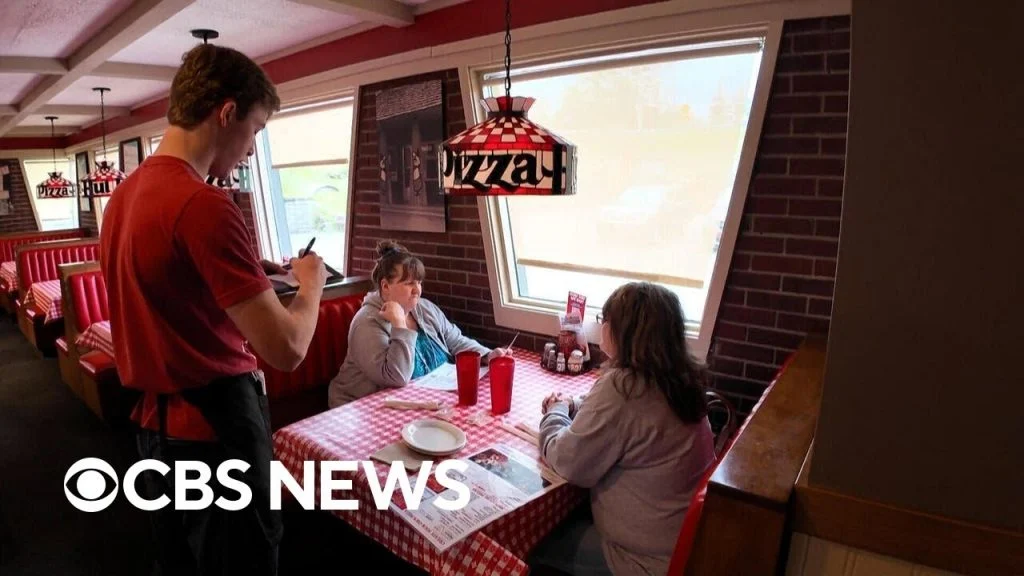
May 15, 2026 | Analysis by Business Desk
In an era defined by rapid digitization, ghost kitchens, and hyper-efficient mobile ordering, the hospitality industry is witnessing a surprising, tactile counter-movement. Across the United States, a growing number of Pizza Hut locations are shedding their modern, minimalist aesthetics in favor of a “throwback” design that leans heavily into the brand’s 1980s and 90s heritage. From the iconic Tiffany-style stained-glass lamps to the return of the legendary salad bar, these "Pizza Hut Classic" locations are not merely surviving; they are thriving as top-performing assets in an increasingly crowded fast-casual landscape.
Main Facts: The Return of the Red Vinyl Booth
The "Classic" initiative is more than a superficial coat of paint; it is a calculated effort to leverage sensory nostalgia to drive foot traffic. For many diners, the Pizza Hut experience of the late 20th century was synonymous with family celebrations, Scholastic Book Fair rewards, and the unmistakable glow of lamp-lit booths.
Recent reports, including insights from Tim Sparks, President of the Daland Corporation—one of the largest Pizza Hut franchise operators—confirm that these retrofitted locations are outpacing their modernized counterparts in sales volume. The phenomenon has reached a level of intensity where patrons are routinely traveling hours across state lines simply to sit in the red vinyl booths and eat thin-crust pizza served in the classic iron skillets. This surge in "destination dining" suggests that the brand’s strongest asset is not its delivery logistics, but its place in the American cultural consciousness.
Chronology: From Ubiquity to Re-invention
To understand the significance of this revival, one must look at the trajectory of the brand over the last forty years.
- 1958–1980s: The Golden Age of the Roof. Founded by Dan and Frank Carney, Pizza Hut became a cultural icon. The distinctive "Red Roof" architecture made the restaurants impossible to miss from the highway, turning them into suburban community hubs.
- 1990s–2000s: The Shift to Efficiency. As consumer habits shifted toward convenience, Pizza Hut pivoted. Thousands of dine-in locations were shuttered or converted into "Delco" (delivery/carry-out) units to reduce overhead and compete with the burgeoning dominance of Domino’s and Papa Johns.
- 2015–2020: The Identity Crisis. The brand struggled to find its footing, attempting to modernize through menu experimentation—including the controversial "Hot Dog Bites Pizza"—and digital-first storefronts that lacked any unique architectural character.
- 2023–2026: The Classic Pivot. Recognizing that younger generations (Gen Z and Millennials) were romanticizing the "analog" aesthetic of their childhoods, corporate leadership began incentivizing franchisees to restore the "Classic" elements. By early 2026, the strategy had gained enough momentum to be considered a primary driver of the brand’s quarterly growth.
Supporting Data: The Economics of Nostalgia
The data backing the "Classic" movement is compelling. According to internal reports from Daland Corporation and other major franchise groups, locations that feature the restored salad bar and classic interior design packages see an average uptick in "dwell time"—the amount of time a customer spends in the restaurant—by nearly 40%.
Increased dwell time correlates directly with higher average check sizes. Customers who dine in are significantly more likely to order appetizers, drinks, and desserts than those utilizing drive-thru or delivery channels. Furthermore, social media sentiment analysis shows that the "Classic" aesthetic is highly "Instagrammable." Younger diners are effectively providing free marketing for these locations by posting photos of the red plastic cups and Tiffany lamps, turning these restaurants into viral hotspots.
Economically, the initial capital expenditure (CapEx) to renovate these spaces is being offset by a reduction in customer acquisition costs. When a restaurant becomes a destination, the brand no longer needs to rely as heavily on discount-driven digital marketing to entice local customers.
Official Responses and Perspectives
Industry experts suggest that Pizza Hut is tapping into a psychological phenomenon known as "affective nostalgia."
"When people walk into a ‘Classic’ location, they aren’t just buying a pizza; they are buying a bridge back to a simpler time," says retail analyst Marcus Thorne. "In a world where everything is automated and contactless, the presence of a salad bar—an inherently communal, tactile experience—is a massive differentiator."
Tim Sparks of Daland Corporation has been vocal about the success of these units. In recent industry briefings, he noted, "We’ve seen customers drive three hours to reach one of our Classic stores. They come for the pizza, but they stay for the environment. It proves that the physical space still matters in the restaurant industry. You cannot replicate the warmth of a Tiffany lamp or the comfort of a red vinyl booth through an app."
Corporate representatives from Pizza Hut have remained cautiously optimistic, noting that while the "Classic" model is not suitable for every market—particularly dense urban centers where real estate costs make dine-in footprints prohibitive—the strategy will remain a cornerstone of their suburban and rural expansion plans for the next fiscal cycle.
Implications: The Future of Fast-Casual Dining
The success of the "Pizza Hut Classic" strategy has profound implications for the wider QSR (Quick Service Restaurant) sector.
1. The End of "Uniformity": For decades, the industry trend was toward extreme standardization—every store had to look exactly the same to minimize operational friction. The Classic movement suggests that consumers are beginning to reject the "sterile" look of modern corporate branding in favor of locations that feel unique, local, and historical.
2. Experience as a Commodity: The move emphasizes that restaurants must compete on "experience" rather than just speed. As third-party delivery apps commoditize the food itself, the physical restaurant must offer something that cannot be delivered to a doorstep: ambiance, social connection, and a sense of place.
3. The Sustainability of Retro-Branding: While nostalgia is a powerful tool, it must be managed carefully. If the market becomes oversaturated with "retro" restaurants, the novelty may wear off. The challenge for Pizza Hut will be to balance this heritage appeal with modern food safety standards and the logistical efficiencies required to keep prices competitive.
4. The "Third Place" Revival: Sociologists often discuss the importance of the "third place"—a social environment separate from the home and the workplace. By revitalizing the dine-in experience, Pizza Hut is positioning itself to reclaim its status as a community hub, a role it occupied comfortably in the 1980s.
Conclusion
As the industry watches closely, the "Pizza Hut Classic" model serves as a masterclass in brand heritage management. By listening to the nostalgic desires of its customer base, the company has managed to transform a perceived liability—its aging, dine-in real estate—into its most valuable competitive advantage.
Whether this trend signals a permanent shift in fast-casual design or is simply a cyclical response to the digital fatigue of the 2020s remains to be seen. However, for now, the message from the dining public is clear: sometimes, the best way to move forward is to look back. As long as the Tiffany lamps are glowing and the red cups are full, the "Classic" revival appears to be a recipe for continued success in a landscape that has spent too long chasing the future and forgetting the charm of the past.