

 Azzam Bilal Chamdy
 Neng Nana
 Nana Muazin
 Dwi Wanna
 Raul Delapena Setiawan
 Jia Lissa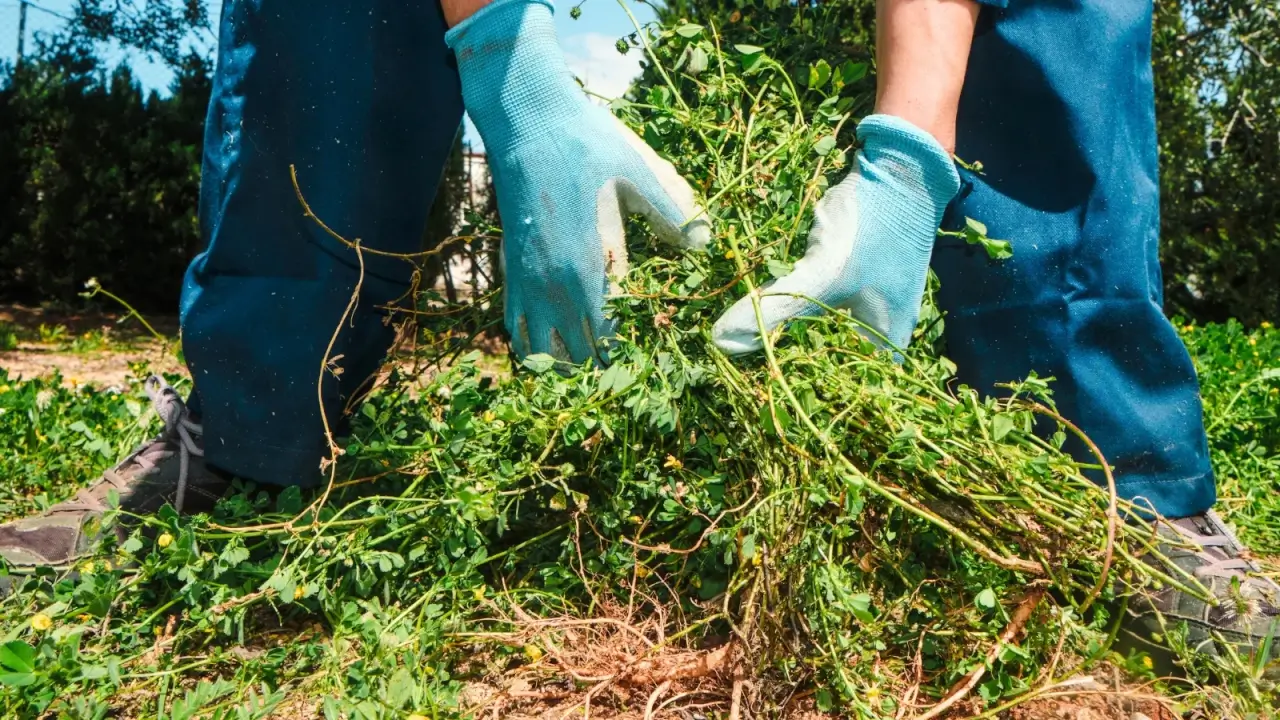
For decades, the image of a productive farm was defined by the clean, uniform lines of monoculture—vast, uninterrupted fields of corn or soy stretching to the horizon. However, as the agricultural industry grapples with the dual pressures of climate change and soil degradation, a "combinative" practice is gaining traction, signaling a return to complexity. That practice is interseeding.
At its core, interseeding is the process of planting a cover crop or secondary species within an existing, primary cropping system. Rather than simply occupying space, this practice fundamentally rewires a farm’s ecosystem, turning static land into a dynamic, multi-layered engine of productivity. Whether on a thousand-acre corn operation or a diversified two-acre market garden, the strategic layering of crops is proving to be a cornerstone of modern, resilient agriculture.
Main Facts: The Logic Behind the Layers
The fundamental premise of interseeding is to optimize the "vertical real estate" and temporal windows of a field. In a standard monoculture, land is often left bare between rows or after the primary harvest, leaving it vulnerable to erosion, nutrient leaching, and invasive weeds.
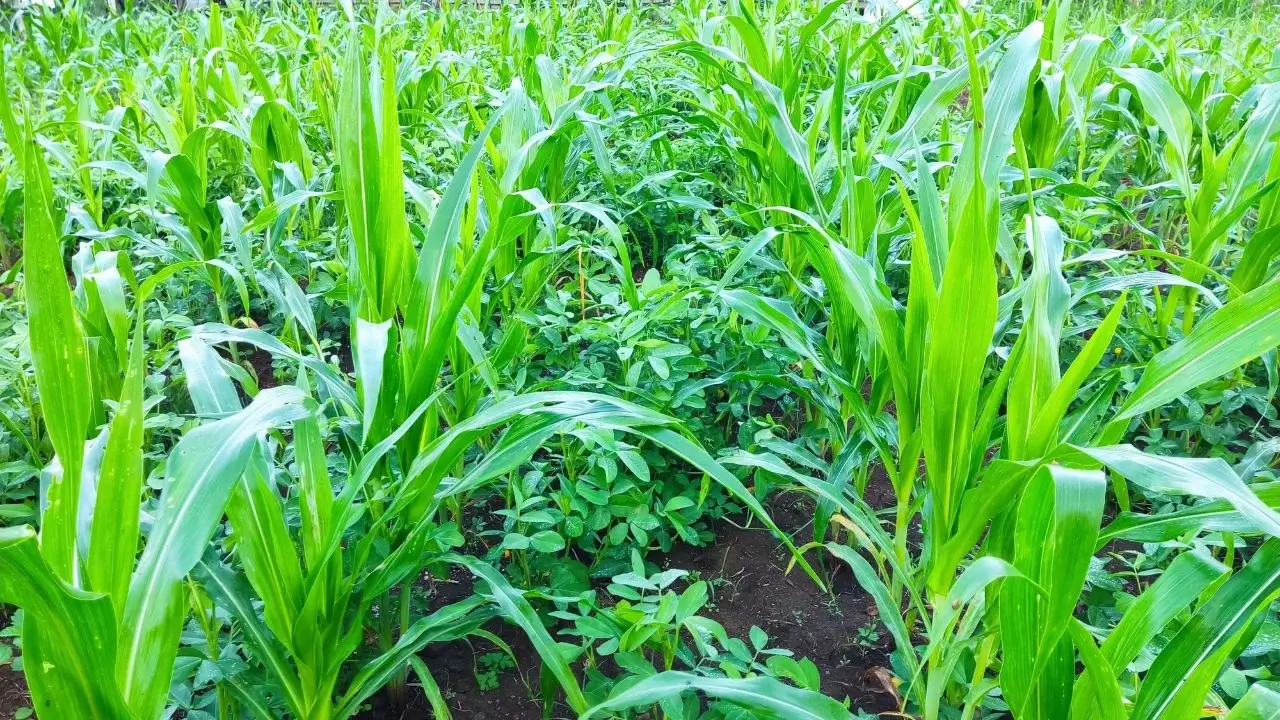
Interseeding fills these ecological vacuums. By introducing a secondary crop—such as clover, rye, or native wildflowers—farmers can capitalize on the sunlight and moisture that would otherwise go to waste. This isn’t just about space-saving; it is about "functional stacking." A single acre can simultaneously produce a cash crop, feed soil microbes, attract pollinators, and provide emergency fodder for livestock.
Chronology of a Shifting Practice
Historically, indigenous agricultural systems—such as the "Three Sisters" (corn, beans, and squash)—perfected the art of companion planting and intercropping. However, the mid-20th-century push toward industrial chemical dependency pushed these complex systems to the margins.
- The Mid-20th Century (The Monoculture Era): Chemical fertilizers and herbicides became the primary tools for managing soil health and weeds, leading to the decline of interplanting.
- The Early 2000s (The Sustainability Pivot): As herbicide resistance in weeds grew and topsoil erosion reached critical levels, early adopters began experimenting with "living mulches."
- 2015–2020 (The Data Boom): University extension programs and private research firms began quantifying the yield benefits of interseeding, moving the practice from "alternative" to "agronomically viable."
- Present Day: Interseeding is now a central pillar of the regenerative agriculture movement, supported by technological advancements like variable-rate seeders that can navigate established rows without damaging the primary crop.
5 Ways Interseeding Changes the Landscape
1. Maximizing Field Output
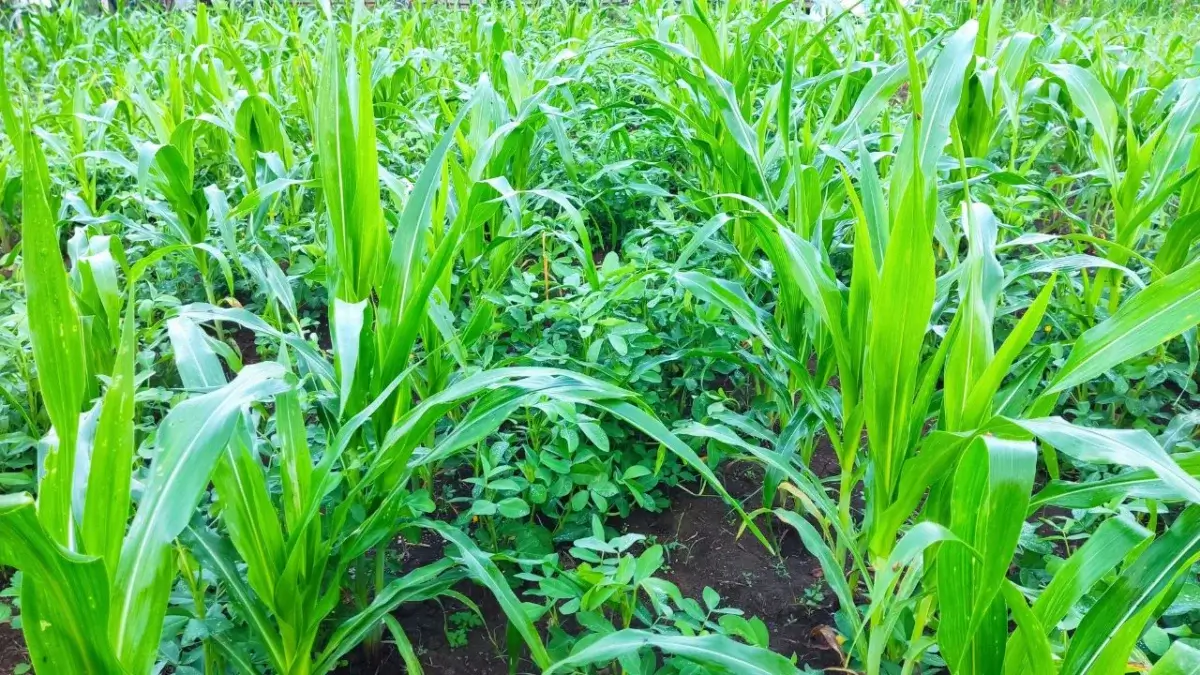
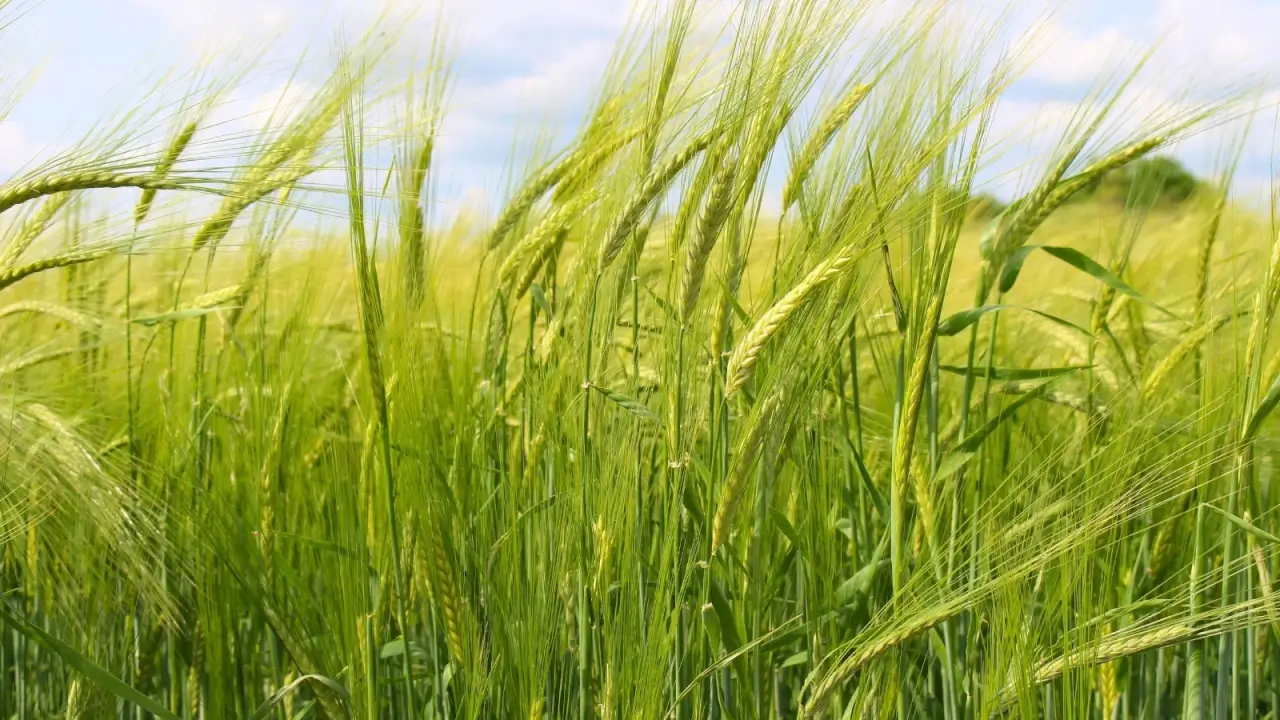
The most immediate appeal of interseeding is the potential for double or triple-cropping on the same land. In large-scale grain production, farmers are increasingly seeding cereal rye or barley between corn rows. This allows for the harvest of a primary grain, followed by a secondary grazing or biomass crop. For smaller market growers, this is the art of "intensive companion planting." By pairing a tall, sun-loving crop like tomatoes with a shade-tolerant ground cover like beans or leafy greens, growers can extract higher revenue per square foot, effectively subsidizing the primary crop’s overhead.
2. Providing Resilient Livestock Fodder
For integrated operations, the farm-to-table cycle is shortened significantly through interseeding. By planting high-protein legumes into native grass stands, ranchers ensure a consistent nutrient supply that remains viable even during shoulder seasons. This is particularly vital in silvopasture systems, where interseeded grasses provide nutrition for livestock sheltering within timber stands, effectively protecting animals from extreme weather while simultaneously maintaining soil stability.
3. Natural Weed Suppression
Nature abhors a vacuum. When sunlight hits bare soil, it triggers the germination of opportunistic weeds. By establishing a dense, intentional cover crop between rows, farmers shade out these invasive species before they can gain a foothold. This reduces the reliance on heavy tillage and chemical herbicides. Legumes like clover and vetch are particularly favored here; they act as a "living carpet" that outcompetes weeds while actively fixing nitrogen back into the soil.
4. Improving Soil Composition
The soil is not merely a growing medium; it is a complex biological engine. Monocultures tend to strip specific nutrients, leading to "soil fatigue." Interseeding reverses this. Deep-rooted cover crops can break up compacted subsoil, while others serve as "nutrient pumps," pulling minerals from deep underground and depositing them in the topsoil upon decomposition (the "chop and drop" method). Furthermore, these crops provide a continuous food source for the fungal and bacterial networks that create soil structure, preventing the topsoil loss that plagues tilled fields.
5. Inviting Beneficial Insects
Perhaps the most elegant benefit is the restoration of the farm’s "security detail." By interplanting floral strips—specifically those with umbelliferous blooms like dill, fennel, or native wildflowers—farmers attract a host of predatory insects. Parasitic wasps, hoverflies, and lady beetles view these strips as both a home and a buffet. These predators naturally suppress aphid and caterpillar populations, providing a biological alternative to synthetic insecticides.
Supporting Data and Economic Implications
The transition to an interseeded system is not without its challenges. The primary hurdle remains timing. The success of an interseeded system depends on the "light window"—the period where the primary crop has grown enough to allow for mechanical equipment but has not yet fully canopied the field to block out the sun for the secondary crop.
Data from recent agricultural studies suggest that while interseeding requires higher management input, the return on investment (ROI) is realized through:

- Reduced Input Costs: A 20–30% reduction in synthetic nitrogen needs due to legume-fixed nitrogen.
- Insurance Against Loss: Diversified fields show significantly higher resilience to extreme weather events (drought or excessive rain) compared to monoculture plots.
- Market Diversification: Farmers selling secondary crops (like cut flowers or specialized forage) create a buffer against volatile grain market prices.
Official Responses and Perspectives
Agricultural policymakers and industry leaders have begun to take notice. The USDA’s Natural Resources Conservation Service (NRCS) has increasingly categorized interseeding and cover cropping as high-priority practices for climate-smart agriculture.
Dr. Helena Vance, an agronomist specializing in soil microbiology, notes, "We are moving away from the era of ‘fighting’ nature to achieve yields. Interseeding is a fundamental shift in philosophy. When you treat the field as an ecosystem rather than a factory floor, you stop paying for the services that nature will provide for free—like pollination, pest control, and nutrient cycling."
However, some conventional farming advocates caution that the learning curve for successful interseeding is steep. "It requires a change in machinery and a change in mindset," says a representative from the American Farm Bureau. "You cannot simply adopt these practices overnight; it requires localized trials to see which species pairings work for specific microclimates."

Implications for the Future of Farming
The implications of widespread interseeding are profound. If adopted at scale, the agricultural landscape could transform from vast, sterile stretches of gray-brown soil into vibrant, green corridors. This would not only enhance the economic viability of small-to-mid-sized farms but also significantly reduce the runoff of fertilizers into our waterways—a primary environmental concern in modern farming.
Ultimately, interseeding is a return to the fundamentals of biology. By mimicking the complexity of a natural prairie or forest floor, farmers are discovering that the most efficient way to grow more is to work with the natural patterns of succession and diversity. As the industry moves toward a more sustainable future, the "interseeded" farm stands as the model of what a resilient, productive, and ecological agricultural system looks like in the 21st century.


 Iffa Jayyana
