

 Dwi Wanna
 Nana Wu
 Muslim
 Reynand Wu
 Ammar Sabilarrohman
 Raul Delapena Setiawan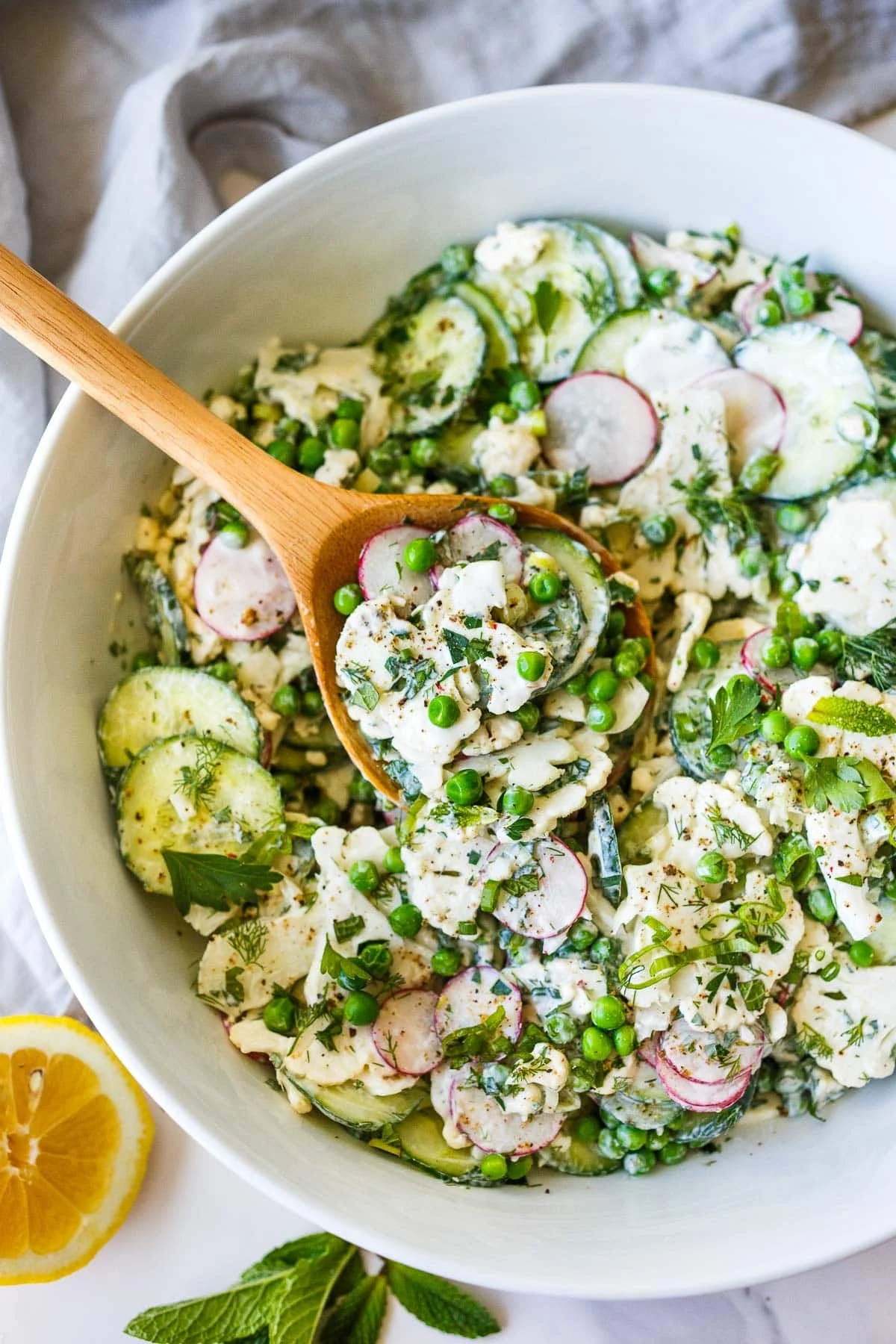
In the evolving landscape of contemporary home cooking, the side dish is often relegated to an afterthought. However, a growing trend in health-conscious, plant-forward cuisine is challenging this narrative. Leading the charge is a vibrant, texture-heavy creation that has garnered significant attention among culinary enthusiasts: the Raw Cauliflower Salad with Garlic-Yogurt Dressing. Far from the soggy, over-steamed cauliflower of the past, this dish celebrates the vegetable in its purest, crispest state, offering a sophisticated alternative to traditional slaws and garden salads.
Main Facts: The Anatomy of a Modern Salad
The allure of this specific recipe lies in its structural integrity. Unlike lettuce-based salads that wilt within minutes of dressing application, this cauliflower salad is designed for longevity. The core component—raw cauliflower—is either finely shaved or thinly sliced to achieve a delicate, fork-friendly texture that mimics the crunch of a slaw while maintaining the nutritional profile of a cruciferous vegetable.
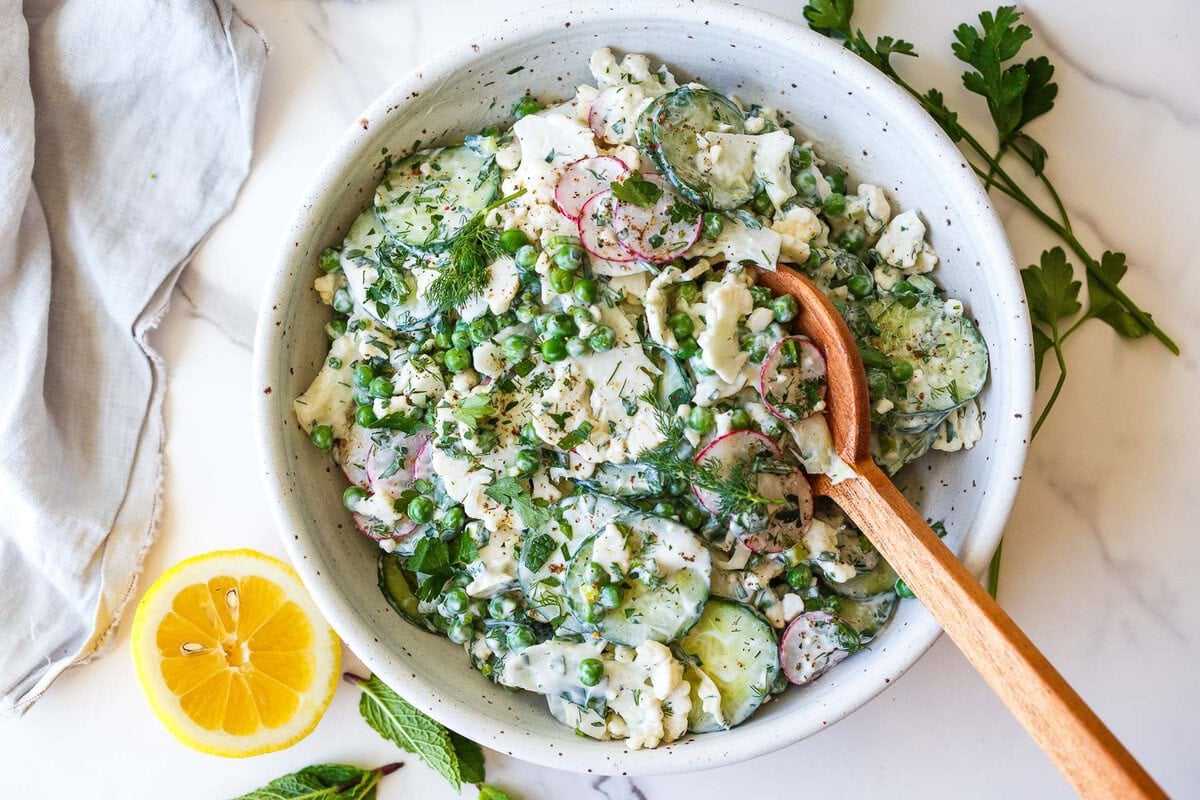
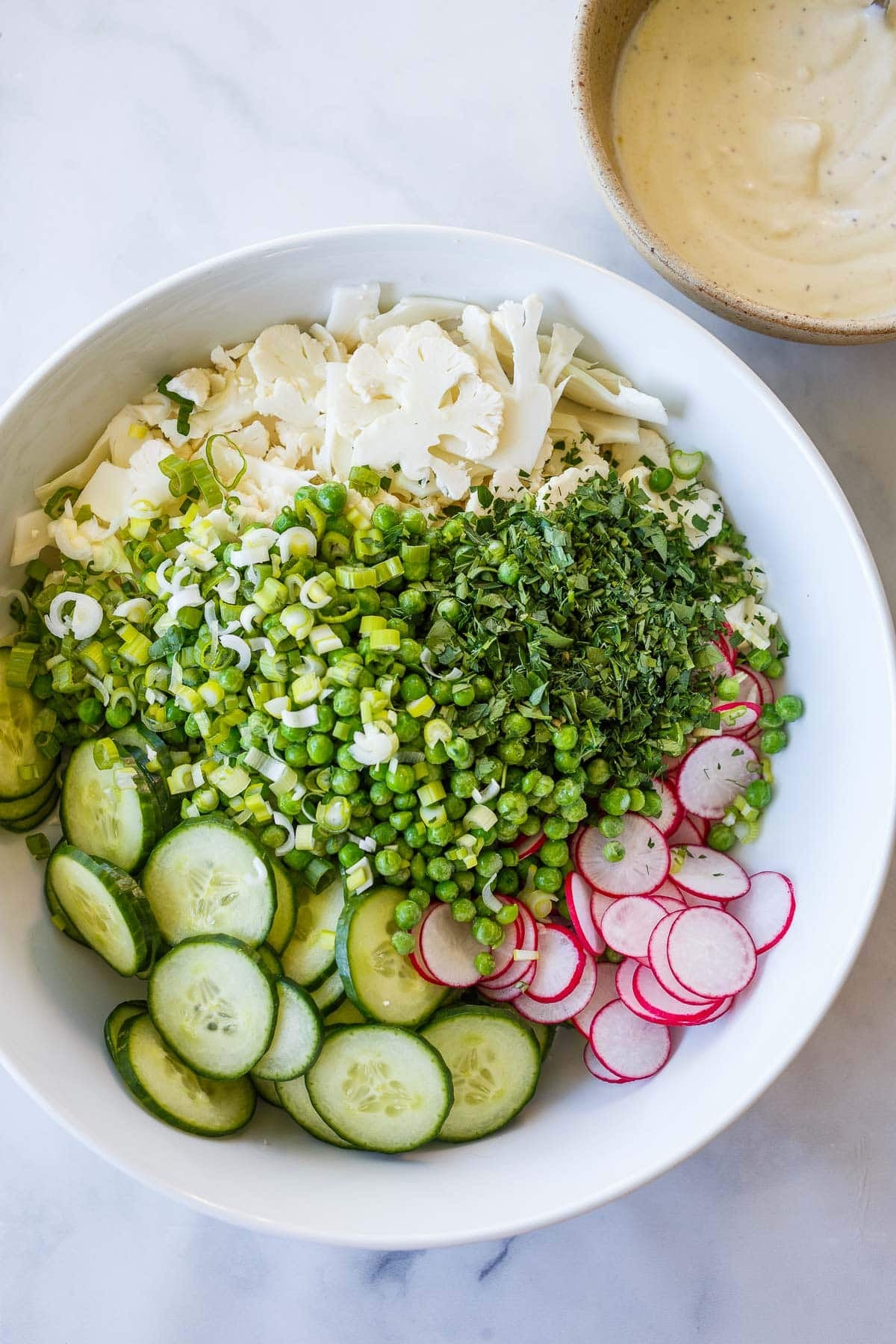
The flavor profile is a study in balance. The base of shaved cauliflower is augmented by:
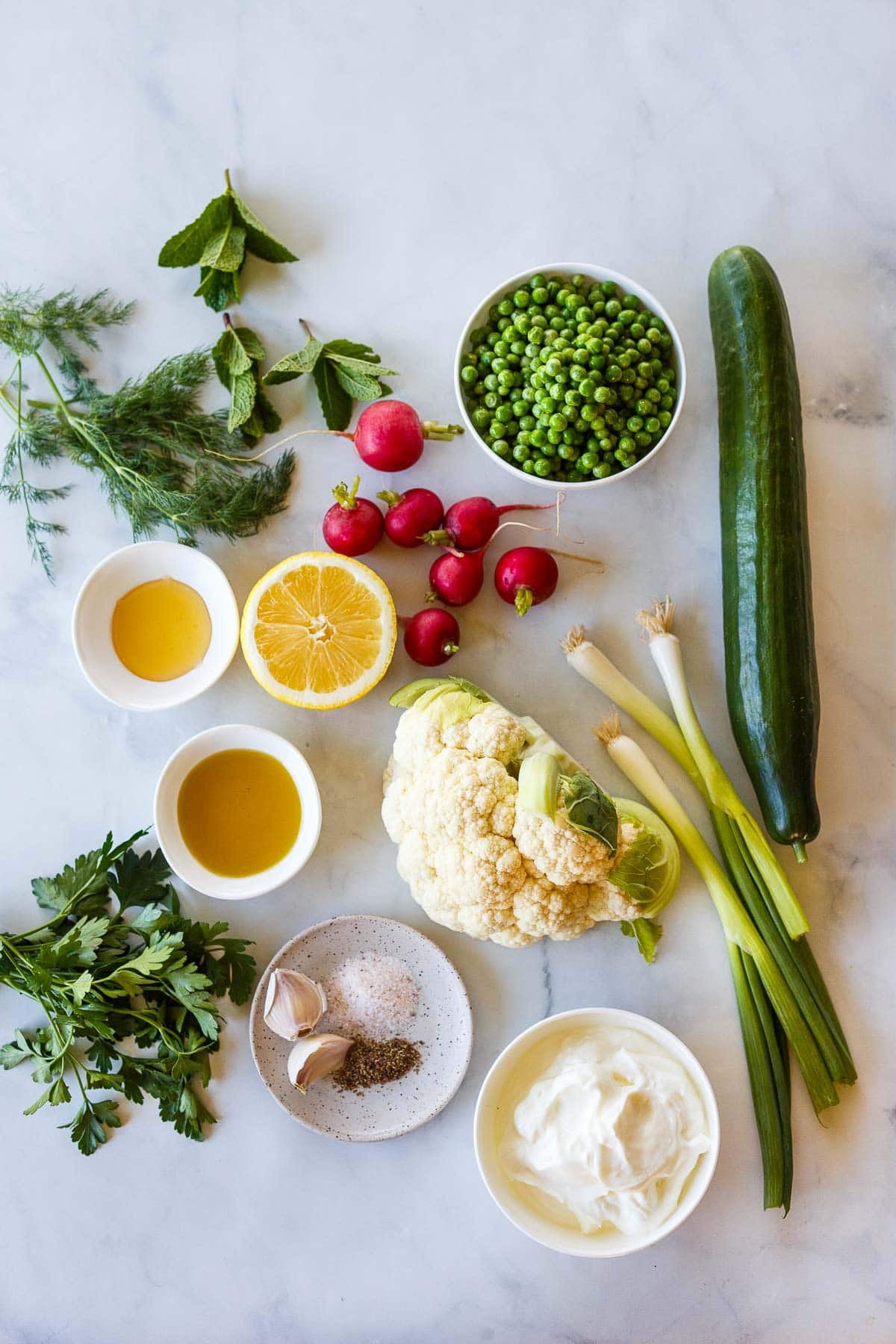
- Turkish Cucumbers: Chosen for their thin skin and low moisture content, providing a snap that contrasts with the softer, sweeter notes of the cauliflower.
- Sweet Peas or Edamame: These provide bursts of color and a secondary layer of plant-based protein.
- Radishes: These add a peppery, vibrant aesthetic and a sharp crunch.
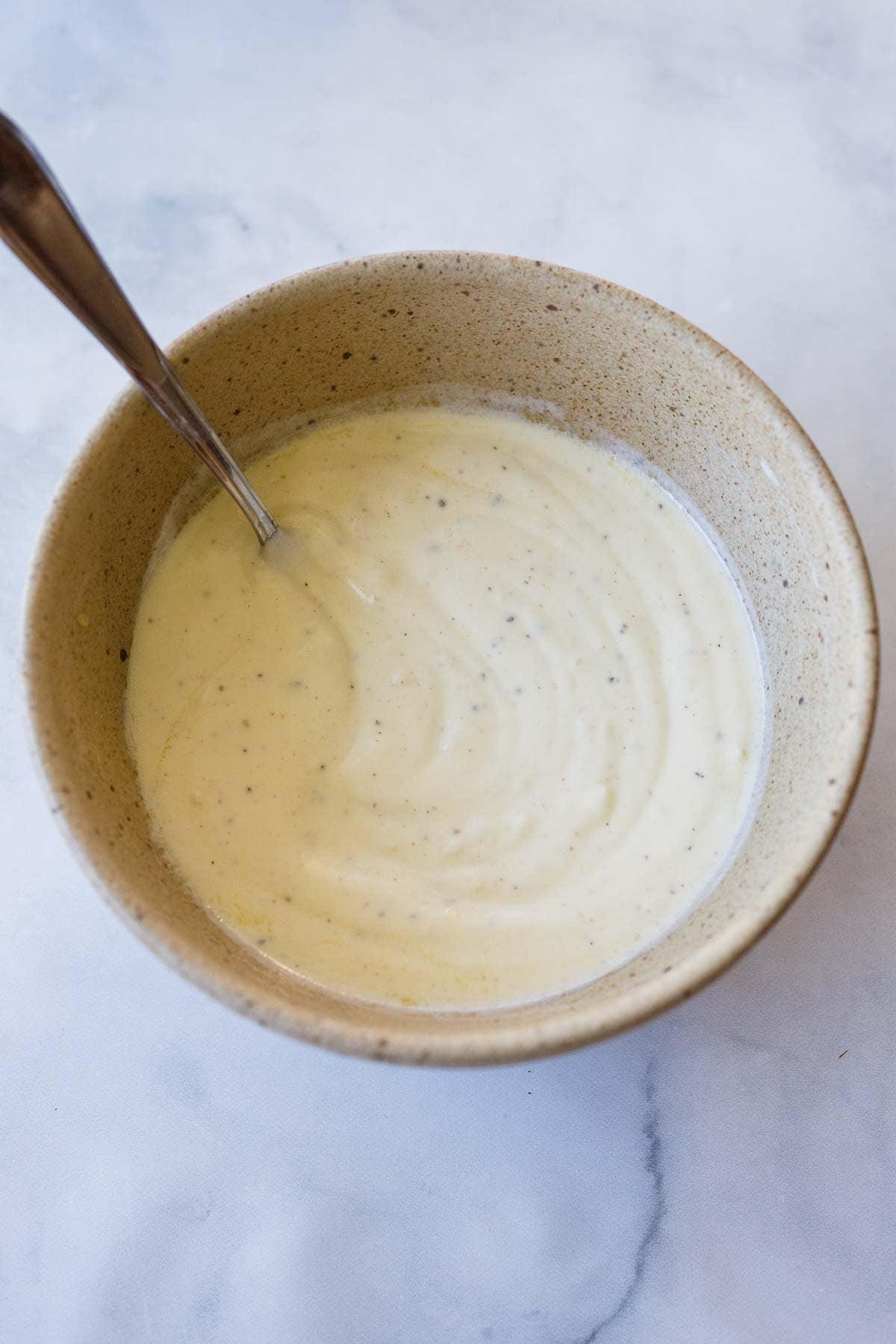
- The Dressing: A creamy, tangy emulsification of Greek yogurt, fresh garlic, lemon juice, olive oil, and a touch of honey. This dressing does not merely coat the ingredients; it acts as a marinade, softening the raw edges of the vegetables over time.
This dish is inherently gluten-free and can be easily adapted to be vegan, making it an inclusive centerpiece for modern gatherings.
Chronology: The Evolution of the Raw Salad Trend
For years, the culinary world focused on roasted or puréed cauliflower. It was the "low-carb potato" substitute, mashed into faux-potatoes or roasted until caramelized. The shift toward "raw preparation" began in earnest as health-conscious consumers sought to retain the high levels of Vitamin C, K, and fiber typically lost during the cooking process.
- The Early Conceptualization: Initially, raw cauliflower was relegated to crudité platters. Chefs began experimenting with mandolins to shave the florets, discovering that the surface area increased, allowing the vegetable to absorb dressings more effectively.
- The Integration of Dairy: Influenced by Middle Eastern and Mediterranean yogurt-based sauces (such as tzatziki or haydari), home cooks began replacing mayonnaise-based slaws with Greek yogurt. This transition provided a cleaner, more acidic tang that cut through the earthiness of the raw brassica.
- The Modern Refinement: Today, the dish is characterized by the "marination technique." By letting the salad sit for at least 15 to 20 minutes before serving, the salt and lemon juice work in tandem to draw out excess liquid, creating a "juicy" consistency that is prized for its ability to be paired with crusty sourdough or grilled proteins.
Supporting Data: Nutritional and Practical Value
The nutritional argument for the raw cauliflower salad is compelling. According to nutritional research on cruciferous vegetables, raw consumption provides superior access to myrosinase—an enzyme that helps the body process glucosinolates, compounds associated with anti-inflammatory and cancer-preventative properties.
Furthermore, the salad’s utility in meal prep cannot be overstated. Unlike most leafy greens that oxidize and turn brown when stored, this salad undergoes a positive transformation in the refrigerator. As the salt draws moisture from the cucumbers and cauliflower, the dressing thins and permeates the vegetables, resulting in a deeper, more cohesive flavor profile on days two and three. This "just-keeps-getting-better" quality makes it a staple for professionals and busy families looking to maintain healthy eating habits throughout the work week.
Official Perspectives: Expert Opinions on Culinary Versatility
Culinary experts often emphasize that this salad acts as a "bridge" dish. It is substantial enough to serve as a vegetarian main course—especially when boosted with protein sources like chickpeas or grilled halloumi—yet light enough to act as a palate cleanser alongside a heavy main dish.
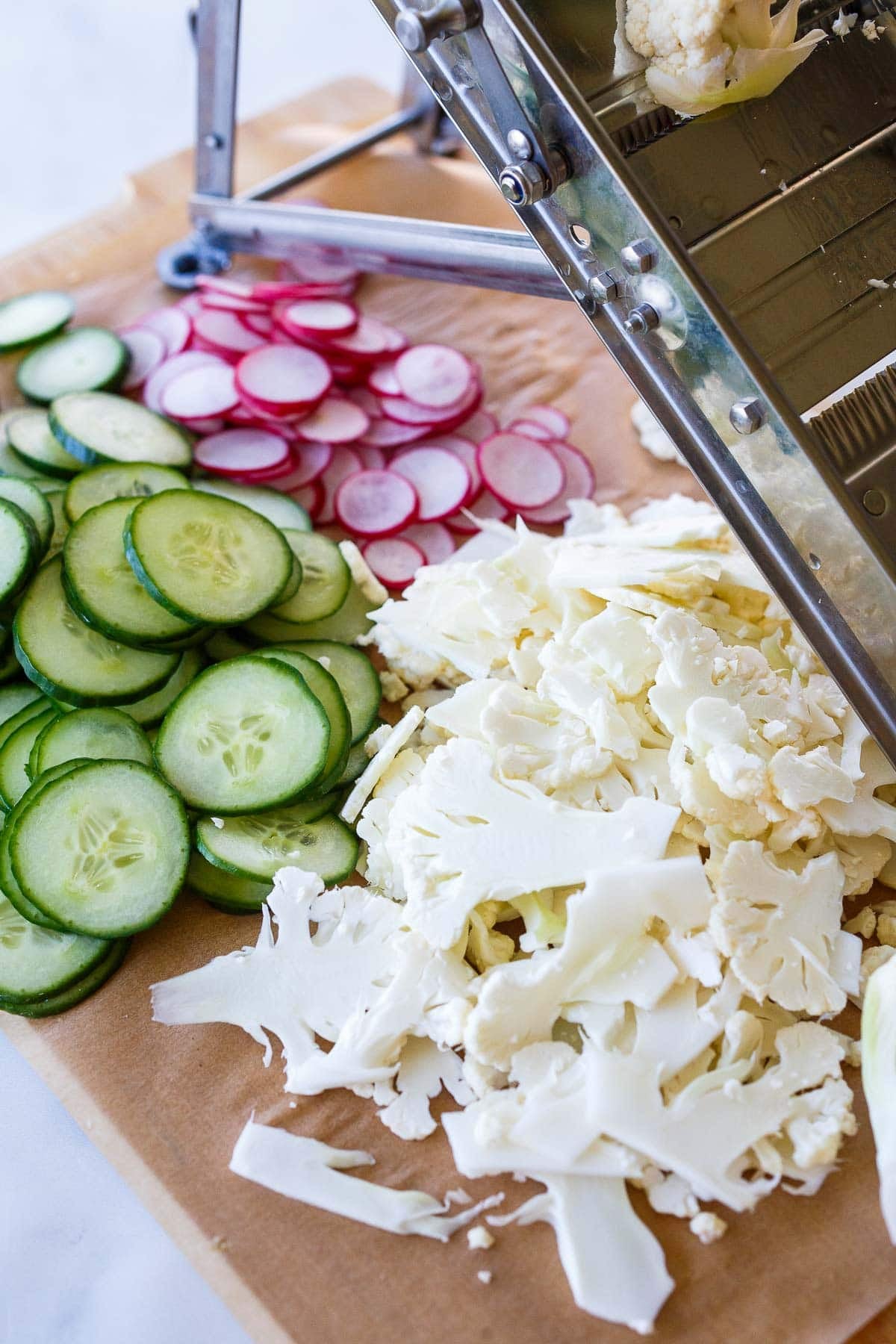
"The secret is the texture," says one culinary commentator. "When you shave the cauliflower, you lose the ‘woody’ stems that most people find off-putting. You are left with a grain-like texture that feels satisfying in the mouth. When you pair that with the sharp, acidic bite of a garlic-yogurt dressing, you achieve a level of complexity that far exceeds the effort required to prepare it."
The inclusion of fresh herbs—specifically mint, dill, and flat-leaf parsley—is not merely for garnish. These herbs provide a high concentration of antioxidants and contribute to the "fresh" aroma that defines the dish. The addition of Aleppo chili flakes or high-quality black pepper serves as the final, necessary punctuation mark, adding a subtle heat that prevents the creamy dressing from becoming monotonous.
Implications: The Future of Home Dining
As we look toward the future of home dining, the emphasis is clearly shifting toward "functional food"—dishes that are as good for the body as they are for the palate. The popularity of the raw cauliflower salad signals a broader movement away from processed, store-bought sides and toward simple, ingredient-focused preparation.
Why It Resonates
- Accessibility: With the right tools (a mandolin or a sharp chef’s knife), the prep time is minimal.
- Budget-Friendly: Cauliflower is a high-yield, affordable vegetable that is available year-round.
- Social Compatibility: It satisfies the demands of diverse dietary preferences, from gluten-free to low-carb and vegetarian, without requiring multiple versions of the same dish.
A Recipe for Longevity
The implication of this trend is that consumers are becoming more educated about their food sources. They want dishes that tell a story—where the crunch of a radish, the snap of a pea, and the tang of a cultured yogurt create a sensory experience. It is a dish that rewards patience; because it is better after a rest in the fridge, it encourages the cook to slow down and prepare ahead, rather than rushing through a frantic, last-minute kitchen routine.
Conclusion: A New Staple for the Modern Kitchen
The Raw Cauliflower Salad with Garlic-Yogurt Dressing is more than just a passing fad; it is a fundamental shift in how we approach one of the most versatile vegetables in our pantry. By stripping away the need for heat and focusing on the interplay of texture, acidity, and aromatic herbs, we unlock a potential that raw cauliflower has possessed all along.
Whether you are preparing it for a summer potluck, a mid-week work lunch, or an elegant dinner starter, the principles remain the same: quality ingredients, precise slicing, and the patience to allow the flavors to marry. As it stands, this salad is a testament to the fact that the most impressive dishes are often the ones that rely on the brilliance of raw, whole foods.
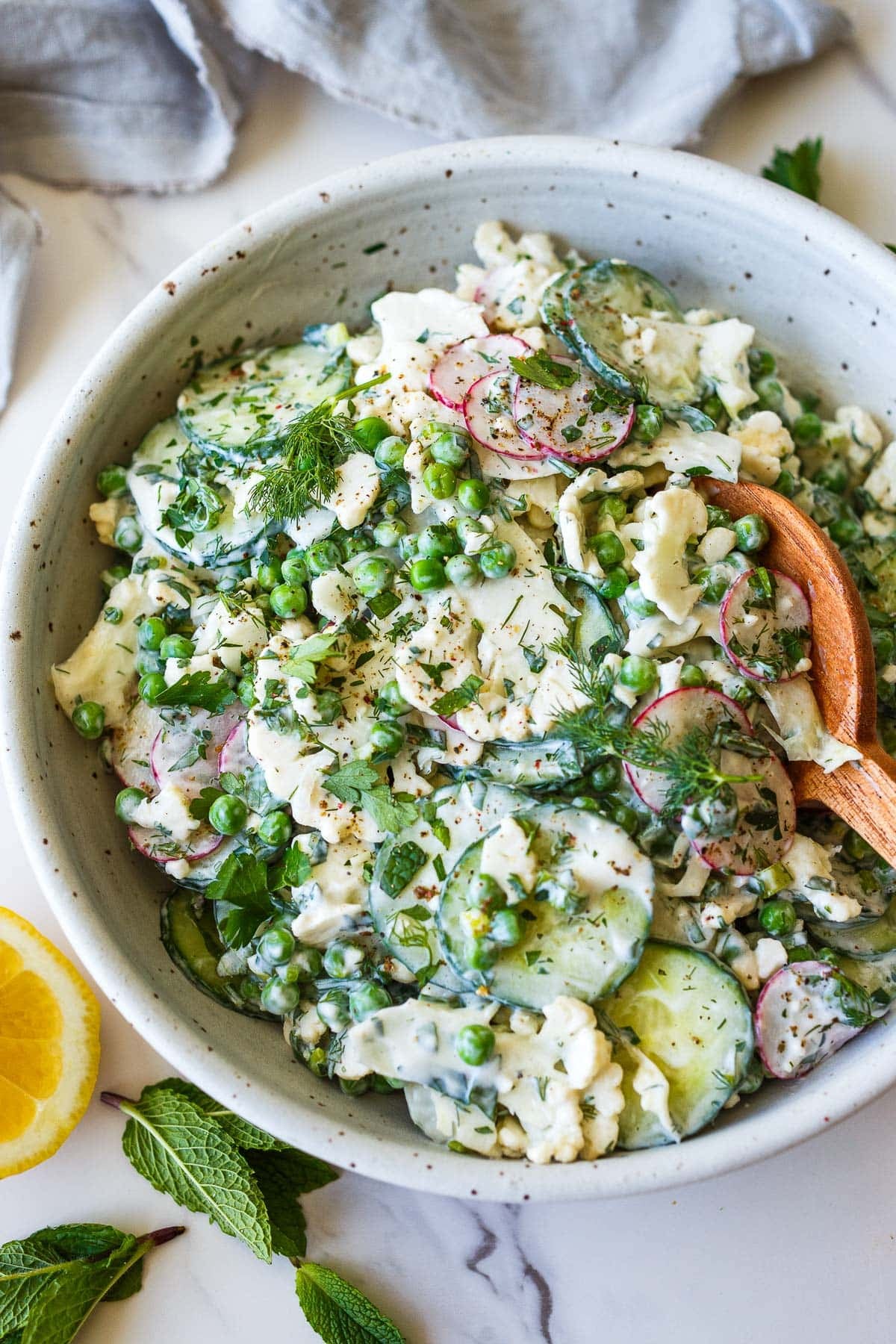
As you incorporate this into your own kitchen repertoire, consider the endless variations: swap the peas for edamame, add toasted sunflower seeds for an extra crunch, or introduce a hint of sumac to elevate the tang of the yogurt. The salad is a canvas, and the cauliflower is the perfect, sturdy foundation. Give it a try, and you will likely find it becoming a permanent fixture in your weekly meal rotation—a "happy meal" that satisfies in every sense of the word.


 Azzam Bilal Chamdy
 Sagoh
Sagoh