

 Dwi Wanna
 Nana Wu
 Muslim
 Reynand Wu
 Ammar Sabilarrohman
 Nila Kartika Wati
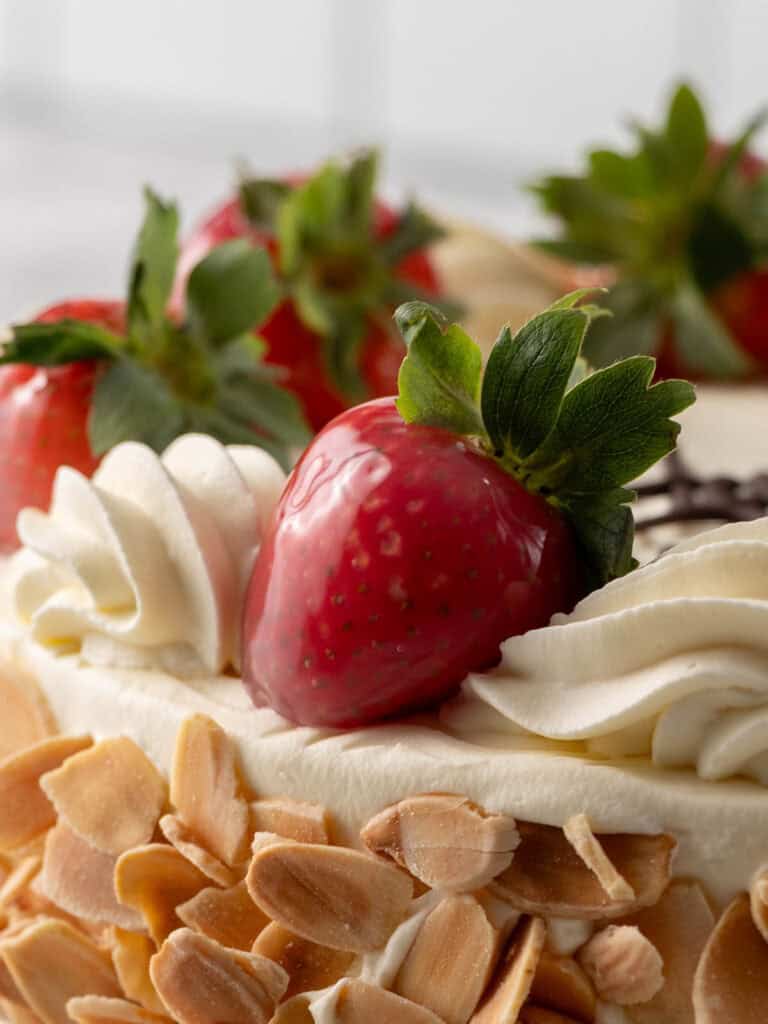
For decades, the Continental Cake—or Italian Rum Cake—has been the undisputed centerpiece of celebrations in Mediterranean households across Melbourne and Sydney. With its delicate, rum-infused layers, alternating pools of rich vanilla and chocolate custard, and a signature finish of toasted almonds and glazed strawberries, it is a culinary icon. Yet, for many home bakers, recreating the precise texture and structural integrity of the version found in local European-style bakeries has remained an elusive goal.

After two months of intensive development and 27 rigorous test bakes, Nick, the creative force behind The Scranline, has finally unlocked the formula. This guide provides an exhaustive look into the anatomy of the perfect Continental Cake, moving beyond standard sponge recipes to deliver a professional-grade result that rivals the finest commercial bakeries.
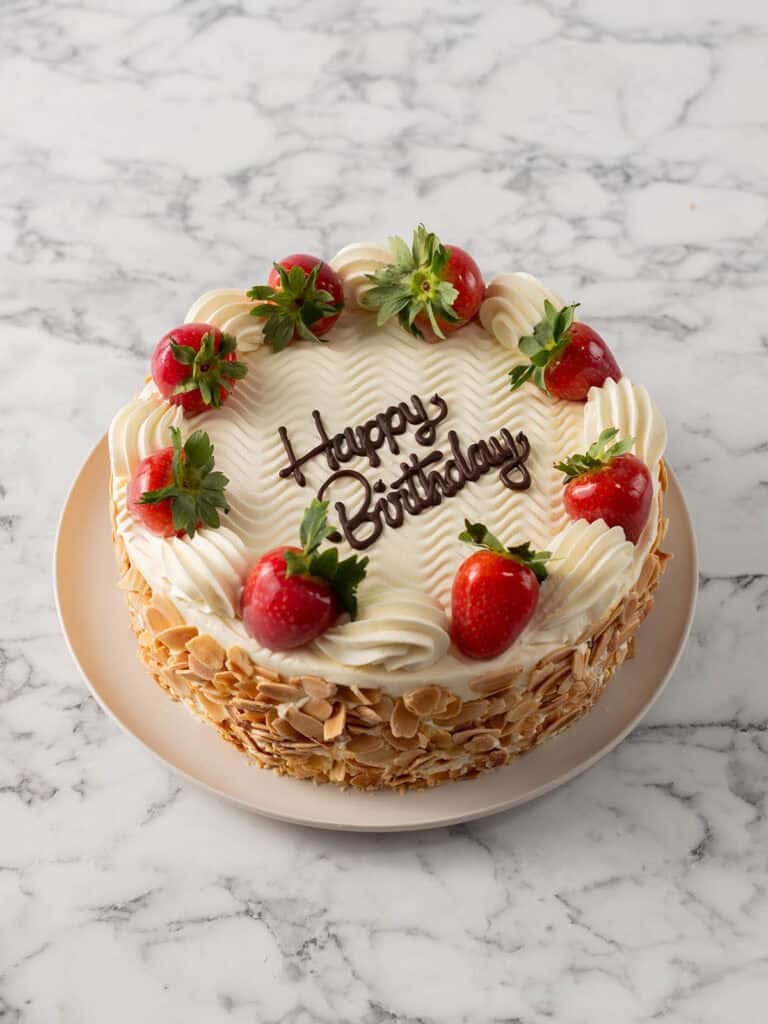
The Anatomy of a Perfect Continental Cake
The Continental Cake is more than a dessert; it is a delicate balancing act of moisture, stability, and flavor. The challenge lies in the "sponge-to-custard" ratio. If the sponge is too dry, it fails to absorb the rum syrup; if it is too soft, it collapses under the weight of the dual-custard layers.
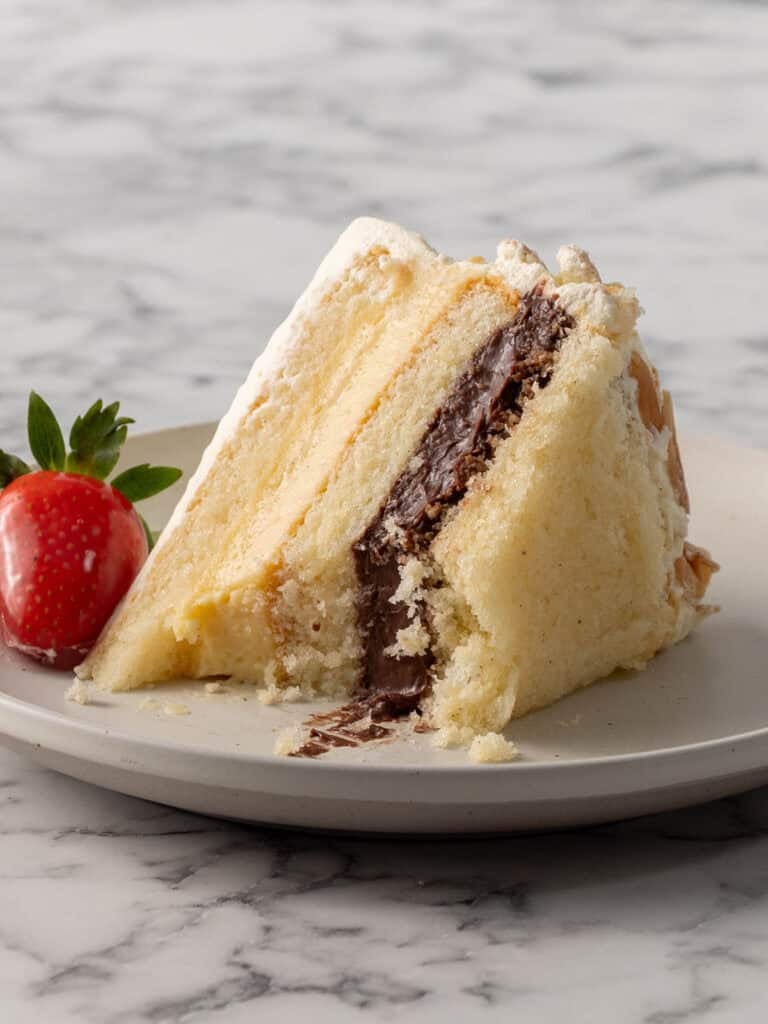
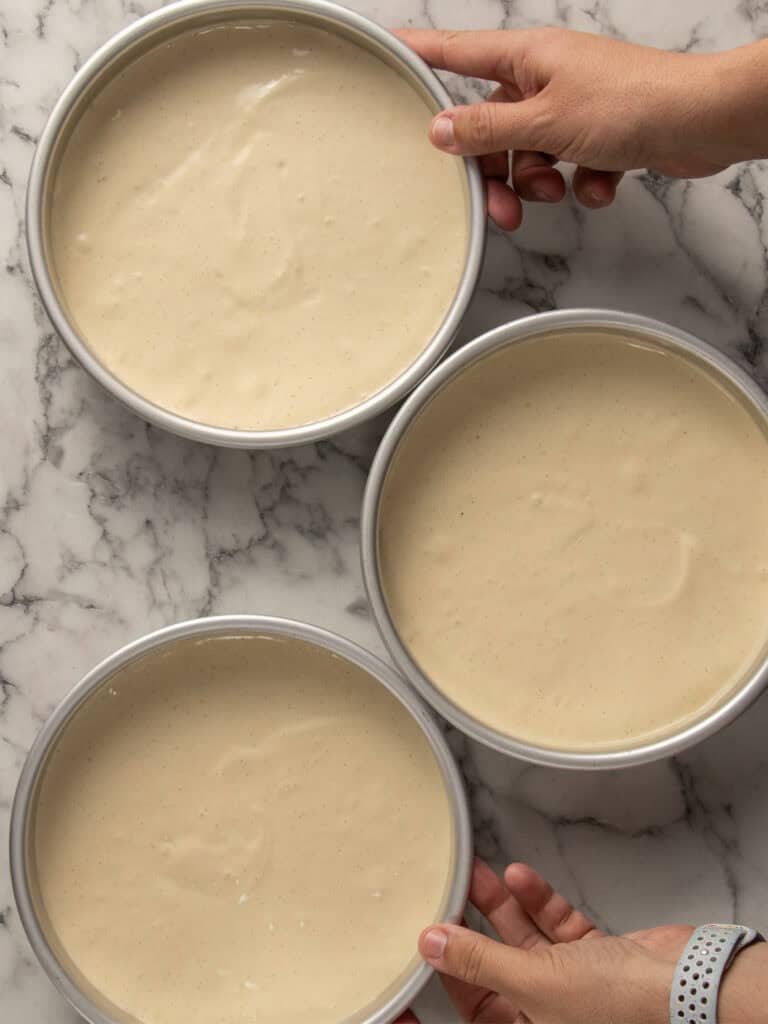
The breakthrough in this recipe came after 23 failed attempts using traditional sponge cake methods. The solution was the adoption of a chiffon-based sponge. Chiffon cake provides a "meaty" yet airy crumb that acts like a sponge, soaking up the syrup without turning into a soggy mess. This is the structural foundation that differentiates a high-quality bakery cake from a lackluster home-baked version.
Chronology of Development: A Two-Day Workflow
Creating a professional-level Continental Cake is a process that demands patience. While it is theoretically possible to complete the project in a single day, it is highly recommended to split the workload over two to three days to ensure each component reaches the proper temperature and consistency.
Day 1: The Foundations
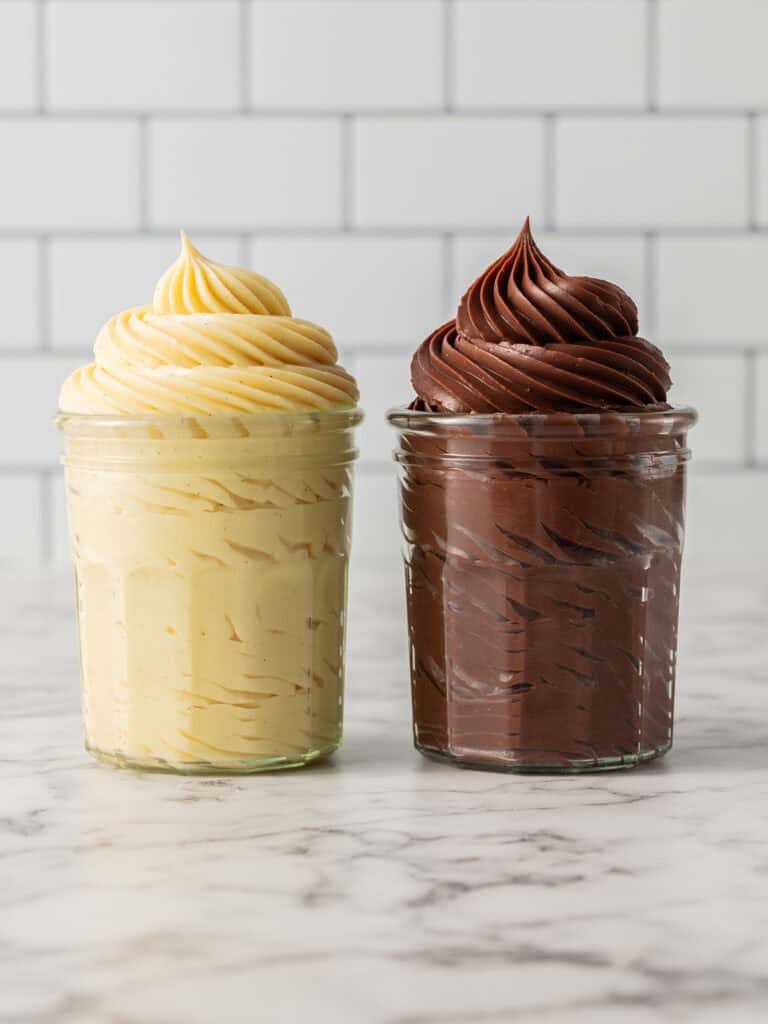
The initial phase focuses on the "heavy lifting." This involves preparing the chiffon sponges and the pastry cream. The pastry cream is particularly critical; it requires precision. By utilizing a French pastry cream method, the custard is cooked in a single pot, ensuring it is thick enough to support the weight of the layers without the need for excessive gelling agents.
Day 2: Assembly and Finishing
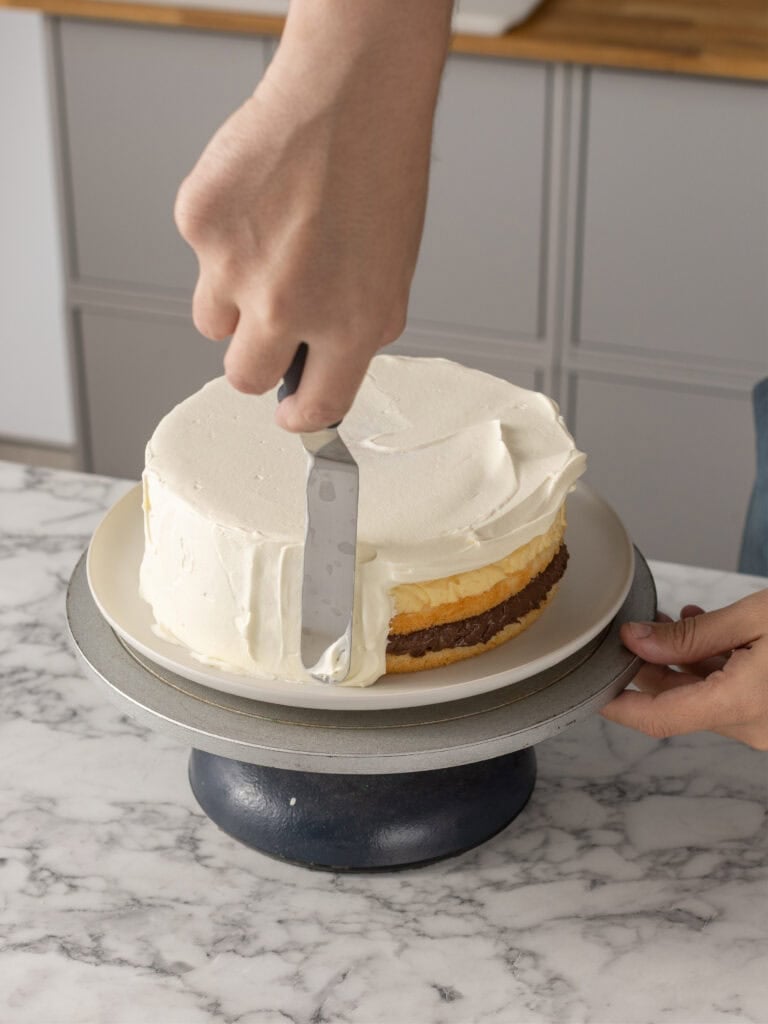
The second day is dedicated to the assembly. This is where the "overnight set" becomes the secret weapon. The cake should be layered and left to rest for at least four to eight hours—preferably overnight—before the final frosting. This resting period allows the rum syrup to migrate evenly through the sponge and the custards to firm up, ensuring clean, sharp slices when served.
Supporting Data: The Science of Ingredients
The superiority of this recipe lies in the specific choice of ingredients, which have been tested to ensure the cake remains stable outside of the refrigerator for a reasonable duration.
1. The Cream Factor: Chantilly vs. Mock Cream
Most commercial bakeries utilize "mock cream" because of its stability in ambient temperatures. However, for a superior taste profile, this recipe employs a stabilized Chantilly cream. By folding mascarpone into the whipped cream, the fat content is bolstered, providing structural stability that allows the cake to remain in the fridge for days without weeping or losing its loft.
2. The Custard Technique
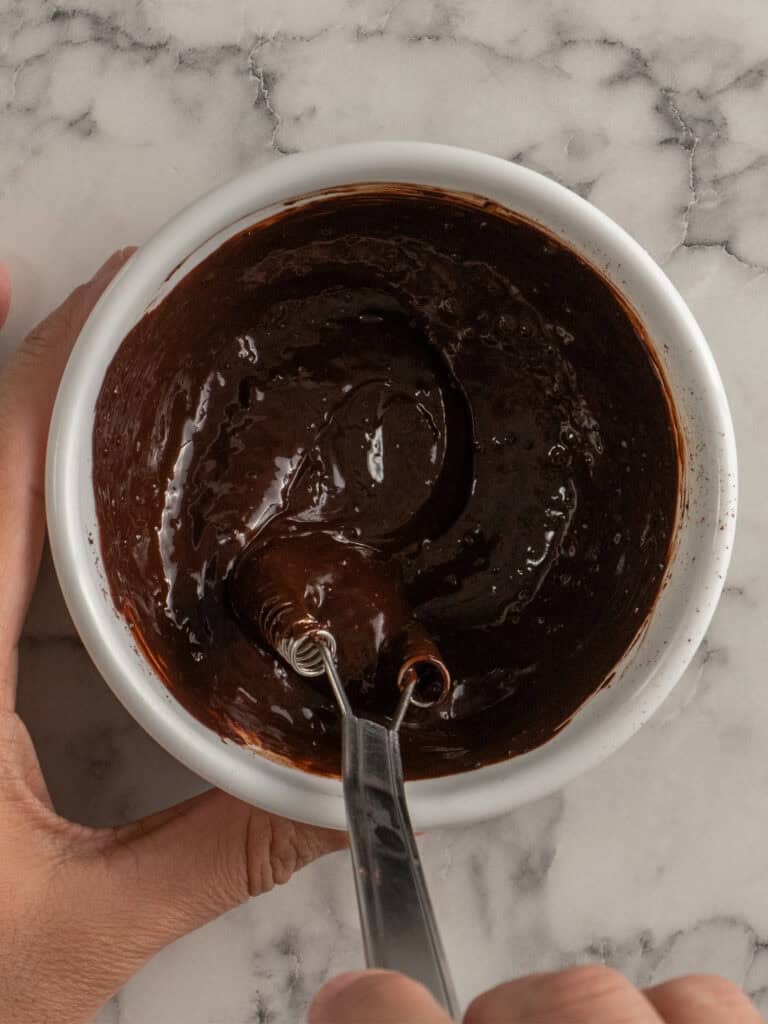
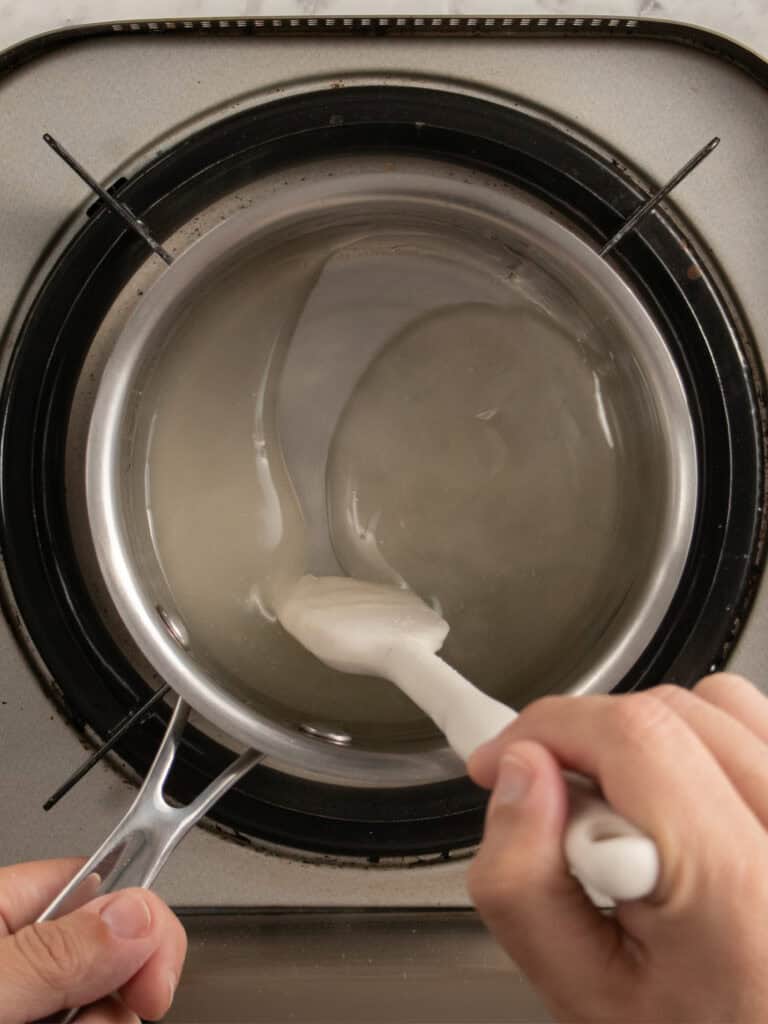
To achieve a silky, lump-free pastry cream, the method of agitation is paramount. The use of a metal whisk—rather than a silicone spatula—is essential in a stainless-steel pot. The metal-on-metal contact prevents the formation of clumps during the thickening process. Furthermore, using an electric hand mixer to whip the chilled vanilla and chocolate custards immediately before assembly ensures a spreadable, velvet-like consistency.
3. The Almond Finish
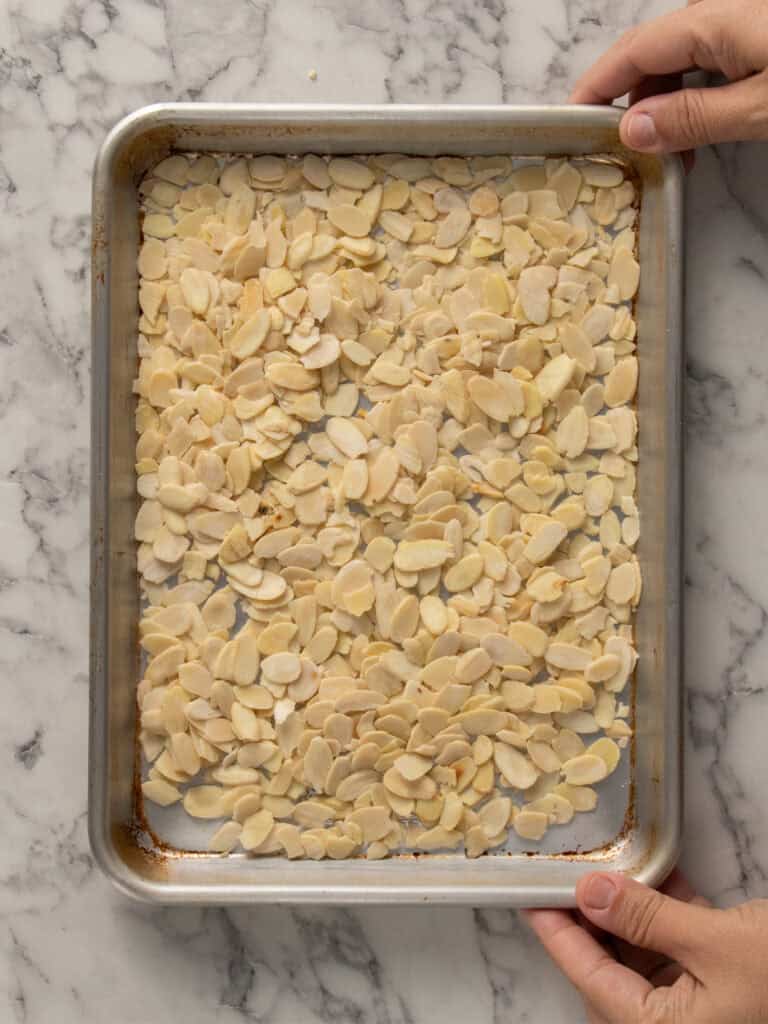
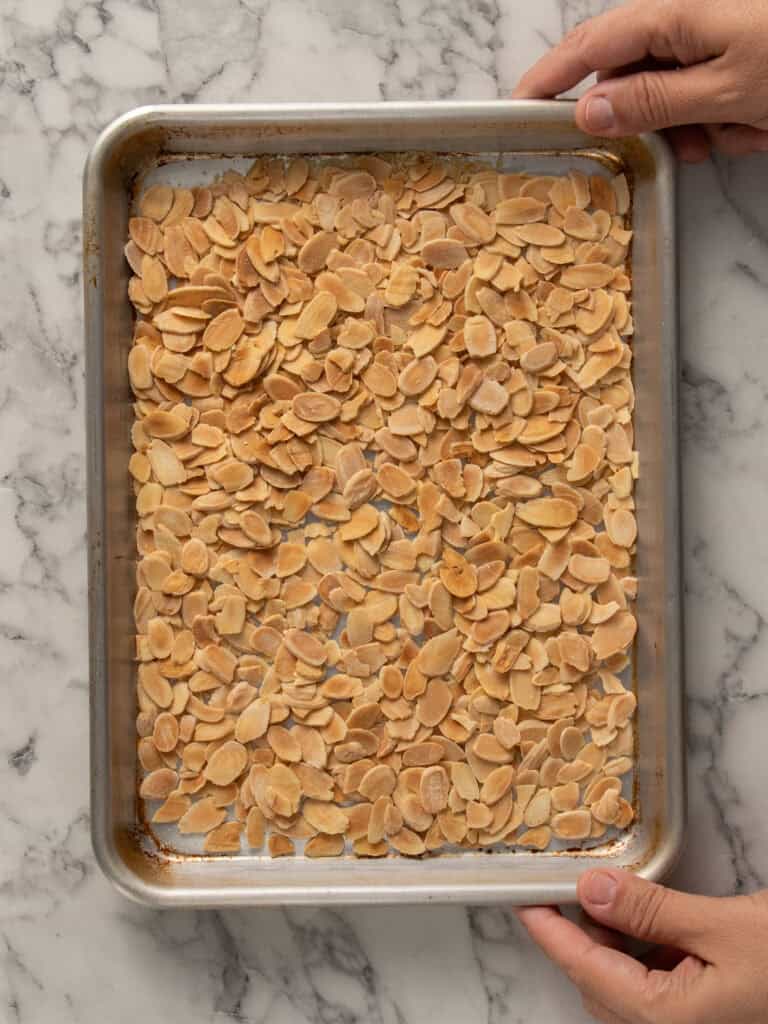
The sides of a traditional Continental Cake are coated in toasted flaked almonds. While some budget-friendly bakeries substitute these with crushed peanuts, the authentic experience relies on the subtle, nutty crunch of toasted almonds. Baking these at 180°C (340°F) for six to eight minutes transforms their flavor profile, adding a necessary depth that complements the sweetness of the strawberries.
Professional Insights: Expert Tips for Success
When asked about the common pitfalls in baking this cake, the focus often turns to the preparation of the cake tins.
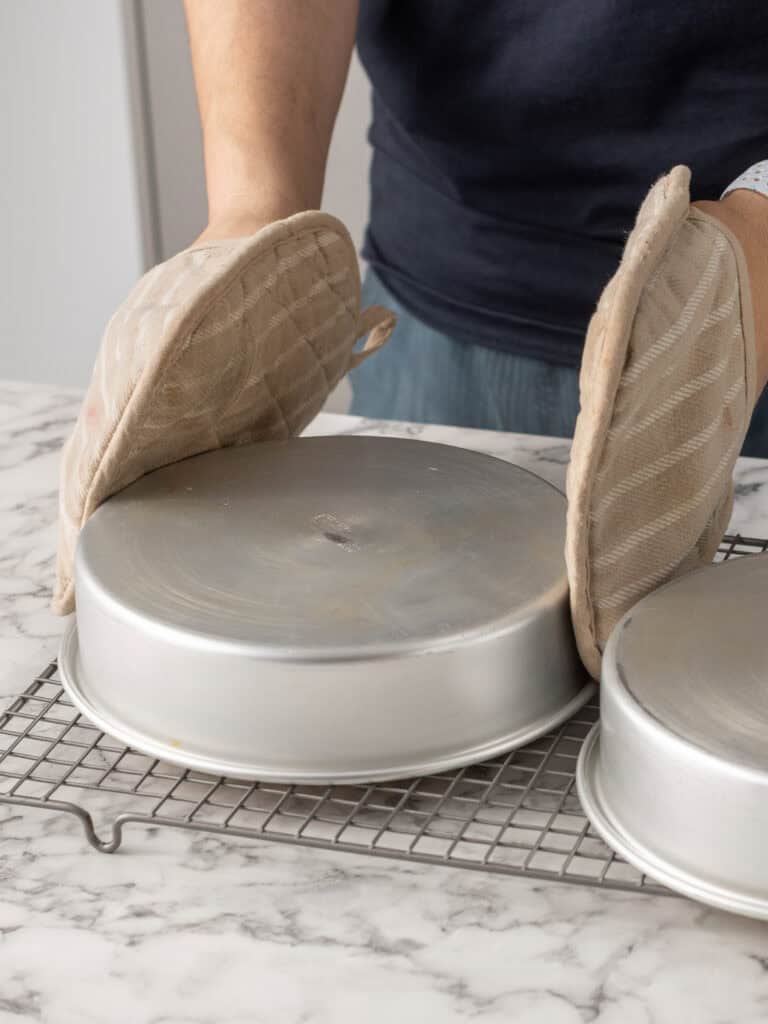
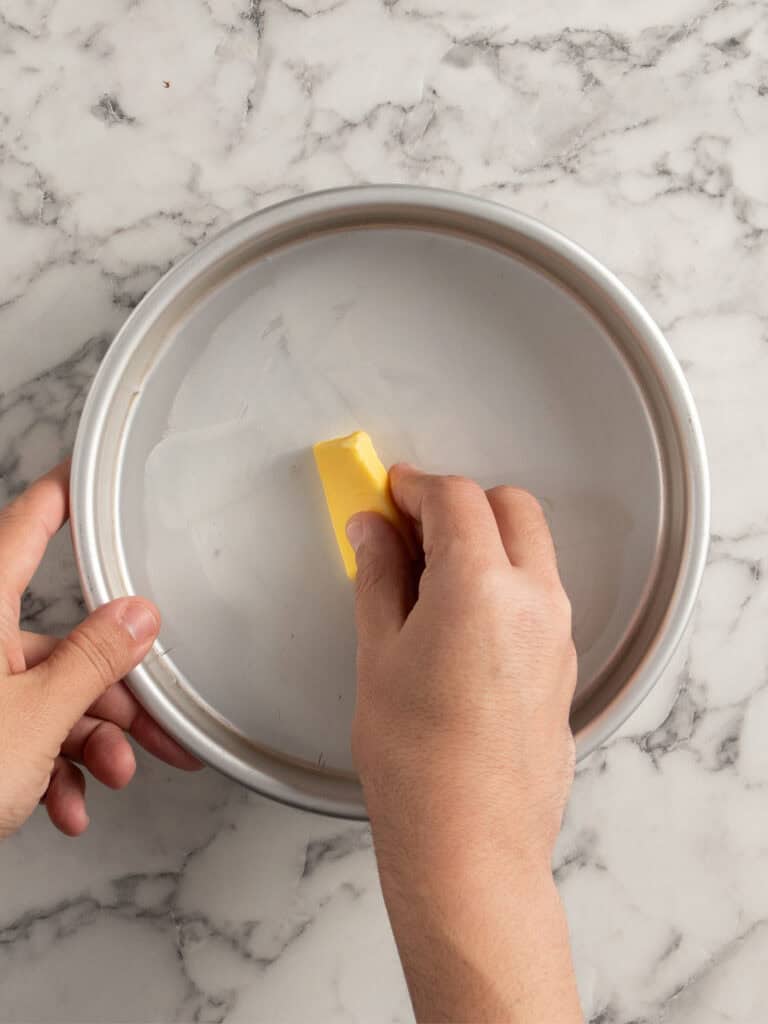
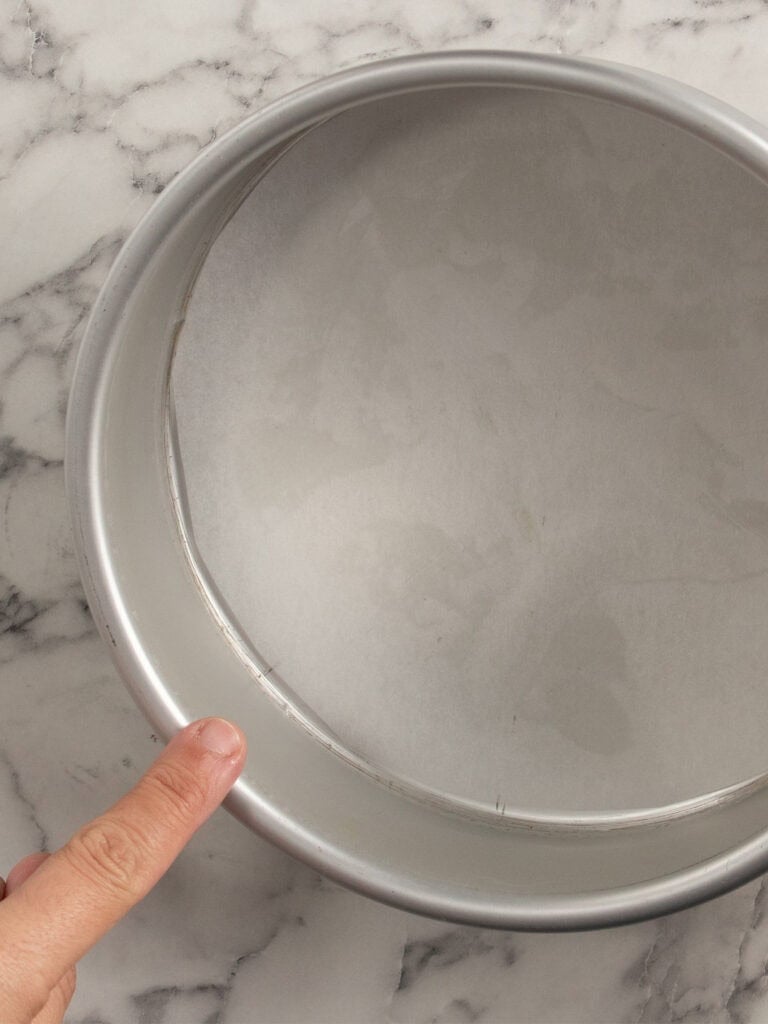
- Greasing Guidelines: Unlike many recipes that suggest oil spray, rubbing cold butter onto the bottom of the tin (and lining only the base with parchment) is the professional standard. By leaving the sides of the tin ungreased, the sponge is forced to "climb" the walls as it bakes. This prevents the cake from shrinking away from the edges, resulting in a perfectly uniform round shape.
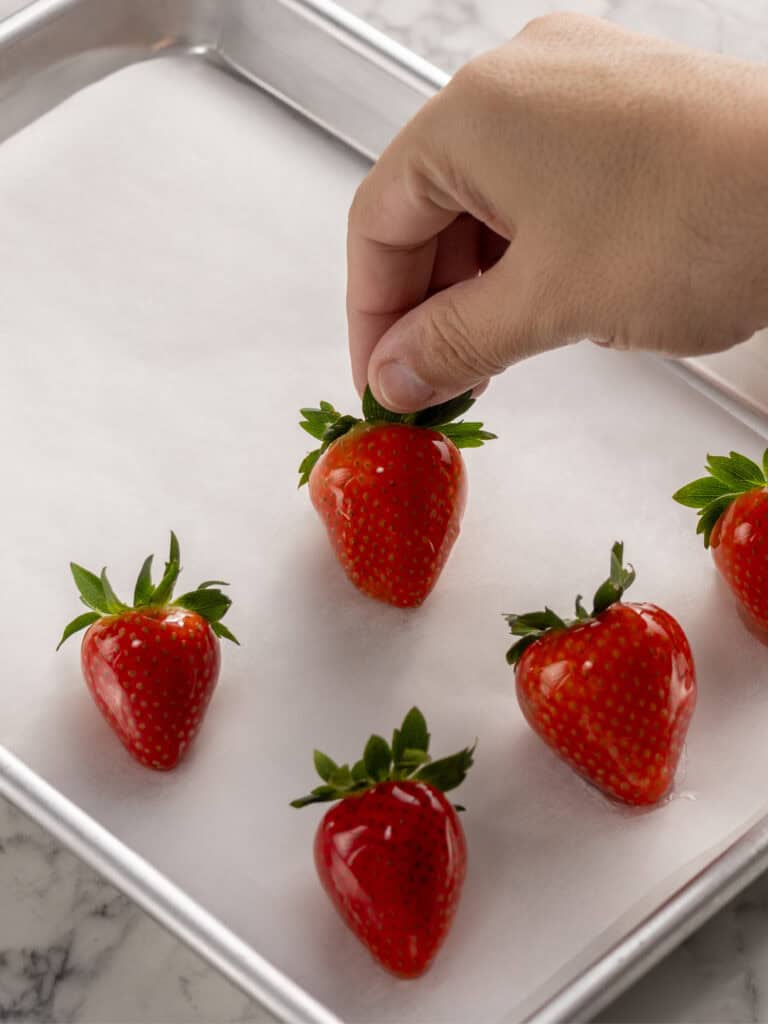
- The Glaze: The strawberry glaze is the "jewelry" of the cake. It must be prepared only when the assembly is complete. If the glaze is made too far in advance, it will set or turn lumpy. A pro-tip for the home baker: adding a tiny drop of liquid red food dye to the glaze can make the natural color of the strawberries "pop" under professional lighting.
- The Piping Template: For those looking to add a personalized touch, using a printable script template placed under the parchment paper allows for perfectly symmetrical chocolate messaging, a hallmark of high-end patisseries.
Implications for the Home Baker
The primary implication of this research is the democratization of professional-grade pastry. Historically, the "Continental Cake" was viewed as a product of specialized bakery training, requiring ingredients and equipment unavailable to the average consumer. By demystifying the chiffon-chiffon-custard ratio and providing a clear, two-day workflow, this recipe bridges the gap between domestic kitchens and commercial bakery standards.
Furthermore, the emotional resonance of this cake cannot be overstated. In many communities, especially within Melbourne’s vibrant Greek and Italian populations, this cake is synonymous with milestone celebrations. Being able to present a homemade version that exceeds the quality of a local bakery offers a level of personal satisfaction that is hard to replicate.
Conclusion: A New Standard for Celebratory Baking
The perfection of the Continental Cake is a testament to the power of iteration. Through 27 tests, the process has been refined to eliminate the "soggy sponge" and "runny custard" issues that plague amateur attempts.

By prioritizing the use of heavy cream, high-quality dark cooking chocolate, and a precise chiffon structure, home bakers now have the tools to create a cake that is not only a visual showstopper but a triumph of texture and flavor. Whether for a birthday, anniversary, or a Sunday gathering, this recipe provides the definitive roadmap to mastering one of the world’s most beloved bakery staples.

Quick Reference Guide for Success:
- Servings: 20 slices
- Prep Time: 1 hour 30 minutes
- Cook Time: 45 minutes
- Cooling Time: 9 hours (mandatory for structural integrity)
- Storage: Keep refrigerated in an airtight container for up to three days.
For those ready to undertake this project, remember: the secret lies in the patience of the overnight set. Do not rush the assembly, and ensure your custard is thoroughly chilled before it meets the sponge. Your future guests will appreciate the effort.


 Azzam Bilal Chamdy
 Sagoh
Sagoh