 Dwi Wanna
 Nana Wu
 Muslim
 Reynand Wu
 Ammar Sabilarrohman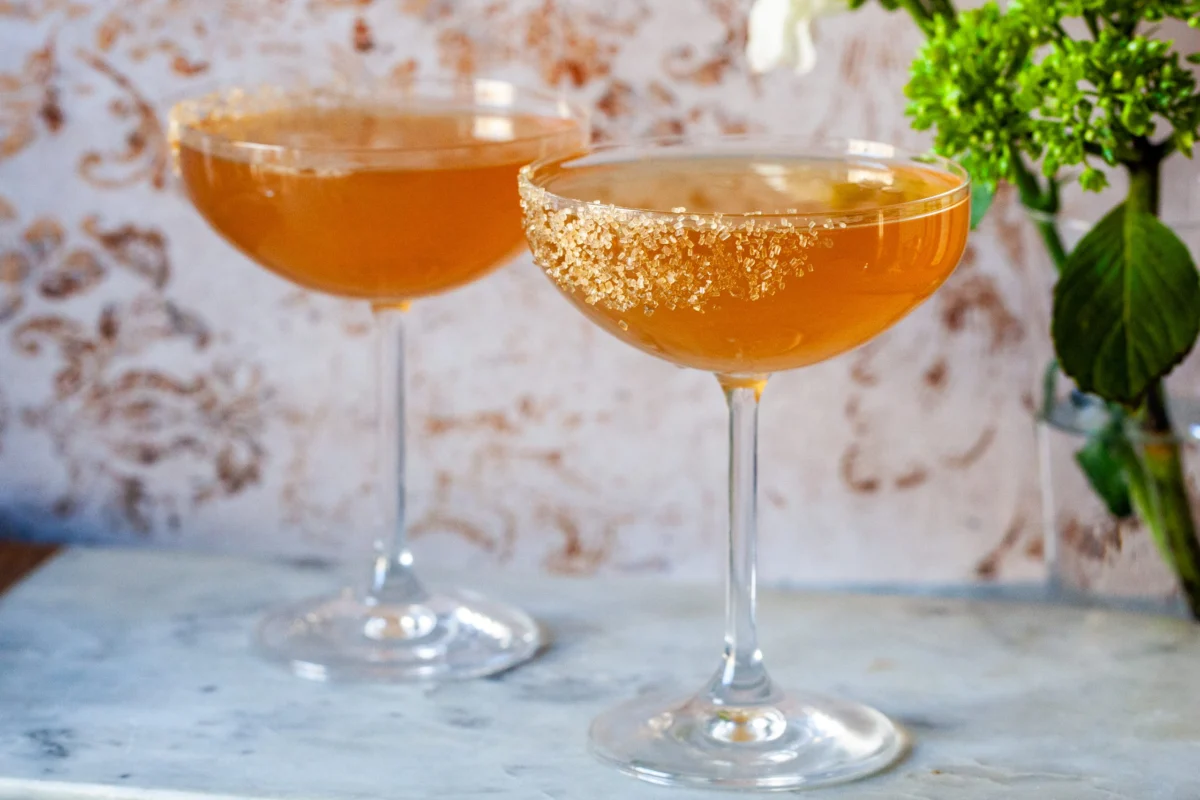
For nearly two decades, the digital landscape of culinary commentary has been shaped by a select group of voices who don’t just share recipes—they dictate the rhythm of the home-bar zeitgeist. Among the most influential is the long-standing tradition of “cocktail evangelism,” a practice of deep-diving into specific spirits and mixers until they become household staples. After years of guiding readers through the nuances of the Porch Swing, the seasonal precision of the Blood Orange Margarita, and the enduring complexity of a Perfect Manhattan, the current focus has shifted toward a drink that is as historically murky as it is undeniably delicious: the Sidecar.
Often described as the "French cousin" of the margarita, the Sidecar is a cornerstone of the 1920s cocktail canon. Its recent return to popularity is not merely a trend, but a testament to the drink’s structural perfection and its ability to bridge the gap between classic sophistication and modern accessibility.
Main Facts: The Anatomy of a Classic
At its most fundamental level, the Sidecar is a "Daisy"—a category of cocktails characterized by a base spirit, a citrus modifier, and a sweetening agent. The standard Sidecar template traditionally adheres to a 2:1:1 ratio: two parts cognac, one part orange liqueur, and one part lemon juice.
However, the beauty of the Sidecar lies in its adaptability. Recent iterations have seen a slight departure from the traditional proportions, with many mixologists and home bartenders opting to dial back the lemon juice slightly. This adjustment shifts the profile from aggressively tart to a more rounded, velvety experience, highlighting the depth of the cognac without sacrificing the brightness that makes the drink refreshing.

While Cognac—a specific type of brandy from the Charente region of France—is the canonical choice, the cocktail has proven remarkably resilient. Variations substituting bourbon for the grape-based spirit have begun to surface in craft bars across the country, suggesting that the "Sidecar" is less about strict adherence to a single ingredient and more about the harmony of its three core components.
A Chronology of Confusion: Unraveling the Origins
The Sidecar is a drink shrouded in legend. Its provenance is as conflicting as it is colorful, with historians and bartenders often citing two primary, yet wildly different, origin stories.
The World War I Theory
The most frequently cited—and arguably most entertaining—narrative centers on an American army captain stationed in Paris during the final years of World War I. According to this legend, the captain was a frequent patron of the Ritz Hotel or the legendary Harry’s New York Bar. He reportedly arrived at the bar each evening in the sidecar of a motorcycle. Whether he was the driver or a passenger remains a point of contention among historians, but the story goes that he requested a drink that would mimic the sharpness and the intensity of his commute. The bartender, amused by the captain’s vehicular signature, named the concoction of cognac, orange liqueur, and lemon juice in his honor.
The "Leftover" Theory
A more pragmatic, albeit less cinematic, explanation suggests the name is purely functional. In this version, bartenders would occasionally find themselves with a small amount of cocktail remaining in the shaker after filling the guest’s glass. This "sidecar" of liquid was poured into a secondary, smaller glass and served alongside the main drink. Over time, the name became associated with the recipe itself rather than the byproduct of a heavy-handed pour.

Regardless of which story one chooses to believe, both point to a common denominator: the drink is a product of the early 20th century, a time when the world was undergoing rapid modernization, and the cocktail culture was reflecting that shift toward speed, boldness, and international flair.
Supporting Data: The Science of the "Sparkle"
One of the most debated elements of the Sidecar is the sugared rim. Purists often argue that the cocktail is sufficiently balanced—sweet enough to be palatable, yet acidic enough to be sharp—without the need for additional sweetness.
However, from an aesthetic and sensory standpoint, the sugared rim serves a vital purpose. When raw sugar is applied to the rim of a coupe or martini glass, it catches the light, providing a golden glint that elevates the presentation from a simple drink to a visual experience. In the context of modern mixology, where the "Instagrammability" of a drink is often as important as its flavor profile, the rim provides that necessary "sparkle."
Beyond the aesthetics, the sugar serves as a tactile experience. As one sips, the granules provide a textural contrast to the silky, ice-cold liquid. When preparing the rim, a common technique involves swiping a wedge of lemon around the edge of the glass and rolling it in raw sugar. This ensures that the sugar adheres firmly, providing a consistent experience from the first sip to the last.

Professional Perspectives and Industry Evolution
The professional shift toward the Sidecar is reflective of a larger movement in the culinary world: the "back to basics" approach. After years of complex, multi-ingredient cocktails featuring obscure bitters and house-made shrubs, there is a palpable fatigue among consumers who are returning to simple, high-quality, three-ingredient recipes.
"The Sidecar is the ultimate litmus test for a bartender," says one industry observer. "Because there are so few ingredients, there is nowhere for a poor-quality spirit to hide. If you use a cheap, harsh cognac, the drink fails. If you use fresh, high-quality lemon juice and a balanced Cointreau, the drink is transcendent."
Industry experts also note that the versatility of the drink makes it an excellent gateway for those looking to expand their palate beyond the standard gin or vodka mixers. It provides an entry point into the world of brown spirits—specifically brandy and cognac—without the intimidating complexity often associated with sipping them neat.
Implications: The Future of the Home Bar
The resurgence of the Sidecar carries significant implications for the home-bartending market. As consumers become more discerning about their home inventory, the demand for high-quality orange liqueurs and versatile cognacs is expected to rise.

Furthermore, the drink’s history of "conflicting stories" highlights the importance of the experience of the cocktail. A drink is not merely a caloric intake; it is a narrative. Whether the drinker believes the story of the motorcycle-riding captain or the practical bartender, the act of shaking the cocktail until the metal is "unpleasantly cold to hold" has become a ritualistic element of the modern home gathering.
As we look toward the future of cocktail trends, the Sidecar proves that longevity is not achieved through novelty, but through balance. It is a drink that respects the past while remaining perfectly suited to the modern palate. It is, perhaps, the final word on what makes a cocktail "classic"—it is a drink that, no matter how many times we return to it, feels like it has never been away.
How to Prepare the Perfect Sidecar
For those looking to recreate this 1920s classic at home, follow these guidelines:
- The Rim: Swipe a lemon wedge around the rim of your glass. Roll the edge in raw sugar to create a delicate, sparkling crust.
- The Mix: In a cocktail shaker, combine 2 parts cognac, 1 part orange liqueur (such as Cointreau), and slightly less than 1 part fresh-squeezed lemon juice.
- The Chill: Fill the shaker with ice. Shake vigorously until the shaker is so cold it is uncomfortable to hold. This is essential for proper dilution and temperature.
- The Pour: Strain into your prepared glass. Serve immediately.
Whether you enjoy it with the traditional cognac or experiment with a bourbon-based variation, the Sidecar remains a testament to the fact that sometimes, the best recipes are the ones that have been waiting in the wings for a century, ready for a new generation to rediscover their charm.

 Azzam Bilal Chamdy
 Sagoh
Sagoh