

 Dwi Wanna
 Nana Wu
 Muslim
 Reynand Wu
 Ammar Sabilarrohman
 Basiran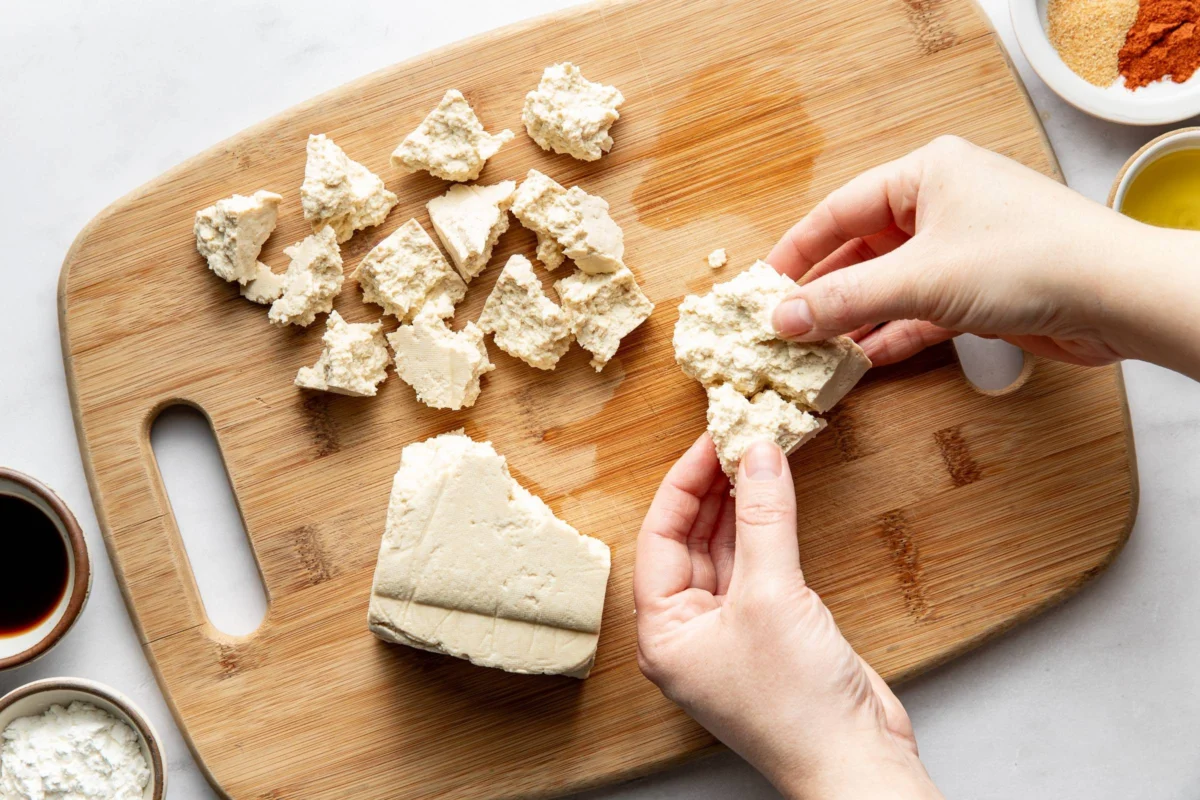
In the modern landscape of home cooking, the intersection of convenience, nutrition, and bold flavor has become the ultimate "holy grail" for busy households. Among the myriad of plant-based dishes emerging from food media, one specific recipe has recently captured the attention of culinary enthusiasts: Bang Bang Tofu. A clever, vegan-friendly adaptation of the classic “Bang Bang” flavor profile—traditionally associated with shrimp—this dish has transitioned from a niche dietary experiment to a staple of the weeknight dinner rotation.
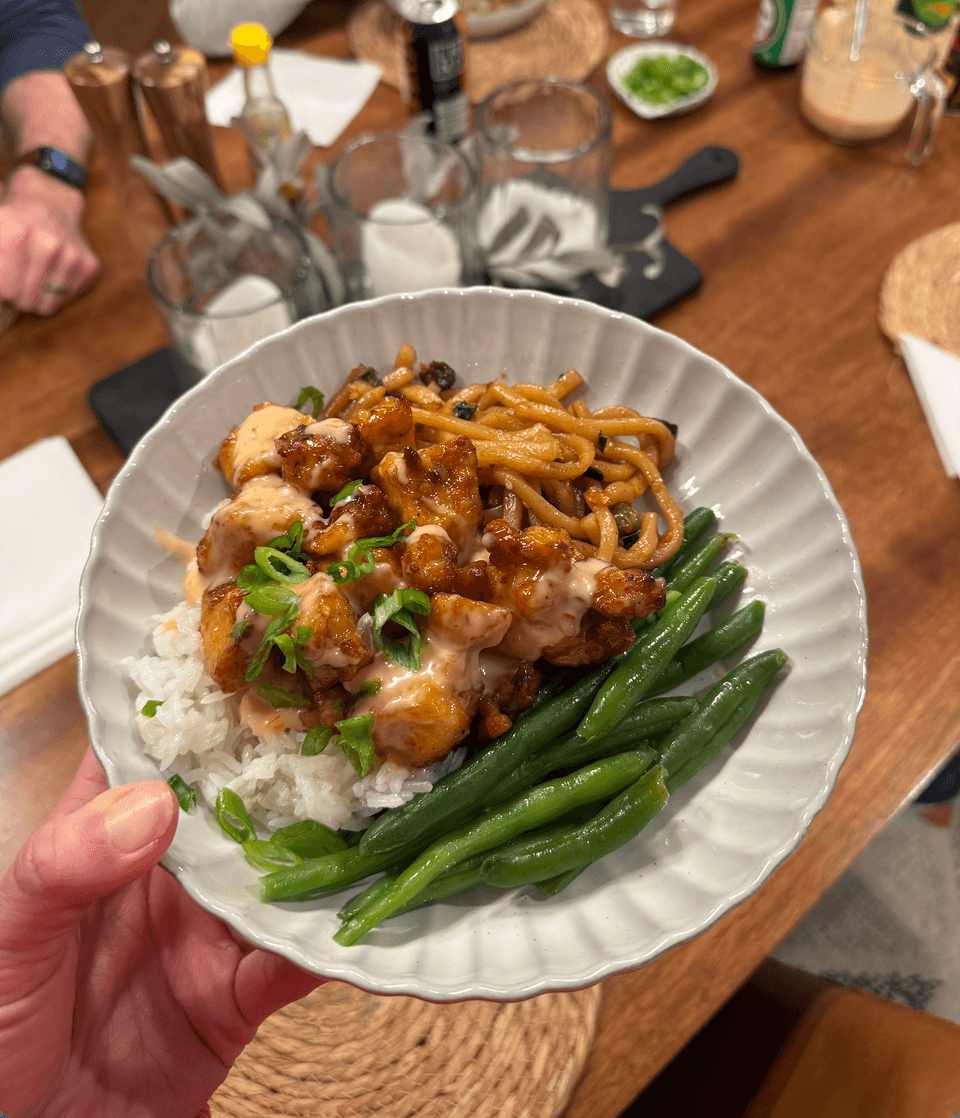
Characterized by its signature contrast of ultra-crispy edges and a sticky, sweet-and-spicy glaze, Bang Bang Tofu serves as a masterclass in how simple, humble ingredients can be elevated through effective cooking techniques. As home chefs increasingly seek sustainable, high-protein meat alternatives, this dish offers a compelling case for the versatility of the soybean.

Main Facts: The Anatomy of a Modern Crowd-Pleaser
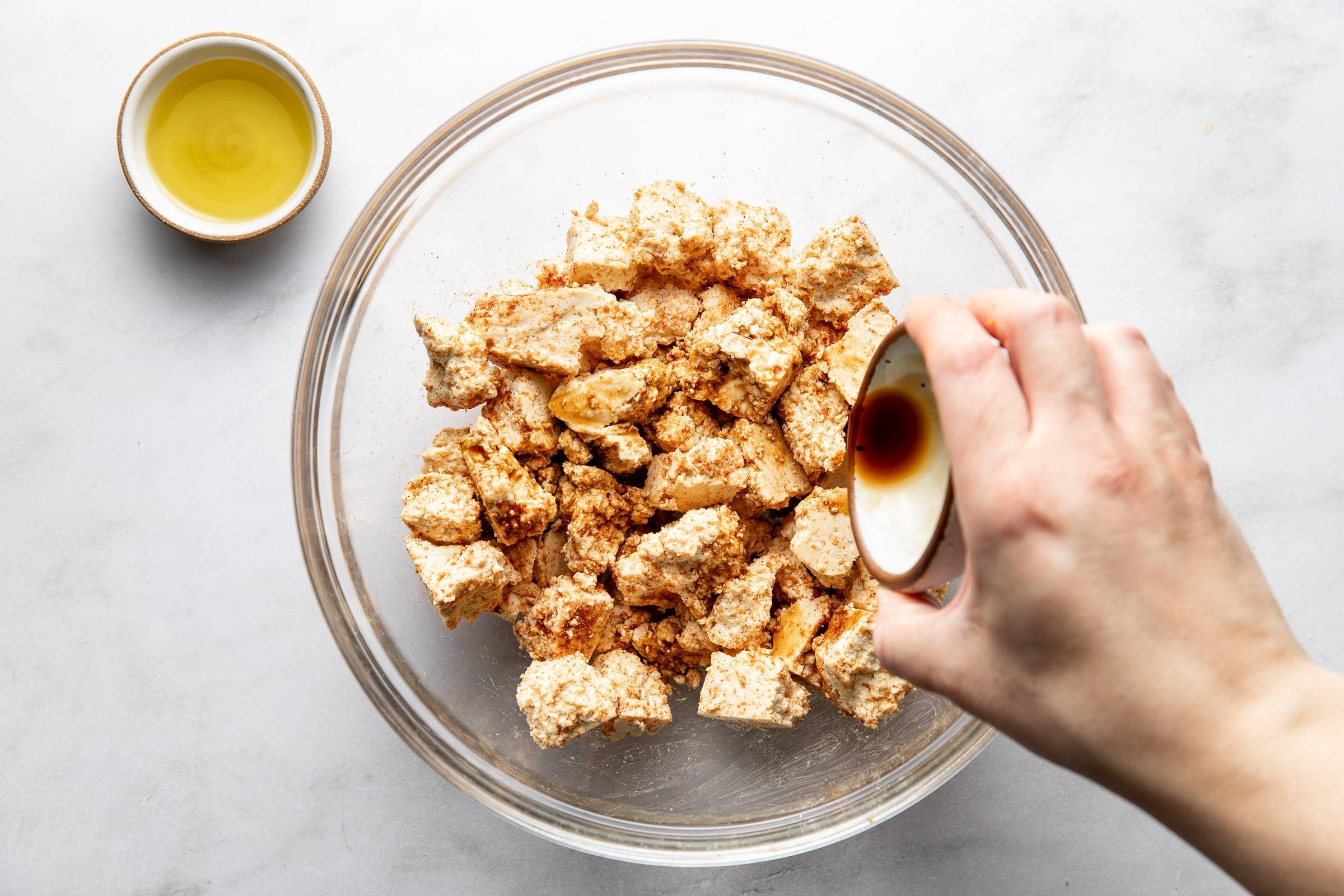
At its core, the Bang Bang Tofu phenomenon relies on a three-pronged approach to flavor and texture: the structural integrity of the tofu, the efficiency of the air-frying process, and the chemical complexity of the “Bang Bang” sauce.
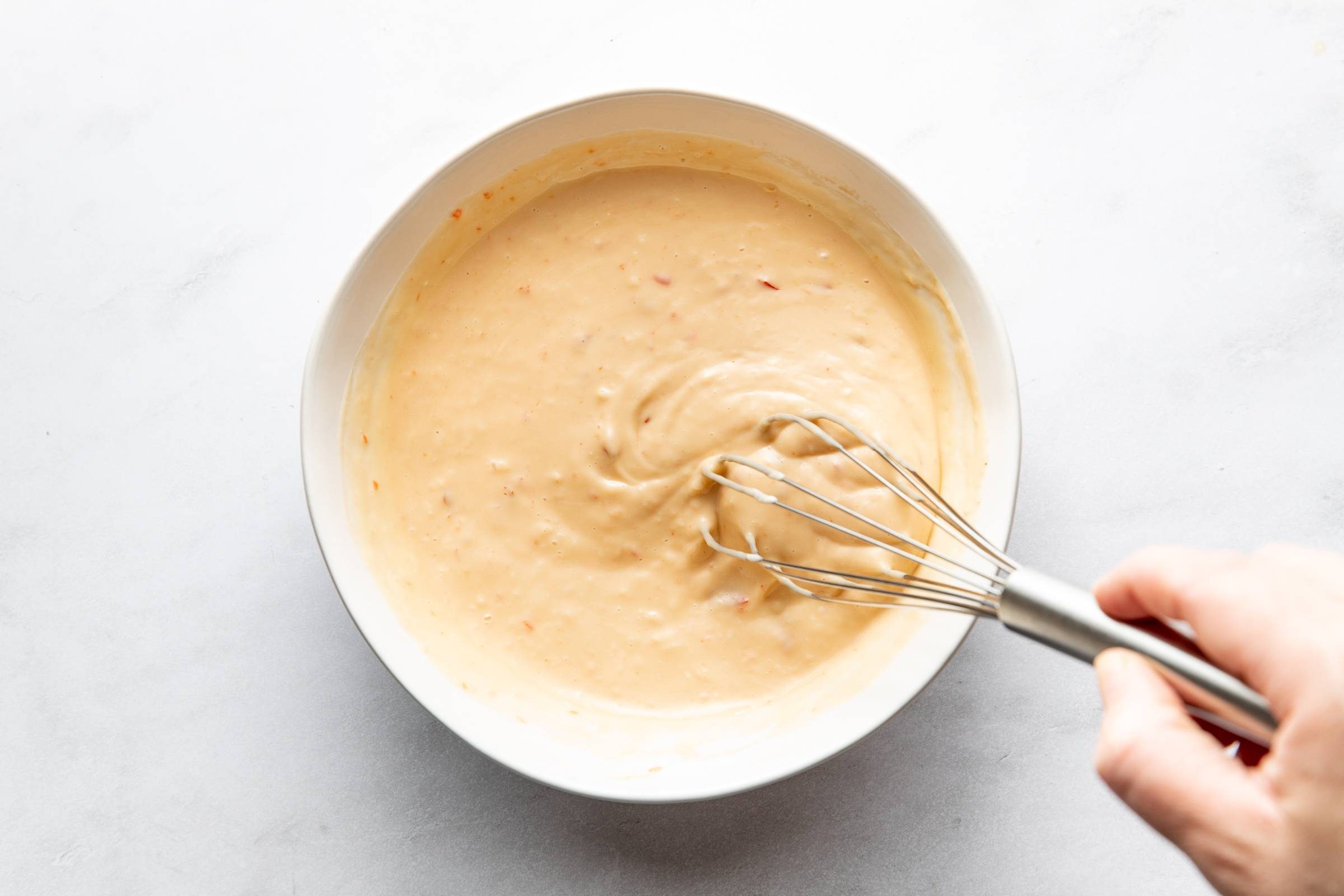
The sauce, which serves as the dish’s flavor engine, is a fusion of creamy, sweet, and piquant elements. Traditionally comprised of a mayonnaise base (or a vegan mayo alternative), sweet chili sauce, and a touch of Sriracha or chili paste, the mixture provides a "sweet heat" that balances the inherent earthiness of tofu. When tossed in a skillet, the sugars in the sauce undergo a controlled caramelization, creating a sticky, lacquered coating that mimics the restaurant-quality texture often lacking in amateur plant-based cooking.

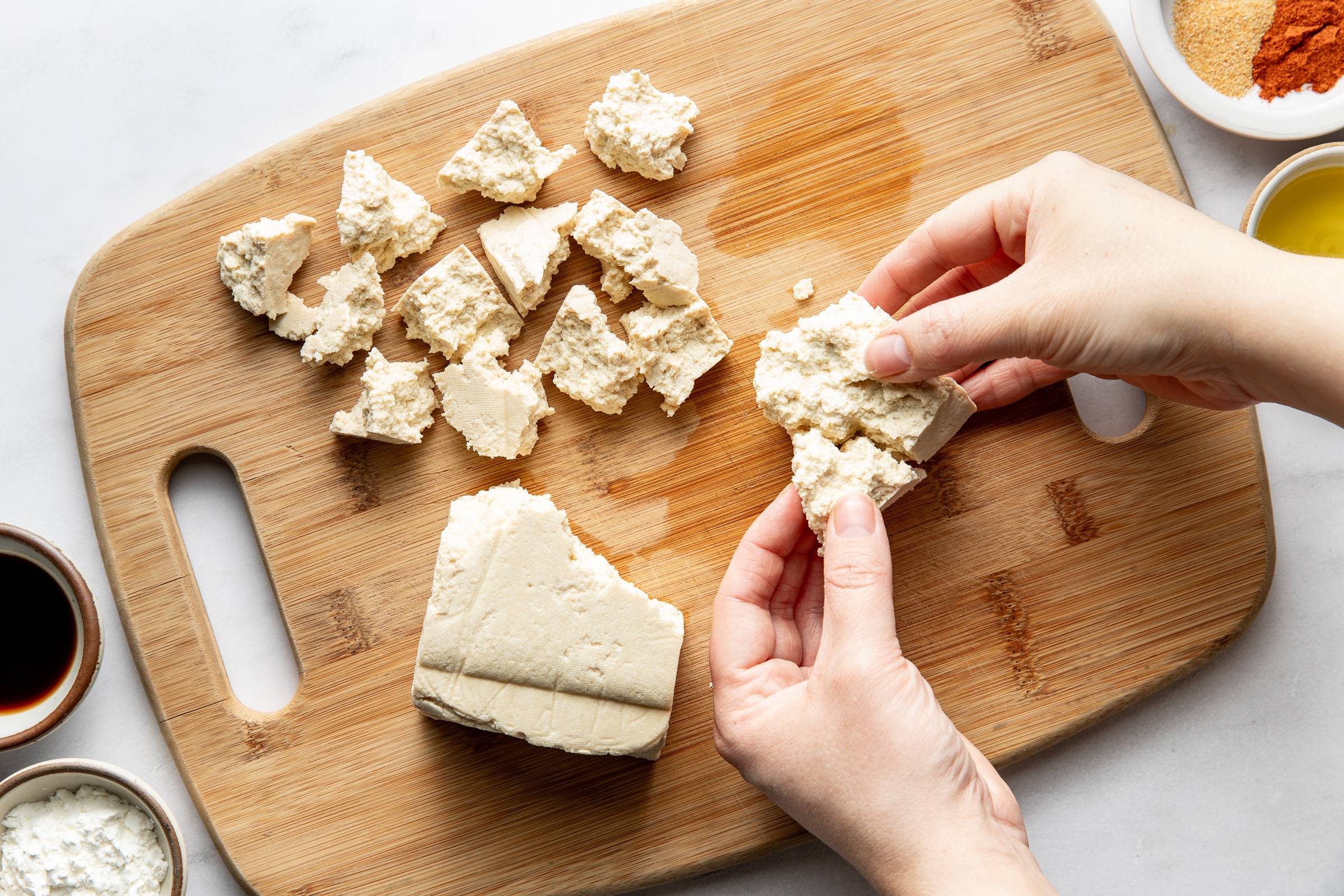
The choice of tofu is paramount. Modern recipes, particularly those championed by culinary bloggers and chefs, suggest utilizing high-protein or "super-firm" tofu varieties. These iterations require significantly less moisture removal than traditional silken or firm blocks, effectively lowering the barrier to entry for novice cooks who may find the ritual of pressing tofu to be a deterrent.
A Chronology of the Rise of Plant-Based “Bang Bang”
The trajectory of this dish reflects broader shifts in dietary trends over the last decade.
- The Early 2010s: The "Bang Bang" flavor profile gained mainstream notoriety in the United States, primarily through casual dining chains that featured Bang Bang Shrimp. During this period, the sauce became a shorthand for "accessible fusion" in home cooking.
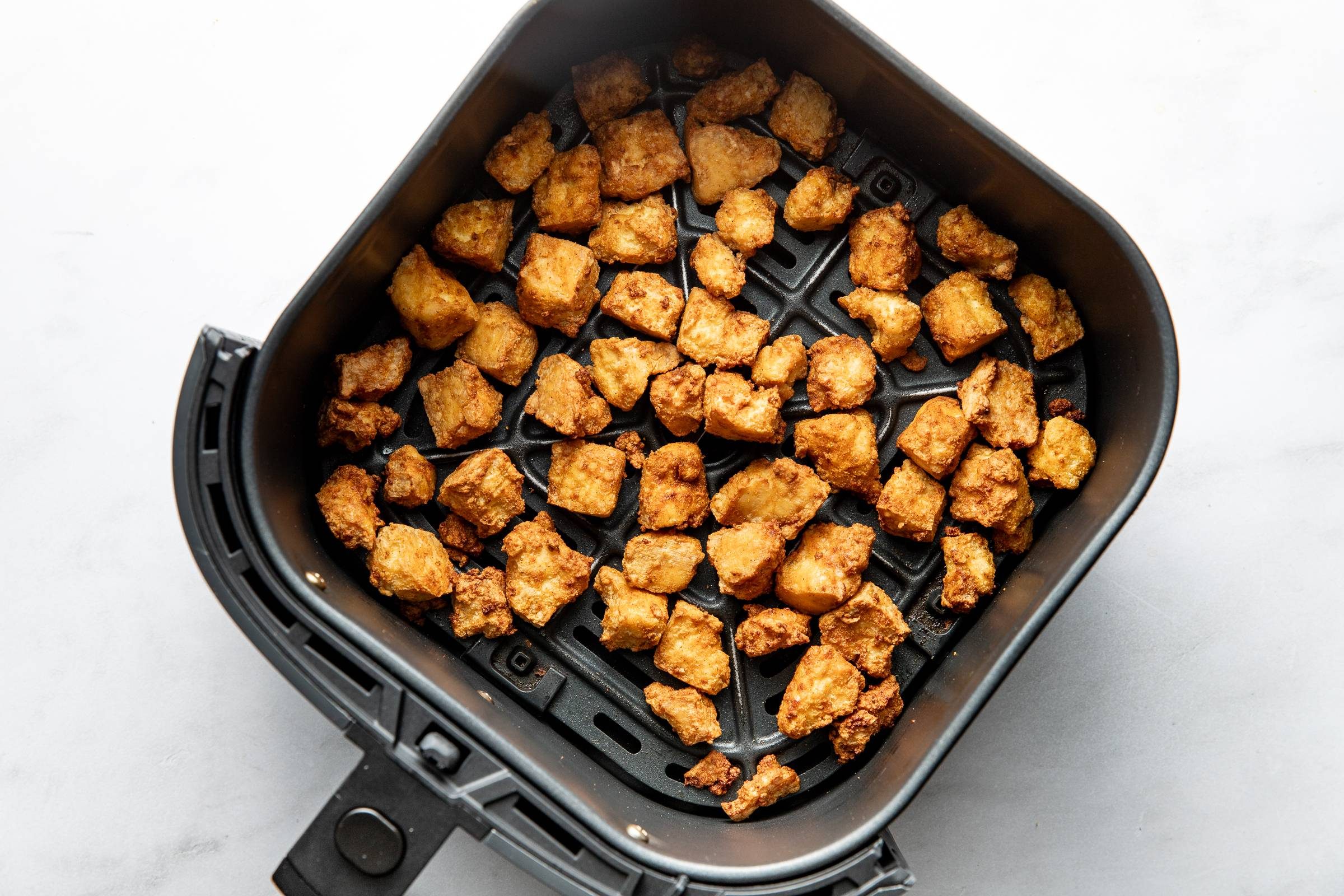
- The Rise of the Air Fryer (2018–2021): As air fryers transitioned from kitchen novelties to essential appliances, the technique for achieving "fried" textures without deep-frying became democratized. The air-fryer-to-skillet pipeline—cooking the tofu dry first, then finishing in sauce—became the gold standard for home cooks.
- 2024–2025: The Tofu Pivot: With an increased cultural focus on protein density and sustainable eating, the application of the popular Bang Bang sauce to tofu saw a significant surge in search interest. Social media platforms played a pivotal role, with short-form video content demonstrating the "sticky, golden" visual appeal of the dish, leading to widespread adoption in home kitchens.
Supporting Data: Why Tofu Is Winning the Protein War
The popularity of Bang Bang Tofu is supported by shifting consumer demographics. According to industry analysis, the plant-based protein market has seen a compound annual growth rate (CAGR) of over 10% in the last five years. Tofu, specifically, has benefited from its status as a "whole food" rather than a hyper-processed meat substitute.
Furthermore, the "fast-casual" dining experience has influenced home-cooking expectations. Modern diners prioritize meals that take under 30 minutes to prepare. By utilizing the air fryer—which typically reduces cooking time by 30-40% compared to conventional oven-roasting—Bang Bang Tofu meets the demand for speed without sacrificing the sensory reward of a crispy, savory meal.

The nutritional profile is equally compelling. Tofu is a complete plant-based protein, providing all nine essential amino acids. When paired with brown rice or stir-fried vegetables, as is common in these recipes, the meal becomes a nutritionally dense, fiber-rich dinner that satisfies both the palate and the body’s caloric needs.
Official Perspectives: Chefs and Nutritionists Weigh In
Industry professionals note that the success of this recipe lies in its "flavor masking" capabilities. While some home cooks are intimidated by the natural flavor profile of plain tofu, the robust, bold nature of the Bang Bang sauce acts as a bridge.
"The key to winning over skeptics is the Maillard reaction," says one culinary consultant. "When you air fry the tofu, you are dehydrating the surface and encouraging browning. When you then add the sauce, you aren’t just seasoning; you are building a crust. That textural complexity is what makes people forget they are eating a plant-based meal."
Nutritionists also highlight the importance of the pairing. By incorporating fiber-rich sides like green beans, broccoli, or bok choy, the dish moves away from being a "noodle-heavy" starch bowl and transforms into a balanced meal. The inclusion of garlic and fresh aromatics in the sauce also provides micronutrients that elevate the dish beyond a simple condiment-based flavor profile.
Implications for the Future of Home Cooking
The rise of recipes like Bang Bang Tofu signals a significant shift in how we approach the "meatless Monday" concept. Historically, vegetarian dinners were often viewed as "subtraction"—a meal where the meat was removed, leaving a deficit. Today, the focus has shifted to "addition"—adding texture, bold sauces, and new techniques to transform vegetables into the main event.
1. The Democratization of Professional Techniques
The success of this dish proves that home cooks are increasingly comfortable with multi-step processes, such as the two-stage cooking method (air frying followed by pan-glazing). This indicates an upward trend in the culinary literacy of the average home consumer.
2. Sustainability as a Flavor Driver
As awareness regarding the carbon footprint of animal proteins grows, dishes that normalize tofu will continue to gain traction. The "Bang Bang" label provides a familiar, comfort-food anchor that makes the transition away from traditional animal-based proteins psychologically easier for the average household.
3. The Role of the "Social Kitchen"
The anecdote that this recipe was "requested by friends the next day" highlights the social currency of home cooking. In an era where digital connection is constant, sharing a recipe that is both "Instagrammable" and genuinely delicious has become a form of social bonding.
Conclusion: A New Staple
Bang Bang Tofu is more than a fleeting internet trend; it is a symptom of a more sophisticated, flavor-forward approach to home cooking. By combining the efficiency of modern kitchen technology with a sauce profile that has universal appeal, it succeeds where many other plant-based recipes fail.
Whether one is a dedicated vegan, a curious flexitarian, or simply a parent looking for a quick, high-protein meal that kids will actually eat, the dish provides a roadmap for success. It reminds us that at the end of a long day, the best dinners are often those that require minimal effort but deliver maximum satisfaction—a perfect marriage of texture, heat, and savory delight. As we look toward the future of the American dinner table, it is clear that the humble block of tofu, when handled with a bit of creativity and a lot of sauce, has firmly secured its place as a cornerstone of the modern kitchen.


 Azzam Bilal Chamdy
 Sagoh
Sagoh