

 Dwi Wanna
 Nana Wu
 Muslim
 Reynand Wu
 Ammar Sabilarrohman
 Jia Lissa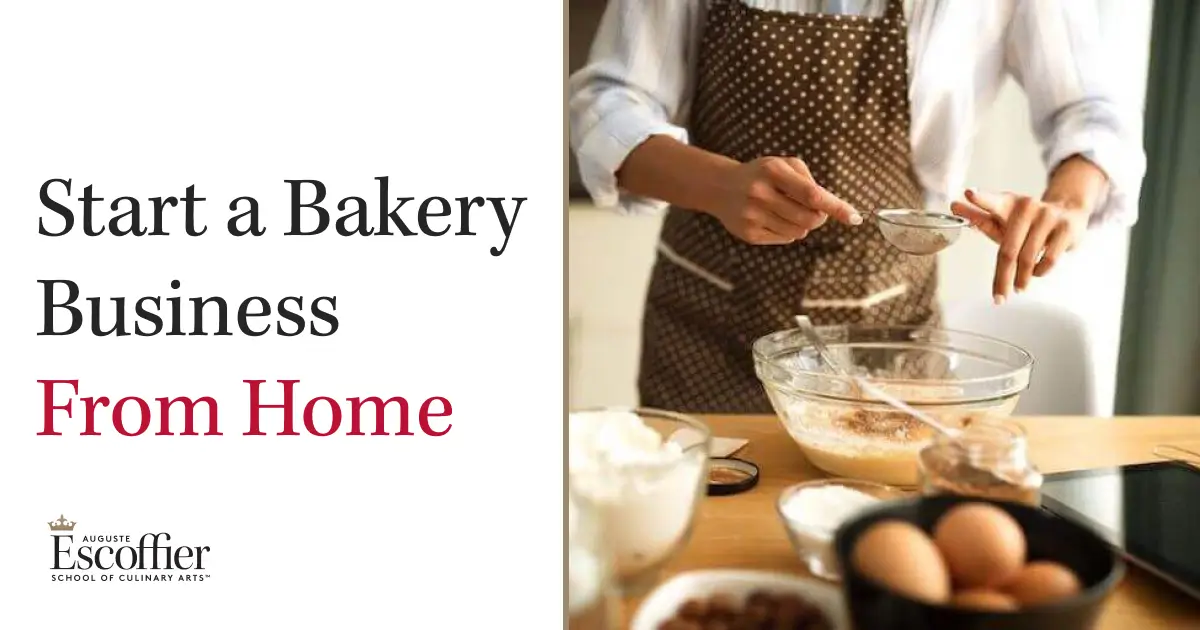
For many, the dream of professional baking is often eclipsed by the daunting reality of high-overhead commercial leases, staffing demands, and the immense capital required to open a traditional brick-and-mortar storefront. However, a culinary evolution is underway: the rise of the home-based bakery. By leveraging the “Cottage Food” movement, aspiring pastry chefs and passionate home bakers are successfully turning their residential kitchens into sophisticated, small-batch production powerhouses.
This transition from hobbyist to entrepreneur offers a unique opportunity to maintain creative control, minimize financial risk, and build a local brand—all while operating from the comfort of home.
The Foundation: Understanding the Home-Based Bakery
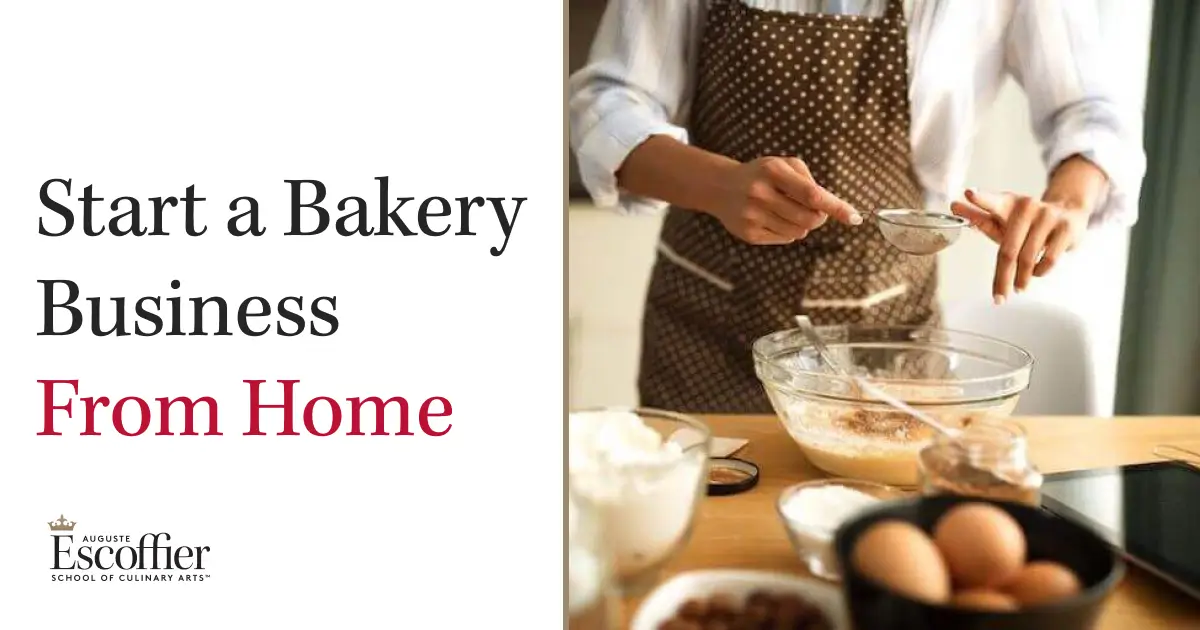
A home-based bakery is more than just a passion project; it is a legitimate business entity that operates within the regulatory framework of a residential kitchen. Unlike commercial bakeries, which are often burdened by industrial zoning and expensive infrastructure, the home-based model is designed to facilitate low-barrier entry.
Many successful entrepreneurs utilize this model as a permanent, flexible career path, while others view it as a vital "stepping stone" to test recipes and build a loyal customer base before scaling into a shared commercial commissary or a dedicated retail space. The primary advantage is the ability to operate with minimal overhead, allowing for higher profit margins on artisanal, small-batch goods.

Navigating the Legal and Financial Landscape
Before you preheat your oven, you must address the administrative requirements that govern food production.
Decoding Cottage Food Laws
"Cottage Food Laws" are the bedrock of the home-baking industry. These state-level regulations define which items can be produced in a home kitchen. Generally, these laws favor "shelf-stable" products—items that do not require time or temperature control for safety, such as cookies, breads, muffins, and certain cakes.
However, these laws vary significantly by jurisdiction. Some states may restrict annual gross sales, while others limit sales exclusively to direct-to-consumer channels (e.g., farmers markets, porch pickup). It is imperative to consult your local health department to understand the specific licensing and permit requirements in your municipality.
Establishing Business Integrity
Beyond food safety, you are launching a business entity. Transitioning from a sole proprietorship to an Limited Liability Company (LLC) is a strategic move that provides a layer of legal protection, separating your personal assets from the business. Furthermore, maintaining a dedicated business bank account is non-negotiable. This practice ensures that your financial records remain clean, simplifying tax filings and protecting your personal finances from commingling with business revenue.

Strategic Planning: From Concept to Kitchen
Successful businesses are rarely built on intuition alone; they are built on data. Before finalizing your menu, conduct a thorough analysis of your local market.
Market Research and Niche Identification
Ask yourself: What is the local market lacking? Is there a saturation of standard chocolate chip cookies, but a glaring absence of gluten-free artisan breads or high-end, custom-decorated cupcakes? Finding a "gap" in the market allows you to position your bakery as a unique solution to a specific customer need.

The Power of a Limited Menu
Many budding entrepreneurs fall into the trap of offering an overly expansive menu. Industry experts suggest the opposite: start with a focused, limited menu. By perfecting a handful of high-quality products, you can streamline your procurement, reduce food waste, and maximize your efficiency. As highlighted by successful graduates of the Auguste Escoffier School of Culinary Arts, keeping a menu focused allows for better balance between production, school, or other professional commitments.
The Economics of Baking: Pricing for Profitability
One of the most frequent reasons small bakeries fail is improper pricing. Many bakers price based on "what feels right" rather than the actual cost of goods sold (COGS). To ensure long-term viability, you must adopt a scientific approach to your numbers.
Calculating Your COGS
Your COGS is the sum of three distinct components:
- Food Costs: Every gram of flour, drop of vanilla, and egg must be accounted for. Create a master spreadsheet to calculate the exact cost per measurement (ounce, unit, or gram).
- Labor Costs: Your time is the most expensive ingredient. If a batch of 24 cupcakes takes two hours to produce, and you value your time at a professional rate, that cost must be reflected in the final price.
- Overhead Costs: This includes packaging, marketing tools, platform fees for online ordering, and even the electricity used by your oven.
The 40% Profit Margin Goal
A common industry standard is to aim for a 30–40% profit margin. If your total cost to produce a cupcake is $1.67, applying a 40% profit margin suggests a retail price of approximately $3.00. While this may seem high to a beginner, it is the only way to ensure the business is sustainable enough to survive unexpected price fluctuations in raw ingredients.

Operational Logistics and Fulfillment
How your customers receive your product is as important as the taste of the product itself.
- Pickup Windows: Rather than maintaining an "on-demand" service that consumes your entire week, set specific pickup windows. Tools like Calendly can automate this process, ensuring your schedule remains predictable.
- Payment Systems: Utilize established payment processors like Square, PayPal, or Venmo. These platforms not only facilitate transactions but provide essential documentation for tax reporting.
- Scalability: As you grow, move from manual spreadsheets to inventory management tools. Automation is the secret weapon that allows a one-person home kitchen to perform like a retail operation.
Promoting Your Brand: The Digital Presence
In the modern market, your social media presence is your digital storefront. High-quality, aesthetic photography is mandatory. Platforms like Instagram and TikTok allow you to pull back the curtain, showing your followers the "behind-the-scenes" process, which builds trust and emotional investment in your brand.

Beyond digital, never underestimate the power of word-of-mouth marketing. Local events, farmers markets, and community festivals remain the best venues for acquiring your first 100 loyal customers. Implementing a simple loyalty program—such as a "buy nine, get one free" punch card—can significantly increase customer retention rates.
Implications for the Aspiring Professional
The transition to a home-based bakery is a significant professional undertaking. It requires the precision of a pastry chef, the diligence of an accountant, and the vision of a marketer. While the barriers to entry are lower than those of a traditional bakery, the commitment required to achieve profitability is no less intense.

For those who feel their technical or business skills need sharpening, formal culinary education can provide the necessary structure. Programs like those offered by the Auguste Escoffier School of Culinary Arts provide a comprehensive education that blends classical pastry technique with modern food entrepreneurship, allowing students to refine their craft within their own home kitchens.
Ultimately, the home-based bakery represents the democratization of the culinary industry. By stripping away the high costs of real estate, you are left with the essence of the business: the craft of baking and the joy of serving your community. Whether you remain a small-batch operation or eventually scale into a physical storefront, the principles of cost control, market research, and consistent quality will remain your most valuable assets.

Final Pro-Tip for New Bakers
Always plan for the unexpected. Whether it is a sudden spike in the price of butter or a last-minute equipment malfunction, a resilient business plan includes a contingency fund. Treat your home bakery as a professional enterprise from Day One, and you will set yourself on a trajectory for long-term, sustainable success.
Disclaimer: This article is intended for educational purposes only and does not constitute financial, legal, or professional business advice. Regulations regarding home-based food businesses vary significantly by state and local municipality. Always consult with your local health department, a certified tax professional, and legal counsel before launching your business.

 Lina Irawan
 Evan Lee Salim