Ali Ikhwan

 Iffa Jayyana

 Muslim

 Nana

 Dwi Wanna
 Nila Kartika Wati
Introduction: A New Wave in Coastal Hospitality
In the heart of Santa Monica, a city synonymous with the global surf narrative, a new destination has emerged that seeks to redefine the relationship between architecture and the coastal lifestyle. Bower Surf Club, the latest venture by restaurateur Dave Harper, officially opened its doors last month, marking the culmination of a rigorous design and renovation project led by the renowned firm Preen, Inc.
Rather than relying on the tired tropes of surfboard-lined walls or neon signage, the design team at Preen, Inc. opted for a more visceral, emotive approach. The result is a space that acts as a sensory bridge between the rugged, authentic soul of Australian surf culture and the laid-back, sun-drenched atmosphere of Southern California.
Main Facts: Architecture as an Emotive Experience
The design philosophy behind Bower Surf Club is rooted in the intangible. As Alexis Readinger, founder of Preen, Inc., articulates, the project was never about creating a museum of surf iconography; it was about translating the "sensation of being barefoot in the sand" into a built environment.
Key Architectural Highlights:
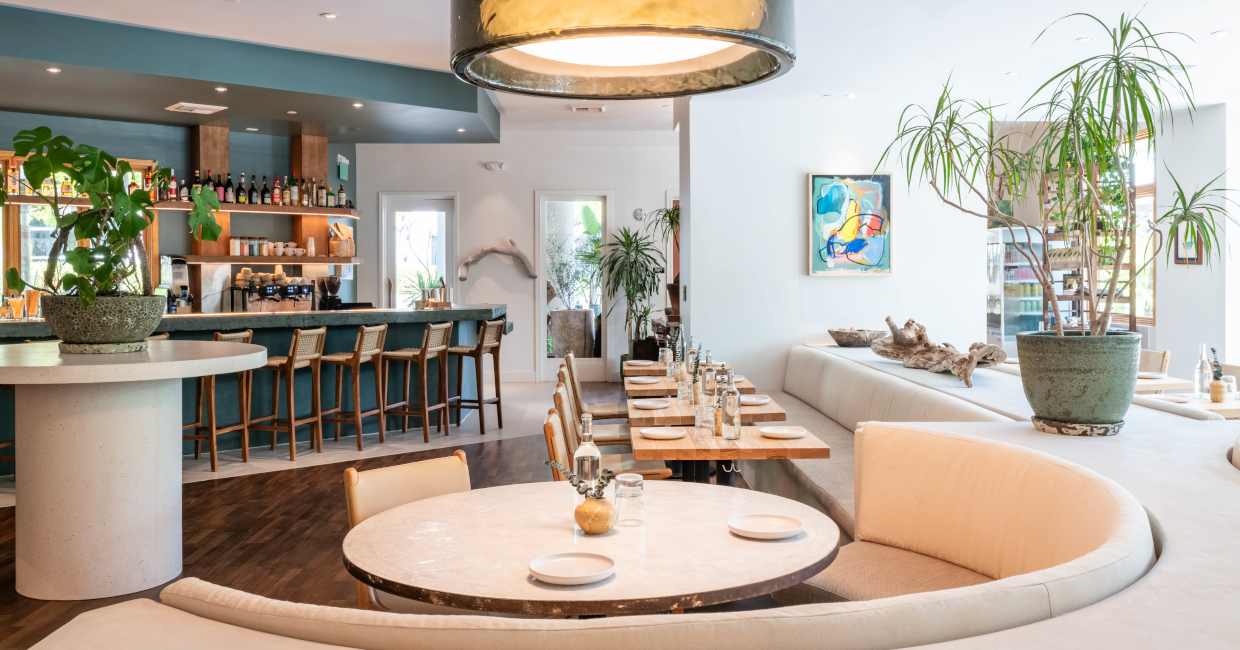
- Materiality and Conservation: The project prioritized a balance between new interventions and the preservation of original elements. The use of plaster, concrete, canvas, and weathered wood creates a tactile, organic atmosphere.
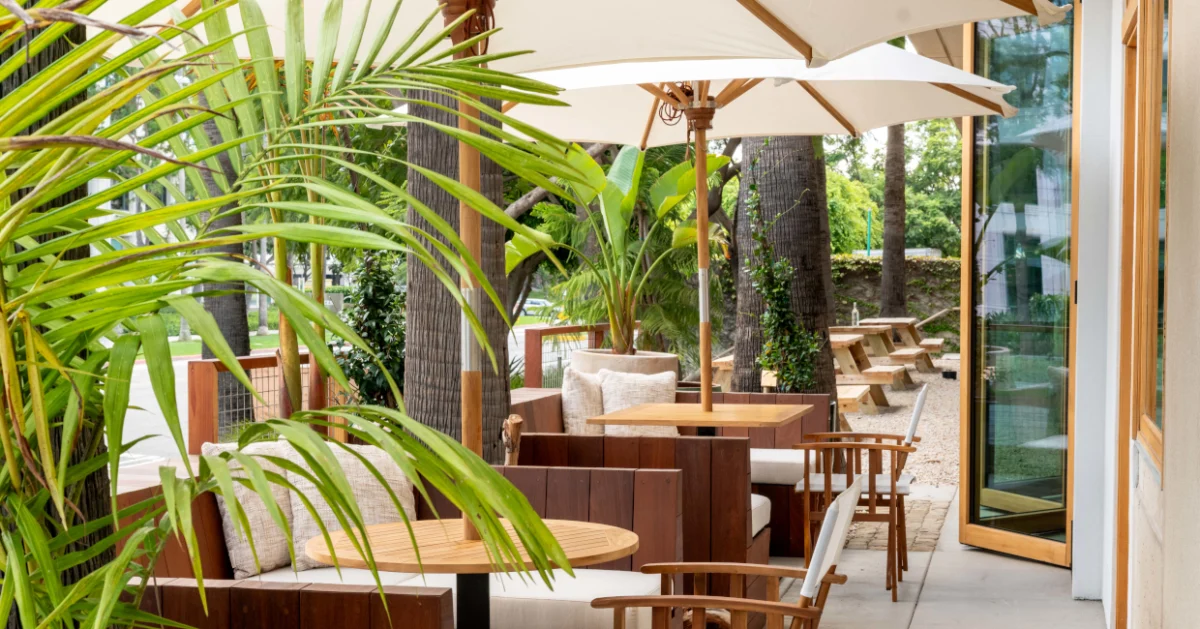
- Indoor-Outdoor Fluidity: By installing operable windows and retaining original jalousie glass, the restaurant invites the Pacific breeze to dictate the interior climate, blurring the line between the dining room and the coastal air.
- The "Energy Mapping" Approach: The layout is designed to create distinct "enclaves" within the restaurant. Through the use of color palettes—ranging from clean, bright whites to warmer, sandy tones—the space naturally guides diners toward different levels of interaction.
Chronology: From Concept to Coastal Reality
The journey to the opening of Bower Surf Club was a methodical process of transformation.
Early 2026 (Planning Phase): Dave Harper and Preen, Inc. began the conceptualization phase. The focus was on identifying the core values of surf culture—journey, discovery, and community—and translating them into a spatial program.
Mid-2026 (Execution): Construction commenced, with a heavy emphasis on sustainable renovation. The team focused on salvaging existing structures, such as the original jalousie windows, to ensure that the building’s history was woven into its new identity.
September 2026 (Completion): The interior design project reached its conclusion. Final touches, including the placement of personal artifacts from Harper’s collection, were installed to ensure the space felt lived-in rather than staged.
October 2026 (Opening): Bower Surf Club welcomed its first guests, quickly becoming a focal point in the Santa Monica culinary scene.
Supporting Data: Materiality and Sensory Design
The success of the Bower Surf Club interior lies in its masterful use of texture and light. Every material choice serves a dual purpose: aesthetic appeal and sensory connection to the beach.
The Palette of the Pacific
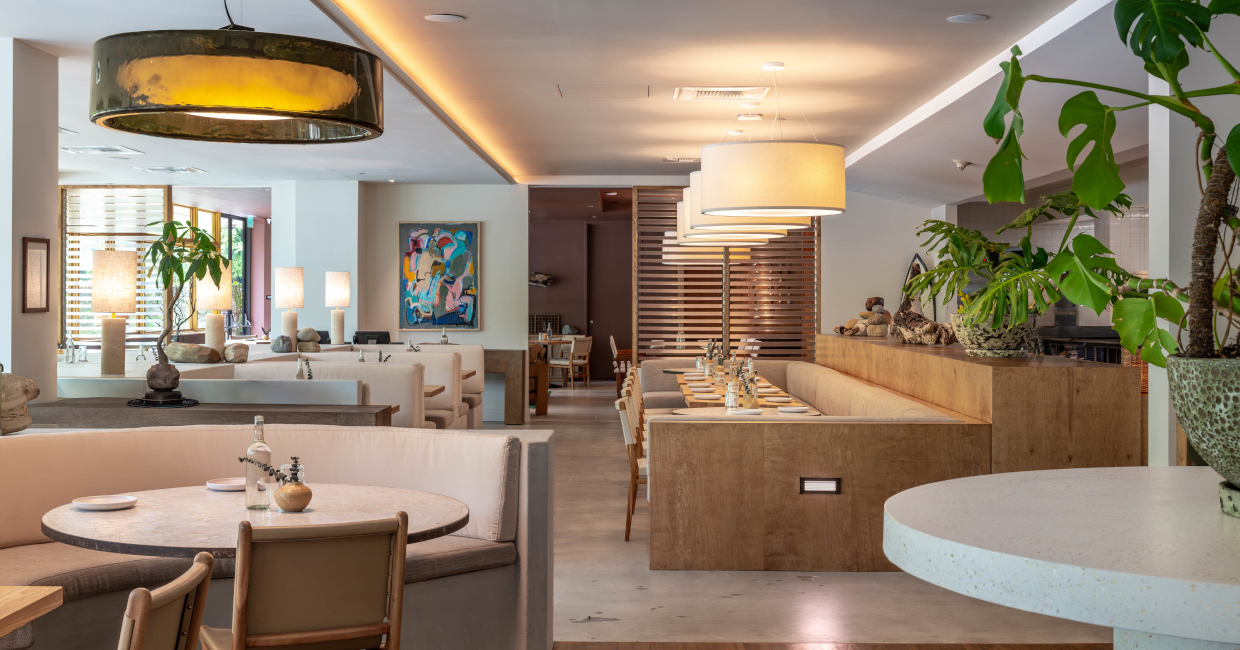
The primary dining room utilizes a light, airy color scheme. The replastering of original booths provides a softening effect, intended to facilitate conversation. In contrast, the open kitchen area features a shift toward warmer, deeper tones, mirroring the intensity of a sun-warmed shoreline.
The Bar as a Communal Hub
The bar is arguably the project’s center of gravity. Featuring a deep oceanic green concrete top, it serves as an anchor for the space. Preen, Inc. integrated linear strip lighting into both the bartop and rough-cut shelves, a design choice that mimics the play of light on water. The use of uplighting throughout the bar area creates an effect reminiscent of coastal mist, grounding the room while simultaneously adding a layer of ethereal depth.
The Private Dining Room: An Intimate Retreat
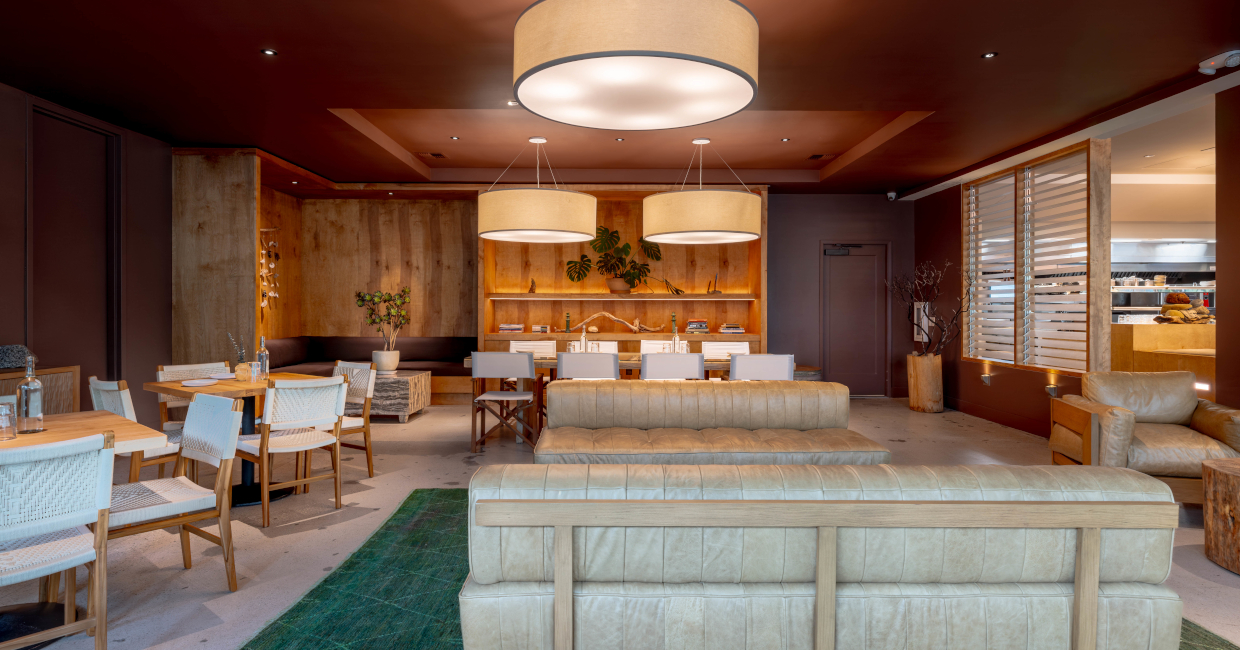
For those seeking a more secluded experience, the private dining room features a bold "burnt sienna" palette. This space is designed to wrap diners in the warmth of a sunset, utilizing massive wood table structures and niche seating that encourage both introverted reflection and intimate, small-group connection.
Official Responses: The Visionary’s Intent
The collaboration between Harper and Preen, Inc. was driven by a shared desire for authenticity.
"Surf culture is about a feeling, more than the visual iconography," says Alexis Readinger. "It’s a deep love of nature, the journey, and what we find along the way. The materiality supports that, both in what has been added to the space and in the thoughtful conservation of existing elements."
The inclusion of objects from Dave Harper’s personal collection—root burls, raw rocks, driftwood, and native plants—adds a layer of provenance that is rarely seen in modern commercial hospitality. These are not merely decorative items; they are fragments of a life lived near the water. The art, curated from a surfer friend of Harper’s, provides the final, essential layer of authenticity, ensuring that the restaurant feels like an extension of a home rather than a commercial enterprise.
Implications: The Future of Hospitality Design
The opening of Bower Surf Club signals a shifting tide in hospitality design, particularly in coastal regions. There is an increasing demand for spaces that move away from "Instagrammable" superficiality toward environments that offer psychological comfort and sensory resonance.
Impact on Local Culture
By successfully merging Australian sensibilities with the Santa Monica lifestyle, the club has created a new archetype for the "surf club." It serves as a reminder that hospitality is not just about the quality of the food and beverage, but about the psychological state of the guest. When a space feels breathable, tactile, and grounded in its environment, it naturally fosters the sense of community that the surf culture holds so dear.
The Sustainability Factor
The project stands as a case study in responsible design. By utilizing operable windows to minimize the need for HVAC and focusing on the restoration of existing architectural features rather than complete demolition, Preen, Inc. has demonstrated that high-end design can coexist with environmental stewardship. The reuse of original glass and the integration of natural materials suggest a path forward for other coastal developers looking to minimize their carbon footprint while maximizing the "soul" of their properties.
A Template for Emotive Architecture
Looking ahead, the Bower Surf Club project is likely to influence upcoming commercial developments. The use of "energy enclaves"—where the layout of a room dictates the intensity of the social experience—is a sophisticated tool for restaurateurs. It allows a single space to serve multiple functions: the morning rush of a coffee shop, the casual flow of a lunch spot, and the intimate, atmospheric energy of a dinner lounge.
Conclusion: A Living Legacy
Bower Surf Club is more than a restaurant; it is a manifestation of a lifestyle. Through the meticulous work of Preen, Inc. and the vision of Dave Harper, the space captures the ephemeral joy of a day spent on the coast. It is a testament to the idea that, in an increasingly digital and disconnected world, the most successful hospitality spaces are those that remind us of the simple, elemental pleasures of our physical world: the feel of the breeze, the texture of raw wood, the warmth of a sunset, and the comfort of a communal table.
As guests continue to walk through the doors of Bower, they are not just entering a restaurant—they are entering a sanctuary that honors the journey, the ocean, and the enduring spirit of the surf.

 Lina Irawan