

 Raul Delapena Setiawan
 Ammar Sabilarrohman
 Lina Irawan
 Suro Senen
 Dwi Wanna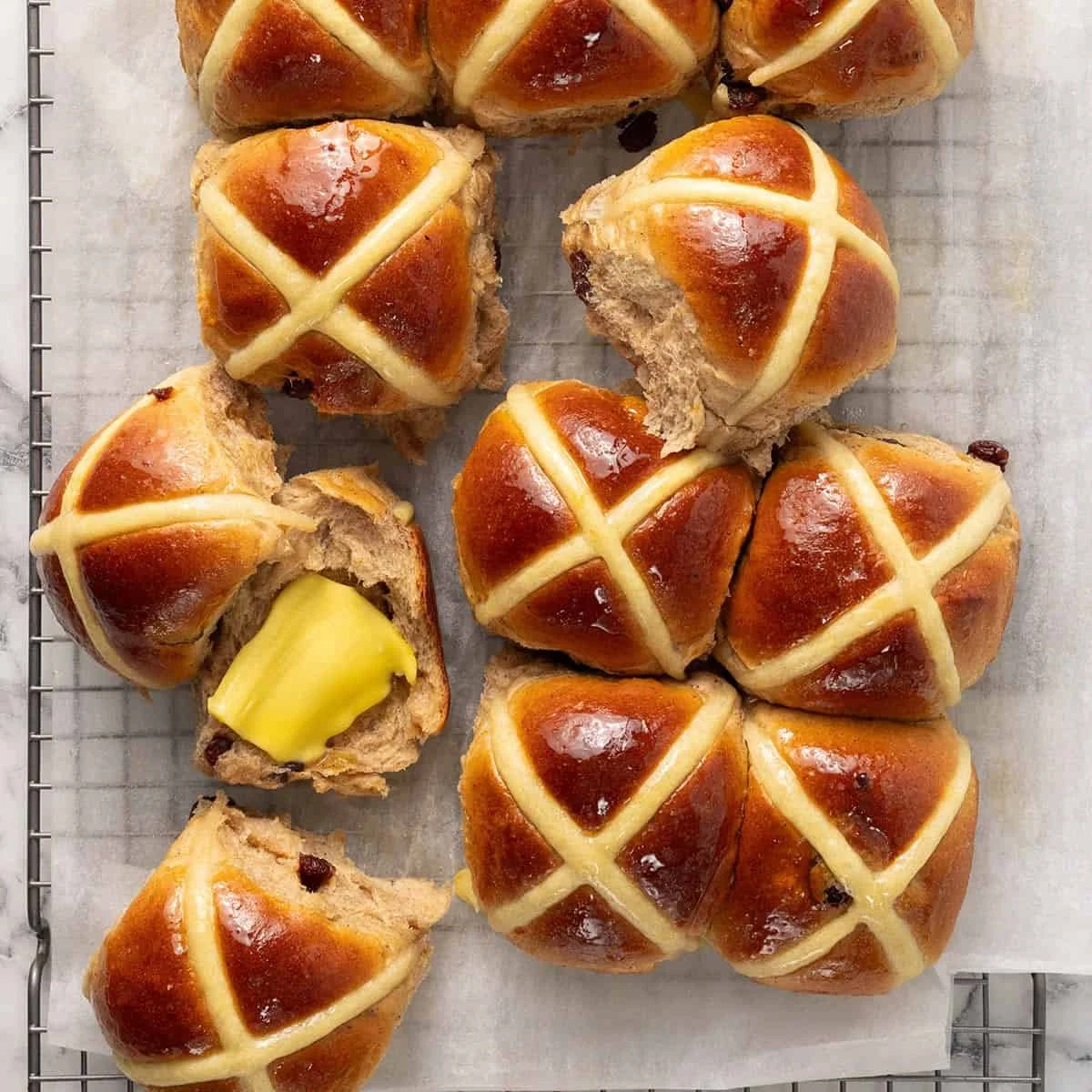
The humble hot cross bun is more than just a seasonal indulgence; it is a cultural institution. Defined by its signature blend of warm spices, candied citrus zest, and the iconic white icing cross, this yeasted sweet bread is a staple of springtime baking. However, the gap between a store-bought bun and a bakery-fresh creation is often vast. While many home bakers struggle with dense, dry, or rapidly staling doughs, the secret to achieving that coveted "bakery-level" softness lies not in luck, but in precise culinary chemistry.

By leveraging the Tangzhong method—a Japanese technique involving a cooked flour-and-water roux—bakers can transform standard enriched dough into an ultra-moist, pillowy masterpiece that remains soft for days. This guide explores the meticulous process, the essential techniques, and the rigid "baking laws" required to elevate your holiday kitchen routine.

The Foundation: Why Tangzhong Changes Everything
The primary challenge in bread baking is maintaining moisture. Traditional doughs often lose their structural integrity as the starches retrograde—a fancy term for the process that causes bread to go stale. The Tangzhong method effectively halts this.
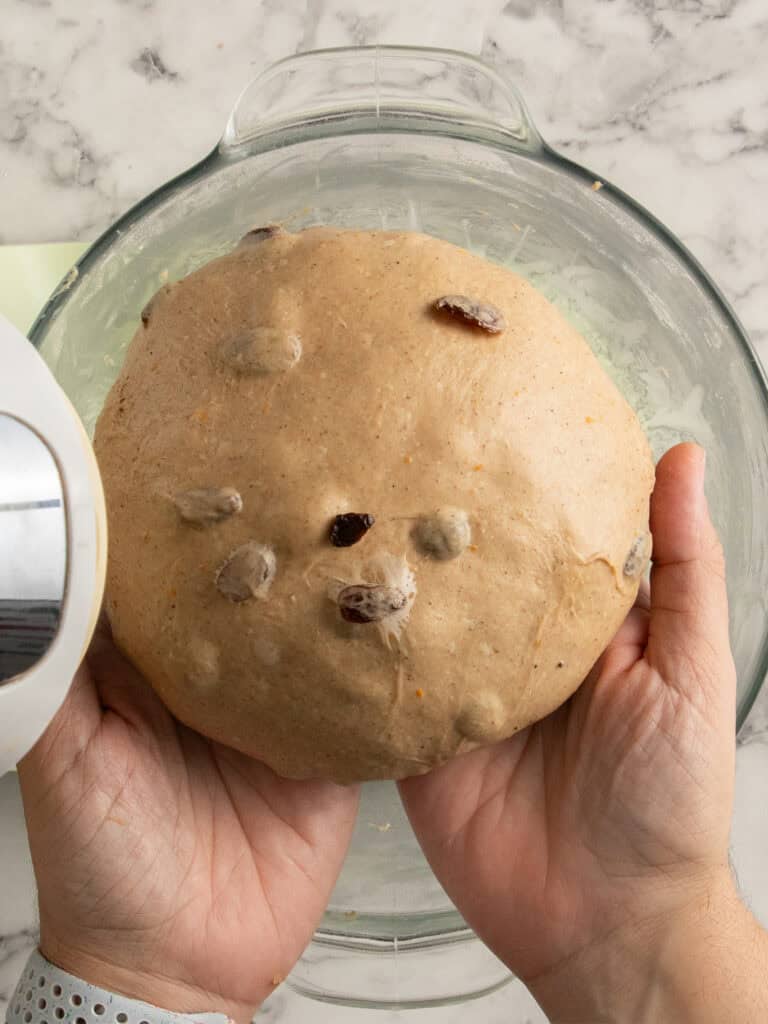
By cooking a portion of the flour and water together before adding them to the main dough, the starch granules gelatinize. This hydrated mixture acts as a moisture trap, allowing the bread to retain water throughout the mixing, proofing, and baking stages. The result is a crumb that is not only exceptionally soft but also possesses a slight, desirable chewiness. For the home baker, this technique is the single most effective way to mimic the shelf-life and texture of professional-grade products.
The Law of the Bun: Consumption Guidelines
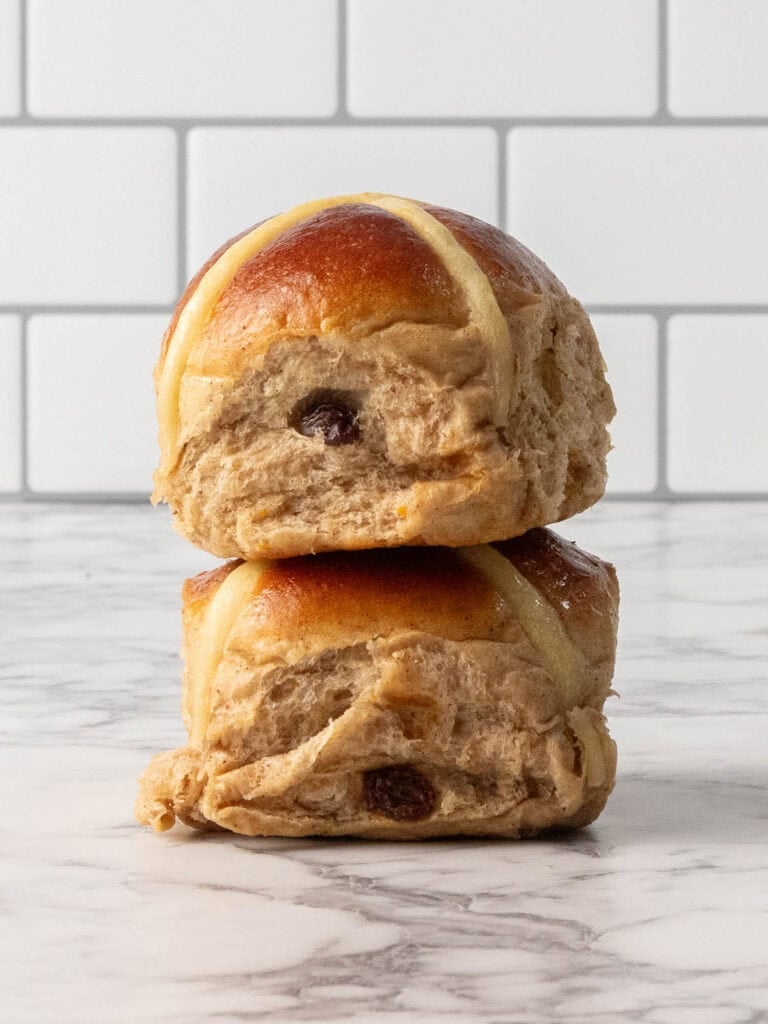
To truly respect the integrity of a well-made hot cross bun, one must adhere to strict serving protocols. According to traditional culinary etiquette, these buns should never be subjected to a serrated knife.

- The Tear: The bun must be pulled apart by hand. This preserves the delicate air pockets formed during the fermentation process.
- The Thermal Requirement: The bun must be warm. If it has cooled, it should be gently reheated to reactivate the buttery crumb.
- The Butter Ratio: A slice of salted butter, measuring no less than 0.5cm in thickness, is required. It should be placed between the two halves and allowed to soften into the bread before the first bite.
Failure to follow these steps is widely considered a disservice to the baker’s effort.
Chronology of a Perfect Bake
Creating a superior bun is a process that demands patience. While it is possible to execute the recipe in a single day, the most successful results come from a staggered, two-day approach.
Day One: The Foundation and Initial Rise
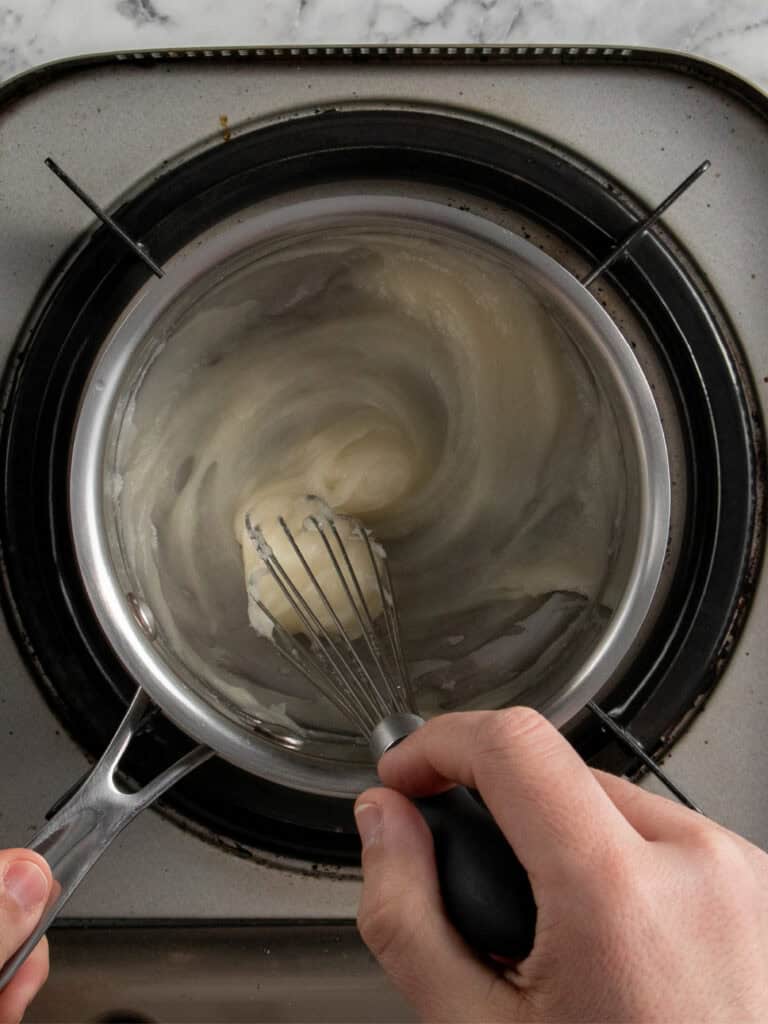
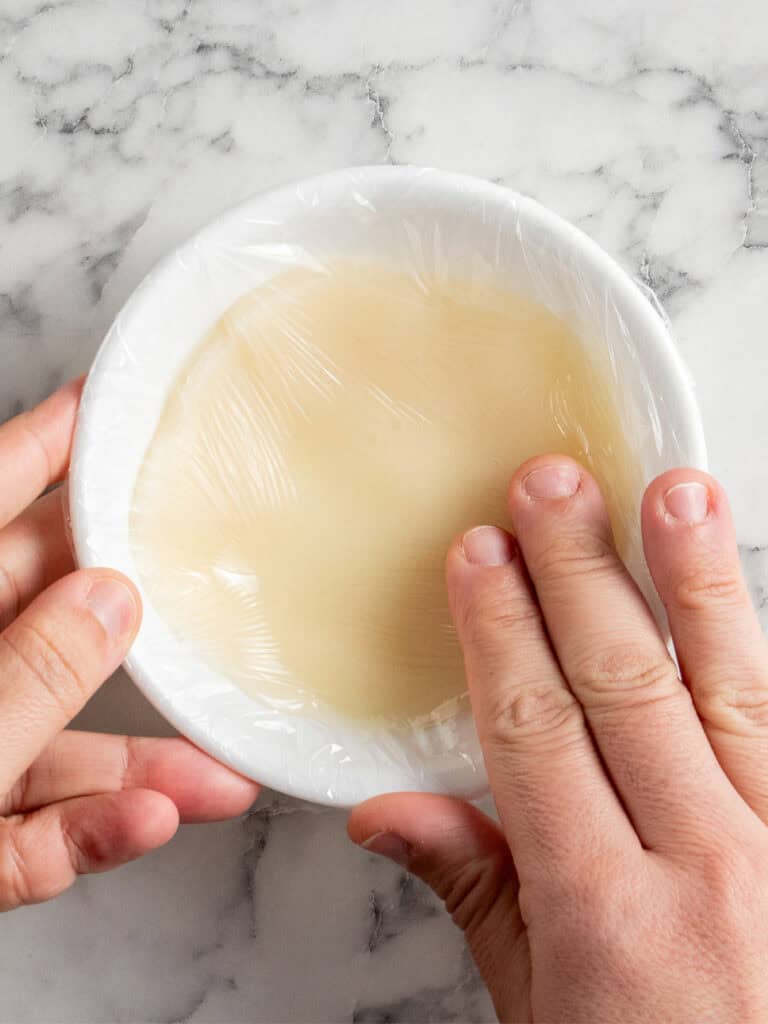
The process begins by preparing the Tangzhong. Once whisked and thickened, it must be cooled entirely at room temperature. Incorporating a warm roux into your dough will kill the yeast or cause it to behave unpredictably, leading to a collapsed structure.
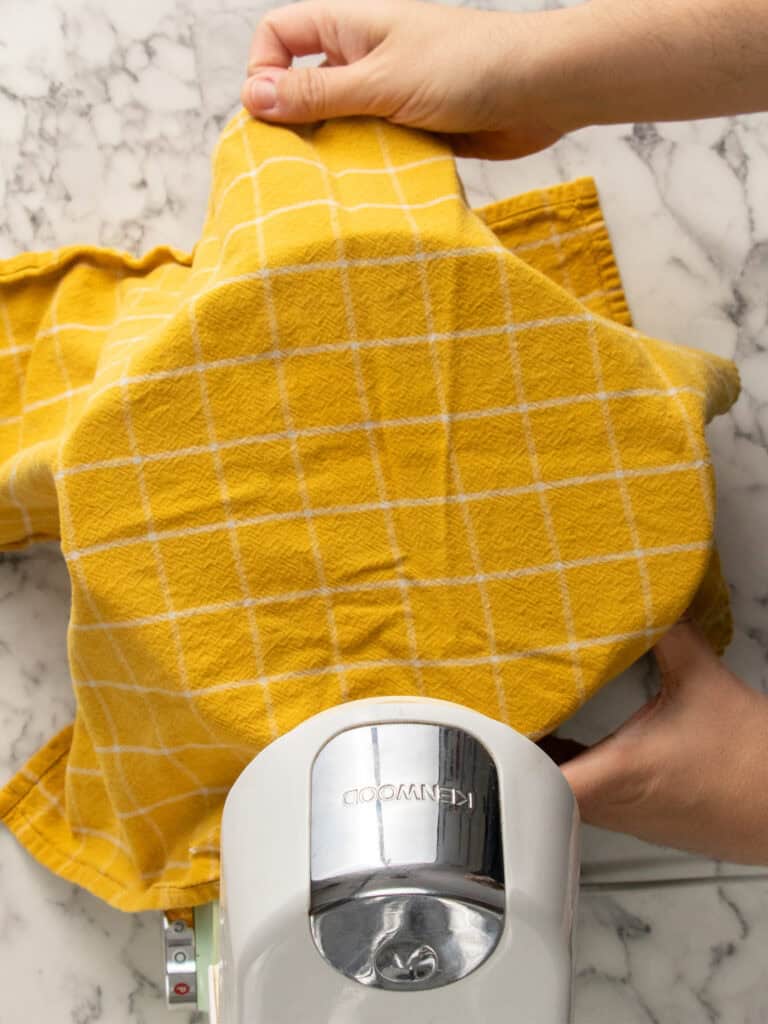
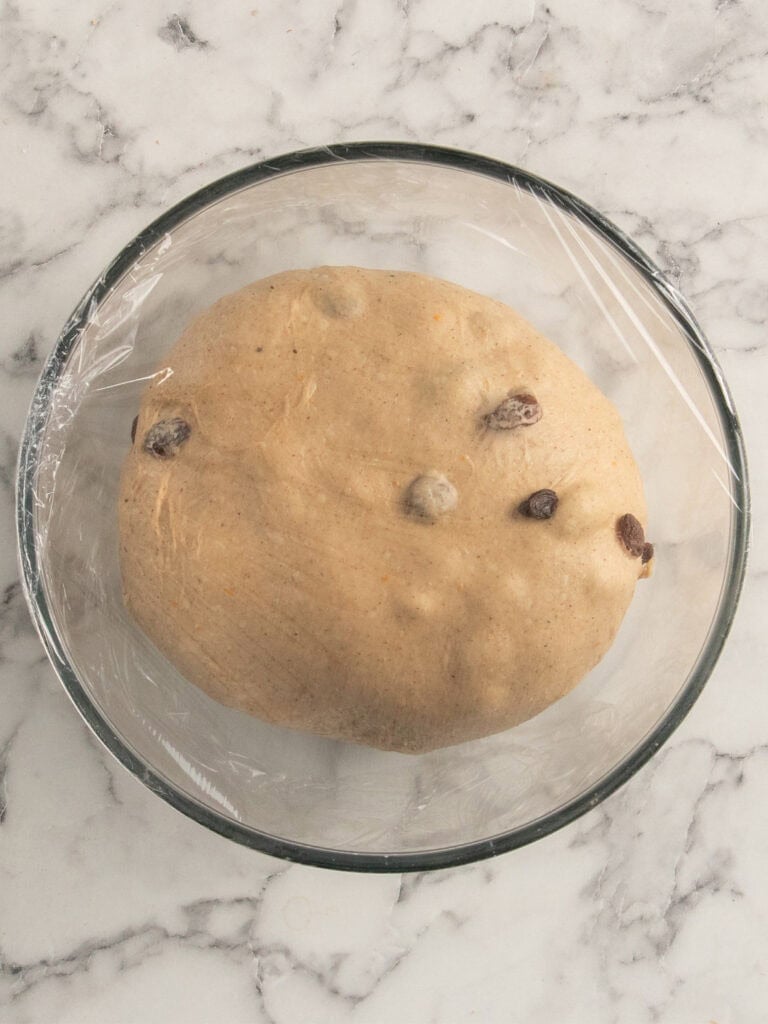
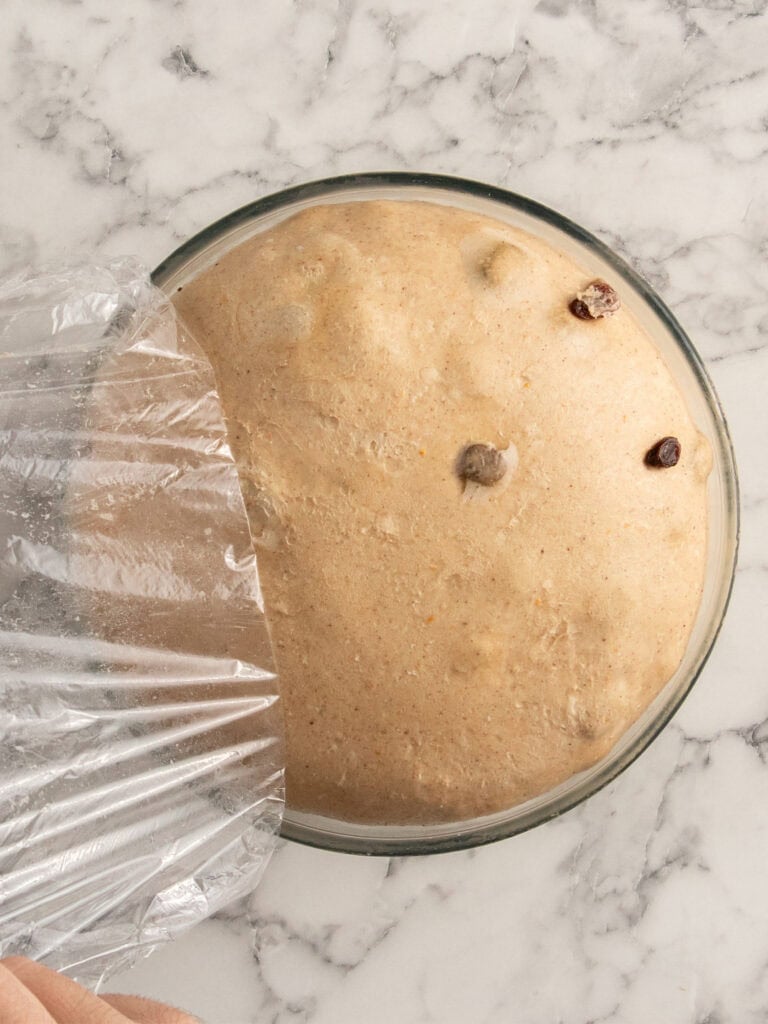
After mixing the enriched dough—which features high-quality butter, eggs, and aromatic spices—the dough should be allowed to rise at room temperature for one hour. Following this, a crucial transition occurs: the dough is moved to the refrigerator for a minimum of four hours, though an overnight stay is preferred. This "cold fermentation" is the secret to deep flavor development; the yeast works slowly in the cold environment, creating a complex profile that cannot be rushed.
Day Two: Shaping and The Final Proof
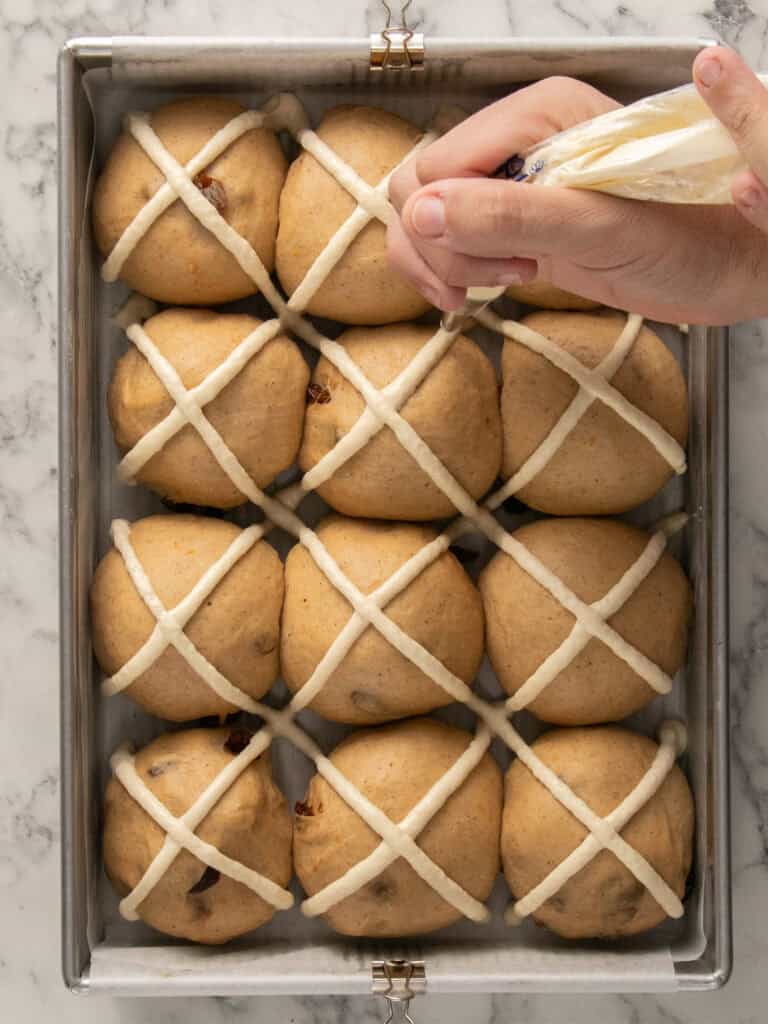
Chilled dough is significantly easier to manipulate. By portioning the cold dough into equal pieces and shaping them into tight, tension-filled balls, you ensure a uniform rise in the oven. Once arranged in the baking tray, the buns undergo a final proofing stage. This is the moment where the "air-trapping" structure—developed through careful kneading—is fully realized.
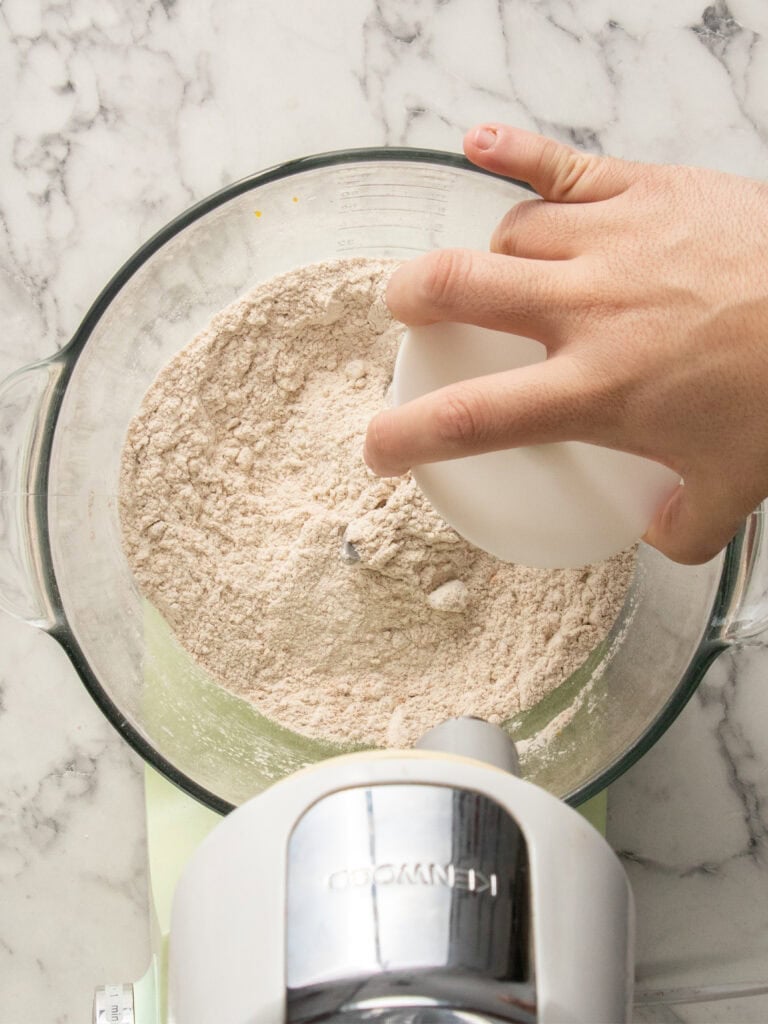
The Mechanics of Mixing: Texture Over Time
A common error among home bakers is an over-reliance on stated mixing times. Professional equipment varies wildly; a spiral mixer provides far more friction and gluten development than a standard tilt-head stand mixer.
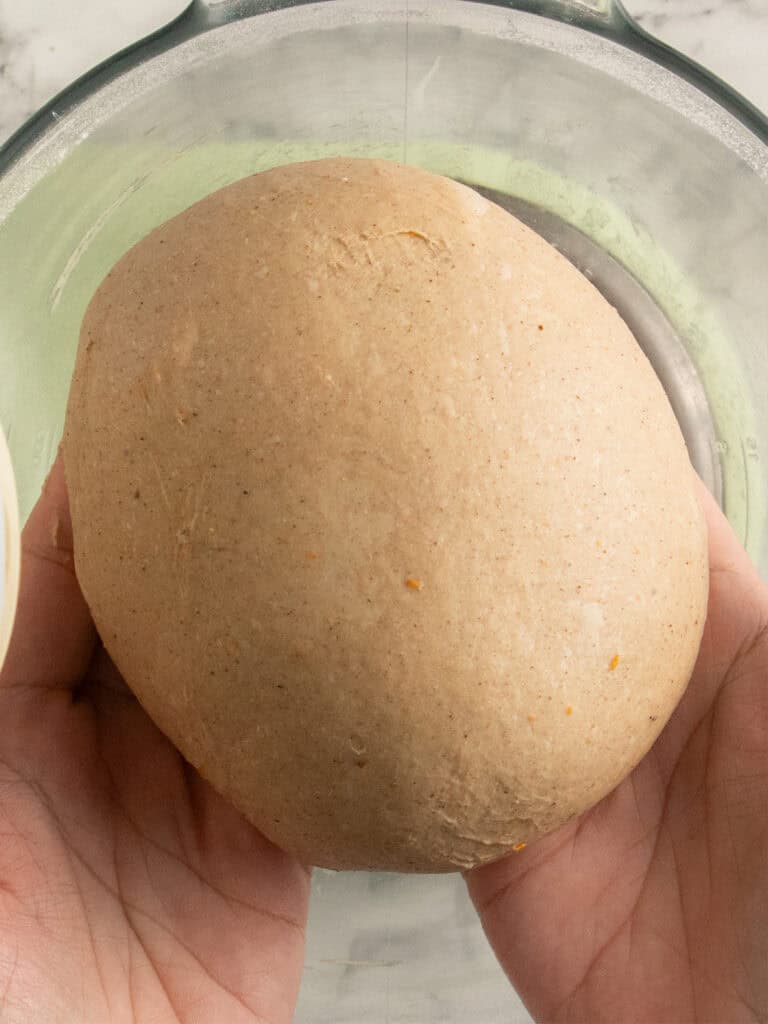
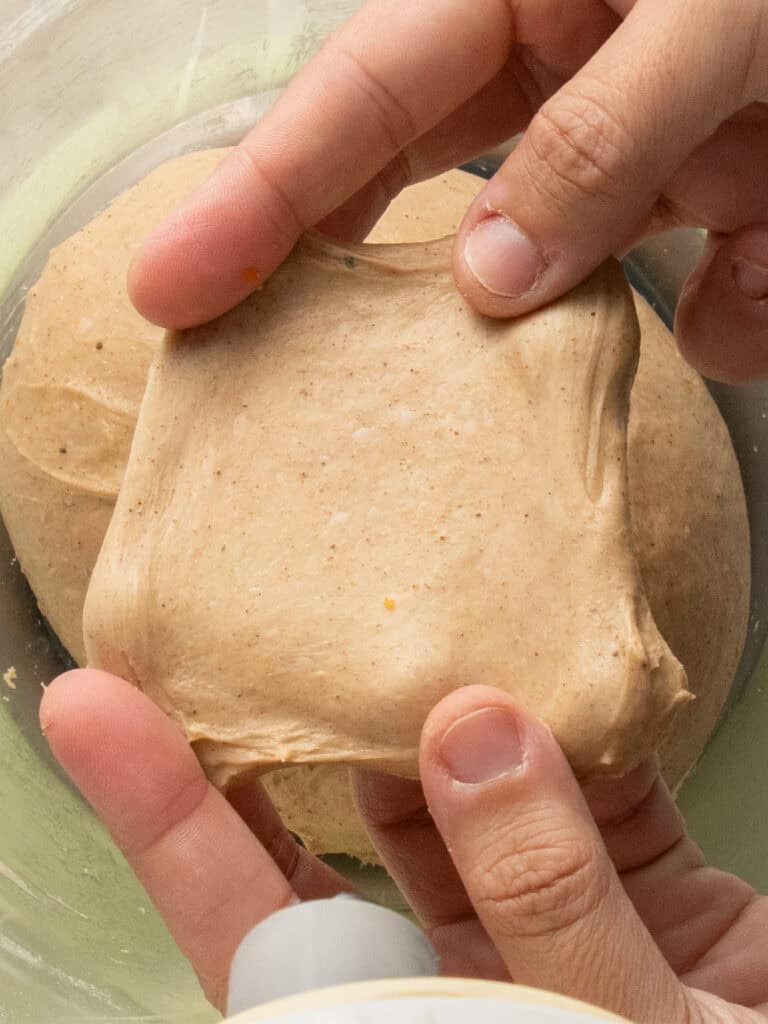
Instead of watching the clock, bakers should focus on the "windowpane test." By taking a small piece of dough and gently stretching it between four fingers, you can gauge the strength of the gluten network. If the dough stretches into a translucent membrane without tearing, it is ready. If it breaks, it requires more development. This physical assessment ensures that the dough has the necessary strength to trap the carbon dioxide produced by the yeast, resulting in the desired light and airy texture.
Implications of Ingredient Selection
The quality of the final product is inextricably linked to the quality of the inputs.

- Bread Flour: Unlike all-purpose flour, bread flour has a higher protein content, which is essential for creating the strong, elastic gluten network required for an enriched dough.
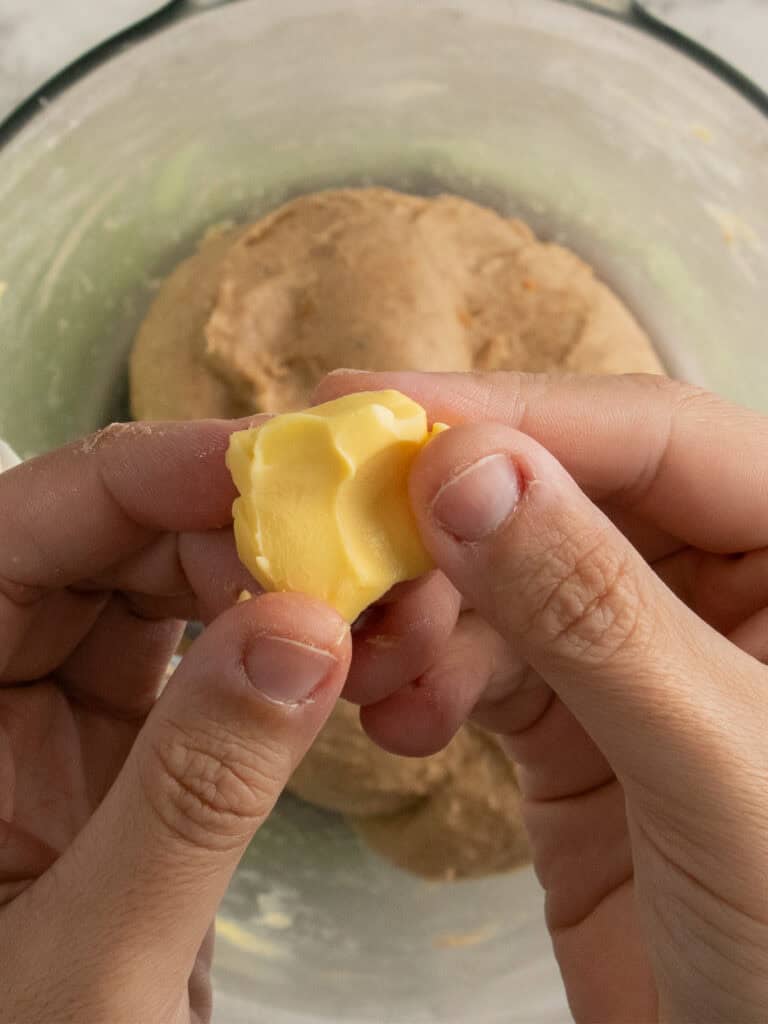
- Softened Butter: The butter must be at a precise temperature of 18°C (65°F). If it is too soft, it will not incorporate correctly into the dough; if it is too cold, it will create lumps.
- Milk Powder: Often overlooked, this ingredient adds a subtle richness and tenderness to the crumb, distinguishing a "good" bun from a "great" one.
- Orange Zest and Spices: These are not merely suggestions. The inclusion of fresh zest provides a necessary acidic brightness that cuts through the richness of the butter and the density of the sultanas.
Managing the Glaze and Finishing Touches
The final aesthetic appeal—the high-gloss finish—is achieved through a reduction of orange juice, sugar, and a single cinnamon stick. The mixture is boiled until it thickens into a syrup. Applying this glaze immediately after the buns emerge from the oven serves two purposes: it creates an attractive, professional sheen and adds a final layer of moisture to the crust, preventing it from drying out as it cools.
Troubleshooting Common Issues
Even with a perfect recipe, bakers may encounter challenges. If the icing crosses on top appear lumpy or spread unevenly, it is likely due to the paste being prepared too far in advance. The paste should be made immediately before piping to prevent excessive gluten formation.
Furthermore, if the buns feel heavy, verify the yeast activity and the kneading time. The ten-minute rest period after the initial kneading is critical; it allows the gluten to relax, making the dough easier to shape and ensuring that the butter is not melted by the friction of the mixer during the final incorporation phase.
Conclusion
The pursuit of the perfect hot cross bun is a rewarding exercise in discipline and technique. By adopting the Tangzhong method, respecting the cold-fermentation process, and prioritizing texture over timing, the home baker can achieve results that rival the most celebrated local bakeries. Whether you stick to the classic sultana-studded variety or branch out into rich, chocolate-infused alternatives, the fundamental principles of structure and moisture control remain the same.
This Easter season, remember that the difference between an ordinary bun and a memorable one lies in the details. Respect the dough, follow the process, and—most importantly—ensure you have enough salted butter on hand for the final, mandatory serving.


 Evan Lee Salim
 Azzam Bilal Chamdy