

 Dwi Wanna
 Nana Wu
 Muslim
 Reynand Wu
 Ammar Sabilarrohman
 Jia Lissa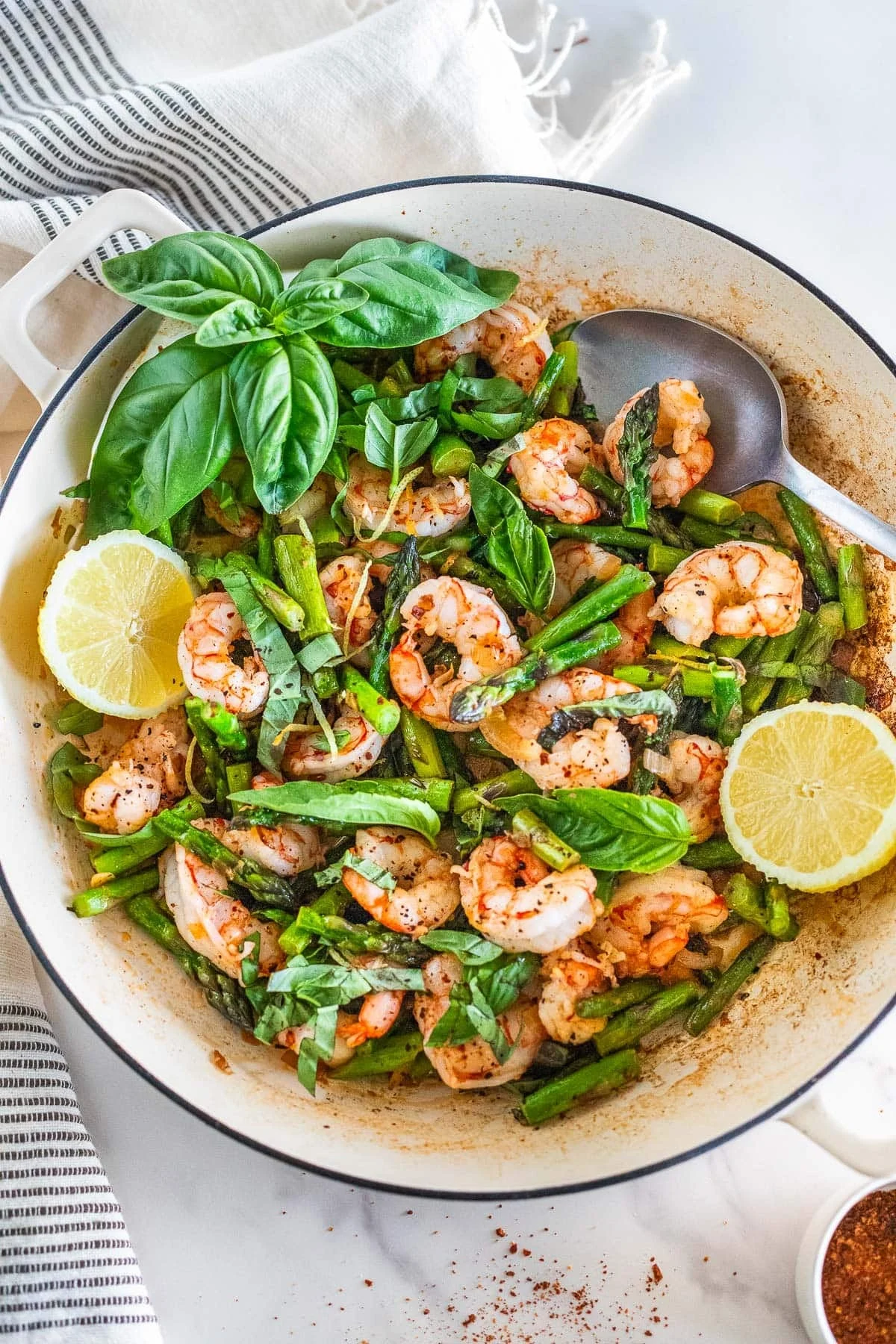
In an era defined by time-scarcity and an increasing focus on nutrient-dense, clean eating, the culinary landscape has shifted. Home cooks are no longer looking for complex, multi-stage recipes that require an arsenal of kitchen gadgets. Instead, they are gravitating toward the "minimalist maximalist" philosophy: minimal effort, maximal flavor. Leading this charge is the rise of the one-pan meal, with the vibrant, protein-packed Shrimp and Asparagus skillet emerging as the gold standard for busy weeknights.
The Main Facts: A Symphony of Simplicity
The beauty of the one-pan shrimp and asparagus dish lies in its fundamental simplicity. At its core, the recipe is a masterclass in flavor balancing: the natural sweetness of fresh shrimp is cut by the earthy, vegetal crunch of spring asparagus, all elevated by the brightness of lemon and the aromatic punch of fresh garlic and basil.
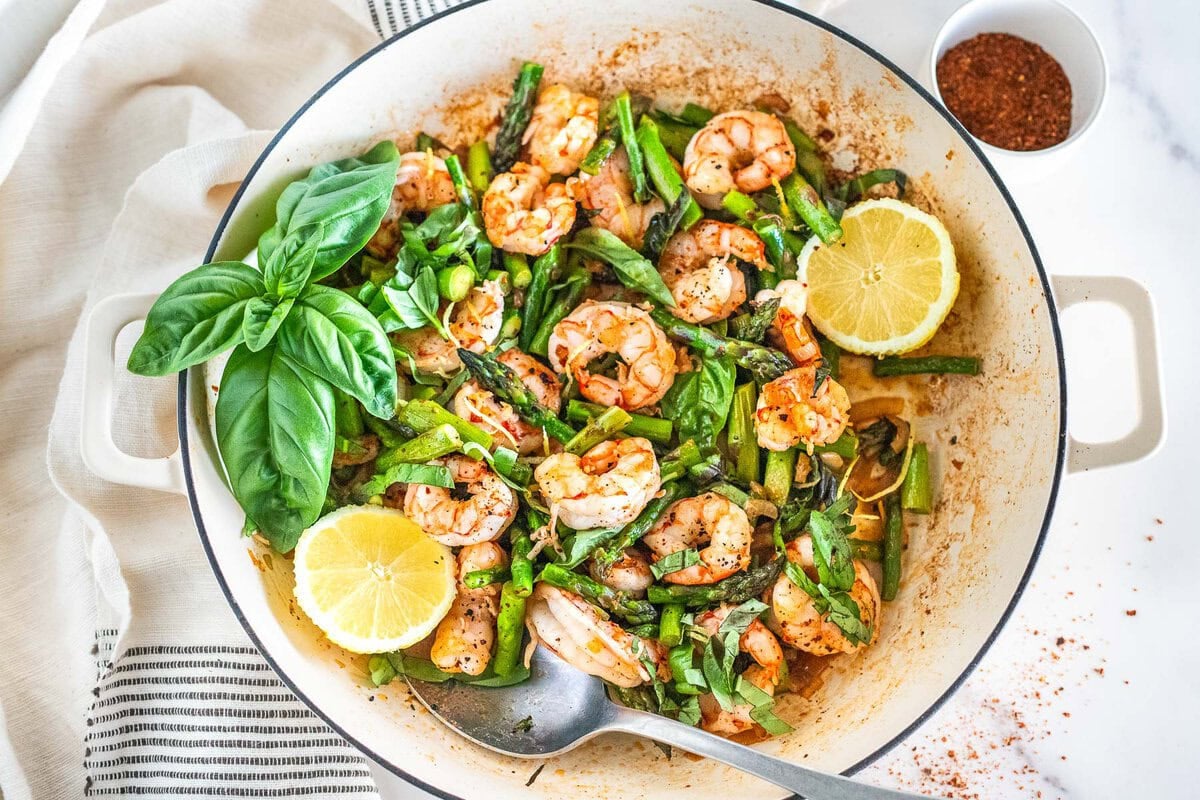
Designed for efficiency, the entire process takes approximately 20 minutes from freezer-to-table. It is naturally gluten-free and easily adapted to low-carb or ketogenic lifestyles, making it a versatile tool for any household’s nutritional arsenal. By utilizing a single skillet, the dish ensures that the juices of the shrimp and the aromatics emulsify into a light, pan-sauce that coats every element, creating a cohesive dining experience without the burden of excessive dishwashing.
Chronology of Preparation: The 20-Minute Workflow
Mastering this dish requires an understanding of heat management and timing. Below is the streamlined workflow that ensures the shrimp remains succulent and the asparagus retains its signature "tender-crisp" bite.
1. The Prep Phase (Minutes 0–5)
The key to a successful one-pan meal is organization. Thaw the shrimp in a bowl of cold water—a process that takes mere minutes—and pat them thoroughly dry. Moisture is the enemy of a good sear; ensuring the shrimp are dry allows for the Maillard reaction, the browning process that provides the depth of flavor. While the shrimp dry, trim the woody ends of the asparagus and chop the stalks into bite-sized segments.
2. Developing the Aromatic Base (Minutes 5–10)
In a wide, heavy-bottomed skillet, heat high-quality olive oil over medium heat. Introduce finely minced shallots and garlic. The goal here is to sweat the aromatics without browning them too quickly. Once the kitchen is filled with the scent of sautéing garlic, introduce the lemon zest and a pinch of red chili flakes. This infusion step is critical; it creates an oil-based flavor foundation that will cling to both the shrimp and the vegetables.
3. The Vegetable Sear (Minutes 10–15)
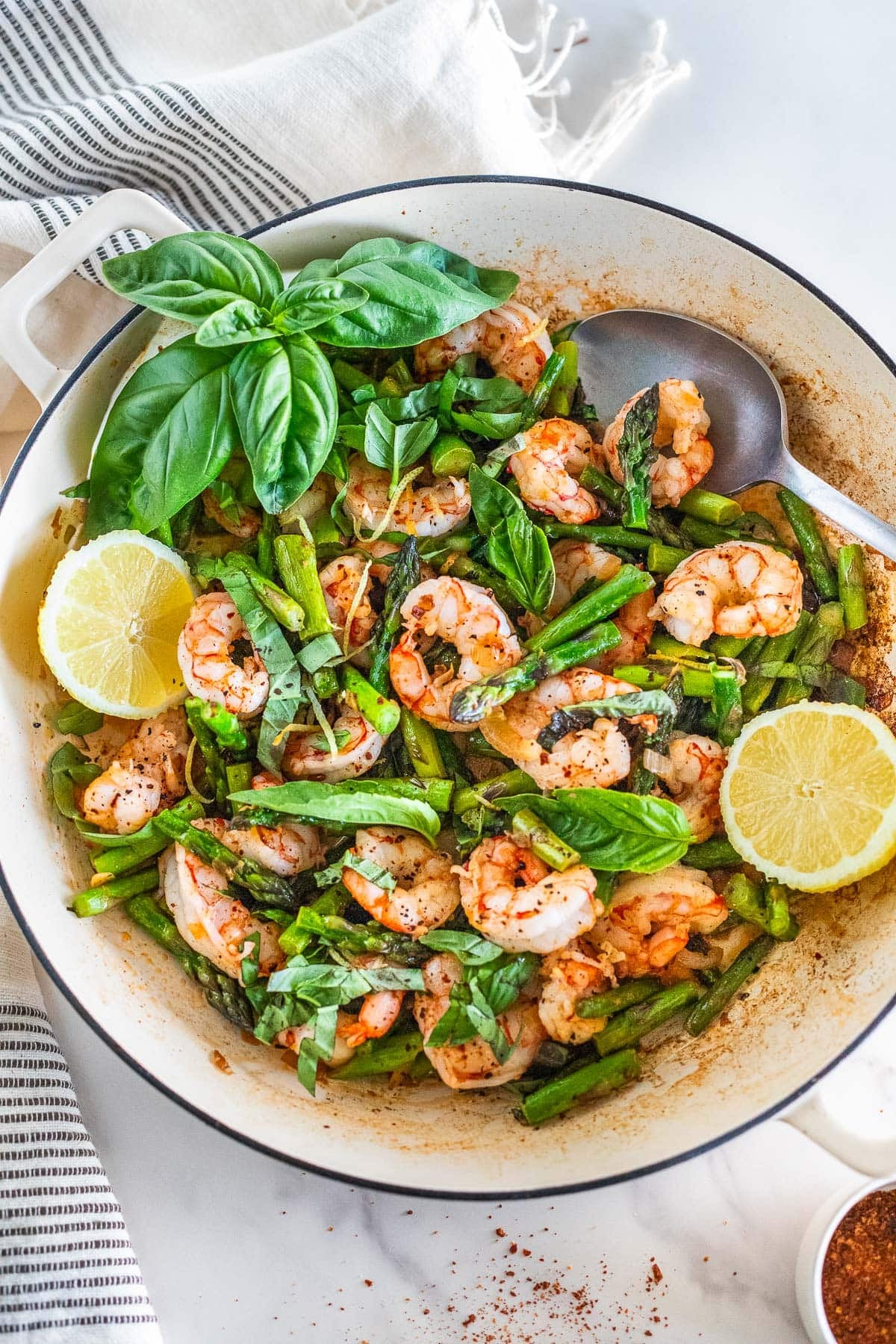
Add the asparagus to the pan. If the stalks are particularly thick, a professional chef’s trick is to add a tablespoon of water and cover the pan for two minutes. This light steam ensures the interior of the stalk is cooked through while the exterior remains vibrant and crisp.
4. The Protein Finish (Minutes 15–20)
Clear a space in the center of the pan or move the vegetables to the perimeter. Add the shrimp, searing them for two minutes per side until they turn a delicate, opaque pink. Combine everything, add a fresh squeeze of lemon juice, and garnish generously with fresh basil ribbons.
Supporting Data: Why This Combination Works
From a nutritional and culinary standpoint, this dish hits several high notes. Asparagus is a nutritional powerhouse, rich in folate, vitamins A, C, and K, and dietary fiber. When paired with shrimp—a lean source of high-quality protein and omega-3 fatty acids—the meal becomes a balanced powerhouse.
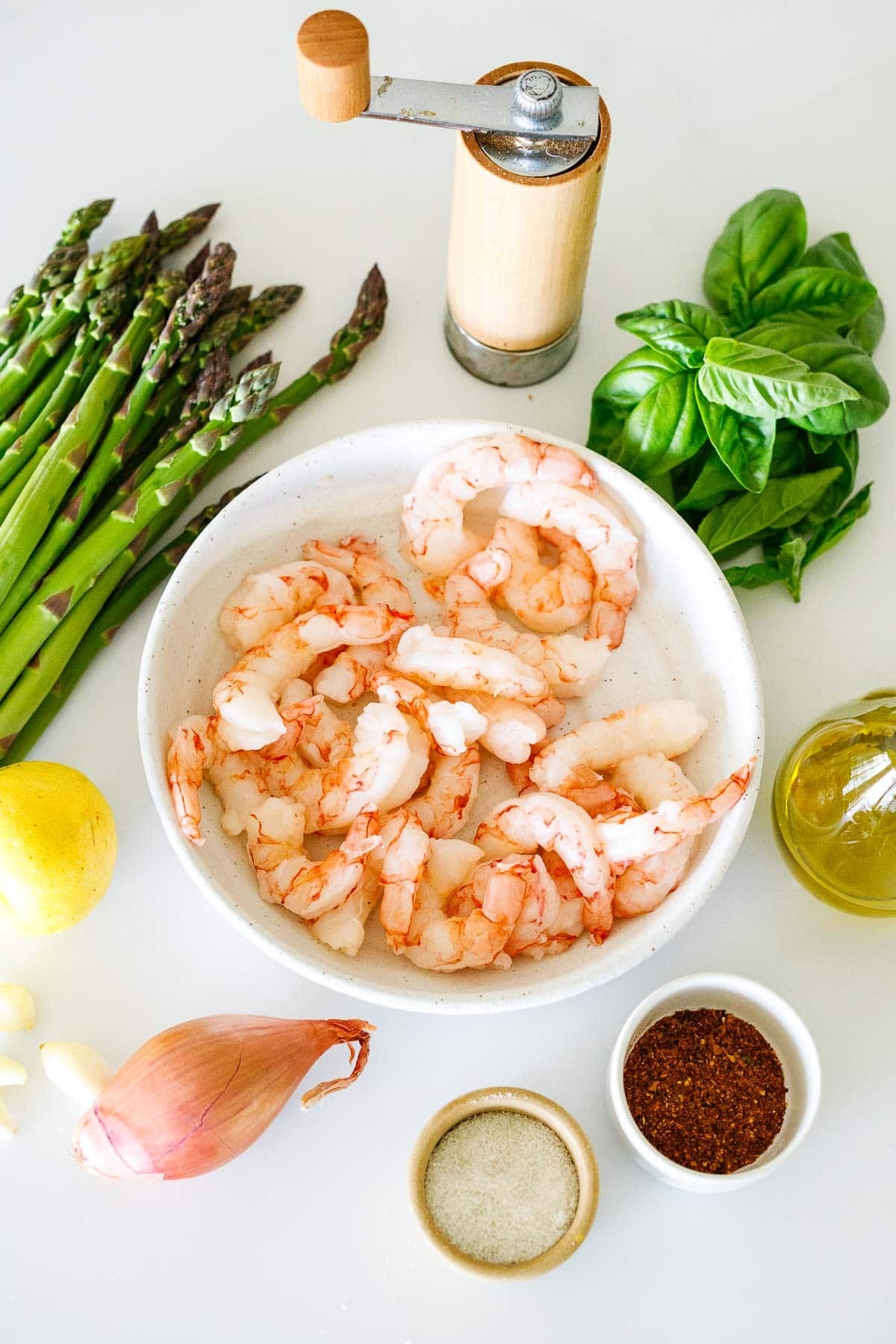
The inclusion of citrus (lemon) serves a dual purpose. Beyond providing acidity to cut the richness of the oil, the vitamin C in the lemon juice aids in the absorption of iron found in the asparagus. The use of fresh herbs, specifically basil, adds an anti-inflammatory component and a bright aromatic profile that signals "freshness" to the palate, which is often missing in processed quick-meal alternatives.
Expert Culinary Insights and Modifications
While the recipe is robust, customization is encouraged. Culinary experts suggest the following variations to suit different household needs:
- The "Richness" Modification: For those who prefer a more decadent finish, adding a tablespoon of grass-fed butter at the very end of the cooking process creates a silky, emulsified sauce that pairs perfectly with polenta or crusty bread.
- The Texture Balance: For a more substantial meal, serve the skillet contents over a base of creamy polenta or forbidden black rice. These grains provide a textural contrast to the snappy asparagus.
- Sourcing Matters: Culinary professionals consistently recommend wild-caught shrimp over farm-raised varieties. Argentinian red shrimp, in particular, are lauded for their lobster-like sweetness and ability to hold texture during the searing process.
Implications for Modern Dining
The rise of the "one-pan" phenomenon is not merely a trend; it is a response to the changing sociology of the home. As modern professionals face longer hours and reduced leisure time, the kitchen has become a space where efficiency must coexist with quality.
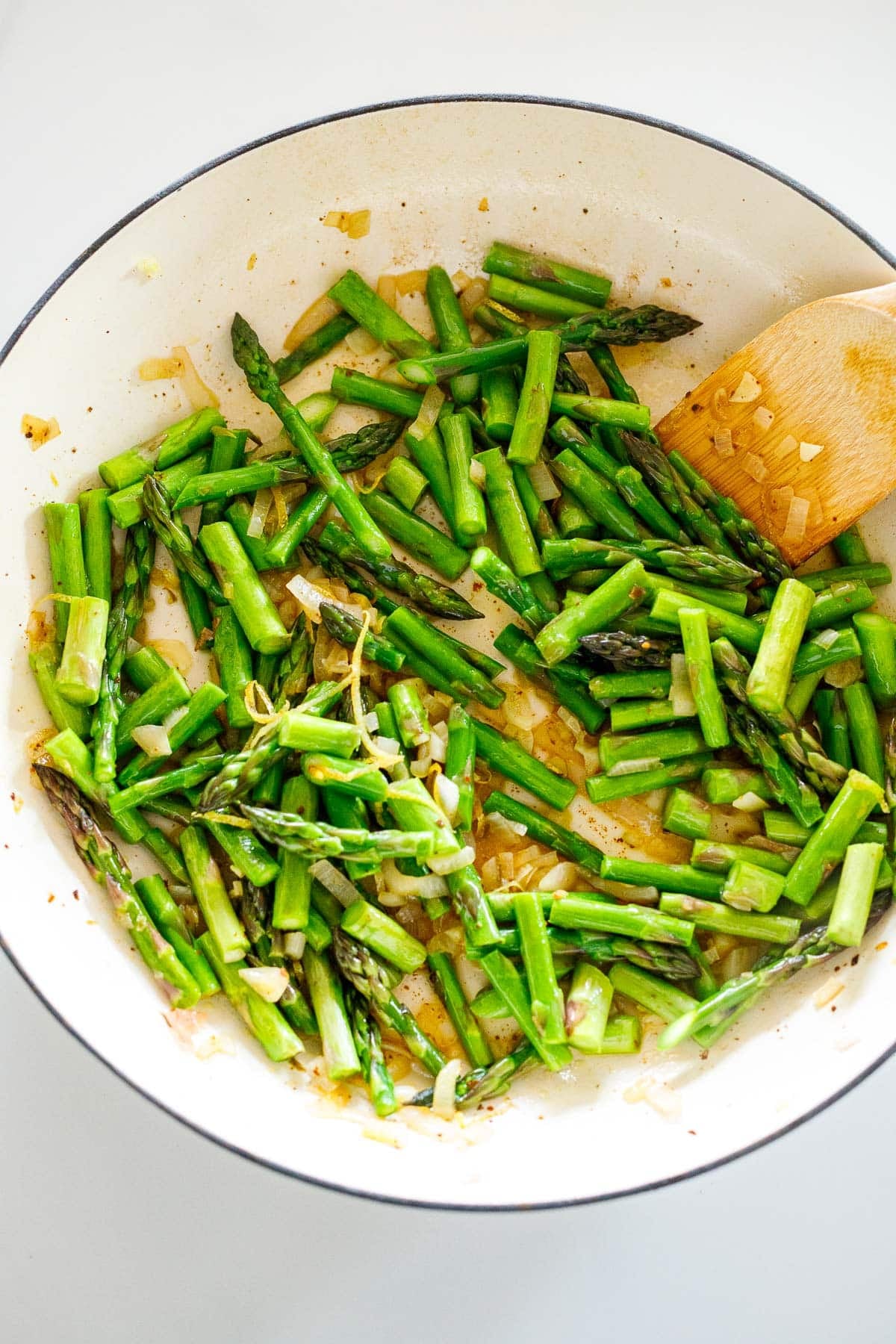
The popularity of this specific recipe signals a broader consumer shift away from heavily processed, "convenience" frozen dinners toward "fresh convenience." By keeping a bag of high-quality, frozen, deveined shrimp in the freezer, the barrier to entry for cooking a healthy meal drops significantly. It removes the "decision fatigue" that often leads to ordering takeout.
Furthermore, this dish underscores the importance of seasonal eating. Asparagus, while available year-round, peaks in quality during the spring. Recipes that highlight simple, seasonal produce require less intervention, allowing the natural ingredients to shine.
Final Considerations
Ultimately, this recipe is more than a list of instructions; it is an invitation to reclaim the kitchen as a space of restoration rather than obligation. As the philosopher Mooji once noted, "Step into the fire of self-discovery." While he was speaking of the spirit, one could argue that the same applies to the literal fire of the stovetop. By stripping away unnecessary steps and complicated techniques, the cook is left with the pure, essential joy of creating a nourishing meal.
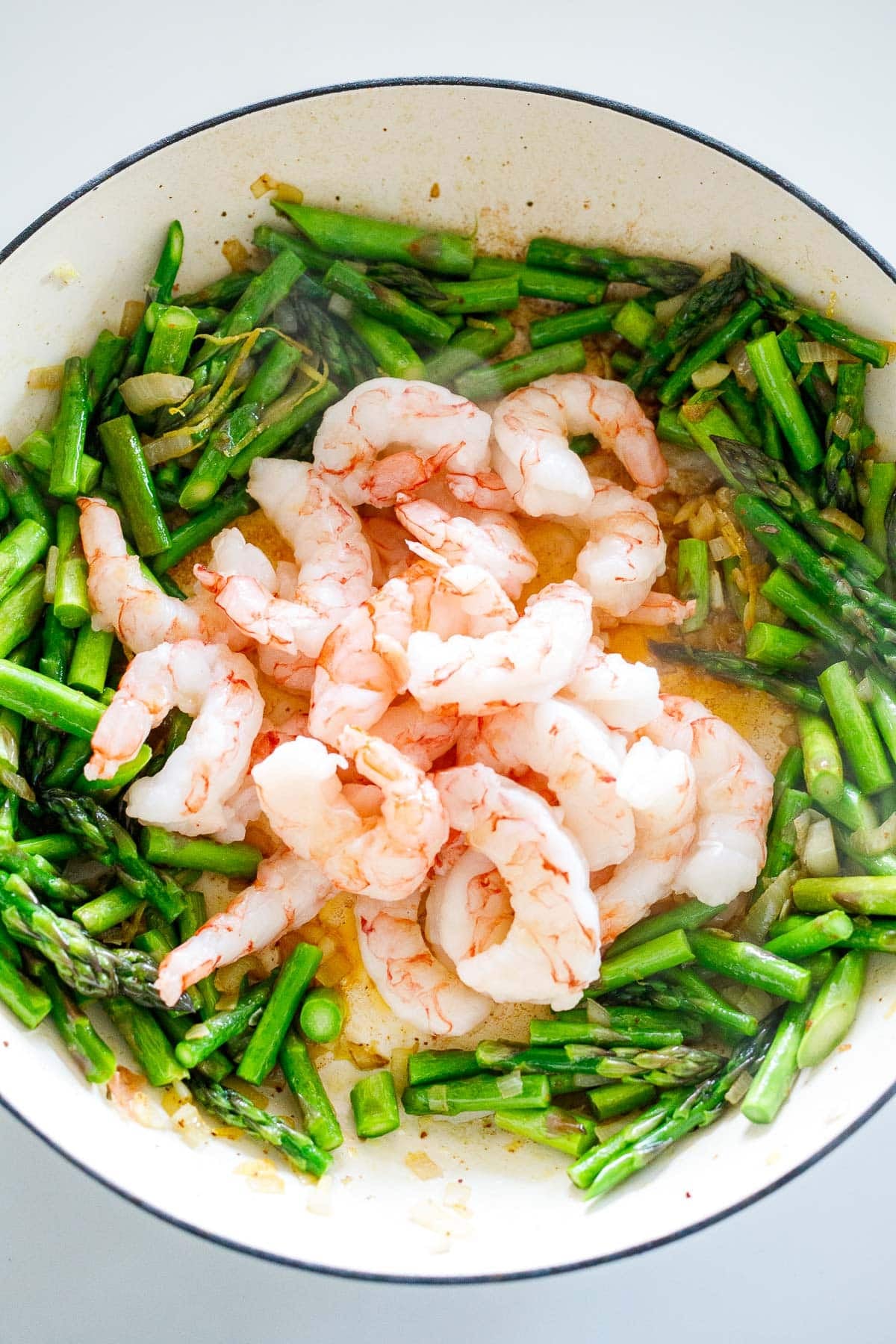
Whether you are a novice cook looking to build confidence or a seasoned professional seeking a reliable, low-effort staple for your rotation, the One-Pan Shrimp and Asparagus recipe offers a perfect balance. It is a testament to the fact that with just a few fresh ingredients and a hot skillet, a five-star dining experience is well within the reach of any home kitchen.
Quick Summary for the Home Chef:
- Prep Time: 5 minutes
- Cook Time: 15 minutes
- Total Time: 20 minutes
- Dietary Profile: Gluten-free, Low-carb, Keto-friendly.
- Storage: Keeps for up to 3 days in an airtight container; reheat gently on the stovetop to maintain shrimp texture.


 Azzam Bilal Chamdy
 Sagoh
Sagoh