 Dwi Wanna
 Nana Wu
 Muslim
 Reynand Wu
 Ammar Sabilarrohman
 Iffa Jayyana
For decades, the bar menu was a predictable landscape. If a diner wasn’t drinking alcohol, their options were binary: a cloyingly sweet Shirley Temple, a mundane sparkling water with a lonely lime wedge, or a standard diet soda. For the hospitality industry, these non-alcoholic choices were an afterthought—a "placeholder" beverage for the designated driver or the guest abstaining for health reasons.
However, the hospitality landscape is currently undergoing a seismic shift. Driven by a burgeoning "sober-curious" movement and a generational pivot by Gen Z, the demand for sophisticated, non-alcoholic experiences is no longer a niche trend; it is a fundamental change in consumer behavior that restaurant operators can no longer afford to ignore.
The Main Facts: A New Consumer Paradigm
The primary catalyst for this shift is demographic. Research indicates that more than one-third of Gen Z adults are now choosing to abstain from alcohol entirely. This is not merely a passing phase or a fleeting health fad; it represents a fundamental change in the social contract of dining out.
For operators, the implications are twofold. First, the "sober-curious" demographic—those who are not strictly teetotalers but are intentionally reducing their alcohol intake—has moved from the fringes into the mainstream. These diners expect the same level of craftsmanship, complexity, and presentation in their non-alcoholic drinks as they do in a premium cocktail or a curated wine list.
Second, the traditional "safety net" of restaurant profitability is being tested. Historically, high-margin alcohol sales—often boasting markups of 300 percent or more—have served as the financial cushion that allowed restaurants to weather the thin margins of the food side of the business. As the attachment rate for alcohol drops, operators are forced to rethink their beverage programs to ensure that their bottom line remains intact.
Chronology: The Evolution of the "NoLo" Movement
The rise of the "NoLo" (no-or-low-alcohol) category did not happen overnight. Its progression can be traced through several distinct stages:
- The Era of Exclusion (Pre-2015): Non-alcoholic options were relegated to children’s menus or basic soft drinks. There was little to no innovation, and "mocktails" were often synonymous with excess sugar and a lack of culinary intent.
- The Rise of Health Consciousness (2015–2019): As wellness culture permeated the mainstream, consumers began scrutinizing the caloric and physiological impacts of alcohol. Simultaneously, the first wave of premium non-alcoholic spirit brands began to appear, offering botanicals and complexity that mimicked traditional spirits.
- The Pandemic Pivot (2020–2022): During the global pandemic, many consumers utilized lockdowns to re-evaluate their relationship with alcohol. This led to a surge in home-based experimentation and a heightened awareness of the benefits of moderation.
- The "Sober-Curious" Mainstream (2023–Present): Today, "NoLo" is no longer a specialty request. It is a standard category on high-end menus. Fine dining establishments and casual eateries alike are investing in dedicated mixology programs that feature house-made shrubs, non-alcoholic distilled spirits, and complex fermented beverages.
Supporting Data: The Economics of the Shift
The revenue opportunity for operators who lean into the NoLo movement is significant. Adoniram Sides, SVP of Hospitality at Lightspeed, emphasizes that the transition is about more than just catering to a trend—it is about capturing revenue that would otherwise be lost to "water-only" tables.
The Margin Reality
While alcohol has historically provided the highest margins, the NoLo category is proving to be a surprising profit center. Premium non-alcoholic ingredients—herbs, fresh-pressed juices, house-made syrups, and high-end non-alcoholic distillates—allow for a high perceived value.
- Attachment Rates: Data suggests that when a menu offers at least three compelling non-alcoholic options, the attachment rate for beverages among non-drinkers increases by nearly 40 percent.
- Check Averages: Restaurants that integrate non-alcoholic pairings into their tasting menus report that these "temperance pairings" are often priced similarly to wine pairings, preserving the revenue per seat.
- Cost of Goods Sold (COGS): While premium non-alcoholic spirits can be expensive, the lack of liquor licensing taxes and the ability to utilize fresh, seasonal ingredients allow for flexible cost management that can be more favorable than high-end liquor inventories.
Official Perspectives: Navigating the Change
Industry leaders like Adoniram Sides, who brings over a decade of experience in restaurant technology and product strategy, argue that the "sober-curious" diner is an opportunity for innovation.
"The traditional model of relying on alcohol to pad the margins is becoming less sustainable," says Sides. "Operators who are successful in this new environment are those who view their non-alcoholic program as an extension of their culinary identity rather than a list of sodas. It’s about craftsmanship. If you can provide a drink that feels special, looks beautiful, and tastes complex, the guest is more than willing to pay a premium price for it."
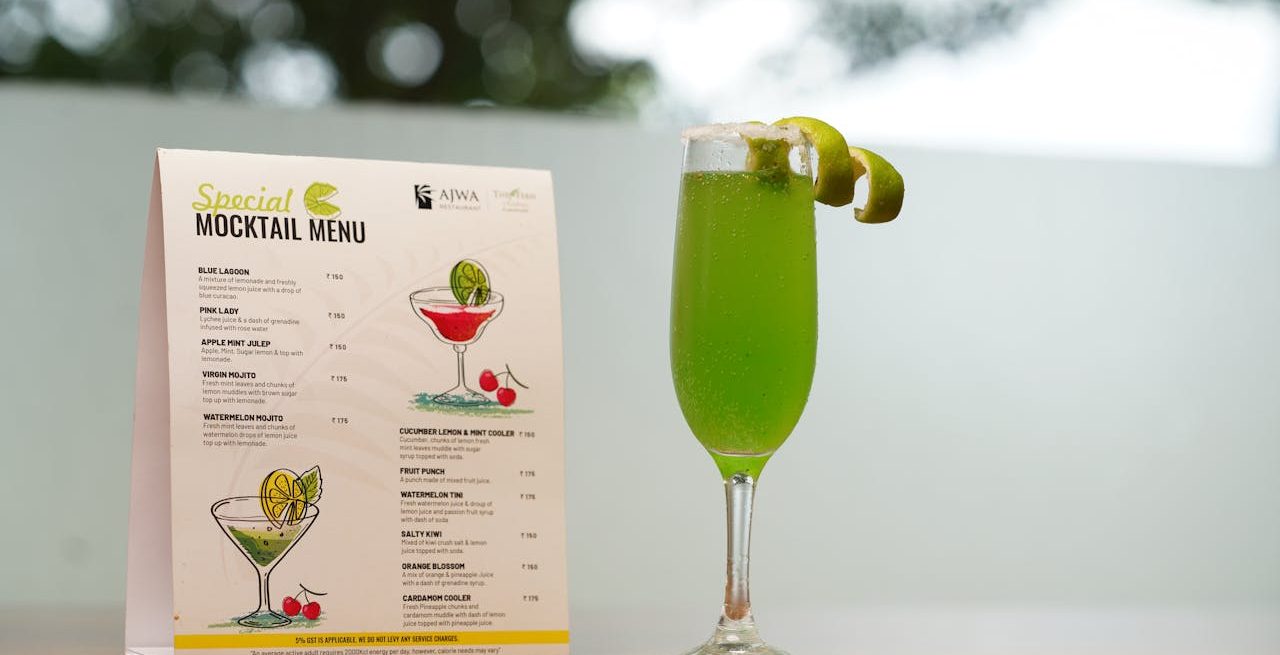
Furthermore, the integration of data-driven inventory management—a specialty of Sides’ work at Lightspeed—allows operators to track which non-alcoholic items are moving and which are not. By leveraging real-time data, restaurants can reduce waste and optimize their menus to meet the specific preferences of their local clientele.
Implications for Future Operations
The shift toward a more inclusive, alcohol-optional dining experience has profound implications for the future of the hospitality industry.
1. Menu Engineering as a Competitive Advantage
Restaurants can no longer rely on a static beverage list. Successful operators are now employing "beverage directors" who specialize in both alcoholic and non-alcoholic flavor profiles. This involves sourcing unique teas, botanical extracts, and artisanal syrups that provide a sensory experience comparable to a classic cocktail.
2. Staff Training and Culture
The front-of-house staff must be trained to speak about non-alcoholic beverages with the same expertise they use for wine. When a server can describe the flavor profile of a non-alcoholic spirit, it elevates the guest experience and encourages higher-ticket beverage sales.
3. The Rebranding of the "Bar"
The bar is no longer just a place to get "drunk." It is a stage for culinary performance. By de-emphasizing the intoxicating aspect of the bar and focusing on the artistry of the drink, restaurants can appeal to a broader demographic, including families, professionals during lunch hours, and health-conscious diners.
4. Sustainability and Local Sourcing
The NoLo trend aligns perfectly with the farm-to-table movement. Many of the best non-alcoholic ingredients—herbs, berries, roots, and flowers—can be sourced locally. This not only reduces the carbon footprint of the bar program but also creates a narrative that resonates with the modern, values-driven diner.
Conclusion: Embracing the Future
The sober-curious movement is not a threat to the restaurant industry; it is an invitation to evolve. By moving beyond the outdated notion that a bar’s value is solely tied to alcohol content, operators can tap into a new, highly engaged, and sophisticated customer base.
As Gen Z continues to age into their prime spending years, their preference for low-to-no alcohol will likely become the industry standard. The operators who embrace this change today—by investing in sophisticated menus, training their staff, and leveraging data to optimize their offerings—will find themselves well-positioned for long-term growth.
The era of settling for a soda is over. The era of the "craft non-alcoholic experience" has arrived, and for those ready to innovate, the margins are there for the taking.


 Pevita Pearce
 Azzam Bilal Chamdy