
 Dwi Wanna
 Nana Wu
 Muslim
 Reynand Wu
 Ammar Sabilarrohman
 Rifan Muazin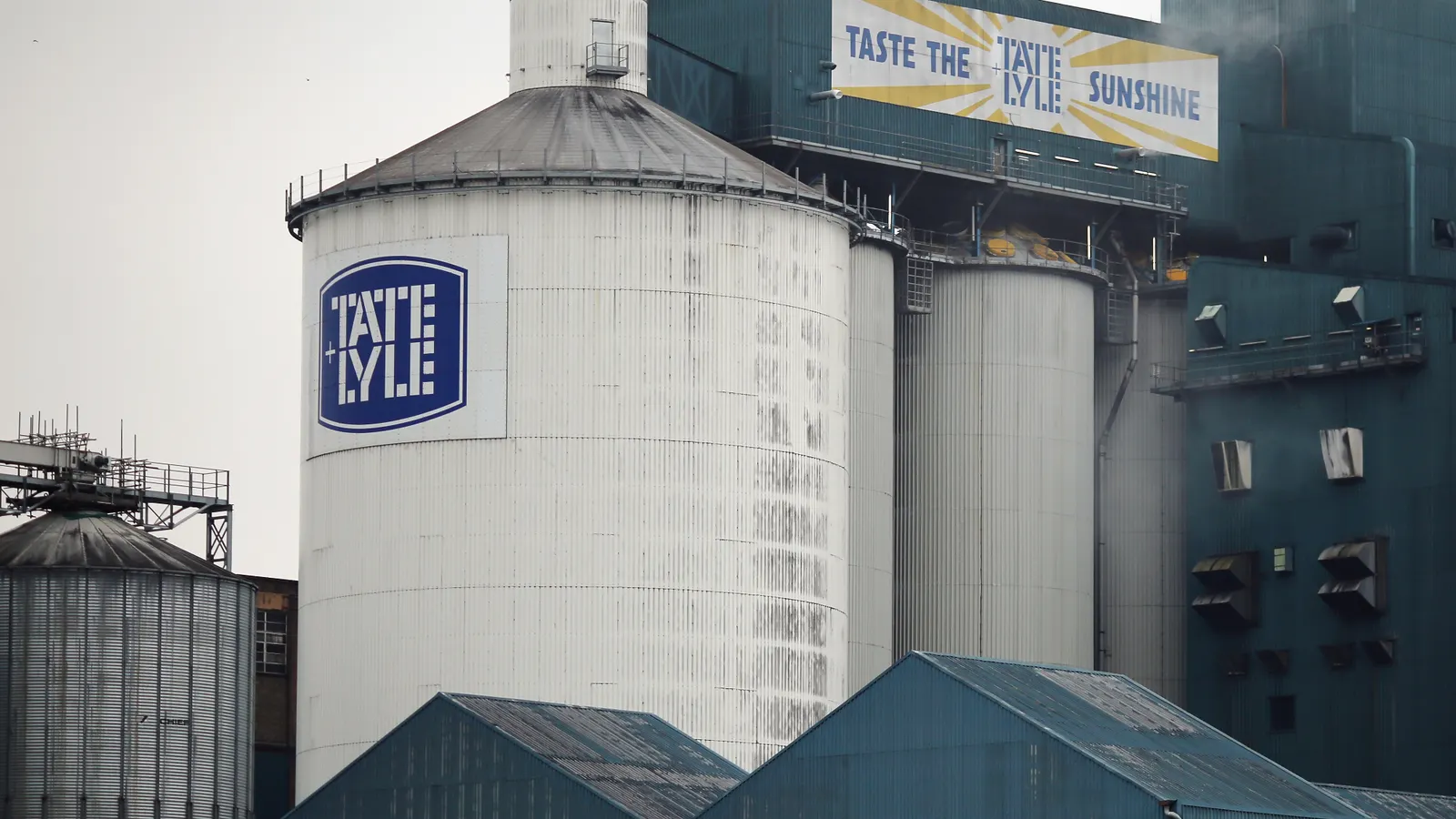
The global food ingredients landscape is undergoing a tectonic shift. As consumer preferences pivot toward clean-label transparency, health-conscious formulations, and sophisticated sensory experiences, industry titans are racing to consolidate their portfolios. At the heart of this transformation are two sector leaders—Tate & Lyle and Ingredion—who are betting billions that the future of food lies not just in the sweetness of a product, but in the nuanced science of its "mouthfeel" and textural integrity.
Main Facts: A Billion-Dollar Arms Race for Sensory Dominance
In an era where "clean label" is no longer a niche marketing term but a baseline consumer expectation, ingredient suppliers are repositioning themselves to become essential partners in the development of healthier, processed foods.
Tate & Lyle, a company with deep roots in the sweetener market, recently executed a bold maneuver by acquiring CP Kelco for $1.8 billion in 2024. This acquisition was not merely an expansion; it was a structural pivot designed to anchor the company in the high-growth domains of nutrition, hydrocolloids, and specialized texture modifiers.
Simultaneously, Ingredion—a $7.2 billion powerhouse—has been aggressively fortifying its own position. With a $100 million investment into a state-of-the-art facility in Indianapolis, Ingredion is signaling that texture is the new frontier of food science. Both companies are responding to a dual challenge: how to remove artificial additives while maintaining the sensory characteristics that make food palatable and satisfying to the modern consumer.
Chronology: The Evolution of the Ingredient Giants
The current strategic focus on texture and clean labels did not happen overnight. It is the culmination of a decade-long shift in consumer behavior and corporate strategy.
- 2015–2019: The Clean Label Awakening: As public scrutiny of "ultra-processed" foods intensified, ingredient manufacturers began moving away from synthetic stabilizers and high-fructose corn syrups. Companies like Ingredion began diversifying their portfolios to include plant-based proteins and natural texturizers.
- 2020–2022: Pandemic-Driven Innovation: During the global pandemic, consumer habits shifted toward at-home consumption. This increased demand for shelf-stable foods that maintained their quality, putting a spotlight on advanced hydrocolloids and natural preservatives.
- 2023: Ingredion’s Strategic Reorganization: Ingredion began a significant internal restructuring to streamline its operations, focusing heavily on specialized ingredients that offer functional benefits beyond basic calories.
- 2024: Tate & Lyle’s Landmark Acquisition: The $1.8 billion purchase of CP Kelco marked the most significant consolidation move in the space, granting Tate & Lyle ownership of advanced fermentation and extraction technologies essential for clean-label formulation.
- 2025–2026: The Efficiency Drive: Faced with persistent inflation and a cooling consumer market, Tate & Lyle announced a comprehensive $200 million, five-year cost-savings program in the U.S. to protect margins while continuing to invest in long-term volume growth.
Supporting Data: The Economic Scale of Texture and Sweeteners
The stakes for these companies are immense. Ingredion’s 2025 performance, reporting approximately $7.2 billion in net sales, demonstrates the sheer scale of the ingredients sector. However, this growth is being met with significant headwinds.
The Cost of Innovation
- Ingredion’s Indianapolis Investment: $100 million allocated specifically for expanding production capabilities for texturizers, reflecting the company’s belief that texture is an "underappreciated" aspect of formulation.
- Tate & Lyle’s Savings Program: A $200 million initiative over five years aimed at optimizing the supply chain and driving operational efficiency in the U.S. market, a direct response to the softening of demand amid inflationary pressures.
The Sweetener Supply Chain
A critical component of this market is the shift in sweetener technology. Tate & Lyle has differentiated itself by establishing what it claims is the first all-American supply chain for stevia. By controlling the supply chain from the ground up, the company aims to mitigate the volatility of international ingredient markets and offer manufacturers a more stable, affordable pricing structure for natural sweeteners—a vital component for companies looking to reduce sugar without relying on controversial artificial alternatives.
Official Responses and Executive Strategy
The leadership at these firms has been vocal about the necessity of this strategic shift. Ingredion’s CEO has repeatedly emphasized that "texture is the most underappreciated part of food formulation." From the crunch of a snack to the creamy mouthfeel of a dairy-free beverage, the ability to mimic the experience of traditional, less-healthy ingredients is the primary barrier to adoption for the clean-label movement.
"If a product is healthier but doesn’t taste like what the consumer expects, it will fail," an Ingredion representative noted in earlier communications. This philosophy drives their investment strategy. By focusing on specialized ingredients like starches, gums, and fibers, they are enabling food manufacturers to create "cleaner" versions of beloved snacks without sacrificing the "craveability" that drives repeat purchases.
Tate & Lyle, meanwhile, has framed its acquisition of CP Kelco as a "transformational moment." In recent trading statements, company leadership highlighted that while demand has slowed due to inflationary concerns, the long-term potential of the texture and mouthfeel category remains robust. Their current focus is on managing short-term volatility through the $200 million savings program while doubling down on products that solve the "formulation puzzle" for their global manufacturing clients.
Implications: What This Means for the Future of Food
The consolidation and investment patterns seen in these two companies offer a roadmap for the future of the global food system.
1. The Death of the "Artificial" Era
As major manufacturers align their supply chains with natural, label-friendly ingredients, the industry is approaching a tipping point. Within a decade, the use of synthetic stabilizers and artificial sweeteners may be restricted to a dwindling segment of the market, as the cost-gap between natural texturizers and artificial chemicals continues to shrink through economies of scale.
2. The Rise of "Functional Sensory" Science
Food science is shifting from a focus on chemical preservation to a focus on structural integrity. Manufacturers are no longer just looking for ingredients that prevent spoilage; they are looking for ingredients that provide a specific "bite," "snap," or "silky" sensation that mimics the sensory profile of fat or sugar. This is where the $100 million investments in Indiana and the CP Kelco acquisition will pay dividends.
3. Inflation and the "Value" Gap
The recent slowdown in demand reported by Tate & Lyle is a warning sign. While consumers want clean-label products, they are increasingly price-sensitive. The companies that succeed will be those that can master the "affordability of health." This explains the focus on an all-American stevia supply chain—it is an effort to remove the "green premium" from healthy ingredients, making them accessible to the mass market rather than just the premium organic segment.
4. Supply Chain Sovereignty
The move toward local, integrated supply chains is a direct response to the global logistical disruptions of the last five years. By shortening the distance between source and production, Tate & Lyle and Ingredion are not just saving on shipping—they are insulating their customers from geopolitical instability, ensuring that the ingredients for tomorrow’s snacks are available even when global trade lanes face challenges.
Conclusion: A Delicate Balance
The future of the food ingredient industry is a delicate balancing act. Companies like Tate & Lyle and Ingredion are tasked with the difficult job of simultaneously simplifying the ingredient list while increasing the complexity of the science required to keep food palatable.
The $1.8 billion gamble on CP Kelco and the $100 million investment in Indiana are not just capital expenditures; they are markers of a transition. The era of the "all-purpose additive" is fading, replaced by a sophisticated, science-led approach where texture and mouthfeel are the primary drivers of consumer satisfaction. As these companies navigate the current economic headwinds, their ability to marry "clean-label" purity with "value-conscious" affordability will determine which of them remains the dominant player in the pantries of the future. The food of tomorrow will be, by necessity, both healthier and more engineered—a testament to the unseen, yet essential, science behind every bite.


 Sagoh
Sagoh
 Azzam Bilal Chamdy