

 Ammar Sabilarrohman
 Ali Ikhwan
 Dwi Wanna
 Neng Nana
 Siti Muinah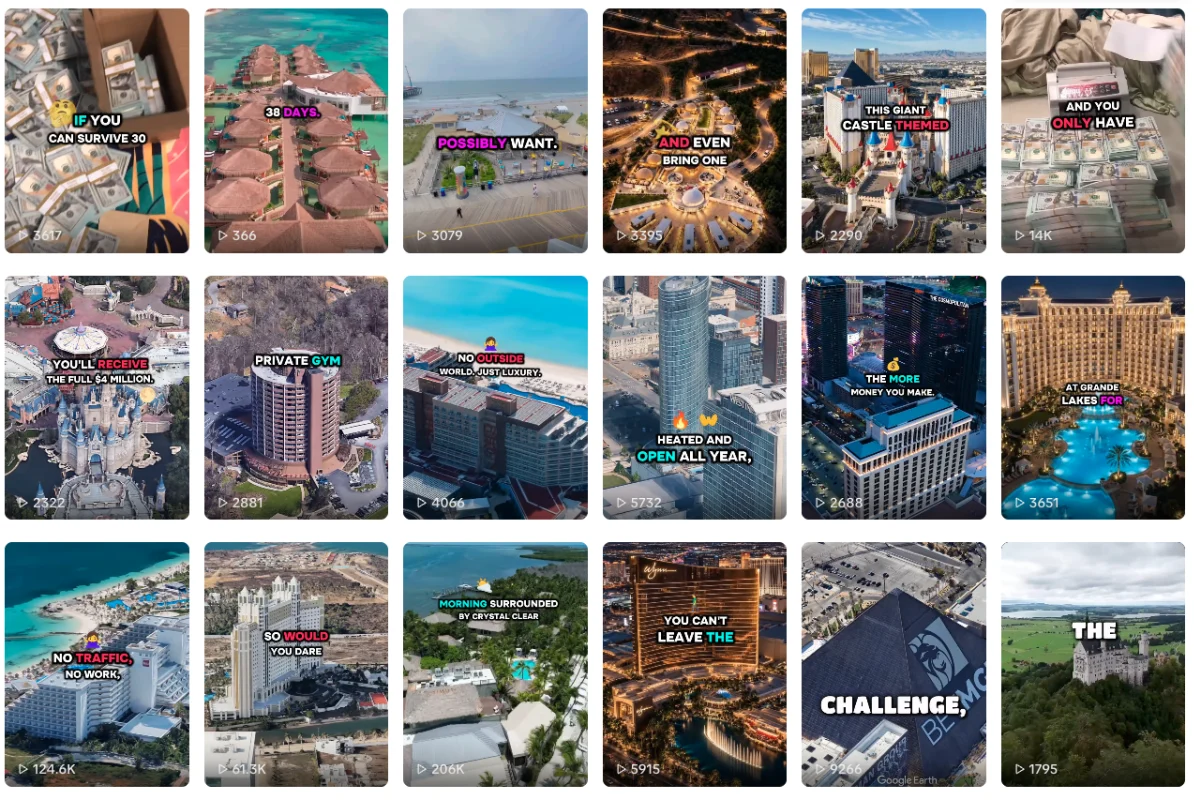
In the digital age, the line between aspirational travel content and outright fabrication has become increasingly blurred. For the Ambiente Sedona, a luxury landscape hotel nestled in the red rocks of Arizona, the reality of this blurring manifested in a series of persistent, confusing, and ultimately damaging inquiries that began in early October.
What started as a trickle of phone calls to the front desk soon transformed into a wave of global interest, fueled by a sophisticated, artificial intelligence-driven misinformation campaign. The premise of the viral videos circulating on platforms like TikTok was simple, seductive, and entirely false: stay at the Ambiente Sedona for one month without leaving the property grounds, and walk away with a payout ranging from thousands to millions of dollars.
As these AI-generated videos continue to rack up millions of views, the hospitality industry is facing a new, existential threat. This is no longer just about “fake news”; it is about the weaponization of travel brands for engagement, clicks, and potentially, fraudulent schemes that leave property owners scrambling to protect their reputations.
The Chronology of a Digital Delusion
The phenomenon began in the first week of October. At first, the Ambiente Sedona staff treated the inquiries as oddities—an occasional curiosity from guests who had seen something “interesting” online.
“It was early October when the Ambiente Sedona received a call asking about a challenge spotted on social media,” recalls Jennifer May, the property’s owner. The caller wanted to know the rules, the entry requirements, and the logistics of a month-long stay aimed at winning a massive cash prize.
The front desk staff, trained in hospitality excellence, politely informed the callers that no such promotion existed. However, the volume of inquiries grew with alarming speed. By the second week of October, the frequency of calls shifted from a nuisance to a operational disruption.
The most concerning indicator arrived via email: a luxury travel agent based in South Korea reached out on behalf of “several” U.S.-based clients, expressing a serious interest in booking a month-long stay specifically to participate in the challenge. This marked a shift from casual social media curiosity to high-intent travel planning based on a complete fabrication.
“Over one weekend, we had four different people call our front desk asking about this particular challenge,” May noted. The speed at which these videos proliferated suggests a coordinated effort—likely utilizing automated AI tools to churn out high-quality, believable, yet entirely fraudulent content.
Anatomy of the Scam: AI and the Illusion of Authenticity
To understand why these videos are so effective, one must look at the technology driving them. The content circulating on TikTok utilizes sophisticated AI video generation, voice synthesis, and high-definition stock footage of the hotel.
These videos are designed to look like authentic “travel hacks” or “luxury challenges.” They leverage the aesthetic of high-end travel influencers, using trending audio, fast-paced editing, and captions that promise “easy money.” By combining the prestige of the Ambiente Sedona with the allure of a life-changing windfall, the creators tap into a psychological trigger that bypasses critical thinking.
The Mechanism of Deception
- Visual Synthesis: Using AI tools, creators can overlay fake text, voice-overs, and animations onto genuine footage of the property, making it appear as though the hotel is endorsing the challenge.
- Algorithmic Amplification: These videos are designed to trigger TikTok’s algorithm by utilizing specific hashtags (#luxurytravel, #moneychallenge, #sedona) that target high-intent, affluent travelers.
- The "Social Proof" Illusion: The comments sections are often flooded with bot accounts claiming they have “already signed up” or asking “how to apply,” creating a false sense of legitimacy that encourages real users to reach out to the hotel.
For property owners like Jennifer May, this is not the first encounter with such issues. She previously alerted industry observers to AI-generated videos that shared inaccurate, and at times bizarre, depictions of her property. This latest campaign, however, represents an escalation in scope and intent.
The Burden on Hospitality: Official Responses
When asked about the situation, Jennifer May expressed frustration—not just for her own property, but for the industry at large. The burden of debunking these claims falls entirely on the hotel staff, who are diverted from their primary role of providing service to instead act as a front line against digital misinformation.
"We have to spend our time and resources correcting a narrative that we never created," May said. "When a potential guest calls asking about a million-dollar prize, we have to navigate that conversation delicately. We don’t want to make the guest feel foolish, but we must be firm that the promotion is a fabrication."
The challenge for luxury properties is that they rely on the aspirational nature of social media. Luxury travel is a business of dreams, and these scammers are essentially hijacking the “dream” to drive engagement to their own channels.
While platforms like TikTok have policies against misleading content and fraud, the speed at which these videos are created and replaced—often via burner accounts—makes them difficult to suppress. Even when one account is banned, the AI tools allow the creators to generate ten more in a matter of hours.
Implications for the Global Travel Industry
The Ambiente Sedona incident is a canary in the coal mine for the global travel and hospitality sector. As AI becomes more accessible, the barriers to entry for creating sophisticated, fraudulent marketing campaigns have effectively vanished.
1. Reputation Management and Brand Equity
When a brand is associated with a fraudulent “get-rich-quick” scheme, the damage to its reputation can be subtle but pervasive. Guests who arrive expecting a challenge and find only a standard luxury experience may feel disappointed or misled, even if they were never promised a prize by the hotel itself. The association with “clickbait” culture undermines the exclusivity that luxury brands spend millions to cultivate.
2. The Liability of Misinformation
There is a legal gray area here. If a traveler books a stay based on a fraudulent video, do they have a claim against the property? While the hotel is clearly a victim, the confusion can lead to consumer complaints, negative reviews, and potential disputes that consume time and legal fees.
3. The Erosion of Consumer Trust
The most dangerous long-term implication is the degradation of trust in digital travel discovery. If travelers can no longer distinguish between a genuine promotion and an AI-generated lie, they may become more skeptical of all social media content. This could lead to a decline in the effectiveness of legitimate influencer marketing, which has become a cornerstone of hotel promotion in the 2020s.
Strategies for Defense: How Hotels Can Fight Back
The fight against AI-generated misinformation requires a multi-pronged approach:
- Proactive Communication: Hotels must clearly state on their official websites and social media bios that they are not currently running any challenges or contests unless explicitly stated on verified, official channels.
- Digital Monitoring: Properties should invest in social media monitoring tools that alert them when their brand name is mentioned in conjunction with keywords like “challenge,” “contest,” or “prize.”
- Reporting and Escalation: Properties must be aggressive in reporting fraudulent accounts to platforms. While platform response times vary, documented reporting is essential for building a case for permanent account removal.
- Educating the Guest: By utilizing official social media channels to educate guests on how to identify legitimate promotions, hotels can help inoculate their audience against these scams.
Conclusion: The New Reality of the Digital Frontier
The saga at the Ambiente Sedona serves as a stark reminder that the internet is no longer a passive medium for travel discovery; it is a battleground for attention and, increasingly, for truth.
As we look toward the future of travel, it is clear that AI will play a dual role. It will continue to provide innovative ways to plan trips and enhance guest experiences, but it will also continue to be used by malicious actors to deceive and exploit. For luxury hotels, the path forward involves a blend of high-touch human service and high-tech digital vigilance.
The "Ambiente Challenge" does not exist. There is no million-dollar prize for staying in the red rocks for a month. Yet, the fact that thousands of people believed it—or wanted to believe it—speaks volumes about the power of the digital narrative. In an era where anything can be fabricated, the most valuable commodity a brand possesses is not its architecture or its amenities, but its verified, authentic voice.
Until platforms implement more robust safeguards against AI-driven fraud, the burden of truth will remain on the shoulders of the hotels themselves. For Jennifer May and her team, the task is clear: keep the focus on the red rocks, the luxury, and the reality, while letting the digital noise fade into the background. But for the rest of the industry, the lesson is clear—the era of the AI-generated reputation crisis has arrived, and it is here to stay.


 Asep Darmawan
 Raul Delapena Setiawan
