

 Raul Delapena Setiawan

 Ammar Sabilarrohman
 Lina Irawan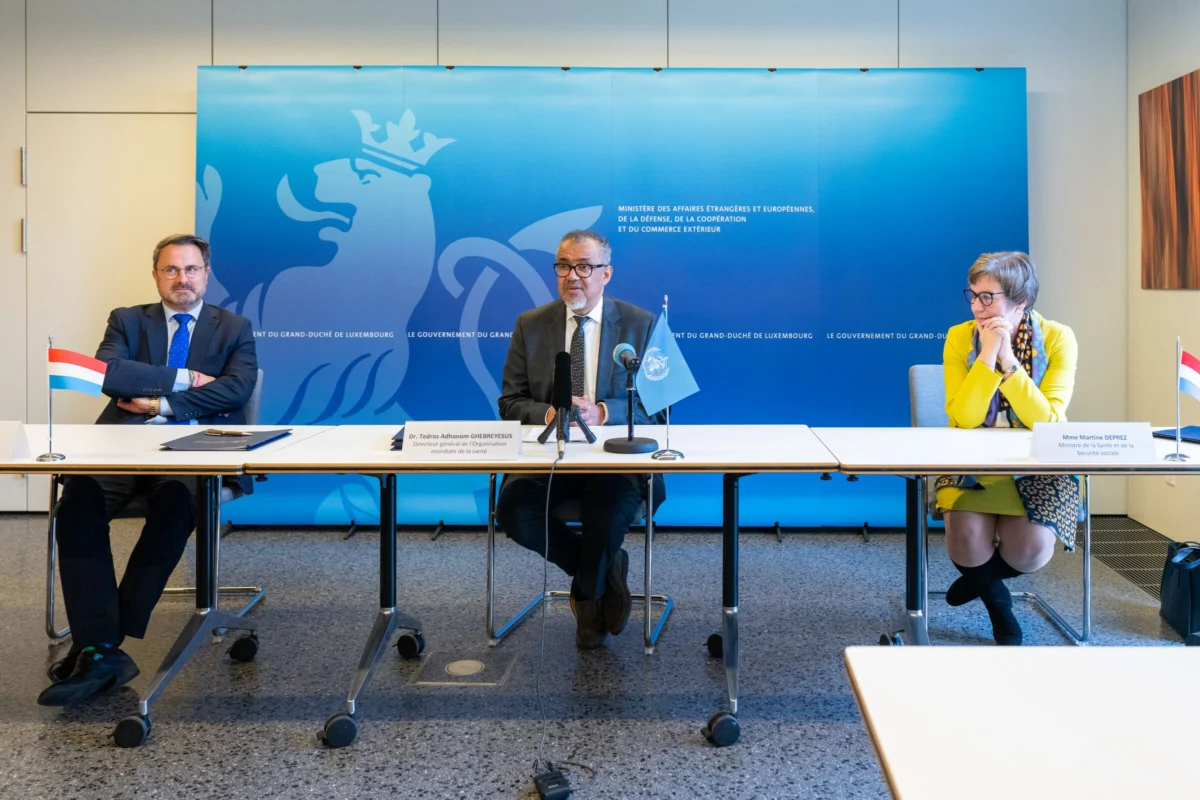
 Suro Senen
 Azzam Bilal Chamdy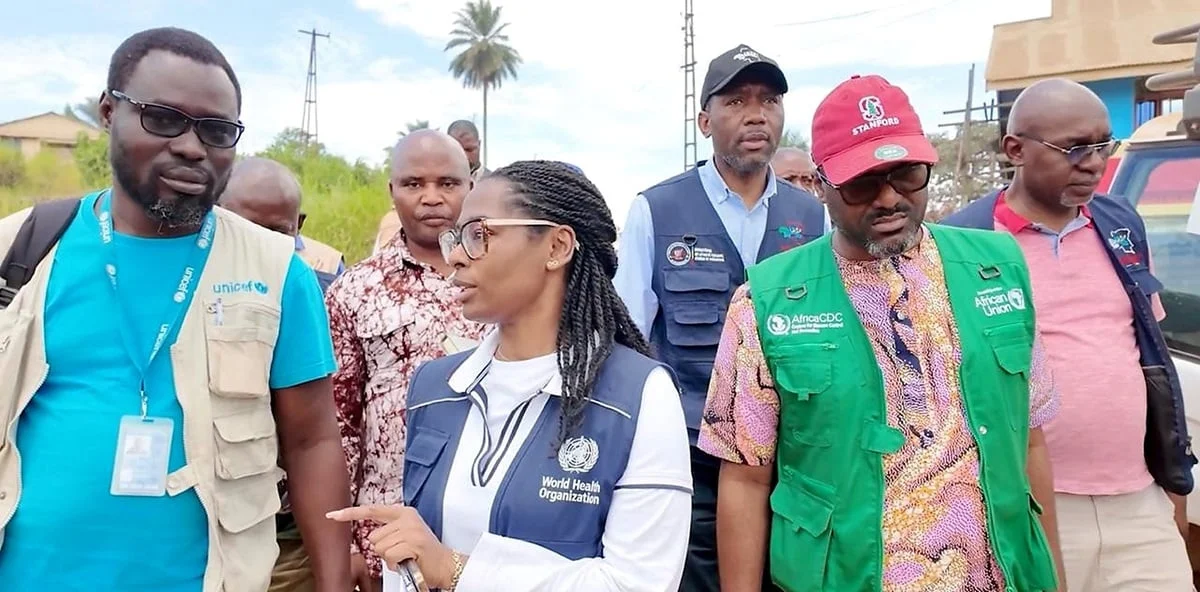
ADDIS ABABA/GENEVA — In a landmark display of pan-African and global solidarity, the Africa Centres for Disease Control and Prevention (Africa CDC) and the World Health Organization (WHO) have officially unveiled a comprehensive continental preparedness and response plan to tackle the ongoing Ebola outbreak caused by the Bundibugyo virus.
This ambitious six-month initiative, spanning from June to November 2026, seeks to mobilize US$ 518 million to fortify the continent’s defense against a pathogen that has historically proven both lethal and challenging to contain. The strategy represents a departure from fragmented regional responses, instead embracing a unified "One Response" approach designed to harmonize emergency coordination, laboratory surveillance, and clinical care across borders.
Main Facts: The "One Response" Framework
The Bundibugyo species of the Ebola virus has long been recognized as a significant public health threat in Central and East Africa. Unlike more common strains, the absence of specifically approved, licensed vaccines or therapeutics for the Bundibugyo virus adds a layer of complexity to the current crisis.
The $518 million funding goal is not merely a request for aid; it is a calculated investment in regional stability. The plan identifies several critical pillars of intervention:
- Emergency Coordination & Logistics: Establishing rapid-response hubs to ensure the seamless movement of medical supplies and personnel.
- Disease Surveillance & Lab Testing: Scaling up diagnostic capabilities to ensure that suspected cases are confirmed within hours, not days.
- Clinical Care & Infection Control: Providing specialized treatment centers and equipping frontline health workers with the necessary PPE to prevent nosocomial transmission.
- Community Engagement: Moving beyond top-down medical directives to foster trust, ensuring that local populations are partners in the fight rather than passive recipients of intervention.
The plan acts as a strategic umbrella, complementing the existing national response strategies already implemented by the Democratic Republic of the Congo (DRC) and Uganda. By layering continental resources over national efforts, the Africa CDC and WHO aim to plug gaps in cross-border surveillance and supply chain management.
Chronology: A Path to Preparedness
The urgency of this plan is rooted in the fast-moving nature of the virus. While the formal plan covers the window of June to November 2026, the groundwork for this response began long before the launch.
- Pre-June 2026: Initial localized outbreaks in the border regions of the DRC and Uganda sparked early warning protocols. Regional health authorities began identifying gaps in cross-border screening.
- Early June 2026: Africa CDC and WHO officials met in Addis Ababa to finalize the integration of national data, recognizing that the Bundibugyo virus does not respect political boundaries.
- June 15, 2026: Official launch of the $518 million joint response plan.
- June–August 2026 (Phase 1): Immediate scale-up of 10 priority countries identified as "at-risk." This phase focuses on establishing mobile laboratory units and public health emergency operations centers.
- September–November 2026 (Phase 2): Consolidation of efforts, focusing on long-term health system resilience and the integration of Ebola response measures into broader national health agendas.
Supporting Data: The Magnitude of the Challenge
The financial requirement of $518 million is based on rigorous risk modeling. Public health experts have calculated that the cost of inaction far outweighs the cost of the intervention. The funding allocation is distributed across several key operational areas:
- Surveillance and Laboratory Infrastructure: Approximately 30% of the budget is dedicated to the enhancement of molecular diagnostic facilities, ensuring that even the most remote districts have access to rapid testing.
- Vaccine and Therapeutic R&D: While a specific vaccine for the Bundibugyo strain remains in development, a significant portion of the budget is allocated to supporting clinical trials and research efforts to accelerate the availability of therapeutic countermeasures.
- Community Health Worker Networks: 20% of the funds are earmarked for the training and deployment of local health workers. Data from previous outbreaks in 2014 and 2018 have shown that successful containment relies almost entirely on the efficacy of local contact tracing teams.
- Points of Entry (PoE) Protection: Recognizing the high volume of trade and migration in the region, the plan allocates resources to transform border crossings into active screening and sensitization hubs.
The plan also addresses the "hidden" cost of the outbreak: the disruption of routine health services. By ensuring that Ebola response efforts are integrated rather than siloed, the initiative aims to prevent the total collapse of maternal health and vaccination programs in affected districts.
Official Responses: A Call for Unity
The launch of the plan featured strong statements from the heads of both leading health organizations, emphasizing that the battle against Ebola is as much about human behavior and political will as it is about clinical medicine.
Dr. Tedros Adhanom Ghebreyesus, WHO Director-General, underscored the necessity of cohesion. "The only way to beat this outbreak is through close partnership, working together under the leadership of the affected countries in one coordinated effort, guided by a simple principle: one plan, one budget, one team," he stated. He further warned that technical solutions fail if the community is left behind. "Containing Ebola depends on political commitment, sustained financing, and the trust and engagement of communities. This plan places communities at the center, because without their participation, contact tracing falters, safe care is delayed, and transmission continues."
Dr. Jean Kaseya, Director-General of Africa CDC, highlighted the need for speed. "Ebola moves fast. Africa must move faster," Kaseya remarked. "This joint plan gives the continent a clear path to act with speed and unity: to save lives, support the affected countries, and protect neighboring communities. With Member States, WHO, and partners, Africa CDC is turning commitment into action and resources into response for the communities at risk."
Implications: Building a Resilient Future
The significance of this plan extends far beyond the current outbreak. It serves as a test case for the "New Public Health Order" for Africa, an initiative championed by the African Union to transition from a reliance on external aid to a system defined by African sovereignty and preparedness.
1. Strengthening Health Systems
By focusing on the Bundibugyo outbreak, the initiative is simultaneously strengthening the infrastructure needed to combat other perennial threats, such as mpox, cholera, and measles. The logistics chains established during this crisis are expected to remain as permanent assets for national health ministries.
2. Cross-Border Solidarity
The emphasis on "points of entry" marks a shift in how the continent manages public health crises. By standardizing screening protocols, countries are signaling that they can manage the tension between public health safety and the economic necessity of open trade routes.
3. A Pathway for Research
In the absence of a licensed vaccine for this specific Ebola strain, the plan provides a framework for accelerating clinical research. This creates a potential blueprint for how Africa can coordinate with global research entities to bring products to trial faster during acute emergencies.
4. Lessons Learned
The strategy draws heavily from the painful lessons of the past decade. It acknowledges that bureaucratic hurdles and fragmented communication were once the primary facilitators of transmission. By centralizing decision-making under the "One Response" banner, the Africa CDC and WHO are removing the red tape that has previously cost lives.
5. Sustainability and Political Commitment
The success of the $518 million appeal will be the ultimate litmus test for global and regional political commitment. With competing health emergencies worldwide, the Africa CDC is calling on Member States to prioritize the Ebola response, not as a temporary emergency, but as a long-term investment in regional security.
Conclusion
As the continent faces this latest challenge, the joint response plan serves as a testament to the maturation of Africa’s public health architecture. The collaboration between the Africa CDC and the WHO is not merely a functional alliance; it is a declaration that the continent is better prepared to protect its citizens than ever before.
However, the road ahead is arduous. The success of the next six months will depend on the continued adherence to the principles of transparency, scientific rigor, and community-led action. As the world watches, the efforts of health workers, government officials, and community members in the affected regions will be the frontline in the battle to turn the tide against the Bundibugyo virus.
The message from Addis Ababa and Geneva is clear: through unity, the continent will not only control this outbreak but will emerge with a more resilient, robust, and capable health system ready to face the challenges of the future.