
 Raul Delapena Setiawan
 Ammar Sabilarrohman
 Lina Irawan
 Suro Senen
 Laily UPN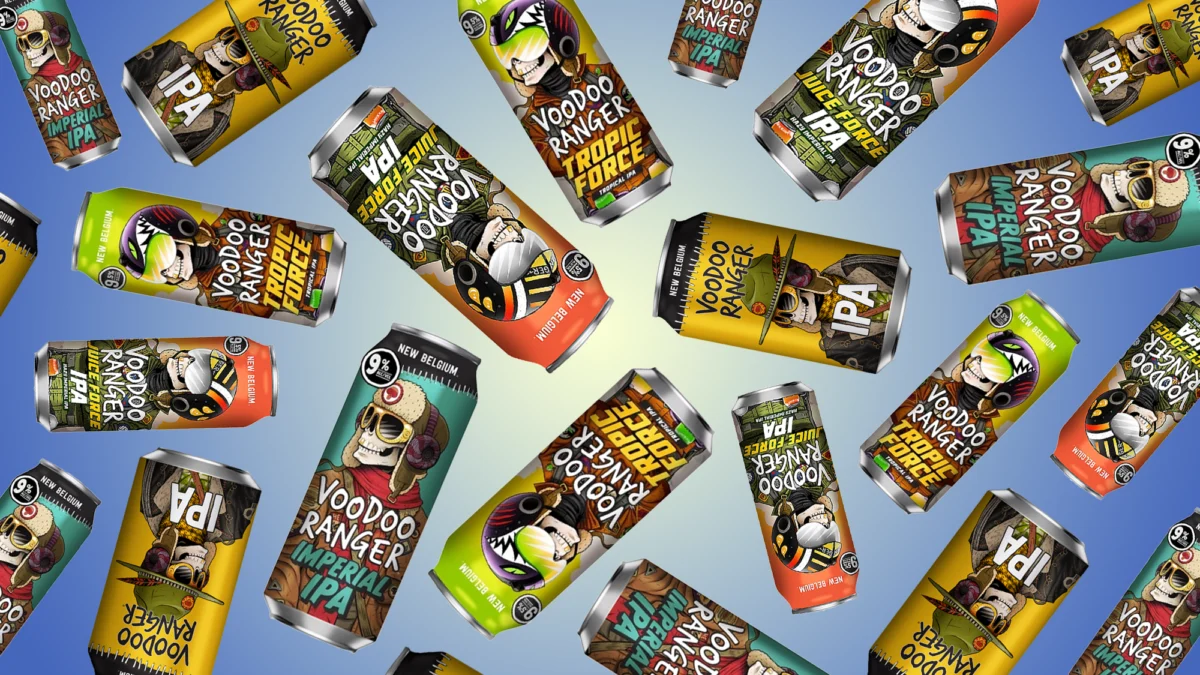
If you have navigated the labyrinthine aisles of a modern liquor store, supermarket, or gas station convenience hub, you have undoubtedly encountered him: a skeletal figure, rendered in vibrant, street-art-inspired colors, sporting gold teeth and an eclectic array of headgear ranging from park ranger hats to vintage aviator goggles. This is the Voodoo Ranger, the enigmatic, mascot-driven face of one of the most commercially successful craft beer expansions in American history.
Born from the creative labs of the New Belgium Brewing Company in Fort Collins, Colorado, the Voodoo Ranger brand has done what many craft breweries thought impossible: it has bridged the gap between the high-brow, often exclusionary world of artisanal craft beer and the high-volume accessibility of the macro-lager market.
Main Facts: The Anatomy of a Craft Juggernaut
Voodoo Ranger is not merely a single beer; it is an expansive sub-brand of New Belgium Brewing. While New Belgium is best known for its flagship Fat Tire Amber Ale—a staple of the 1990s craft boom—Voodoo Ranger represents the company’s pivot toward the aggressive, hop-forward demands of the 21st-century consumer.
The brand operates on a strategy of rapid innovation. By leveraging the vast distribution network of New Belgium (now owned by the international beverage conglomerate Kirin Holdings via Lion Little World Beverages), Voodoo Ranger has managed to secure shelf space that is usually reserved for legacy domestic brands.
The core of the brand’s success lies in its versatility. From the standard Juicy Haze IPA to the high-ABV “Imperial” variations, the Voodoo Ranger lineup is engineered for both the casual drinker who wants a consistent, punchy flavor profile and the enthusiast who appreciates the nuances of modern hop varieties like Citra, Mosaic, and Galaxy.
A Chronological Evolution: From Niche to Necessity
To understand the Voodoo Ranger phenomenon, one must look at the timeline of its emergence within the context of the American craft beer evolution.
The Foundation (2000s–2016)
New Belgium Brewing, founded in 1991, spent two decades building its reputation on the back of Fat Tire. However, by the mid-2010s, the market began to shift. The craft beer consumer was becoming younger, more digitally native, and increasingly obsessed with IPAs—specifically the evolving “juicy” or “hazy” styles pioneered by New England breweries.
The Birth of the Ranger (2017)
In 2017, New Belgium officially launched the Voodoo Ranger line. The strategy was clear: create a distinct brand identity that felt separate from the somewhat “earthy” and “environmentally conscious” branding of traditional New Belgium products. The “Voodoo” name was pulled from an existing, less-prominent beer in the company’s portfolio, but the character—the skeleton—was a complete reimagining.
Rapid Expansion (2018–2021)
During these years, the brand moved from regional success to national ubiquity. New Belgium began deploying a “liquid-first” strategy combined with aggressive marketing. They focused on the “Imperial IPA” category, realizing that drinkers wanted higher alcohol content and bolder flavors, and they delivered this in a package that was priced competitively.
The Modern Era (2022–Present)
Today, Voodoo Ranger is arguably the top-selling IPA brand in the United States by volume. The brand has moved into experimental territory, launching the "Juice Force" and "Fruit Force" lines, which lean into the sweet, candy-like, and high-octane profiles that resonate with younger demographics, including Gen Z drinkers who are increasingly moving away from traditional beer and toward flavored malt beverages and RTDs (Ready-to-Drink cocktails).
Supporting Data: Why the Numbers Matter
The success of Voodoo Ranger is not anecdotal; it is backed by rigorous market data. According to NielsenIQ data, the Voodoo Ranger line has consistently outperformed the broader IPA category. While many craft breweries saw a plateau in sales following the post-pandemic market correction, Voodoo Ranger maintained double-digit growth in several key markets.
- Market Share: As of the latest fiscal reports, Voodoo Ranger products account for a significant percentage of New Belgium’s total annual revenue, effectively overtaking the original Fat Tire brand as the primary growth engine for the company.
- SKU Proliferation: The brand’s ability to sustain multiple SKUs (Stock Keeping Units) simultaneously—including seasonal releases and limited-edition “force” iterations—has allowed it to dominate retail shelf space. In many retail environments, Voodoo Ranger occupies more than 30% of the allocated IPA shelf space.
- Demographic Reach: Market research indicates that Voodoo Ranger has a unique ability to capture both the “entry-level” craft drinker—those transitioning from light lagers—and the “heavy user” who consumes craft beer multiple times per week.
Official Responses and Strategic Vision
When asked about the secret behind the brand’s meteoric rise, New Belgium leadership has often pointed to the company’s commitment to “radical transparency and agility.”
In several press briefings, marketing executives from New Belgium have emphasized that the Voodoo Ranger brand was designed to be “unapologetic.” Unlike traditional craft brands that lean heavily on the “history of the brewer” or “local ingredient provenance,” Voodoo Ranger leans on the experience.
“We aren’t selling a lecture on hops,” a former brand manager stated in a 2021 industry roundtable. “We are selling a high-quality, high-flavor, and high-energy product. The skeleton isn’t just a mascot; it’s an invitation to have fun in a category that had, for too long, become too serious and too pretentious.”
New Belgium’s parent company, Kirin, has similarly lauded the brand as a masterclass in “brand elasticity.” By keeping the core identity (the skeleton) consistent while constantly changing the liquid inside the can, they have created a “collectible” culture among consumers, where fans of the brand are always looking for the next seasonal release.
Implications for the Craft Beer Industry
The rise of Voodoo Ranger has sent shockwaves through the independent brewing community. Its success has created a divide in the industry regarding the definition of “craft.”
The “Macro-Craft” Dilemma
Critics argue that Voodoo Ranger is “craft-in-name-only,” citing the massive production capacity and corporate backing of New Belgium. They argue that the brand’s aggressive marketing and rapid release cycles mimic the strategies of Big Beer, thereby diluting the authentic spirit of small-batch brewing.
The Innovation Blueprint
Conversely, many independent breweries have sought to emulate the Voodoo Ranger model. The implications are clear: to survive in a saturated market, breweries can no longer rely on a single flagship beer. They must be able to pivot, innovate, and market themselves with the same intensity as a tech startup.
The Shift in Flavor Profiles
The Voodoo Ranger effect has also fundamentally altered the palate of the American drinker. The overwhelming popularity of its “Juice Force” line has signaled a shift away from the bitter, piney West Coast IPAs that defined the 2010s. We are now in the age of “sweet-forward” and “fruit-forward” IPAs, a trend that New Belgium identified and captured earlier and more effectively than almost any other competitor.
Conclusion: A Permanent Fixture
Voodoo Ranger has evolved from a clever marketing experiment into a pillar of the American beer industry. Whether viewed as a cynical corporate play or a brilliant example of modern branding, its impact is undeniable. It has successfully democratized the IPA, stripping away the gatekeeping that once surrounded the style and replacing it with a vibrant, neon-colored, and highly accessible aesthetic.
As the industry faces challenges ranging from rising aluminum costs to shifting consumer habits, the Voodoo Ranger stands as a testament to the power of a strong brand identity. The skeletal mascot, with his gold teeth and ever-changing hats, is likely to remain a permanent fixture in the American fridge for years to come—a reminder that in the world of craft beer, the most successful brands are the ones that know how to reinvent themselves before the market does it for them.

 Nana Wu
 Asep Darmawan