
 Dwi Wanna
 Nana Wu
 Muslim
 Reynand Wu
 Ammar Sabilarrohman
 Asro
Asro
By Penelope Bass | May 14, 2026
There are few sensory experiences as synonymous with the arrival of summer as the scent and taste of a perfectly ripe strawberry. For over a century, a specific, elegant expression of this fruit has been a staple of French café culture, yet it remained elusive to the North American palate. That changed in 2025, when the esteemed importer Haus Alpenz officially brought Chambéryzette Strawberry Aperitif to U.S. shores, offering cocktail enthusiasts a taste of French alpine tradition that had been hidden in plain sight for generations.
The Essence of Alpine Summer: Main Facts
Chambéryzette is not merely a flavored liqueur; it is a meticulously crafted aperitif with deep roots in the history of French vermouth. Produced by the legendary house of Dolin—a name synonymous with the prestige of the Savoie region—Chambéryzette begins with the foundation of the company’s iconic Vermouth de Chambéry.
What elevates this spirit is the infusion of fresh alpine strawberries harvested from the verdant Auvergne-Rhône-Alpes region. Unlike mass-produced fruit liqueurs that often rely on synthetic flavorings or excessive sugar, Chambéryzette offers a bright, nuanced profile. It captures the essence of the fruit while maintaining the structural integrity of a high-quality vermouth. The drink is defined by a delicate balance: the inherent, luscious sweetness of the strawberries is tempered by the classic, slightly bitter, and deeply aromatic botanical profile of Dolin’s base vermouth. This juxtaposition makes it an exceptionally versatile tool for the modern bartender.
A Century in the Making: The Chronology of an Icon
The history of Chambéryzette is a testament to the enduring appeal of French apéritif culture.
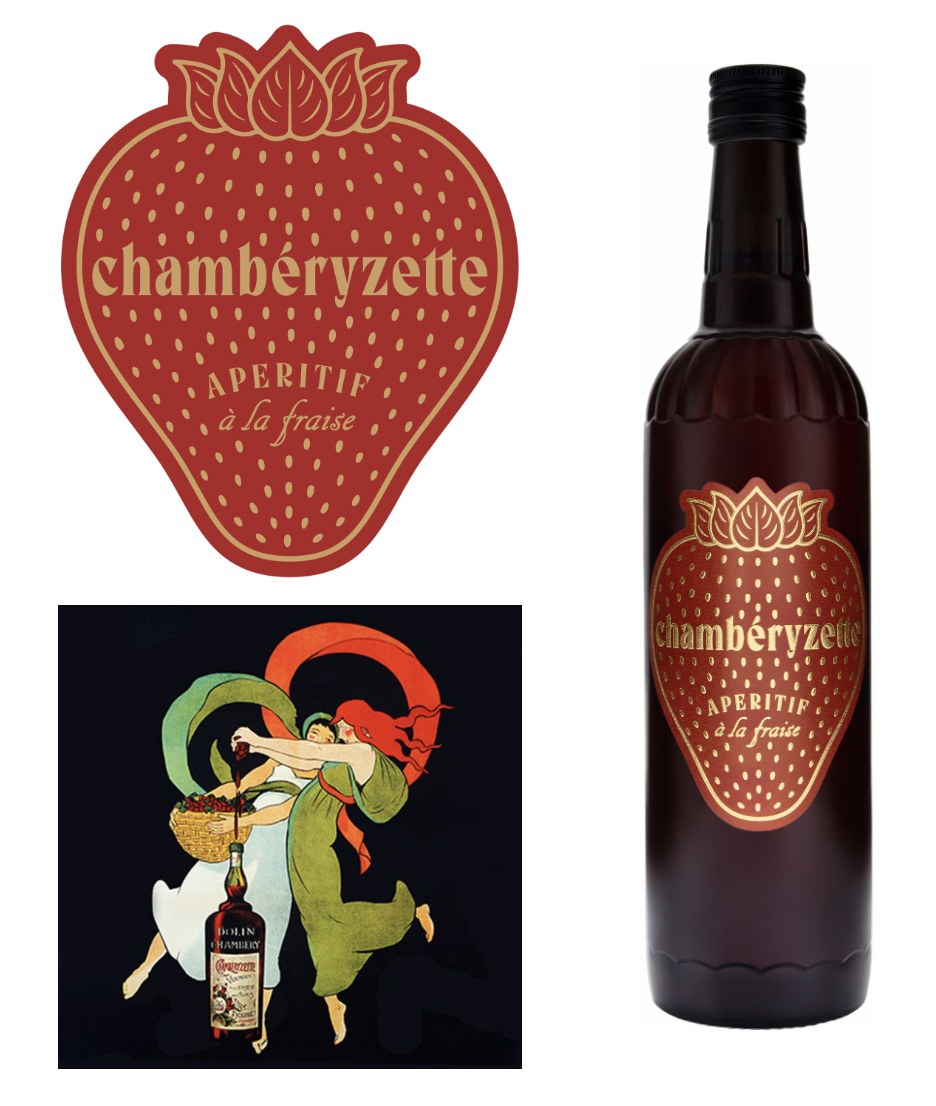
- 1902: The Dolin company, already established as a premier producer of vermouth, officially launches Chambéryzette. It was designed to cater to the Belle Époque appetite for light, refreshing, and floral-forward drinks that could be enjoyed in the sun-drenched afternoons of the early 20th century.
- 1902–2024: For over 120 years, the product remained a beloved regional staple in France. It became a fixture of the "apéro" hour, served simply over ice, with a splash of soda, or as the base for classic French spritzes. Despite its status as a cult favorite among European travelers and industry insiders, it never saw a formal, large-scale distribution in the United States.
- 2025: Marking a significant milestone in the import landscape, Haus Alpenz—the premier importer known for curating rare, historic spirits—secured the rights to bring Chambéryzette to the United States. This move was met with immediate enthusiasm from the cocktail community, who had long viewed the bottle as a "unicorn" of the travel-retail market.
- May 2026: One year post-launch, the aperitif has firmly established itself as a "cocktail chameleon," finding its way into the back bars of top-tier mixology programs across the country.
Supporting Data: Why the Industry Is Taking Note
The shift toward lower-ABV (alcohol by volume) drinking experiences has created a perfect storm for the success of Chambéryzette. Current market trends indicate a significant pivot in consumer behavior, with drinkers increasingly opting for "sessionable" cocktails that prioritize flavor depth over high alcohol content.
Chambéryzette enters the market at an ideal price point of $23.99, making it accessible to both home enthusiasts and professional bartenders. Its chemical composition—built on the base of dry vermouth—means it provides a sophisticated alternative to cloyingly sweet berry schnapps or syrups.
Bartenders have noted its unique ability to bridge the gap between gin, rum, and tequila. Because of its botanical undertones, it acts as a "modifier" rather than just a sweetener. In a market saturated with high-proof spirits, the subtle 16% ABV (typically) of a drink featuring Chambéryzette allows for longer, more social drinking experiences—a cornerstone of the "spritz" movement that shows no signs of slowing down.
Official Perspectives: The Importer’s Strategy
The decision by Haus Alpenz to introduce this product was not taken lightly. The importer, known for reviving historical categories like Creme de Violette and various amari, views Chambéryzette as the missing link in the American appreciation of French vermouth.
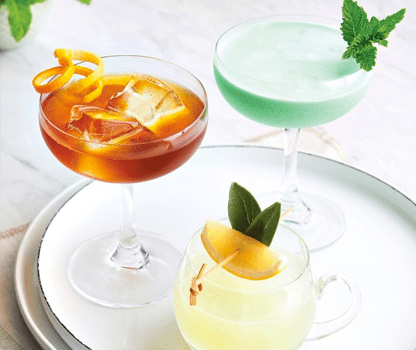
According to representatives from the import side, the goal was to provide a "gateway" for consumers who find traditional, dry vermouths too austere, while simultaneously offering cocktail purists a sophisticated way to introduce fruit into their repertoire without sacrificing complexity. The reception has been largely defined by its utility in "riffs." The Negroni, a drink that typically relies on the sharp, bitter bite of Campari, finds a softer, more seasonal iteration when modified with a splash of Chambéryzette. This "fruity Negroni" has become a signature test case for the product’s flexibility.
Implications for the Future of the Spritz
The rise of the "Spritz culture" in the United States has necessitated a wider array of modifiers. For years, the market was dominated by a handful of orange-hued bitter liqueurs. The introduction of a berry-forward, botanical-driven aperitif like Chambéryzette fundamentally changes the landscape of the summer menu.
Versatility in the Modern Bar
The "cocktail chameleon" label is well-earned. Here is how it is currently being utilized in modern mixology:
- The Spritz Baseline: Replacing or supplementing traditional bitter liqueurs with Chambéryzette creates a brighter, more aromatic spritz that pairs exceptionally well with dry Prosecco or crisp sparkling water.
- The Negroni Riff: By substituting a portion of the sweet vermouth for Chambéryzette, bartenders are crafting a "Strawberry Negroni" that retains the drink’s signature complexity while adding a layer of fresh fruit that feels decidedly modern.
- Tequila and Gin Pairings: The strawberry note in Chambéryzette creates a natural bridge for the herbal notes of dry gin, while its vermouth base creates a grounding effect when paired with the earthy, vegetal notes of high-quality blanco tequila.
Economic and Cultural Impact
The availability of such a product serves as a barometer for the maturity of the American cocktail scene. It suggests that consumers are no longer content with "standard" ingredient lists and are actively seeking out products with heritage, terroir, and a clear story. The success of Chambéryzette signals a broader trend: the "gourmet-ization" of the home bar. As consumers continue to invest in their own home setups—bolstered by the success of platforms like Curiada and others—the demand for professional-grade modifiers will only continue to rise.
Conclusion: A Toast to the Season
As we enter the summer of 2026, the arrival of Chambéryzette serves as a reminder of the beauty of tradition meeting modern convenience. It is a spirit that invites playfulness, encouraging the drinker to experiment with balance and flavor. Whether you are a professional bartender looking to add a touch of alpine elegance to your menu or a home enthusiast looking for the perfect base for your next backyard gathering, the story of this strawberry aperitif is one of patience rewarded.
After 124 years of waiting, the alpine strawberry has finally arrived in the American glass, and it is here to stay. It is more than just a bottle on a shelf; it is a invitation to slow down, savor the season, and appreciate the craftsmanship that defines the best of French libations.

 Iffa Jayyana