

 Dwi Wanna
 Nana Wu
 Muslim
 Reynand Wu
 Ammar Sabilarrohman
 Azzam Bilal Chamdy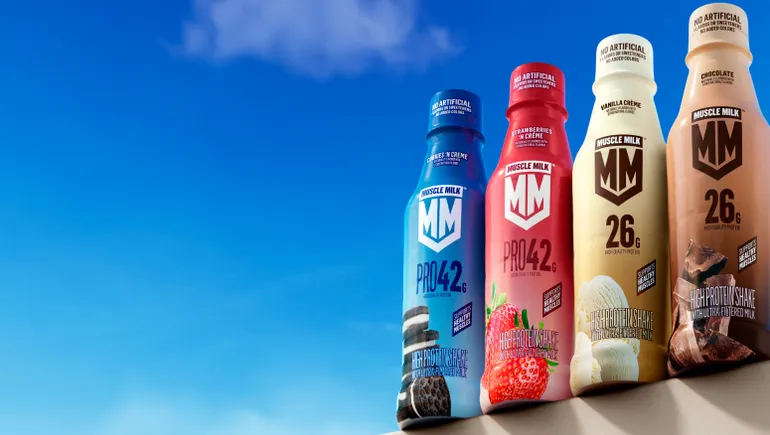
In a strategic maneuver to reclaim its footing within the hyper-competitive functional beverage market, CPG titan PepsiCo has unveiled a comprehensive transformation of its Muscle Milk brand. Facing softening growth and an increasingly crowded landscape dominated by agile startups and legacy competitors like Coca-Cola, PepsiCo is betting on a "cleaner" identity to capture a broader consumer base.
The overhaul represents more than just a label change; it is a fundamental recalibration of the product’s formulation, marketing strategy, and brand positioning. By cutting the ingredient list by nearly 50%, removing artificial additives, and upgrading the protein source to ultra-filtered milk, PepsiCo is aggressively targeting the modern shopper’s demand for both high-performance nutrition and transparent labeling.
The Strategic Shift: A New Blueprint for Growth
The decision to reformulate Muscle Milk comes at a pivotal moment for the food and beverage industry. As protein continues to move from the domain of elite bodybuilders to the shopping lists of the everyday consumer, expectations have shifted.
"It’s become an incredibly competitive landscape," says Marissa Pines, vice president of PepsiCo’s Gatorade business, which oversees the Muscle Milk portfolio. "Over the years, as we’ve made smaller adjustments to Muscle Milk to meet the consumers where they are, it hasn’t quite taken us far enough. We have chosen now as the moment that we really want to meet shoppers where they are, and we don’t see people backing down from protein."
The "new blueprint" for the brand centers on three pillars: cleaner labels, higher-quality protein, and broader accessibility. By streamlining the ingredient profile, PepsiCo is directly addressing the "clean label" trend that has become a non-negotiable for health-conscious Gen Z and Millennial demographics.
Chronology of a Transformation
The journey to the new Muscle Milk began in the shadows of a challenging 2025. While PepsiCo, which acquired the brand in 2019, has historically seen strong performance from the line, internal assessments labeled the recent growth as "softer than anticipated."
The Roadmap:
- 2019: PepsiCo acquires Muscle Milk, signaling its intent to dominate the functional nutrition space.
- 2024 (Late): Development begins on the "cleaner" formulation, focusing on removing artificial sweeteners, flavors, and colors.
- April 2026: The reformulated Muscle Milk begins hitting retail shelves nationwide, featuring updated, modern packaging.
- Late 2026 (Projected): The brand plans to extend the "clean label" overhaul to its powder product line, starting with a significant packaging redesign.
- 2027 (Projected): The full transition of the powder line to the new, simplified ingredient standard is slated for completion.
The rollout has already shown signs of success. Early retail data from specific test markets indicates a 30% increase in sales at select retailers, suggesting that the "cleaner" value proposition is resonating with shoppers who previously bypassed the brand for more natural alternatives.
Supporting Data: The Protein Obsession
PepsiCo’s pivot is backed by significant industry-wide shifts. According to data from the International Food Information Council, 70% of Americans are now actively seeking to increase protein intake in their diets—a dramatic rise from the 59% reported just four years ago.
This, combined with the "proteinization" of everyday pantry staples, paints a clear picture: consumers no longer view protein as a niche fitness supplement. It is now a core component of daily nutrition. To capitalize on this, PepsiCo has been aggressive in integrating the nutrient across its diverse portfolio.
The "Protein Everywhere" Strategy:
- Snack Integration: The company has launched protein-fortified versions of fan-favorite snacks, including Doritos and Quaker Rice Crisps.
- Category Expansion: The trend has reached even the most unlikely aisles, with brands like Pop-Tarts and Kraft Mac & Cheese introducing high-protein variations to remain relevant to health-conscious parents and younger consumers.
- Competitive Parity: The new Muscle Milk formulation brings it into direct competition with Coca-Cola’s Core Power. By moving to ultra-filtered milk, Muscle Milk now offers 26 grams of protein—matching the benchmark set by the Fairlife-powered Core Power line.
Analyzing the Reformulation: Quality Over Quantity
The technical aspects of the Muscle Milk overhaul reflect a departure from traditional "lab-heavy" formulations. By removing nonessential vitamins, artificial colors, and synthetic sweeteners, the company is positioning the product as a "whole food" alternative.
Key Product Upgrades:
- Protein Content: The standard drink has been bumped from 25 to 26 grams of protein.
- Pro Line Enhancements: The 14-ounce Pro bottle now boasts 42 grams (up from 40), while the 11-ounce bottle has been raised to 33 grams (up from 32).
- The "Ultra-Filtered" Advantage: The shift to ultra-filtered milk is a dual-purpose move. It serves as a superior, recognizable source of protein while simultaneously delivering a smoother, cleaner taste profile that appeals to a broader consumer palate.
- Consistency in Pricing: Despite the increased costs associated with higher-quality ingredients and manufacturing, PepsiCo has committed to maintaining current price points to ensure the brand remains accessible during a period of consumer price sensitivity.
Implications: A New Standard for CPG Giants
The Muscle Milk overhaul serves as a microcosm for the broader CPG industry’s struggle to maintain relevance. As private-label brands improve their quality and specialized startups steal market share, incumbents are finding that "legacy status" is no longer enough to guarantee shelf space.
1. The Death of the "Artificial" Era
The removal of artificial sweeteners and colors is a clear signal that the era of complex, chemical-heavy ingredient lists in the "health" category is coming to a close. PepsiCo is betting that the long-term equity gained through transparency will outweigh the short-term R&D costs.
2. The Battle for the "On-the-Go" Consumer
By framing Muscle Milk as a product for everyone—from elite athletes to busy parents—PepsiCo is attempting to break out of the "gym bag" silo. The updated, minimalist packaging design is meant to sit as comfortably in a desk drawer or a minivan cup holder as it does in a locker room.
3. The Supply Chain and R&D Challenge
Transitioning a brand of this scale requires a massive logistical overhaul. Moving from standard protein sources to ultra-filtered milk requires a reliable, high-volume supply chain. PepsiCo’s ability to execute this at scale—and to extend it eventually to their entire powder portfolio—will be the true test of their operational prowess.
Official Responses and Future Outlook
While PepsiCo remains tight-lipped regarding specific sales figures, the tone from leadership is one of calculated optimism. Marissa Pines maintains that the "meaningful opportunity" lies in the intersection of high-quality nutrition and the convenience that only a company of PepsiCo’s size can provide.
"We wanted to evolve in a way that would really bring more people into the Muscle Milk family," Pines noted.
The strategy is clear: solidify the brand’s position as the primary protein beverage for the mainstream, rather than just the enthusiast. By aligning with the cultural shift toward clean, high-protein nutrition, PepsiCo is essentially attempting to turn a maturing brand into a growth engine once again.
As the brand prepares to overhaul its powder line in 2027, the industry will be watching closely. If this new "blueprint" succeeds, it could set a standard for how other legacy beverage brands navigate the dual pressures of intense competition and evolving consumer health consciousness. For now, the message from the boardroom is clear: the focus is on simplicity, quality, and a relentless pursuit of the consumer’s needs in an increasingly protein-obsessed world.

 Jia Lissa
 Iffa Jayyana