

 Dwi Wanna
 Nana Wu
 Muslim
 Reynand Wu
 Ammar Sabilarrohman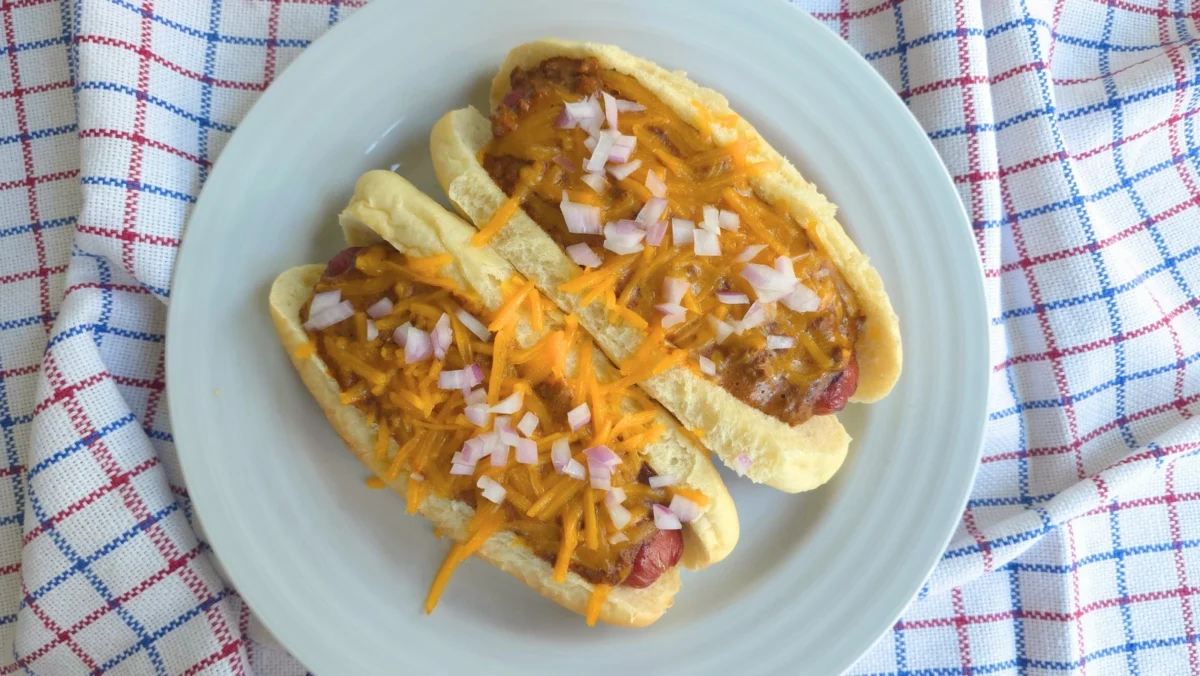
Main Facts: The Anatomy of a Classic
The chili dog is more than just a quick meal; for many, it is a cultural touchstone of American street food. From the neon-lit shacks of Los Angeles to the bustling lunch counters of the East Coast, the chili dog serves as a quintessential comfort food. However, at the heart of this iconic dish lies an often-overlooked hero: the bun.
A proper chili dog bun must possess a paradoxical set of characteristics. It requires the structural integrity to support the weight of a premium, natural-casing wiener and a generous ladle of heavy, savory chili, yet it must remain pillowy, soft, and "squishy" enough to melt into the palate upon the first bite. Unlike a standard hot dog bun found in grocery stores—which can often be dry or structurally brittle—the authentic chili dog bun is a marvel of bread chemistry.
Recent culinary investigations by home baking enthusiasts and artisanal bakers have sought to move away from the industrial, preservative-heavy methods of the past. By eschewing chemical dough conditioners and the infamous "Chorleywood bread process"—a high-speed mechanical method used to produce commercial bread rapidly—bakers are rediscovering how natural ingredients like potato flakes and high-protein flour can replicate that nostalgic, elastic texture without compromising health or quality.
Chronology: From LA Street Corners to the Home Kitchen
The history of the chili dog is deeply tied to the evolution of the American diner and street food culture of the mid-20th century.

- The Golden Age (1950s–1980s): In Los Angeles, establishments such as Cupid’s, Pink’s, and Carney’s defined the chili dog experience. During this era, the "steaming" method became the industry standard. A freshly broiled wiener was placed in a soft bun, smothered in chili and cheese, wrapped in wax paper, and tucked into a stainless-steel steam box. The trapped moisture transformed the bread, turning it into a soft, cohesive vessel.
- The Industrial Shift: As demand for mass-produced, shelf-stable food grew, the quality of these buns declined. Commercial bakeries turned to dough conditioners—additives that artificially stretch gluten networks and extend shelf life—resulting in buns that lacked the authentic, pillowy "pull" of the originals.
- The Artisanal Revival (2020s–Present): A renewed interest in home baking has sparked a movement to reclaim the "squishy" bun. Bakers began experimenting with various techniques, including tangzhong (a Japanese water roux method), sourdough starters, and potato-enriched doughs to achieve the ideal texture.
Supporting Data: The Chemistry of the "Squish"
Achieving the perfect chili dog bun is a study in protein management and hydration. After exhaustive trials—often involving five or more test batches—baking experts identified the winning formula: a combination of strong bread flour and potato flakes, utilized in a high-hydration dough that undergoes a slow, overnight refrigeration.
Why Potato Flakes?
Potato flakes are a secret weapon in bread baking. They contain starch that absorbs significantly more water than wheat flour alone, keeping the crumb moist for a longer period. This prevents the bun from becoming stale or "bready," ensuring it retains that soft, springy quality essential for a chili dog.
The Role of Protein
Bread flour provides the necessary gluten structure. While all-purpose flour is acceptable for some recipes, it often lacks the tensile strength required to prevent the bottom of the bun from splitting under the pressure of hot chili. The "elasticity" noted by enthusiasts is the result of proper kneading and the right protein content, which allows the bun to be compressed during eating without fracturing.
The Refrigeration Factor
An overnight proof in the refrigerator serves two purposes: it develops flavor through slow fermentation and improves the workability of the dough. Cold dough is easier to shape, allowing for the precise, uniform logs required for the hot dog shape.

Official Responses and Culinary Expert Insights
When discussing the necessity of high-quality ingredients, professional bakers emphasize the "snap." According to the experts at Breadtopia, the sensory experience of a chili dog is heavily dependent on the "mouthfeel" of the wiener—the natural casing must provide a distinct snap that contrasts with the pillowy softness of the bun.
"We wanted to recreate that industrial softness without the industrial additives," noted a lead baker during the project’s development. "The challenge was finding the balance between a bun that holds up and a bun that melts away. We found that by utilizing a wetter dough, we could achieve a crumb structure that is both light and resilient."
The debate regarding chili ingredients—beans versus no beans—remains a secondary, albeit passionate, discussion. However, the consensus among experts is that the bun is the primary constraint. A bun that fails to hold the weight of the chili renders the choice of chili irrelevant, as the structural integrity of the meal collapses.
Implications: The Future of Home Comfort Food
The successful replication of the classic chili dog bun in a home kitchen has significant implications for home bakers. It proves that the "industrial" texture of childhood nostalgia can be achieved using natural, clean-label ingredients.

Healthier Alternatives
By moving away from commercial dough conditioners, home bakers are not only achieving a superior flavor profile but also eliminating unnecessary chemicals from their diet. Using simple ingredients like bread flour, milk, and potato flakes allows for complete transparency in the food chain.
The "Comfort Food" Movement
As global street food continues to influence domestic cooking, the chili dog is seeing a resurgence as a gourmet project. It is no longer just "fast food"; it is a culinary endeavor. This shift suggests that the future of comfort food lies in the marriage of historical, nostalgic recipes with modern, artisanal baking techniques.
Final Thoughts for the Home Baker
For those looking to recreate this experience, the process requires patience. The overnight rest is non-negotiable, and the hydration level of the dough is critical. If using a standard bread flour, one must be prepared to adjust liquid content based on the brand’s protein percentage, as "thirstier" flours may require an extra splash of milk.
Ultimately, the goal is to create a bun that acts as a quiet, supportive foundation for the star of the show: the chili-covered wiener. When the bun is right, the entire meal becomes a cohesive, balanced experience—a fleeting, delicious memory preserved in the form of a soft, steam-warmed roll.
Recipe Overview: The Master Bun
- Prep Time: 20 minutes
- Rising Time: 45 minutes
- Baking Time: 16 minutes
- Key Ingredients: High-protein bread flour, potato flakes, instant yeast, whole milk, and a pinch of sugar to aid fermentation.
- Technique: Knead until elastic, perform a cold proof, shape into uniform logs, and bake until golden. The resulting product should be a springy, pillowy, and highly durable bun ready for your favorite chili recipe.

 Nana Muazin
 Evan Lee Salim