

 Azzam Bilal Chamdy
 Neng Nana
 Nana Muazin
 Dwi Wanna
 Raul Delapena Setiawan
 Ali Ikhwan
For decades, the Rodale Institute has stood as a global lighthouse for regenerative organic agriculture. From its historic Pennsylvania campus, the institute has pioneered research that proves soil health is the bedrock of planetary and human health. Yet, for all its scientific breakthroughs, a fundamental challenge remained: how to disseminate this high-level expertise to farmers who rarely have the luxury of stepping away from their fields to pursue traditional classroom education.
Today, that barrier is being dismantled. The launch of the Rodale Institute’s comprehensive online learning platform represents a paradigm shift in agricultural extension, transforming how the next generation of farmers accesses the tools necessary to build viable, sustainable, and profitable operations.
The Essential Need: Bridging the Agricultural Knowledge Gap
Farming is an unforgiving profession. It is defined by thin margins, unpredictable weather, and an endless cycle of labor that offers no weekends and no vacations. For the aspiring agricultural entrepreneur, the learning curve is vertical. They must master a dizzying array of disciplines: soil microbiology, entomology, complex crop rotation strategies, and organic certification protocols. Beyond the biology, they must act as accountants, marketing strategists, and human resource managers.
“Farming is a unique way to make a living because farmers don’t get vacations or even weekends off when they can take time to focus on learning,” explains Renée Baran, Dean of Education at the Rodale Institute. “But new farmers—and many experienced ones—have critical gaps in their knowledge they need to fill to stay competitive and ecological.”
For years, the Rodale Institute Farmer Training (RIFT) program has served as an elite incubator for these entrepreneurs at its physical Pennsylvania campus. However, the nine-month, in-person commitment acts as a filter that excludes thousands of dedicated producers who cannot leave their land. The transition to a digital-first educational model is not merely a convenience; it is an effort to democratize regenerative expertise on a national scale.
Chronology of a Digital Transformation
The evolution of this project began roughly three years ago, when the Institute’s leadership recognized that the wealth of knowledge cultivated over 75 years of research was being bottlenecked by geography.
- Phase 1: Content Digitization (2021–2023): The team began a massive archival project, capturing the RIFT curriculum on high-definition video. This was not a simple matter of filming lectures; it involved translating physical, hands-on demonstrations into a digital format that maintained the integrity of the scientific methodology.
- Phase 2: Platform Integration (2023–2024): To move beyond static video, the Institute adopted the Canvas learning management system. This allowed for the creation of an interactive virtual campus, complete with peer-to-peer discussion forums, graded assignments, and quizzes.
- Phase 3: Beta Launch and Expansion (2024–Present): The platform began rolling out modules to early adopters, refining the user experience to ensure that the material remained accessible even to farmers in remote areas with limited technological bandwidth.
“We are essentially building the ‘regenerative organic agriculture’ equivalent of a university-level extension program,” says Dr. Jason Slipp, Director of Education. “We’ve taken seven decades of experience-tested expertise and made it available to any farmer with an internet connection.”
Supporting Data: The Scale of Impact
The statistics surrounding this initiative highlight a massive shift in capacity. Historically, the in-person RIFT program could support approximately a dozen students per year—a high-touch, immersive experience that was vital but limited in scope.
In contrast, the new virtual campus is designed to support up to 6,500 farmers simultaneously. This is a 54,000% increase in potential educational output. The curriculum is intentionally structured to be modular, recognizing that a farmer in the middle of a planting season needs quick, actionable, data-driven answers to specific problems—such as how to manage a sudden pest outbreak or how to interpret soil test results—rather than a broad, theoretical overview.
Furthermore, the integration of business-focused coursework is a response to industry data suggesting that the primary cause of failure for small-scale organic farms is not a lack of growing skill, but a lack of financial management acumen. By offering courses in financial recordkeeping and marketing alongside soil health modules, Rodale is attempting to reduce the attrition rate of new organic farmers.
Official Perspectives: Shaping the Next Generation
The response from the agricultural community has been overwhelmingly positive, particularly from mission-aligned organizations that view the platform as a vital piece of infrastructure.
Rebecca Frimmer, a principal consultant for the nonprofit Good Roots, emphasizes the necessity of this shift. “Farmers need training in business management and finance to ensure they are profitable and viable for the long term,” Frimmer says. “The biggest challenge for farmers is finding the time to balance all that must be done. It’s essential to carve out the space to work on the farm business and not just in the business.”
According to Frimmer, smaller-scale producers often lack the budget for professional consultants. By providing a low-cost, self-paced, and highly credible alternative, the Rodale platform acts as a force multiplier. It provides a foundational layer of professional competence that allows these farmers to scale their operations safely and sustainably.
Implications for the Future of Regenerative Agriculture
The implications of this move extend far beyond the farm gate. By creating a standardized, science-based curriculum for regenerative practices, the Rodale Institute is helping to professionalize the entire organic sector.
Implications for Market Stability
As consumer demand for organic and regenerative products continues to outpace supply, the need for a larger, more skilled workforce is critical. This platform provides the training necessary for traditional farmers to "transition" to organic—a process that is historically fraught with financial risk. By providing a clear roadmap based on proven methods, the Institute is lowering the barrier to entry for the next generation of food producers.
The Rise of the "Regenerative Consumer"
Interestingly, the Institute has not limited this education to professional farmers. The virtual campus also offers courses for the general public, such as “Being a Regenerative Consumer” and “Regenerative Health: The Power of the Plate.” By educating the end-user, the Institute is creating a feedback loop: informed consumers will demand more regenerative products, which in turn creates a more stable market for the farmers who have been trained through the platform.
A New Standard for Agricultural Extension
The traditional model of agricultural extension—government-funded programs that provide local expertise—has faced declining funding and staff shortages for years. The Rodale Institute is effectively stepping into this void, proving that a private, non-profit institution can leverage technology to provide national-level support.
Conclusion: Growing the Future
As the platform continues to add new courses and expand its partnerships with universities and apprenticeship programs, it is positioning itself as the central repository for organic knowledge.
“We want to be the ‘regenerative organic agriculture’ version of what people look for on YouTube,” says Renée Baran, “but with the crucial difference of scientific integrity, vetted methodology, and a real community of peers to connect with.”
For the farmer in a remote corner of the country, struggling with a degraded soil profile or a failing balance sheet, this digital extension offers more than just information. It offers a lifeline. By marrying 75 years of deep-rooted, soil-based science with the connectivity of the digital age, the Rodale Institute is ensuring that the future of farming is not only regenerative but also resilient, scalable, and accessible to anyone with the will to grow.
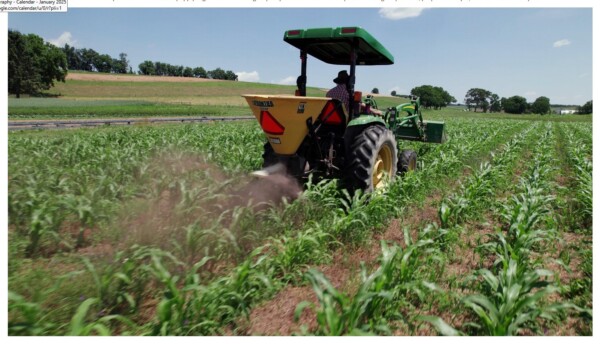
To learn more about the current curriculum and upcoming course schedules, visit RodaleInstitute.org/education.



 Siti Muinah
