

 Azzam Bilal Chamdy
 Neng Nana
 Nana Muazin
 Dwi Wanna
 Raul Delapena Setiawan
Public trust in the safety of the American food supply—the foundational bedrock of the nation’s public health infrastructure—is crumbling. According to a landmark new Gallup poll, Americans’ faith in both the products stocked on grocery store shelves and the federal agencies tasked with regulating them has plummeted to record lows. This erosion of confidence is not merely a statistical anomaly; it represents a fundamental shift in consumer behavior and a growing skepticism toward government oversight that spans the national landscape.
The State of the Union: Main Facts on the Trust Deficit
The numbers from the latest Gallup data paint a stark picture. Only 65 percent of U.S. adults now report being "very" or "somewhat" confident that the food sold in grocery stores is safe to eat. To understand the gravity of this decline, one must look at the recent trendline: in 2025, that figure stood at 73 percent, and as recently as 2019, it sat at a robust 81 percent.
This skepticism is no longer confined to the aisles of the supermarket. For the first time, Gallup gauged consumer sentiment regarding food served at restaurants, finding that only 66 percent of Americans express confidence in the safety of dining out.
Perhaps most concerning for policymakers is the collapse of trust in federal oversight. Only 47 percent of Americans now believe the federal government is capable of ensuring the safety of the food supply—a significant drop from 53 percent just one year ago and a staggering 21-point decline since 2019. For the first time in the history of this polling, a majority of the population (53 percent) explicitly stated they have "little or no confidence" in the federal government’s ability to protect the food chain.
A Chronology of Declining Trust
The trajectory of this sentiment shift did not occur in a vacuum. It is deeply tethered to a series of high-profile public health failures that have punctuated the last two decades.
- 2007–2008: The early warning signs. Significant Escherichia coli and Salmonella outbreaks during this period caused the first major modern dip in consumer confidence. These events highlighted vulnerabilities in the supply chain that many Americans believed had been corrected in the years that followed.
- 2019: The "high-water mark." Before the global disruptions of the early 2020s, public confidence in food safety remained relatively stable, with 81 percent of the public trusting the grocery supply.
- 2025: The shift. As post-pandemic supply chain adjustments and recurring localized recalls began to mount, confidence slipped to 73 percent.
- September 2026: The catalyst. The nation experienced the largest-ever cyclosporiasis outbreak in U.S. history, sickening over 12,000 people across 21 states. The scale of this outbreak, which was linked to leafy greens, acted as a primary driver for the current wave of public anxiety.
- 2027: The current nadir. With public trust reaching an all-time low, the data suggests that the cumulative effect of these outbreaks has finally overwhelmed the public’s willingness to trust that the system is functioning as intended.
Supporting Data: The Anatomy of Consumer Skepticism
While the top-line numbers are alarming, the internal data reveals a more nuanced, albeit equally concerning, story regarding how consumers are reacting to this crisis.
The Rise of Consumer Precautions
In response to the perceived instability of the food supply, Americans are moving from passive consumption to active avoidance. Gallup’s findings suggest a significant uptick in behaviors driven by caution:
- Heightened Vigilance: Consumers are now significantly more likely to actively seek out and act upon food safety warnings and recall notifications.
- Avoidance Behaviors: A majority of Americans across all political demographics are now opting to avoid specific food categories entirely when a recall is announced, regardless of whether the specific item they possess is part of the affected batch.
The Partisan Divide
One of the most striking findings in the 2027 data is the widening chasm of perception along political lines. When asked about confidence in federal food safety oversight, 70 percent of Republicans expressed confidence, while only 30 percent of Democrats held the same view.
However, this partisan gap vanishes when the conversation turns to individual action. When it comes to the practical decision to avoid certain foods due to recalls or safety advisories, the ideological divide disappears:
- 81 percent of Democrats report taking precautionary measures.
- 73 percent of independents report taking precautionary measures.
- 63 percent of Republicans report taking precautionary measures.
This data indicates that while the political interpretation of government competency is fractured, the behavioral response to food safety threats is universal. Americans, regardless of their political affiliation, are increasingly taking the responsibility of food safety into their own hands.

Official Responses and Regulatory Challenges
The federal response to this crisis is under intense scrutiny. Agencies like the FDA and the USDA are currently navigating a "crisis of authority." The investigation into the 2026 cyclosporiasis outbreak, which involved a major player like Taylor Farms, resulted in a high-profile action plan. While the agency successfully closed the investigation, the public perception remains that such plans are "too little, too late."
Regulatory bodies argue that the complexity of the modern global food supply—which involves thousands of miles of transit, varied international standards, and complex processing stages—makes perfect safety an impossible standard. However, the public is no longer accepting "complexity" as an excuse for illness.
Furthermore, the lack of a unified messaging strategy from federal agencies has exacerbated the problem. When federal agencies issue contradictory or delayed information regarding outbreaks, it fuels the public’s growing skepticism, leading to the current 53 percent "little to no confidence" rating.
Implications for the Future
The implications of this decline in confidence are far-reaching, affecting the economy, public health, and the future of the food industry.
Economic Consequences
Retailers and food manufacturers are likely to face increased costs as they attempt to regain consumer trust. This may include investments in advanced traceability technology, such as blockchain-enabled supply chain monitoring, and more frequent, voluntary third-party testing to provide the "extra layer" of safety that consumers are now demanding.
A Changing Retail Landscape
Grocery stores may see a shift in inventory preferences. As confidence in mass-produced or heavily processed foods wanes, there is likely to be a continued migration toward locally sourced or "farm-to-table" options, where the supply chain is shorter and perceived to be more transparent.
Public Health Risks
Perhaps the most dangerous implication is the potential for "recall fatigue." As consumers are bombarded with more warnings and become more hyper-vigilant, there is a risk that they may eventually disregard official advice due to the sheer volume of alerts. Conversely, if public trust continues to fall, the government may find it increasingly difficult to convince the public to follow critical health guidelines during future, potentially more lethal, outbreaks.
The Road Ahead
To reverse this trend, government agencies must move beyond standard communication. The data suggests that public trust is not merely a result of technical success—it is a result of transparency. The industry must prioritize open-data initiatives, faster reporting of outbreaks, and a more aggressive stance on enforcement.
As we look toward the remainder of the decade, the food safety sector stands at a crossroads. The current levels of distrust are unsustainable for both the industry and the public health system. Whether through the adoption of new AI-driven surveillance tools—like the emerging "Ask FSM" platforms—or through fundamental legislative reform, the message from the American consumer is clear: the current state of food safety oversight is insufficient, and the demand for accountability is higher than ever.
The path to restoring confidence will be long, requiring a restoration of the partnership between the consumer, the manufacturer, and the regulator. Without this, the skepticism that has taken hold in 2027 may become the new permanent state of the American grocery experience.

 Pevita Pearce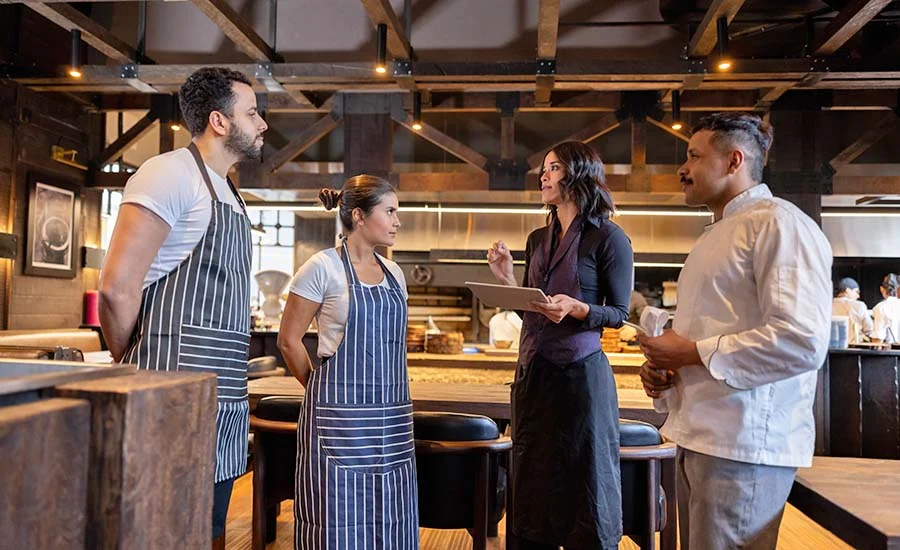
 Layla Zulfa
