

 Azzam Bilal Chamdy
 Neng Nana
 Nana Muazin
 Dwi Wanna
 Raul Delapena Setiawan
 Nana Wu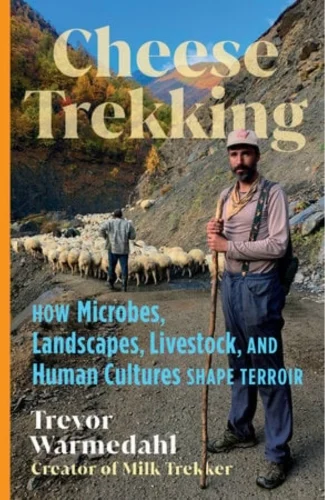
As another year draws to a close, we find ourselves at the intersection of environmental anxiety and the search for meaningful solutions. The global food system remains a point of intense scrutiny—a complex web connecting the health of our soil, the integrity of our gut microbiomes, and the social structures that dictate who eats well and who goes hungry.
This year’s collection of essential reads offers more than just information; it provides a roadmap for those seeking to understand the "hidden hunger" of our era and the radical, hopeful shifts taking place on the ground. From the microbial secrets of artisanal cheese to the powerful stories of women rebuilding broken agricultural systems, these books challenge the status quo and invite us to be active participants in the future of food.
1. The Intersection of Health and Ecology: A Deep Dive
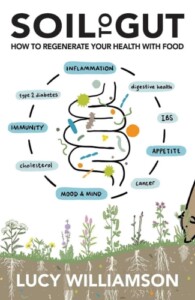
Soil to Gut: Regenerating Health through Food
Author: Dr. Lucy Williamson | Publisher: 5M Books Ltd

Dr. Lucy Williamson, a veteran of both veterinary medicine and public health nutrition, bridges the gap between the field and the dinner plate. In Soil to Gut, she argues that our current "whole health" crisis is rooted in the degradation of our soil ecosystems. When soil health declines, so too does the nutrient density of our crops, leading to "hidden hunger"—a state where individuals consume ample calories but remain nutritionally deficient. Williamson’s approach is refreshing; she avoids the trap of restrictive, fad-based dieting, instead encouraging readers to cultivate a gut microbiome capable of thriving on diverse, nutrient-dense foods.
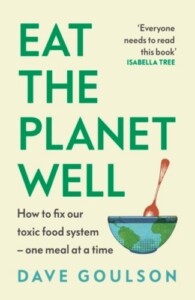
Eat the Planet Well: Fixing the Toxic System
Author: Dave Goulson | Publisher: Jonathan Cape
Environmentalist Dave Goulson shifts his gaze from his usual focus on insect biodiversity to the monumental, often toxic, industrial food system. Goulson presents a stark critique: our current mode of production is not only destroying nature but is also fundamentally dangerous to human health. Through a series of rigorous analyses covering carbon, land use, and pesticide dependency, he maps out how industrialization has severed our connection to the earth. Eat the Planet Well serves as a clarion call to support organic, nature-positive farming before the environmental damage becomes irreversible.
2. Rebuilding the System: Agency and Empowerment
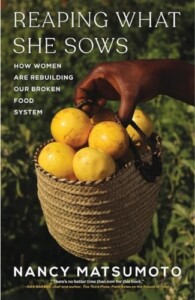
Reaping What She Sows: The Women of Food Reform
Author: Nancy Matsumoto | Publisher: Melville House Publishing
The narrative that our food system is "broken" is ubiquitous, yet it often breeds a sense of helplessness. Nancy Matsumoto provides a powerful antidote in Reaping What She Sows. By highlighting the stories of women who have been historically marginalized in industrial agriculture, Matsumoto reveals a vibrant, alternative movement. From racial justice advocates in farming to leaders of vertically integrated cooperatives, these women are not waiting for policymakers to act. They are rebuilding the infrastructure of food from the bottom up, proving that the future of agriculture is inclusive, cooperative, and deeply resilient.
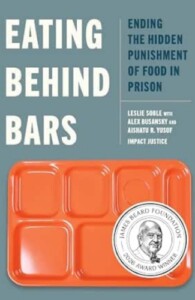
Eating Behind Bars: The Hidden Punishment
Author: Leslie Soble, Alex Busansky, and Aishatu R. Yusuf | Publisher: New Press
In a sobering investigation, Eating Behind Bars exposes the systemic failure of nutrition within the U.S. prison system. Grounded in the testimonies of incarcerated people and staff, the book reveals a reality of rotten food and hazardous environments. However, the work is ultimately one of transformation. By showcasing "Scandi-style" reform plans and the involvement of Michelin-starred chefs in prison kitchens, the authors argue that food is a fundamental human right—and a primary tool for rehabilitation. The book reinforces the idea that safety is built through dignity and care, not through the weaponization of food.
3. Practical Innovations and Future Visions
Eat Your Garden: The Edimental Revolution
Author: Harry Holding | Publisher: Chelsea Green Publishing
As climate change brings more frequent droughts and heatwaves, the traditional garden model is facing a reckoning. Harry Holding, an award-winning garden designer, introduces the concept of "edimentals"—plants that are both beautiful and edible. By integrating food-bearing perennials into ornamental landscapes, gardeners can improve soil structure, support biodiversity, and reduce the labor-intensive cycle of annual sowing. This book is a practical, aesthetic guide to future-proofing our home plots against a changing climate.
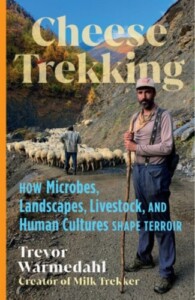
Cheese Trekking: The Science of Deep Terroir
Author: Trevor Wamedahl | Publisher: Chelsea Green Publishing
Terroir is a term often reserved for wine, but Trevor Wamedahl expands this concept to the world of artisanal cheese. Through his travels to see sheep grazing in Mediterranean scrub and yak-milk production in the Mongolian steppe, Wamedahl demonstrates how "deep terroir" is shaped by the interplay of livestock, microbes, and human culture. This book offers a technical yet accessible look at how traditional methods preserve unique microbial communities, pushing back against the sterile standardization of modern industrial dairy.
4. Historical Context and Imaginative Futures
First Helpings: A History of Children and Food
Authors: Deborah Albon and Amy Palmer | Publisher: Reaktion Books

Understanding how we feed our children is key to understanding our values. First Helpings traces the history of child nutrition from the medieval period to the present day. By surfacing the voices of children often absent from historical records—from Victorian street-sellers to those living under modern food poverty—Albon and Palmer offer a scholarly, yet deeply human, history of how we have taught, fed, and sometimes failed the next generation.
How to Fall in Love with the Future
Author: Rob Hopkins | Publisher: Chelsea Green Publishing UK
Perhaps the most daunting task in the current environmental climate is maintaining hope. Rob Hopkins, in How to Fall in Love with the Future, suggests that our greatest untapped resource is the human imagination. He frames climate activism as a form of "time travel," where we actively envision and manifest the future we want. By highlighting successful, concrete examples—like car-free districts in Germany and 100% organic local food systems in France—Hopkins provides a blueprint for moving from climate anxiety to proactive, joyful participation.
5. Supporting Data and Emerging Perspectives
The literature published this year reflects a growing consensus: the current industrial food system is at its limit.
- Nutrient Density: Research referenced in Soil to Gut suggests that the reliance on chemical inputs in modern farming has led to a measurable decline in the nutrient profile of staple crops over the last 50 years.
- Systemic Inequity: As noted in Reaping What She Sows and Eating Behind Bars, the food system currently rewards scale and capital while penalizing small-scale, sustainable, and community-focused initiatives.
- Economic Viability: Books like The Future of Food Policy in the UK by Honor May Eldridge emphasize that future-proofing our food supply is no longer an environmental preference but a national security imperative.
Official and Scholarly Responses
The academic and policy communities have increasingly begun to mirror the arguments found in these texts. Organizations like the Sustainable Food Trust have pointed toward the need for a shift in accounting—moving away from price-per-calorie to a "true cost" model that accounts for the environmental and health impacts of our food. The consensus is shifting toward the necessity of:
- Soil Health Initiatives: Transitioning to regenerative practices that restore carbon cycles.
- Shortening Supply Chains: Strengthening local and regional food economies to buffer against global instability.
- Policy Reform: Integrating food policy with health and climate mandates rather than treating them as silos.
Implications: A Call to Action
The overarching message of this year’s library is one of agency. Whether through the garden gate, the supermarket aisle, or the ballot box, the individual has more power to influence the food system than the industry would have us believe.
- For the Consumer: Support "alt-system" companies. Seek out brands and producers that prioritize soil health, ethical supply chains, and transparent labor practices.
- For the Producer: Adopt perennial and diverse cropping systems. Explore the "edimental" potential of your land to create a more resilient yield.
- For the Citizen: Demand that food be treated as a public good. Whether it is in our schools, our hospitals, or our prisons, the food we serve reflects our society’s health and its humanity.
As we look toward 2026 and beyond, the path forward is clear. We must move beyond the "toxic" status quo and embrace a future that is diverse, localized, and, above all, restorative. These books provide the intellectual and emotional foundation for that journey.
Recommended Reading List Summary:
- Soil to Gut – Dr. Lucy Williamson
- Eat the Planet Well – Dave Goulson
- Reaping What She Sows – Nancy Matsumoto
- Eating Behind Bars – Leslie Soble, et al.
- Eat Your Garden – Harry Holding
- Cheese Trekking – Trevor Wamedahl
- First Helpings – Deborah Albon & Amy Palmer
- How to Fall in Love with the Future – Rob Hopkins
- The Future of Food Policy in the UK – Honor May Eldridge
- The Last Cows – Kathryn Wilder
- Gather – Ashanté M. Reese



 Siti Muinah
