Azzam Bilal Chamdy
 Neng Nana
 Nana Muazin
 Dwi Wanna
 Raul Delapena Setiawan
 Rifan Muazin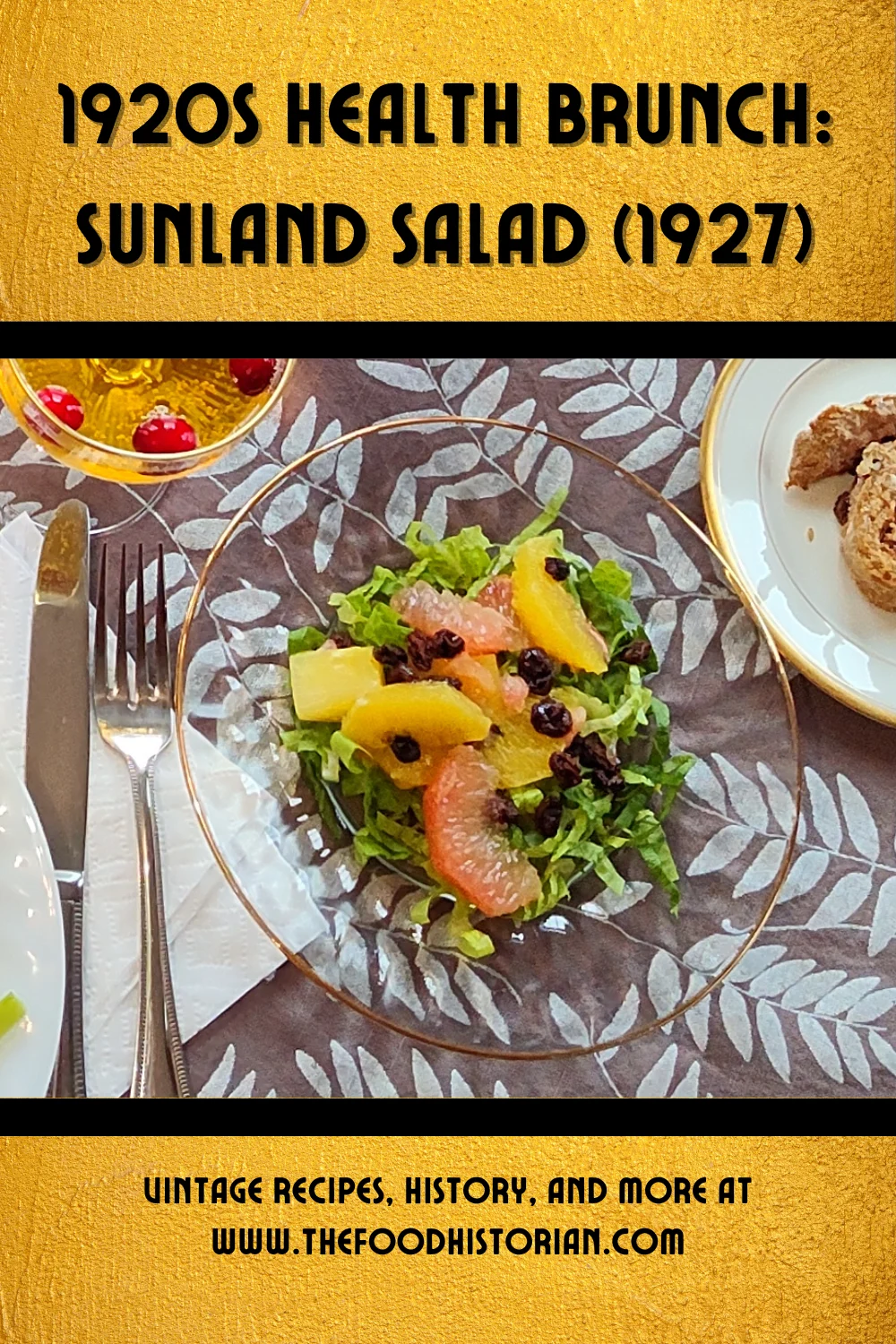
In the annals of American culinary history, few figures are as enigmatic yet influential as Arthur Leslie Wyman. A man whose career spanned the globe before settling into the golden age of California’s agricultural promotion, Wyman served as a bridge between the rigid, classical training of the Old World and the burgeoning health-conscious consumerism of the 1920s. His seminal work, Chef Wyman’s Daily Health Menus (1927), offers more than just a collection of recipes; it provides a window into a pivotal era where nutrition, regional branding, and the dawn of mass-market food media converged.
The Global Nomad: A Chronology of a Culinary Architect
To understand the "Sunland" movement, one must first understand the architect. Arthur Leslie Wyman was a master of his craft, possessing a resume that reads like a travelogue of the early 20th century. Before finding his rhythm in the laboratory-kitchens of Glendale, California, Wyman spent years honing his skills across Europe, Egypt, and India.
- Pre-1920s: Wyman establishes his reputation as a master baker and chef in the high-end establishments of the Orient and the Mediterranean. This period instilled in him a mastery of exotic seasonings and varied culinary techniques.
- 1923: Wyman serves as the editor of the Los Angeles Times Prize Cook Book. His introduction in this volume highlights his transition from a professional chef to a consultant for California’s agricultural powerhouses.
- Mid-1920s: Wyman becomes a fixture in the Los Angeles Times, authoring a weekly "Practical Recipes" column. This platform cemented his status as the West’s foremost authority on domestic science.
- 1927: The publication of Chef Wyman’s Daily Health Menus. Within months of its release, the rights are acquired by the Piggly Wiggly grocery chain, leading to a dual-branded distribution strategy.
- 1927 (Late): The untimely death of Chef Wyman occurs, marking the end of his direct stewardship of the Times column.
- 1931: Mabelle Wyman, who assumed her late husband’s editorial duties, passes away suddenly, closing the chapter on the Wyman family’s direct influence on Los Angeles culinary journalism.
The California Connection: Branding the "Sunland" Ideal
The term "Sunland" was more than a poetic descriptor; it was a carefully curated brand identity for California’s booming fruit industry. By the mid-1920s, the state’s agricultural associations—representing growers of peaches, figs, raisins, walnuts, and citrus—were desperate to convince the American public that their products were not merely dessert items, but essential components of a healthy, daily diet.
Wyman’s role in this was critical. By embedding these ingredients into the daily rhythms of home cooking, he transformed luxury produce into pantry staples. His "Sunland Salad," for instance, was a masterclass in marketing. By combining California citrus with raisins and imported pineapple, he created a dish that felt both exotic and locally rooted. The salad was specifically designed to appeal to the era’s fascination with "reducing" diets and the newfound scientific focus on vitamins—a trend that was just beginning to permeate the American consciousness.

The Piggly Wiggly Partnership: A Marketing Masterstroke
The 1927 collaboration between the publishers of Chef Wyman’s Daily Health Menus and the Tennessee-based Piggly Wiggly grocery chain is a fascinating case study in early 20th-century retail strategy. By purchasing the printing rights to a successful regional cookbook, Piggly Wiggly did more than sell groceries; they provided their customers with a curated lifestyle guide.
The existence of two distinct editions—one under the original title and the other branded as Piggly Wiggly Daily Health Menus—suggests a savvy cross-promotional effort. While the interiors remained identical, the branding change allowed the grocery chain to position itself as a partner in the home-maker’s health journey. It turned the grocery store from a mere commodity supplier into a culinary consultant.
Culinary Analysis: The "Sunland" Salad
The "Sunland Salad" serves as the centerpiece of Wyman’s philosophy. In the original 1927 recipe, the ingredients were simple, yet they reflected the complex logistics of 1920s food supply chains:
- Oranges and Grapefruit: Representing the pinnacle of California’s citrus industry.
- Pineapple: Signaling the growing accessibility of canned fruit from Hawaii.
- Seedless Raisins: A direct nod to the California raisin industry’s massive marketing efforts of the era.
- Mayonnaise: The standard, albeit polarizing, binder of the time.
Modern culinary historians have noted that Wyman’s instructions—specifically the soaking of raisins in orange juice—demonstrate a sophisticated understanding of flavor infusion and texture modification. The modern interpretation of this recipe, which utilizes the "supreming" technique to remove bitter membranes and incorporates a chiffonade of romaine, elevates the dish to contemporary standards while preserving the refreshing, acidic profile that defined the original.

Implications for Modern Gastronomy
The legacy of Chef A. L. Wyman offers several implications for the modern food landscape:
- The Persistence of Regional Branding: Just as Wyman successfully associated California produce with "health," modern food movements continue to use regional origin as a primary indicator of quality and wellness.
- The Evolution of "Health" Foods: The 1927 obsession with citrus and raisins for fiber and vitamins mirrors the modern dietary supplement culture. Wyman’s work reminds us that what is considered "nutritionally essential" is often a product of industry-driven trends.
- The Power of the Media-Chef: Wyman was arguably one of the first "influencer-chefs," utilizing newspaper columns to shape domestic habits. His transition from the laboratory-kitchen to the living room foreshadowed the modern celebrity chef phenomenon.
- The Utility of Cookbook History: The archival nature of Chef Wyman’s Daily Health Menus proves that historical recipes are not merely curiosities; they are data points that track the migration of ingredients, the shifting of social classes, and the advancement of food technology (such as the widespread availability of canned goods).
Conclusion: A Culinary Ghost
Despite his profound influence on the domestic habits of the 1920s, Arthur Leslie Wyman remains a ghost in the machine of culinary history. We know his recipes, we know his photos, and we know his professional associations, yet his personal story—beyond the brief snippets provided in the Los Angeles Times—remains largely obscured by time.
However, his work survives. Every time a home cook tosses a salad with a citrus-based dressing, or pairs dried fruit with fresh greens, they are participating in a tradition that Wyman helped codify nearly a century ago. The "Sunland Salad" is more than a recipe; it is a monument to a man who spent his life teaching a nation how to eat, one daily menu at a time. Whether or not one chooses to add the traditional tablespoon of mayonnaise is, as Wyman might have suggested, a matter of individual taste—but the spirit of the dish, a blend of ambition, agriculture, and the pursuit of health, remains as relevant today as it was in the roaring twenties.


 Lina Irawan