

 Lina Hope
 Iffa Jayyana
 Lina Irawan
 Ammar Sabilarrohman
 Ali Ikhwan
 Laily UPN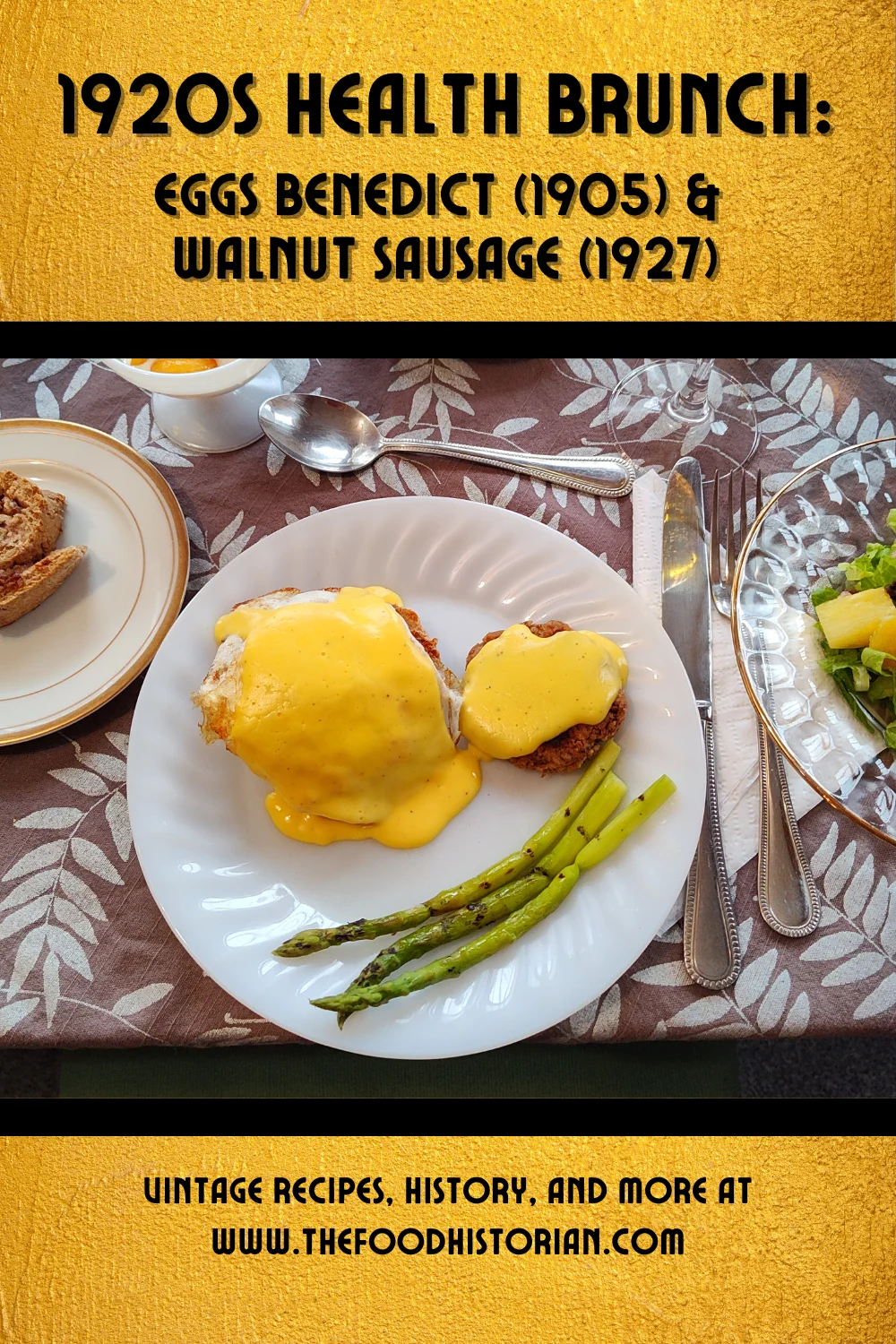
The brunch landscape is often defined by a singular, iconic dish: Eggs Benedict. A masterpiece of architectural breakfast construction, the dish relies on the harmonious interplay of a toasted English muffin, a savory slice of lean ham, a perfectly poached egg, and the rich, emulsified decadence of hollandaise sauce. While modern diners have grown accustomed to seeing this staple on menus from coast to coast, the history of the dish—and the culinary ingenuity required to adapt it—is far more complex than a standard menu description suggests.
In a recent experiment, culinary historians and home chefs have begun to revisit the origins of this brunch titan, challenging traditional preparation methods and exploring the long-standing, often overlooked history of "fake meat" in the American diet. By substituting traditional ham with a 1927 walnut sausage recipe, a new narrative—dubbed "Eggs Wyman"—has emerged, proving that the foundation of a classic dish is as much about the spirit of innovation as it is about the ingredients themselves.

The Chronology of a Classic
Ancient Roots and Early Records
While Eggs Benedict is often associated with the high-end dining culture of 19th-century New York, the components of the dish have ancestral roots reaching back centuries. The combination of eggs and ham, for instance, has been a staple of the Western breakfast repertoire for generations. In the 1796 seminal work The Art of Cookery, Hannah Glasse provides one of the earliest documented references to "Collops and Eggs." Her recipe utilized broiled bacon—strikingly similar to modern Canadian bacon—alongside beef or "hung mutton," topped with the signature poached egg.
The French Connection: The Birth of Hollandaise
The sauce that binds the dish, Hollandaise, carries its own storied pedigree. Dating back to the 17th century, the sauce was developed in France, likely during the turbulent years of the Franco-Dutch War. Pierre August Varenne’s 1651 masterpiece, Le Cuisinier Francois, serves as a vital historical link. By the 1655 edition, Varenne provided specific instructions for an "Asparagus with White Sauce," calling for fresh butter, vinegar, salt, nutmeg, and an egg yolk to act as a binding agent. Varenne’s warning—to be careful that the sauce does not "turn" or curdle—remains the primary anxiety for any home chef attempting a hollandaise today.

The 19th Century and the Rise of "Eggs Benedict"
By the 1890s, the term "Eggs Benedict" had firmly entered the American culinary lexicon. While the upscale Delmonico’s restaurant in New York City famously claims to have invented the dish in the 1860s, definitive evidence remains elusive. Gastro Obscura and other historical investigators have noted that the dish appeared in Hood’s Practical Cookery in 1897, effectively standardizing the combination of toast, fried ham, poached eggs, and hollandaise. Shortly thereafter, Adolphe Mayer’s 1898 book, Eggs and How to Use Them, expanded the dish into a category of its own, listing numerous variations that replaced ham with ingredients like chicken forcemeat or savory croquettes.
Supporting Data: Modern Adaptation of Historical Recipes
To truly understand the flexibility of this dish, one must look toward the "Boston Cooking School Magazine" of 1905, which offered a distinct method for hollandaise. Unlike modern techniques that rely on a double-boiler and whisked butter, this historic method suggests beating butter into a cream before incorporating egg yolks, salt, pepper, and boiling water.

The 1905 Hollandaise Method (Adapted)
- Ingredients: 1/4 cup unsalted butter (room temperature), 2 egg yolks, 1 tbsp lemon juice, 1/4 cup boiling water, salt and pepper.
- Methodology: Cream the butter until fluffy, then beat in the yolks and seasonings. Place the bowl over a saucepan of simmering water and whisk in the boiling water and lemon juice.
This technique, while seemingly counter-intuitive, results in a stable, rich sauce less prone to the "breaking" common in modern recipes. It serves as a testament to the fact that early 20th-century home cooks were often working with highly sophisticated methods that prioritized stability and flavor depth.
The Historical Context of Meat Substitutes
The decision to swap traditional ham for a plant-based alternative is not merely a modern health trend; it is a deep-seated tradition in Western culinary history. During the early 20th century, the surge in interest regarding vegetarianism was driven by both religious movements, such as the Seventh-Day Adventists led by John Harvey Kellogg, and national necessity during World War I.

The Battle Creek Influence
Kellogg’s Battle Creek Sanitarium became the epicenter of early meat analogue production. Innovations such as "Nuttose" (a peanut-based protein) and "Protose" (a wheat gluten and peanut hybrid) were marketed to a public increasingly conscious of their health. By the 1920s, the availability of products like "Smokene"—a ham alternative—demonstrated that the desire for meat-free, protein-rich alternatives was already well-established.
The "Walnut Sausage" Revolution
Chef Arthur Wyman, in his 1927 publication Chef Wyman’s Daily Health Menus, provided a recipe for "Walnut Sausage" that bridges the gap between these early health-conscious experiments and modern dietary preferences.

The Wyman Sausage Recipe (Modern Interpretation):
- Base: 14 oz can of butter beans, pureed.
- Texture: 3/4 cup finely chopped walnuts, 1/3 cup panko breadcrumbs.
- Flavor Profile: 3 tbsp milk, 1 tsp apple cider vinegar, salt, pepper, and a blend of dried sage, thyme, and marjoram.
- Execution: The mixture is shaped into patties and fried in a blend of butter and olive oil.
The result is a savory, crumbly, and deeply satisfying protein that mimics the mouthfeel and spice profile of traditional sausage. Unlike the flavorless "Boston Roasts" of the WWI era, the Wyman recipe relies on fresh herbs and the natural fat of the walnuts to deliver a complex, savory experience that arguably surpasses traditional meat-heavy alternatives in a brunch setting.

Implications for Future Brunch Menus
The success of "Eggs Wyman"—a dish featuring poached or fried eggs served atop walnut sausage on a toasted muffin with 1905-style hollandaise—carries significant implications for the future of the hospitality industry.
- The Democratization of Brunch: By moving away from expensive, cured meats like Canadian bacon, home chefs and restaurateurs can lower food costs while providing high-quality, plant-forward nutrition.
- Historical Revivalism: The experiment demonstrates that historical cookbooks are not just archives; they are living documents. Reviving techniques like the 1905 hollandaise method or the 1927 walnut sausage allows modern kitchens to bypass the reliance on highly processed, commercial meat substitutes.
- Culinary Flexibility: The ease with which these recipes can be adapted—using panko instead of traditional breadcrumbs or canned beans instead of dried—shows that "historical cooking" does not require specialized equipment or rare ingredients. It requires only an understanding of basic chemistry and a willingness to experiment.
Conclusion
The evolution of Eggs Benedict from a potential 19th-century invention to a modern, flexible brunch centerpiece is a testament to the enduring nature of human creativity. Whether it is the emulsion of a 1905 hollandaise or the savory complexity of a 1927 walnut sausage, the history of food is a cycle of refinement and reinvention. As we look toward future brunch trends, it is clear that the most "innovative" path forward may actually be a glance backward into the archives of the past. By honoring these historical methods, we do more than just make breakfast—we preserve a culinary dialogue that connects the modern plate to the kitchens of yesterday.

 Dwi Wanna
 Rifan Muazin
