

 Ammar Sabilarrohman
 Ali Ikhwan
 Dwi Wanna
 Neng Nana
 Siti Muinah
 Nana Muazin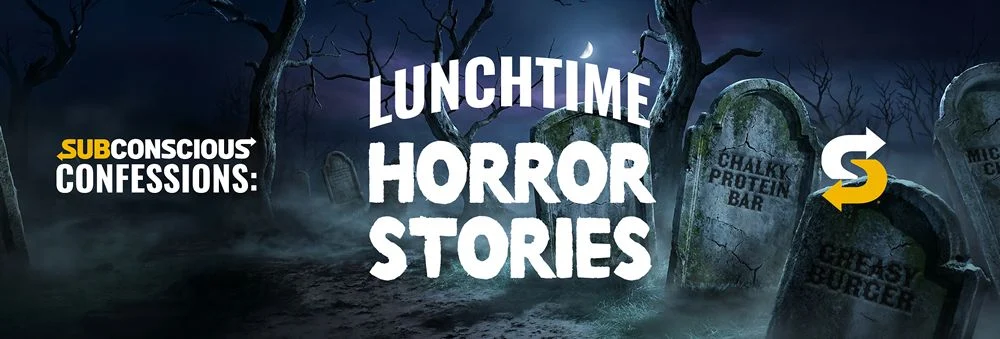
In the fast-paced landscape of the modern American workday, the midday meal has become a source of significant anxiety and disappointment for a staggering number of professionals. Whether it is the $20 smoothie that leaves one famished by 2:00 p.m. or the overpriced, underwhelming salad that fails to satisfy, the “lunch hour” is increasingly defined by poor value and culinary dissatisfaction. Recognizing this trend, Subway has launched an ambitious, timely campaign this October: “Lunchtime Horrors,” an initiative designed to provide a fresh alternative to the lackluster choices plaguing the American workforce.
Subway is turning the spooky season on its head by inviting consumers to share their most harrowing lunch stories at LunchtimeHorrors.com. Between October 12 and October 16, 2026, those who confess their past lunch failures will have the chance to secure a $15 eGift card, effectively covering the cost of a freshly prepared Footlong sandwich. This campaign serves as the latest pillar of the brand’s broader “Feed Your SUBconscious” platform, which seeks to realign consumer dining habits with quality, freshness, and satisfaction.
The Anatomy of Lunch Regret: A Statistical Crisis
The premise of Subway’s campaign is backed by robust data. A recent survey commissioned by the sandwich giant and conducted by research firm Big Village reveals a pervasive dissatisfaction with current lunch habits. According to the study, which sampled 1,010 U.S. adults, a full 66% of Americans admit that they regret their lunch choice at least some of the time.
The reasons behind this collective disappointment are varied but share a common thread: a lack of value and sustenance. The survey indicates that high costs, insufficient portion sizes, and "heavy" meals that induce afternoon fatigue are the primary culprits. Furthermore, the survey highlights a broader issue regarding work-life balance: 70% of U.S. consumers report that they skip lunch entirely at least once a week. This "skip culture" often leads to decreased productivity and increased stress, suggesting that the American lunch break is in a state of decay.
Chronology of the Campaign: From Strategy to Execution
The "Lunchtime Horrors" campaign did not emerge in a vacuum. It follows a deliberate strategic roadmap developed by Subway throughout the latter half of 2026.
- September 2026: Subway officially unveils the "Feed Your SUBconscious" brand platform. The campaign features actor and comedian Will Arnett, who portrays the metaphorical "inner voice" that guides consumers toward better food choices.
- Late September 2026: Subway commissions the Big Village omnibus survey to quantify the scope of lunch dissatisfaction. The results confirm that a majority of Americans feel disillusioned with their current midday dining options.
- October 12, 2026: The official launch of the "Lunchtime Horrors" giveaway. The digital portal goes live, allowing users to submit their "confessions" regarding past lunch failures.
- October 12–16, 2026: The active entry period for the promotion. During these five days, the company distributes 1,000 digital eGift cards per day to selected participants, totaling 5,000 winners.
- Post-Campaign: Subway intends to utilize the insights gained from the user-submitted "horror stories" to further refine their service models and menu offerings for the coming year.
The "Feed Your SUBconscious" Philosophy: An Official Perspective
The campaign is not merely a giveaway; it is a branding exercise designed to reinforce Subway’s commitment to "fresh-prep." Jeff Klein, Chief Marketing Officer at Subway, emphasizes that the initiative is about reclaiming the lunch hour as a time for quality replenishment.
“We make sandwiches, not time machines. But we can give people something to look forward to at their next lunch,” Klein stated during the campaign’s kickoff. “Feed Your SUBconscious is an invitation to listen to that inner voice that knows what you really want. This Halloween, we’re giving Americans a chance to act on it, with thousands of freshly prepared Footlongs on us.”
The involvement of Will Arnett adds a layer of levity to the campaign, humanizing the brand’s messaging. Arnett, known for his distinct comedic delivery, noted that the core of the message is simple: “As your SUBconscious, I’m here to remind you how much you want a freshly made Subway Footlong. This Halloween, they’re giving away thousands of them. I could say more, but ‘free Footlong’ really does most of the work.”
Supporting Data: Why Americans are Unhappy with Lunch
The Big Village survey provides a snapshot of the current consumer sentiment. While the headline figures (66% regret, 70% skipping) are startling, the qualitative data points to a growing "value gap." Consumers are increasingly sensitive to the discrepancy between price and quality.
When participants were asked about their "horrors," common themes included:

- The "Empty Wallet" Effect: Spending premium prices on "fast-casual" salads or bowls that provide little to no lasting satiety.
- The "Slump" Inducer: Ordering greasy, processed fast food that leaves the consumer feeling sluggish and unproductive for the remainder of the afternoon.
- The "Time Tax": Spending a large portion of a limited break waiting for overpriced food that ultimately fails to impress.
Subway’s move to position their Footlong as the "antidote" is a direct challenge to these competitors. By emphasizing the use of freshly sliced meats, vegetables prepared daily, and bread baked on-site, the brand is attempting to pivot the conversation back to the fundamentals of what constitutes a "good" meal.
Market Implications: The Future of the Lunch Hour
Subway’s campaign signals a shift in how legacy quick-service restaurants (QSRs) are competing for market share. In an economy where consumers are becoming increasingly selective, simply having a large footprint is no longer enough. Brands must now compete on the basis of "experience" and "emotional connection."
1. Consumer Loyalty Through Digital Engagement
By driving traffic to LunchtimeHorrors.com, Subway is effectively building a database of highly engaged, potential customers who have identified themselves as people who "regret" their current lunch choices. This allows for more targeted marketing efforts in the future, moving beyond generic advertising to address specific pain points.
2. Positioning Against Fast-Casual
The "Lunchtime Horrors" narrative is a direct jab at the fast-casual segment, which has often marketed itself as the "healthier" or "premium" alternative to traditional fast food. Subway is essentially arguing that these premium prices do not necessarily equate to a better lunch experience, highlighting the reliability of their own customizable, fresh-prep model.
3. The Power of "Cultural Timing"
By anchoring the campaign in the Halloween season, Subway has successfully utilized a seasonal hook to make a mundane topic—lunch—feel timely and urgent. This "skeletons out of the lunchbox" approach is a classic example of event-based marketing that cuts through the noise of standard promotional cycles.
Terms and Conditions: Navigating the Giveaway
For those interested in participating, it is crucial to understand the constraints. The promotion is restricted to legal residents of the 50 U.S. states and the District of Columbia who are at least 18 years of age. The giveaway is structured into five distinct entry periods, each with 1,000 prizes available.
Participants are encouraged to review the official rules at the provided website to ensure their entry is valid. The $15 eGift cards are designed to cover the cost of a Footlong, though pricing may vary by location. This promotion, sponsored by the Subway Franchisee Advertising Fund Trust Ltd., demonstrates the power of a unified franchisee effort to drive store-level traffic.
Conclusion: A Shift Toward Conscious Eating
Subway’s "Lunchtime Horrors" campaign is more than a clever marketing stunt; it is a commentary on the state of the American workforce’s relationship with food. By validating the frustration of millions of people who feel trapped by unfulfilling, overpriced, or unhealthy lunch options, Subway has managed to position itself as a solution rather than just another vendor.
As the campaign progresses through the month of October, the real test will be whether the brand can convert these one-time "freebie" seekers into long-term, loyal customers. However, by tapping into the genuine, widespread sentiment of "lunch regret," Subway has effectively reminded the public that the midday break should be a moment of genuine satisfaction—a "SUBconscious" decision to choose quality over the common horrors of the modern lunch hour.
With thousands of free sandwiches on the line, the company is betting that once consumers return to the fresh-prep model, they will find the antidote to their lunch blues waiting in the form of a freshly baked, custom-made Footlong.

 Pevita Pearce
 Rifan Muazin
