

 Ammar Sabilarrohman
 Ali Ikhwan
 Dwi Wanna
 Neng Nana
 Siti Muinah
 Lina Hope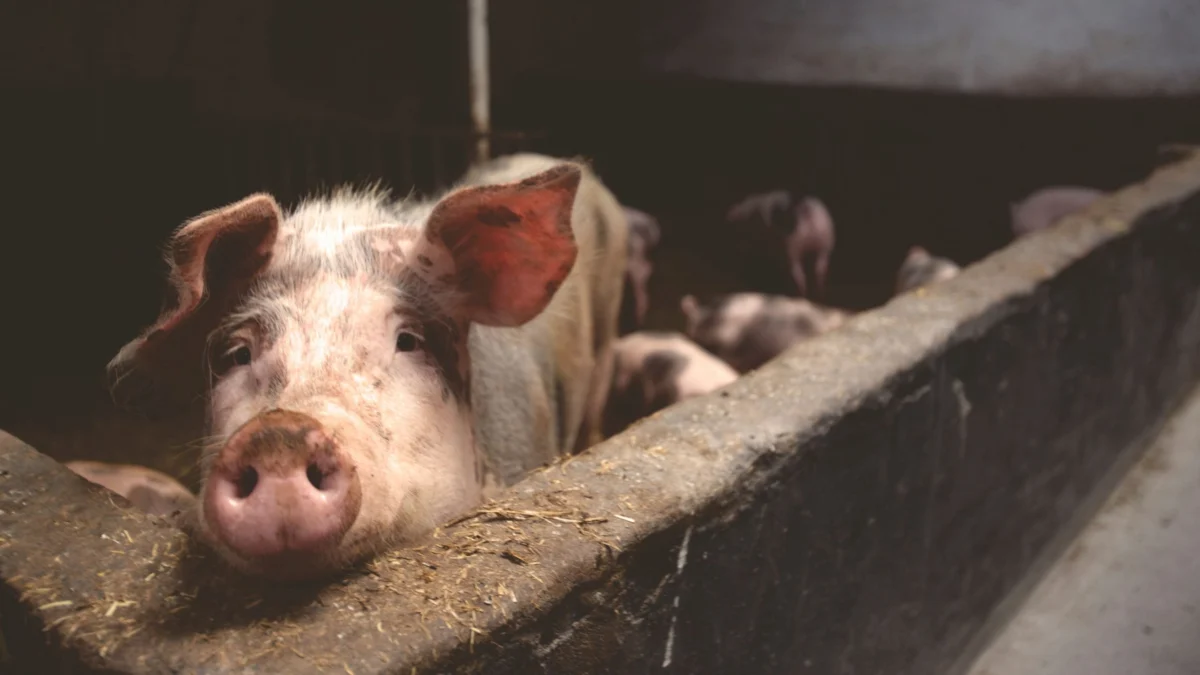
September 17, 2026 — As the calendar approaches October 2, a somber yet urgent global observance draws near: World Farm Animals Day. While the modern consumer landscape is increasingly defined by convenience and speed, the reality behind the food system remains a stark, often hidden, humanitarian and ethical crisis. With nearly 10 billion animals slaughtered for food annually in the United States alone, advocates are utilizing this day to shift the narrative from consumption to compassion.
The Reality Behind the Closed Doors
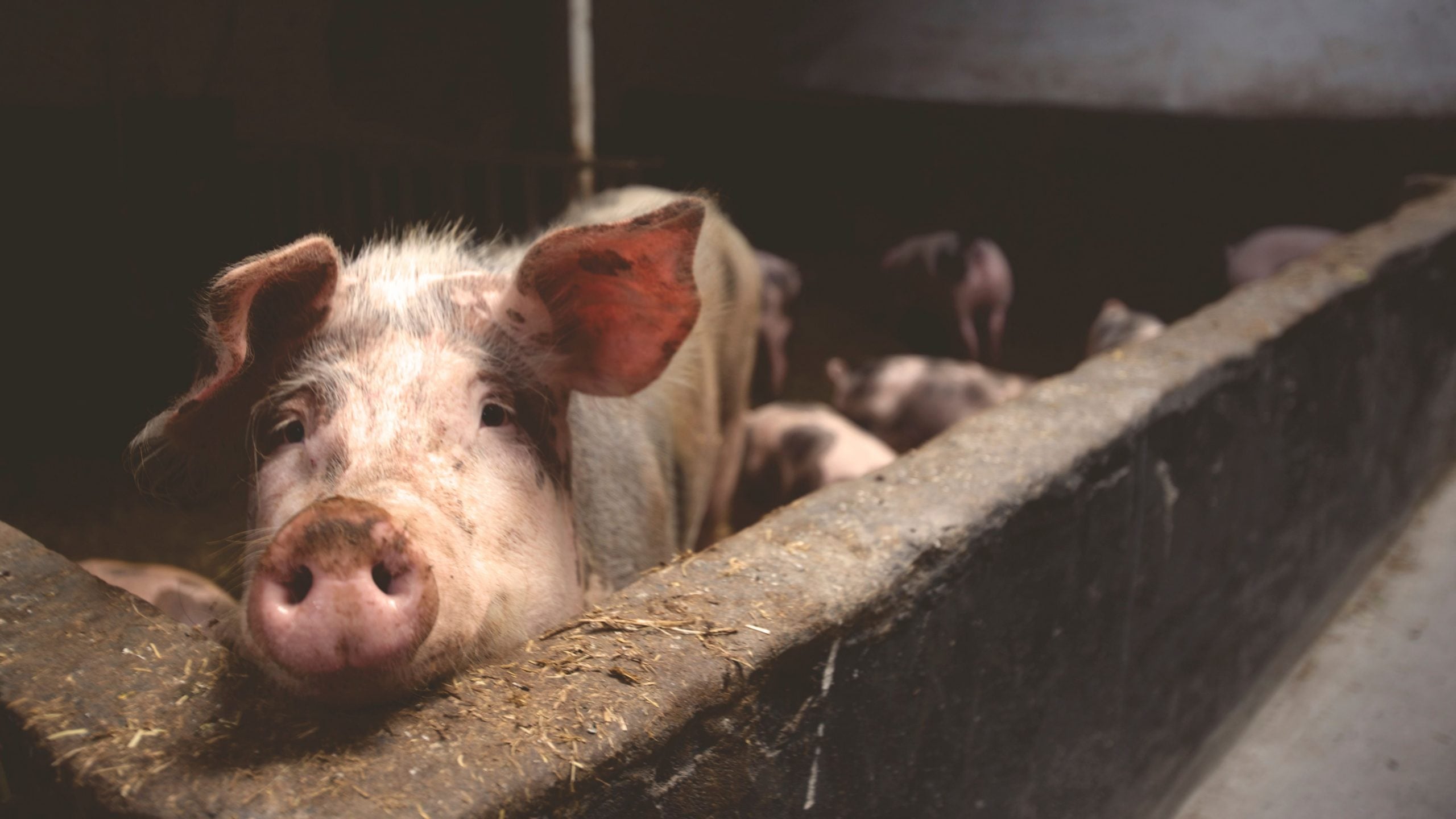
The industrialization of food production has fundamentally altered the relationship between humans and animals. In the contemporary U.S. agricultural model, the term "factory farm"—or more technically, a Concentrated Animal Feeding Operation (CAFO)—has become the standard. These facilities, which house thousands of animals in highly confined, automated environments, operate on a philosophy of efficiency that treats sentient beings as inanimate products on an assembly line.
The physical conditions inside these facilities are often grim. For billions of animals, life is characterized by restricted movement, the absence of natural light, and the inability to engage in innate behaviors such as rooting, perching, or grazing. The psychological toll of such confinement is significant, yet it remains largely invisible to the public, shielded by high walls and corporate non-disclosure agreements.
The culmination of these lives is equally harrowing. Transported in overcrowded trucks, often across long distances and through extreme weather, animals arrive at slaughterhouses where, despite the existence of some federal regulations like the Humane Methods of Slaughter Act, enforcement remains inconsistent. Many animals face their final moments in states of extreme terror, a reality that Farm Sanctuary and other advocacy groups are working tirelessly to expose.
A Chronology of Advocacy and Change
The journey toward recognizing the plight of farm animals has been a long and arduous struggle, marked by key milestones in legislative, social, and cultural spheres.
- 1983: The Inception: World Farm Animals Day was established as a day to memorialize the billions of animals who suffer and die in the industrial food system. It was timed to coincide with the birthday of Mahatma Gandhi, a global icon of nonviolence.
- The Early 2000s: The Rise of Transparency: The advent of social media and hidden-camera investigations allowed the public to see the inside of factory farms for the first time. This era sparked a significant shift in consumer consciousness.
- 2017: Education Initiatives: Farm Sanctuary launched an aggressive push into the classroom, recognizing that the next generation’s values are shaped by early access to humane education. Since then, over 300,000 students have engaged with curricula that teach empathy and the interconnectedness of human and animal welfare.
- 2026: The Current Landscape: As we reach the present day, the movement has transitioned from simple awareness to systemic advocacy. Organizations are now lobbying for specific legislative changes, including the reallocation of government subsidies away from factory farming toward sustainable, plant-based alternatives.
Supporting Data: The Scale of the Crisis
The statistics surrounding the animal agricultural industry are staggering. In the United States, the number of animals processed for food hovers at approximately 10 billion per year. When extrapolated globally, this figure rises into the tens of billions.
Data from the USDA and independent agricultural analysts highlight a concentration of power: a small number of massive corporations control the vast majority of the meat and dairy market. This centralization not only drives down the price of meat—masking the true environmental and ethical costs—but also creates a political lobbying force that frequently resists animal welfare reform.
Furthermore, the environmental impact of this system is well-documented. Factory farming is a leading driver of deforestation, water pollution, and greenhouse gas emissions. The nexus between animal suffering and planetary health is now undeniable, providing a dual-motivation for activists: one cannot fully address the climate crisis without addressing the food system.
Case Study: The Resilience of Life
Behind the overwhelming statistics, there are individual lives. The work of Farm Sanctuary is perhaps best illustrated by the story of Evie. When rescued from a facility suffering from severe cruelty, Evie was pregnant and terrified. The intervention allowed her to experience a life free from fear, resulting in the birth of her twin lambs, Jeanne and Margaretta.
This is not merely a story of individual rescue; it is a proof-of-concept. It demonstrates that when animals are given the space to express their natural behaviors—to nurture, to play, and to bond—they thrive. Jeanne and Margaretta are ambassadors for a different kind of food system, one where the "products" of industry are recognized as individuals with intrinsic value.
Implications for Systemic Change
The mission of Farm Sanctuary and its allies has expanded far beyond the gates of their sanctuaries. They argue that rescue is a vital humanitarian act, but true justice requires legislative and systemic reform.
Education as a Foundation
Humane education is no longer an optional add-on; it is a critical component of social progress. By teaching students about the emotional complexity of farm animals, educators are fostering a generation that is more critical of corporate marketing and more attuned to the ethical implications of their dietary choices.
Policy and Legislation
On Capitol Hill, the push is toward policies that discourage the expansion of CAFOs. This includes:
- Subsidy Reform: Moving public funds from large-scale animal agriculture to regenerative, plant-based farming.
- Increased Protections: Implementing stricter standards for transport and slaughter to minimize animal suffering.
- Food Accessibility: Ensuring that healthy, plant-based proteins are affordable and accessible in "food deserts," where processed animal products are often the only cheap options.
A Call to Action for 2026
As we observe World Farm Animals Day on October 2, 2026, the call to action is clear. Advocacy requires resources, and for organizations like Farm Sanctuary, the goal is ambitious: to raise $50,000 to sustain their lifesaving mission.
This funding is not just for immediate rescue; it is the fuel for the long-term engine of change. It supports the legal teams fighting for better regulations, the educational teams writing the future of classrooms, and the grassroots organizers empowering local communities to demand a kinder food system.
The movement invites every individual to view this day not as a passive observation, but as a commitment to the 10 billion lives currently caught in the machinery of the industry. Whether through changing personal consumption, supporting legislative lobbying, or contributing to rescue efforts, every action serves as a brick in the foundation of a more compassionate future.
Conclusion: The Path Forward
The path to a kinder world is neither quick nor easy. It requires confronting the uncomfortable truths of our food system and challenging the industrial status quo. However, the momentum is undeniably shifting. From the halls of government to the quiet pastures of a sanctuary, the voice for the voiceless is growing louder.
On October 2, we are reminded that we are not helpless. Every contribution, every lesson taught, and every policy shifted is a direct victory for the billions who cannot speak for themselves. By supporting these efforts today, we are not only saving individual animals like Evie, Jeanne, and Margaretta—we are building a legacy of empathy that will define the food system of the future.
How to get involved:
- Donate: Support the 2026 Giving Day goal to help reach the $50,000 target.
- Educate: Explore the free curricula and resources available for schools and communities.
- Advocate: Contact your local representatives to support legislation that protects farm animals and shifts funding toward sustainable food sources.
For more information on how to support the mission of Farm Sanctuary, visit their official website and participate in the upcoming Giving Day.

 Asro
Asro
 Raul Delapena Setiawan
