

 Ammar Sabilarrohman
 Ali Ikhwan
 Dwi Wanna
 Neng Nana
 Siti Muinah
 Raul Delapena Setiawan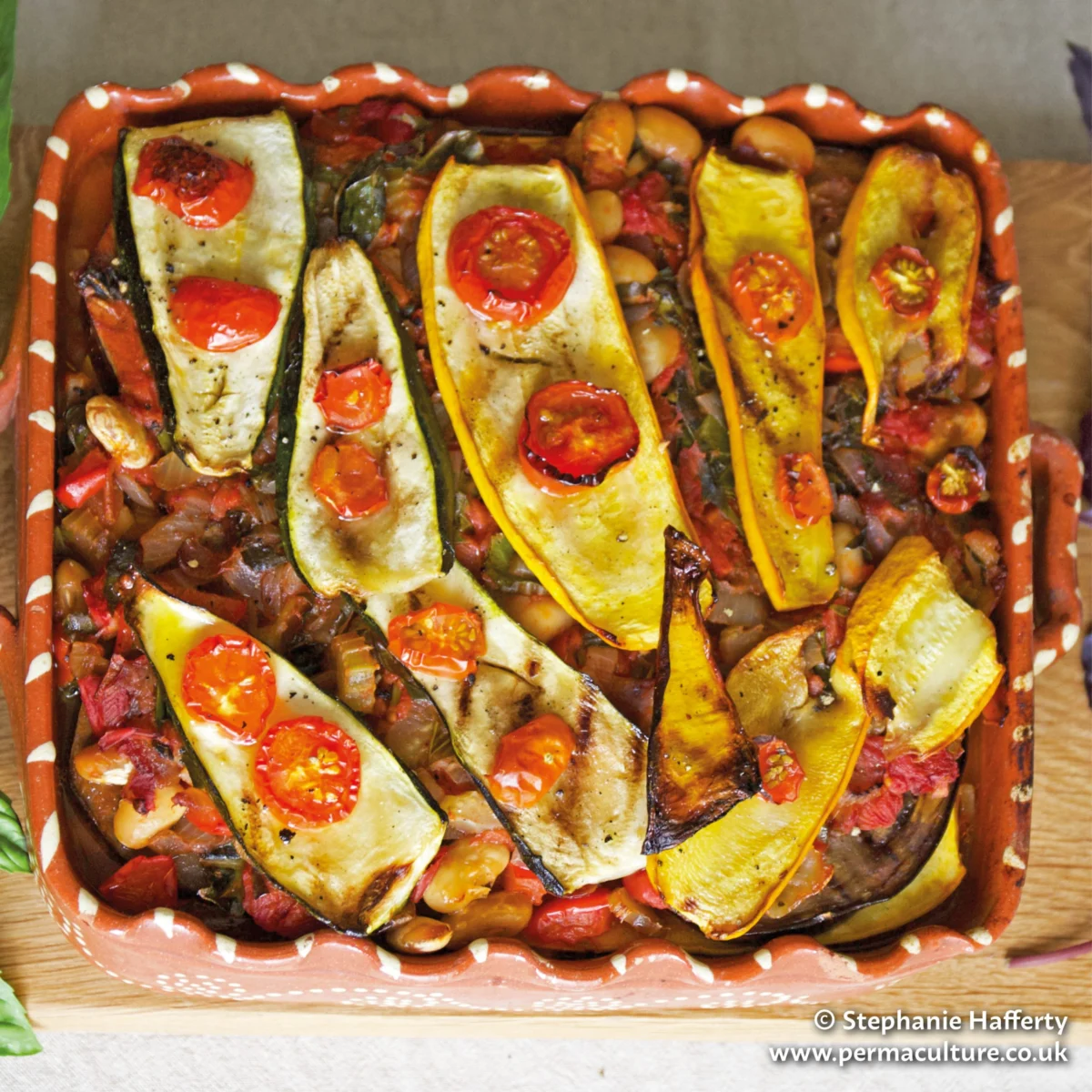
In the world of sustainable horticulture, few names command as much respect as Stephanie Hafferty. A pioneer of the "no-dig" gardening movement, Hafferty has spent years championing the philosophy that healthy soil leads to nutrient-dense, flavorful produce. Her latest culinary offering is a testament to this ethos: a hearty, vegetable-forward aubergine lasagne that elevates the humble backyard harvest into a sophisticated, plant-based centrepiece.
Moving away from the carb-heavy traditional pasta-based dishes, Hafferty’s recipe serves as a blueprint for seasonal eating. By substituting standard wheat sheets with thinly sliced, griddled garden vegetables, she provides a gluten-free alternative that is as visually striking as it is nutritionally robust.
The Philosophy of "No-Dig" Gastronomy
At the heart of Hafferty’s culinary approach is the "no-dig" method. This gardening practice prioritizes the preservation of soil structure and the delicate fungal networks that support plant growth. When vegetables are grown in such rich, undisturbed soil, their flavour profile is often intensified. Hafferty argues that when you put in the effort to grow your own produce, the goal should be to treat those ingredients with the reverence they deserve.
This lasagne is not merely a recipe; it is a manifestation of the garden cycle. By utilizing aubergines, courgettes, and peppers—the quintessential late-summer crops—Hafferty demonstrates how home growers can manage their harvests effectively, turning a surplus of produce into a comforting, shelf-stable meal that tastes even better the following day.
Ingredients: A Harvest-Focused Pantry
To recreate this dish, one requires a selection of fresh, seasonal produce. Hafferty emphasizes that the quality of these ingredients is paramount.
For the Lasagne:
- 600g (21 oz) Aubergines: The structural backbone of the dish.
- 600g (21 oz) Courgettes: Providing a delicate contrast to the richer aubergine.
- 500g (17.5 oz) Onions: Finely diced to create a sweet, aromatic base.
- 3 cloves Garlic: Freshly crushed for maximum pungency.
- 2 stalks Celery: Added for depth and texture.
- 1 Red Pepper: Diced to provide sweetness and acidity.
- 100g (3.5 oz) Spinach or Chard: Roughly chopped for a hit of iron and chlorophyll.
- 800g (28 oz) Tomatoes: Chopped for the sauce, plus 2-3 extra for decorative topping.
- 240g (8.5 oz) Cooked Beans: (A standard 400g tin, drained) providing essential plant-based protein.
- Herbs: 1–2 tablespoons of fresh basil, parsley, or oregano.
- Olive Oil, Salt, and Pepper: To season and cook.
For the Artisan Garlic Bread:
- A high-quality crusty loaf.
- 4–10 cloves of garlic (Hafferty advises being generous).
- 0.5–1 cup of premium olive oil.
- Freshly ground black pepper.
The Chronology: A Step-by-Step Execution
Preparing this dish requires a methodical approach, balancing the creation of the robust tomato-bean ragù with the careful preparation of the vegetable "sheets."
1. Preparation and Infusion
Preheat your oven to 180°C (fan) or 200°C (standard). Begin by finely chopping your garlic and whisking it into the olive oil with a generous crack of black pepper. Allowing this mixture to sit while you prepare the other ingredients ensures the oil becomes deeply infused with the garlic’s essential oils.
2. The Vegetable Base
Slice your aubergines and courgettes lengthways into uniform 5mm strips. This thickness is crucial—too thin, and they will disintegrate; too thick, and the lasagne will be overly chewy. Using a griddle pan (or a standard frying pan if a griddle is unavailable), lightly brush the slices with olive oil and char them for 3–4 minutes per side. This step is essential for caramelization, which adds a smoky, complex layer of flavour to the dish.
3. The Ragù
While the vegetables are being griddled, soften the onions, garlic, and celery in a pan over low heat. Once translucent and fragrant, introduce the diced red pepper, beans, and chopped tomatoes. Allow this mixture to simmer for roughly 15 minutes. The goal is a thick, cohesive sauce that holds the layers together.
4. Layering and Assembly
In a 25x25cm oven dish, begin the assembly. Start with a thin layer of the tomato ragù to prevent sticking. Alternate layers of griddled aubergine and courgette with the sauce, incorporating the spinach or chard periodically. Finish the top with a layer of sauce and decorate with thin slices of fresh tomato.
5. The Final Bake
Bake for 30 minutes. While the lasagne is in the oven, prepare the garlic bread by scoring the loaf deep into the crust—about 90% of the way through—without severing the base. Drizzle the infused garlic oil into every crevice. Place the bread in the oven for the final 15 minutes of the lasagne’s bake time.
Supporting Data: Nutritional and Economic Implications
From a nutritional standpoint, this dish is a masterclass in balance. By utilizing beans, Hafferty ensures the dish contains complete plant-based proteins, while the variety of vegetables provides a diverse range of vitamins and dietary fibre.
Economically, this recipe is highly resilient. During the peak of summer, these ingredients are often in abundance in the garden. For those purchasing produce, the use of tinned beans and seasonal vegetables makes this a cost-effective alternative to meat-heavy lasagnes, which often require expensive cuts or processed cheese. The "no-waste" aspect of the recipe—using the bread to soak up the juices and the vegetables as the structure—aligns with contemporary efforts to reduce household food waste.
Official Perspectives: The Versatility of the Method
Hafferty is quick to note that this recipe is a template, not a strict set of laws. "This recipe adapts beautifully to the changing seasons," she explains. During the colder months, she suggests swapping out summer squash for slices of roasted potato, parsnip, or winter squash. Even tougher greens like kale or blanched cabbage leaves can be used as "lasagne sheets," effectively extending the growing season into the kitchen.
Culinary experts often highlight the importance of "texture contrast" in plant-based cooking. By griddling the vegetables, Hafferty avoids the common pitfall of "soggy" vegetable lasagnes. The slight char on the aubergine provides a meaty bite that mimics the texture of traditional pasta, making it a satisfying option for both vegans and meat-eaters alike.
The Broader Implications of Garden-to-Plate Cooking
The success of a dish like this serves as a broader argument for home food production. In an era of global supply chain uncertainty and rising food costs, the ability to transform a backyard harvest into a nutritionally complete, hearty meal is a vital skill.
Hafferty’s approach encourages a shift in mindset: seeing the garden not as a chore, but as an extension of the pantry. When a gardener understands how to cook the produce they nurture, the connection between soil health and human health becomes tangible.
Furthermore, the social aspect of this dish cannot be overstated. A large, bubbling lasagne served with crusty bread and a seasonal salad is the definition of communal dining. Hafferty notes that the dish is frequently better the next day, as the flavours have more time to meld—an ideal solution for busy families looking to prepare meals in advance.
Conclusion: A Sustainable Future
As we look toward more sustainable ways of living, Stephanie Hafferty’s aubergine lasagne stands as a beacon of what is possible. It requires no complex machinery, no expensive substitutes, and no processed ingredients. It relies solely on the quality of the earth, the patience of the gardener, and the simple application of heat and seasoning.
Whether you are a seasoned gardener with a glut of aubergines or a city dweller looking for a wholesome, seasonal dinner, this recipe offers a path toward a more connected and delicious way of eating. As Hafferty suggests, the best meals are often those that start with a walk through the garden, a knife, and a willingness to experiment with the bounty of the earth.

 Lina Hope
 Asro
Asro
