
 Lina Irawan
 Lina Hope
 Rifan Muazin
 Neng Nana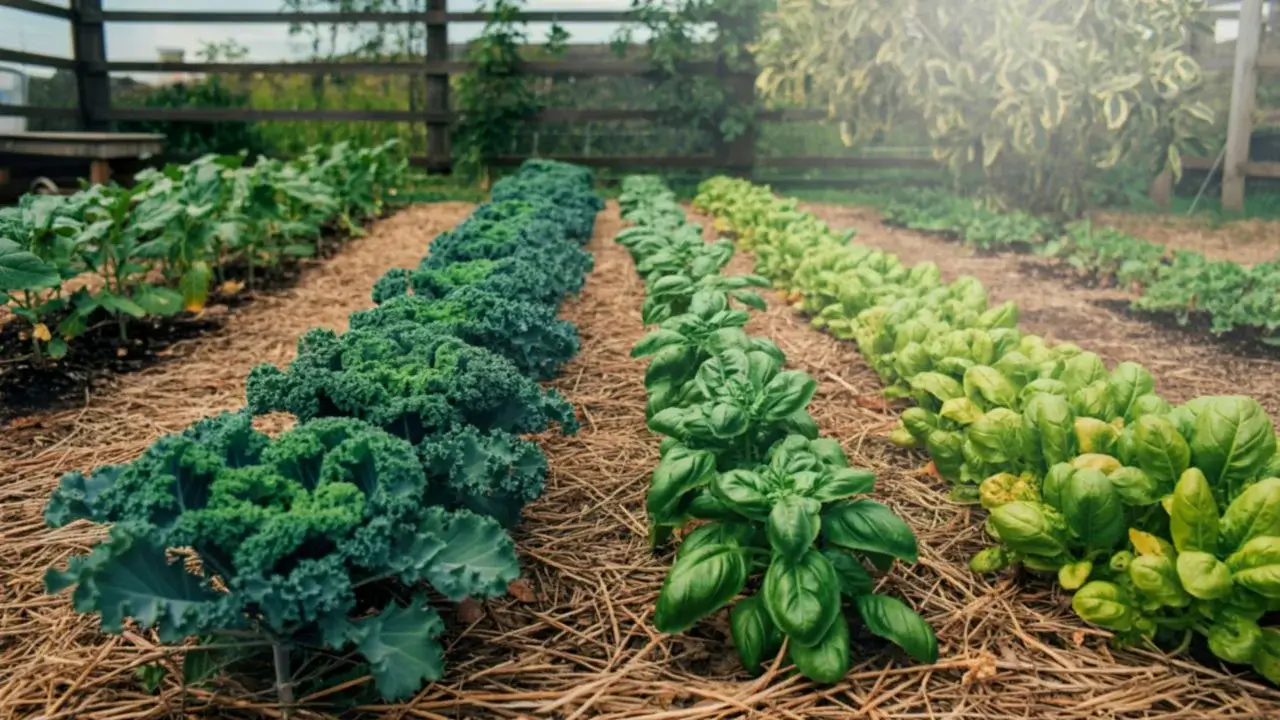
 Jia Lissa
In the quiet, rhythmic labor of a farmer sowing seeds, there lies the fundamental architecture of human civilization. Yet, in an era of rapid urbanization, technological abstraction, and climate volatility, the connection between the plate and the pasture has never been more fragile. It is this precarious link that filmmaker and chef Oliver English has set out to document, turning his lens toward the unsung heroes of the American landscape.
Through his production house, Common Table Creative, English is spearheading a mission to illuminate the critical work of the American Farmland Trust (AFT). By documenting the stories of those who steward the soil, English is shifting the narrative from one of passive consumption to one of active stewardship.
The Genesis of a Movement: From Kitchen to Camera
Oliver English’s journey is one of culinary exploration transitioning into systemic advocacy. As a chef, English spent years understanding the sensory joy of food, but his transition to filmmaking—culminating in the acclaimed documentary Feeding Tomorrow—forced him to confront the structural realities behind the ingredients.
“Farmers are the backbone of America,” English observes, noting that despite their essential role in societal function, they remain largely invisible to the urban populations they nourish. “They are often underappreciated or unseen, existing at the edge of our consciousness until a supply chain disruption forces us to pay attention.”
English’s partnership with the American Farmland Trust is a strategic alignment of storytelling and policy. By visiting farms across the United States, English and his team are documenting the tangible impact of AFT’s intervention, moving beyond policy jargon to capture the human element of land preservation.
A Chronology of Crisis and Conservation
The story of American agriculture is currently defined by a race against time. The chronology of the last half-century has seen a consistent, alarming decline in available farmland.
- 1980: The Founding: The American Farmland Trust was established in response to the rapid loss of productive farmland to sprawling suburban development. Since its inception, AFT has pioneered the "No Farms, No Food" movement.
- The 2000s: The Shift to Sustainability: Recognizing that land protection alone was insufficient, AFT expanded its mandate to include the promotion of regenerative agriculture—farming practices that sequester carbon and improve soil health.
- 2020–Present: The Resilience Era: Amidst global supply chain instability and the increasing frequency of climate-related agricultural disasters, AFT has pivoted toward farm viability grants, helping multigenerational farms navigate the transition to more sustainable, resilient models.
For English, witnessing this history in real-time has been transformative. “It’s one thing to read about these programs on a website,” he explains. “It’s another thing entirely to sit at a farmer’s kitchen table and hear that a grant helped to keep their farm running, to protect their land from development, or to help them transition to more resilient, regenerative practices.”
Supporting Data: The Cost of Inaction
The stakes surrounding the preservation of American farmland are quantifiable and dire. According to AFT’s research, the United States is losing roughly 2,000 acres of farmland every single day. This is not merely an aesthetic loss of rural charm; it is an existential threat to food security.
- Developmental Pressure: Between 2001 and 2016, 11 million acres of agricultural land were converted to urban or low-density residential use. This trend threatens to permanently remove our most productive land from the food system.
- The Age Gap: The average age of the American farmer is now over 58 years old. As these stewards retire, the primary barrier to entry for the next generation is the prohibitive cost of land. AFT’s programs specifically target this "land access" crisis, ensuring that farms remain in production rather than being sold for real estate development.
- Soil Health and Climate: Regenerative agriculture—a core focus of AFT’s outreach—has been shown to increase soil organic matter, improving water retention and reducing the need for synthetic fertilizers. In a warming climate, these practices are not optional; they are essential for long-term productivity.
Official Perspectives: The AFT Mandate
The American Farmland Trust occupies a unique position in the agricultural landscape. It is the only national organization that links three distinct but interconnected pillars: land protection, environmentally sound farming practices, and the economic viability of the farmer.
“AFT believes in thriving farms and ranches,” the organization states in its mission brief. By providing technical assistance and advocacy, AFT acts as a buffer between the farmer and the volatile market forces that often incentivize the liquidation of farmland.
The organization’s methodology is multifaceted:
- Farmland Protection: Through conservation easements, AFT ensures that land is legally protected from non-agricultural development in perpetuity.
- Viability Grants: These financial injections provide the "breathing room" necessary for farmers to invest in new, more sustainable technologies.
- Educational Outreach: By connecting consumers to the source of their food, AFT cultivates a constituency of citizens who understand that their grocery choices are inherently political.
The Implications of Our Choices
The broader implications of the work being done by English and AFT are clear: the future of the American food system is a choice, not an inevitability. If the current trajectory of land loss continues, the United States risks becoming increasingly dependent on imported food, losing its sovereignty and its ability to feed its population through crises.
“If we lose our farmland, there is no future,” English warns. This is a sobering reality check. The preservation of land is not just about keeping the country looking green; it is about maintaining the biological infrastructure that sustains human life.
The movement to protect this land requires more than just government policy; it requires a cultural shift. It requires consumers to recognize the value of the food they eat and the hands that harvested it. It demands that we view the farmer not as a commodity producer, but as an essential environmental steward—a guardian of the resource that allows us to exist at all.
A Call to Action for the Next Generation
The narrative that Oliver English is building is one of hope, provided we are willing to engage. The survival of the American farm is not a spectator sport. It requires the active support of the public, whether through legislative advocacy, conscious consumerism, or direct investment in the organizations working on the front lines.
As English travels from coast to coast, he is not just capturing footage; he is building a bridge between the American public and the people who toil in the dirt. He invites everyone to recognize that their role in this system is vital.
To join this effort and ensure that America’s farms and ranches remain a cornerstone of our future, membership in the American Farmland Trust is a tangible step forward. By supporting AFT, individuals contribute directly to the research, the advocacy, and the ground-level work required to keep farmland in the hands of farmers.
Join the movement today. To learn more about how you can support the preservation of our most precious resource, visit farmland.org/edible.
In the final assessment, the health of our soil is the health of our society. The work of Oliver English and the American Farmland Trust reminds us that while the food starts in the soil, the future starts with us. By choosing to protect the land, we are choosing to protect ourselves, our families, and the generations that will walk these fields long after we are gone.


