

 Reynand Wu
 Sagoh
Sagoh
 Basiran
 Evan Lee Salim
 Jia Lissa
 Raul Delapena Setiawan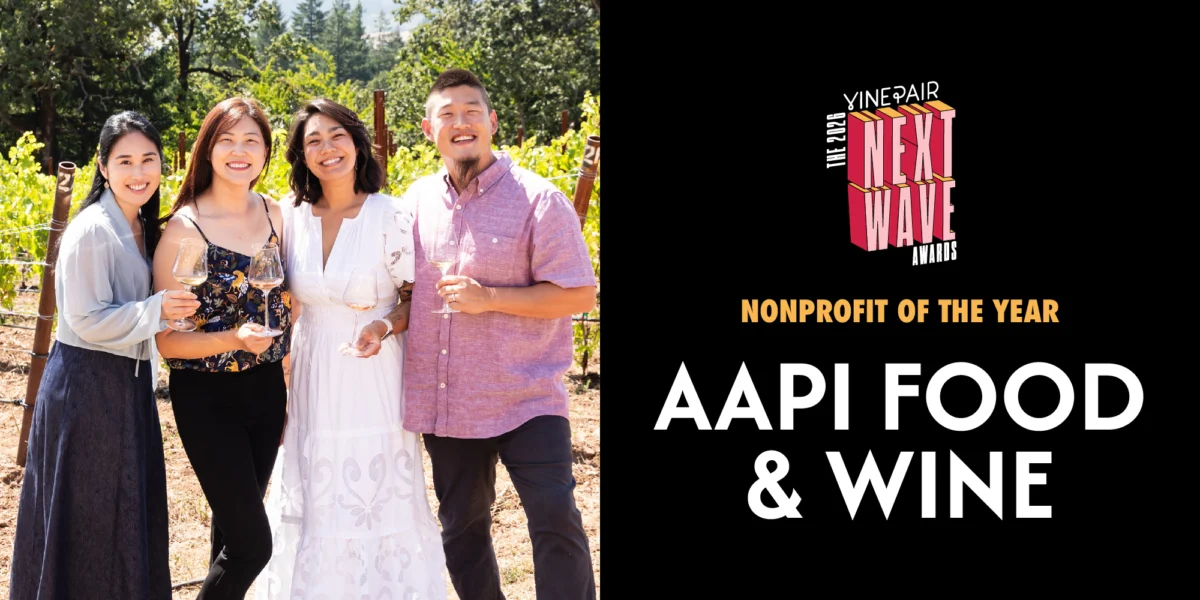
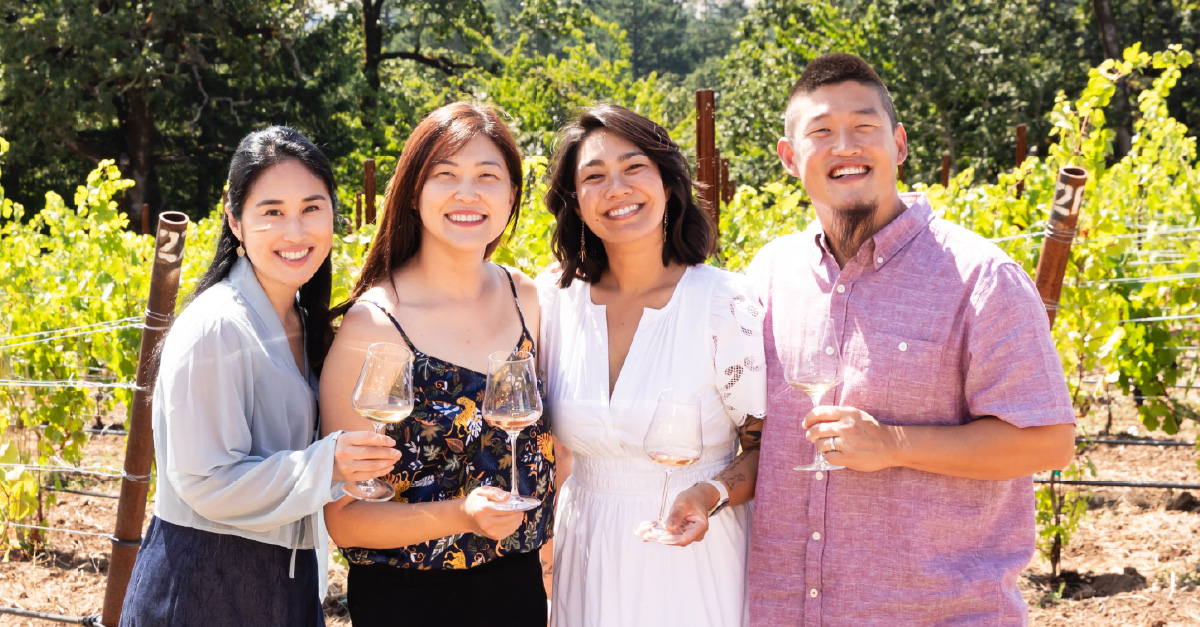
In the verdant, rolling hills of Oregon’s Willamette Valley, a quiet revolution has been taking root—not just in the soil of the vineyards, but in the cultural landscape of the American wine industry. When Lois and Dave Cho launched CHO Wines in 2020, they made history as the first Korean American winemakers in the region. Their entry into the market was met with immediate acclaim, but success brought a persistent, probing question from patrons and critics alike: "What informs your palate?"
As the couple reflected on their creative process, they found themselves returning to the sensory memories of their childhoods—the complex, fermented, and vibrant flavors of Korean cuisine. They realized that their wines were inherently designed to complement the food of their heritage. Yet, this realization illuminated a stark, sobering reality: while Asian American chefs had long been celebrated as culinary luminaries, the Asian American and Pacific Islander (AAPI) voice in the world of viticulture remained largely marginalized and underappreciated.
What began as a simple idea to host a potluck for AAPI peers in the Willamette Valley has since blossomed into a national cultural movement. Today, AAPI Food & Wine stands as a beacon for representation, elevating the stories of winemakers and chefs who are no longer content to fly under the radar.
The Genesis of a Movement: From Potluck to Powerhouse
The trajectory of AAPI Food & Wine is a masterclass in organic growth. Following the initial spark of inspiration, the Chos pivoted from a casual community gathering to a structured, professional festival. The goal was ambitious: to place Asian American–made wine on the same elevated pedestal as the already-celebrated Asian American culinary scene.
In 2023, the nonprofit organization was officially incorporated. The inaugural festival held in Portland was a logistical triumph that belied the short planning window. Featuring 12 prominent Portland chefs and five AAPI-owned wineries from the Willamette Valley, the event drew a crowd of 1,000 attendees, selling out completely.
For Lois Cho, the event was more than just a successful commercial endeavor; it was deeply visceral. "Multiple people came up to me with tears in their eyes," she recalls. "I knew it was going to be a kick-ass party, but I didn’t realize that it was going to be so emotional."
This emotional resonance served as the organization’s definitive "proof of concept." It revealed a deep-seated hunger within the AAPI community—and among the general public—for a space that honors heritage while challenging the Eurocentric norms that have dominated the wine world for centuries.
Chronology of Expansion
Since its debut, the organization has maintained a rapid pace of growth:
- 2020: Lois and Dave Cho launch CHO Wines, becoming the first Korean American winemakers in Oregon.
- 2023: The official launch of the AAPI Food & Wine nonprofit. The inaugural festival in Portland sells out with 1,000 attendees.
- 2024: The organization solidifies its operational structure, bringing on board key leadership including secretary and volunteer director Sylvia Choi and vendor relations and events director Jane Barmore.
- March 2025: AAPI Food & Wine makes its East Coast debut with a three-day residency in New York City, partnering with the prestigious Korean restaurant Atoboy.
- Present Day: The nonprofit is currently in active discussions to expand its footprint to major urban hubs, including Los Angeles, Seattle, Chicago, Washington D.C., and Austin.
Challenging the "Quiet" Paradigm
For generations, many AAPI families in the United States were conditioned to assimilate, often prioritizing silence and discretion to avoid scrutiny. In the culinary and viticultural worlds, this meant that while Asian influence was profound, it was often co-opted or kept in the background.
"A lot of our history has been about flying under the radar and not making a fuss," Lois Cho explains. "This new generation is now really coming more into the spotlight and saying, ‘This is our heritage, and this is how it plays into food and wine.’"
By bringing together industry heavyweights—such as winemaker Sashi Moorman of Evening Land Vineyards and James Beard Award-winning bakers Jin Caldwell and Kyurim “Q” Lee of JinJu Patisserie—AAPI Food & Wine is actively dismantling the barrier between "heritage food" and "fine dining/fine wine." The partnerships with institutions like Atoboy in New York signal a shift: AAPI-led businesses are no longer outliers; they are setting the standard for excellence in the modern American food and beverage landscape.
Supporting Data: The Rising Tide of AAPI Influence
The success of AAPI Food & Wine is not an isolated phenomenon; it is part of a broader shift in the beverage industry. According to recent industry trends, the number of AAPI-identifying sommeliers and beverage directors is at an all-time high.
Data from the organization’s own events highlights the demand:
- Event Retention: Each of the three annual walkaround festivals in Oregon has been a near-sellout, demonstrating a consistent appetite for the programming.
- Collaborator Diversity: The roster of participants has expanded from a local Oregon-centric group to a national network of high-profile chefs, restaurateurs, and winemakers.
- The "Pipeline" Effect: As the festival gains prestige, it creates a feedback loop. Newcomers to the industry, inspired by the representation at these events, are increasingly pursuing advanced certifications, such as the Master Sommelier title, with more confidence and support.
Future Implications: Scaling the Vision
The future of AAPI Food & Wine is defined by a commitment to inclusivity and breadth. Lois Cho emphasizes that the next phase of expansion is not just about moving to larger cities, but about deepening the talent pool.
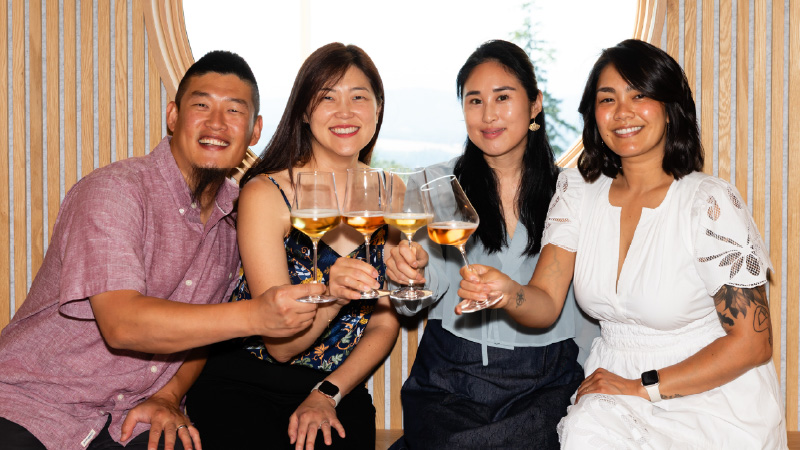
"We keep getting the requests," says Cho, referencing the cities currently in talks for potential events. However, she remains adamant that the festival should not become an exclusive club for the well-known. Her vision for the upcoming expansion includes a dedicated effort to highlight up-and-coming cooks—those who run small, independent brick-and-mortar shops or humble food carts. By providing these smaller operators with a platform alongside established industry giants, the nonprofit ensures that the future of the AAPI culinary scene remains grounded in the grassroots reality of the community.
Furthermore, the organization is looking to change the conversation around wine education. By focusing on the unique flavor profiles and histories of AAPI-influenced pairings, they are helping to make the often-intimidating world of wine more accessible to a broader demographic.
Conclusion: A Movement Beyond the Founders
Perhaps the most significant metric of the organization’s success is that it has transcended its founders. The name "AAPI Food & Wine" has become a standalone brand, recognized by industry professionals and consumers alike.
"Now, it’s like people don’t even know we’re involved in it," Lois laughs. "They’re just like, ‘Oh my gosh, have you heard of AAPI Food & Wine?’ And I’m like, ‘Yeah, my husband and I actually started it.’"
This transition from a "founder-led" project to a "community-owned" movement is the ultimate goal of any non-profit. It signifies that the mission—to ensure that AAPI voices are no longer just participating in the American wine and food scene, but leading it—has taken hold. As the organization looks toward a future of national expansion, one thing is certain: the era of flying under the radar is over. The next chapter of American gastronomy is being written by those who are ready to speak up, pour a glass, and celebrate their heritage with pride.

 Neng Nana
 Suro Senen
