

 Ammar Sabilarrohman
 Ali Ikhwan
 Dwi Wanna
 Neng Nana
 Siti Muinah
 Muslim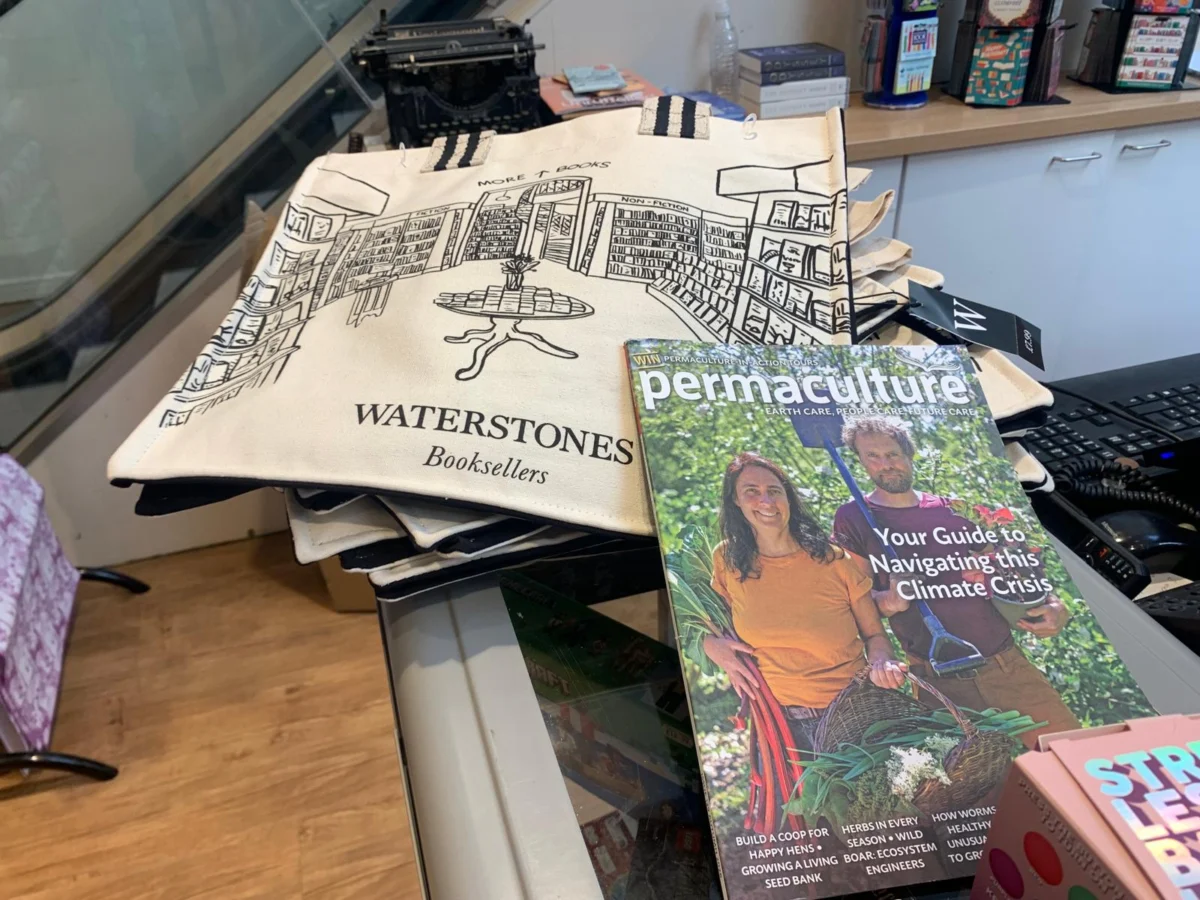
In a landmark development for the sustainable living movement, Permaculture magazine has announced a major retail partnership that will see the publication stocked in 62 Waterstones branches across the United Kingdom. Starting from the end of July, the magazine’s Autumn issue (PM129) will be available on the shelves of one of the nation’s most iconic booksellers, marking the first time the title has secured a widespread presence in the high-street giant.
This transition from niche distribution to mainstream retail represents a significant cultural shift. As environmental concerns move from the fringes to the center of public discourse, Permaculture magazine serves as a vital bridge, translating radical ecological principles into practical, actionable advice for urban dwellers, rural landowners, and community organizers alike.
The Main Facts: A New Chapter for Sustainable Literature
The decision to partner with Waterstones is more than a logistical expansion; it is a strategic move to reach a broader, more diverse audience. For years, Permaculture has cultivated a dedicated community of readers who view the magazine as a manual for regenerative living. By entering 62 stores—ranging from major metropolitan hubs like London and Manchester to regional centers such as Carlisle and Truro—the magazine is signaling that its message is no longer "alternative," but essential.
The partnership officially commences with the launch of the Autumn issue, PM129. This issue, like its predecessors, focuses on the core tenets of the permaculture movement: earth care, people care, and fair share. By making these resources readily available at the point of sale in high-street bookstores, the publication aims to demystify regenerative practices and invite new readers into the fold of sustainable living.
Chronology of the Movement: From Niche to Necessity
The journey of Permaculture magazine mirrors the broader trajectory of the environmental movement itself.
- The Formative Years: Founded on the principles developed by Bill Mollison and David Holmgren, the magazine was established to provide a platform for those seeking to move beyond traditional agriculture. For decades, it remained a stalwart of independent bookshops, community centers, and subscription-based distribution.
- The Rising Tide: As the climate crisis deepened, the relevance of permaculture—a design system that mimics natural ecosystems to create self-sufficient human habitats—grew. The magazine evolved from a gardening resource into a holistic journal covering renewable energy, social justice, food sovereignty, and urban planning.
- The Digital Pivot: Over the last decade, the publication successfully built a digital footprint, allowing it to test the waters of a wider, more global audience.
- The Retail Breakthrough: Following consistent requests from readers and growing interest from the general public, discussions with major retailers began. The partnership with Waterstones, culminating in this July launch, represents the culmination of years of advocacy by the magazine’s editorial team and its loyal readership.
Supporting Data: Why Now?
The timing of this expansion is not coincidental. Recent socio-economic data points to a growing desire among the British public to take direct action in response to environmental anxiety.
- The "Localism" Trend: Post-pandemic, there has been a documented surge in interest regarding local food production, community gardening, and self-sufficiency. Research suggests that a significant percentage of urban residents are now looking for ways to integrate green spaces into their homes, regardless of size.
- Climate Literacy: Public awareness of soil health, biodiversity loss, and the carbon footprint of industrial agriculture has hit an all-time high. Permaculture provides the "how-to" for these macro-level concerns, bridging the gap between theoretical knowledge and household implementation.
- The Retail Landscape: Despite the rise of e-commerce, physical bookshops remain a vital space for discovery. The "browsing culture" inherent in a bookstore allows for serendipitous encounters with subjects that readers might not otherwise seek out, making it an ideal environment for spreading the permaculture ethos.
The Call to Action: Engaging the Community
The editorial team at Permaculture has framed this launch as a collective effort. Rather than a standard corporate rollout, they are treating this as a grassroots campaign.
The magazine is encouraging its readers to participate in the "Shelf-Spotting" initiative. By visiting their local Waterstones, taking a photograph of the magazine on the shelf, and sharing it with the team, readers are effectively becoming brand ambassadors. This serves a dual purpose: it creates a digital record of the magazine’s reach while providing the editorial team with vital data on which locations are most responsive to the publication.
Furthermore, the magazine has explicitly asked supporters to purchase a copy from a local Waterstones if they are able. In the world of retail, shelf space is currency. Consistent sales are the primary metric by which stores decide whether to continue stocking a title. By demonstrating a high "sell-through" rate, readers can ensure that Permaculture remains a permanent fixture in the nation’s bookstores.
Implications: A Radical Shift in Mainstream Thought
What does it mean for a magazine dedicated to radical solutions to be sold alongside bestsellers and mainstream lifestyle publications?
1. Mainstreaming the Radical
Permaculture is, by design, an anti-establishment framework. It challenges the consumerist status quo and promotes a "less is more" approach. Having this message displayed in a high-street store serves to normalize these ideas, removing the "alternative" stigma and presenting them as valid, practical options for modern life.
2. Urban Implementation
The focus on urban permaculture is a major component of this expansion. By reaching customers in cities like London, Birmingham, and Glasgow, the magazine is directly addressing the demographic most in need of creative space-saving solutions. From balcony gardens to community energy cooperatives, the articles inside PM129 offer a blueprint for those living in high-density environments.
3. Policy and Land Use
While the magazine is a practical guide, it is also a political one. By informing a wider audience about the importance of regenerative land management, the publication is indirectly fostering a more environmentally literate electorate. As more people understand the relationship between their food, their soil, and their climate, the demand for better agricultural and environmental policies is likely to increase.
Official Responses and Strategic Vision
In internal discussions, the editorial team has emphasized that this move is about "meeting people where they are." By entering the physical space of Waterstones, the magazine removes the barrier of entry for those who may be interested in sustainable living but have not yet sought out niche publications.
"Our goal has always been to provide the tools for a world that works for everyone," a spokesperson noted. "By placing these tools in the hands of people who are walking through their local town centers, we are democratizing access to ecological design. Whether you are a farmer with 50 acres or a flat-dweller with a windowsill, the principles of permaculture are for you."
Where to Find Us: A Nationwide Presence
The distribution spans a wide geographical area, ensuring that the message of sustainability reaches both the heart of the capital and the corners of the regions. The list of participating stores includes:
- The South & London: From the flagship Piccadilly and Gower Street stores in London to the cultural hubs of Brighton, Bath, and Oxford.
- The Midlands & North: Major centers including Birmingham, Manchester (Deansgate and Arndale), Liverpool, Newcastle, and Leeds.
- Scotland & Wales: Ensuring coverage in the major urban centers of Edinburgh, Glasgow, and Cardiff.
- Regional Hubs: Including stores in Cheltenham, Salisbury, Exeter, and Truro, reflecting the magazine’s deep roots in the UK’s diverse landscape.
(For the full list of the 62 branches, please refer to the table provided in the original announcement or check the Permaculture magazine website.)
Conclusion: The Path Ahead
The presence of Permaculture magazine in 62 Waterstones shops is more than a commercial success; it is a signal of the times. As we face a future defined by ecological uncertainty, the demand for practical, community-focused, and regenerative solutions has never been higher.
By taking this step, Permaculture magazine is inviting the public to engage with a vision of the future that is not only sustainable but thriving. Readers are encouraged to head to their local shop, pick up a copy of PM129, and join the movement.
If you’ve spotted us on the shelf, don’t forget to take a photo and send it to rozie[at]permaculture.co.uk. Every photo helps us prove that the world is ready for a regenerative future.

 Lina Hope
 Asro
Asro
