Pevita Pearce

 Ammar Sabilarrohman


 Nana Wu

 Sagoh
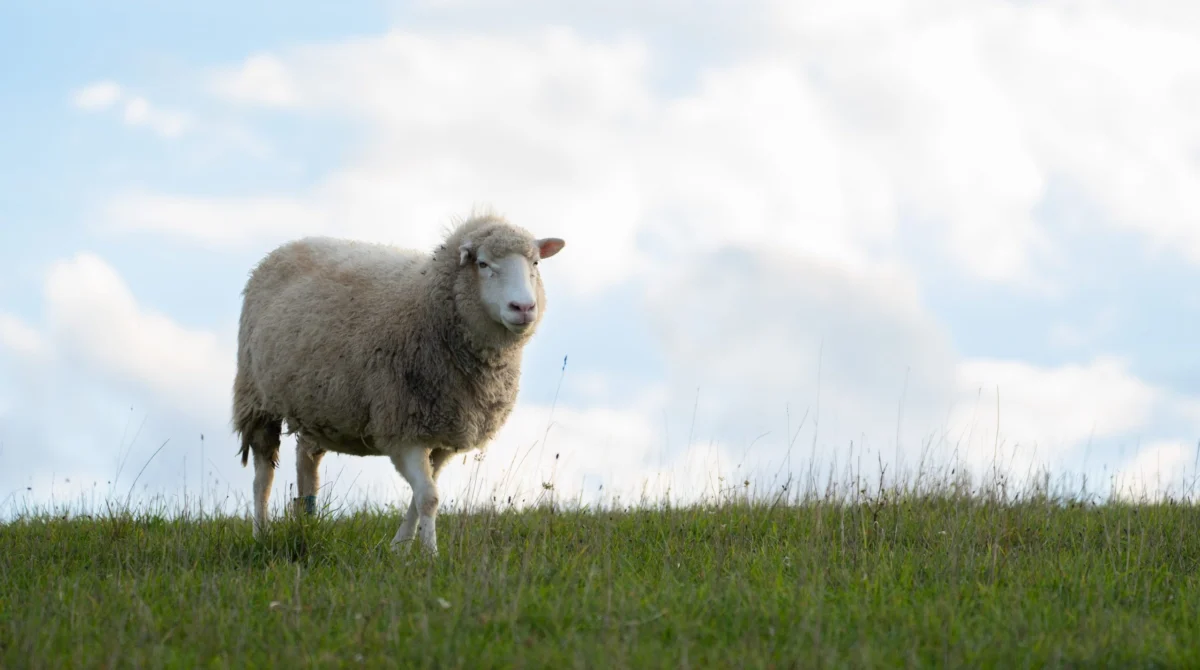
September 30, 2026 — For forty years, the rolling hills and tranquil pastures of Farm Sanctuary have served as more than just a place of residence for rescued livestock; they have functioned as a living testament to the possibility of a kinder world. As the organization marks this historic milestone, it invites the public to look beyond the numbers and into the individual lives of the survivors who call the sanctuary home.
In an era where industrial agriculture often reduces living, feeling beings to mere commodities, Farm Sanctuary stands as a radical, compassionate alternative. Through the stories of residents like Cashew, Lisa, Van Gogh, Ash, and Dana, the organization is not only providing a safe harbor for the forgotten but is also challenging society to rethink its relationship with the animals that sustain our food systems.
The Origins and Evolution of a Sanctuary
To understand the significance of Farm Sanctuary, one must look back to its inception. Founded in 1986, the organization was born out of a desperate need to address the systemic cruelty inherent in factory farming. Over the past four decades, what began as a small, grassroots effort to intervene in the lives of animals discarded by the agricultural industry has blossomed into a national beacon of hope.
The philosophy of the sanctuary is rooted in the belief that every animal possesses intrinsic value, regardless of their utility to humans. This "sanctuary model" is characterized by a commitment to lifelong care, where animals are not seen as products but as individuals with unique personalities, social needs, and the right to live free from exploitation.
Individual Stories: The Ambassadors of Change
The true magic of the sanctuary is best understood through the lens of those who reside there. Each resident is a survivor of a different facet of animal agriculture, and their presence serves as an educational bridge between the harsh realities of the industry and the warmth of a life lived in peace.
Cashew and Liz: The Bond of Motherhood
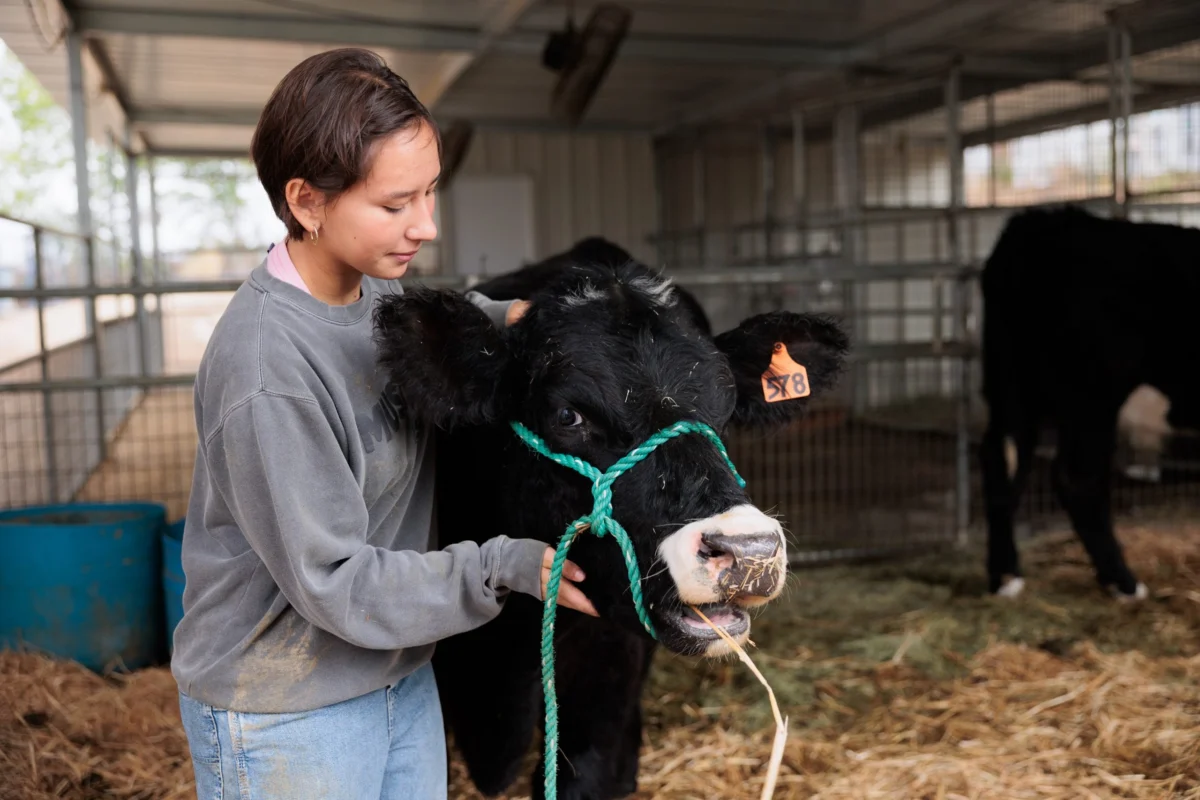
In the standard dairy industry, the bond between a cow and her calf is frequently severed within days of birth. This practice allows the milk produced by the mother to be redirected for commercial sale. However, the story of Cashew and his mother, Liz, offers a rare glimpse of what nature intended. When a small dairy farm reached a point where it could no longer sustain its operations, the owner made the humane decision to surrender the pair to Farm Sanctuary’s New York location. Cashew was only four days old at the time. Today, he has grown into a "gentle giant," never straying far from his mother—a poignant reminder of the familial love that industrial farming systems routinely deny.
Lisa: Resilience in the Face of Cruelty
The avian residents of the sanctuary have their own harrowing histories. Lisa, a goose saved from a backyard egg farm, arrived with her companion, Deborah, in a state of profound trauma. The two had been victims of extreme neglect, with their legs tied to fences and their wings injured to prevent flight. These injuries serve as a stark indictment of the "backyard" farming myth, which often masks systemic cruelty. While Lisa remains cautious around humans, she now experiences the autonomy she was long denied, spending her days with Deborah and enjoying the simple, quiet dignity of a life free from forced confinement.
Van Gogh: Finding Peace After Neglect
The story of Van Gogh, a pig rescued from a starving herd on a New York farm, highlights the success of collaborative rescue efforts. Found amidst dozens of other emaciated pigs, Van Gogh’s path to recovery was uncertain. Yet, through the coordinated intervention of animal welfare organizations, he found his way to the sanctuary. Today, the serenity he exhibits is in stark contrast to his past. He stands as a living example of how restorative care can heal deep-seated psychological and physical wounds, allowing animals to rediscover contentment.
Ash and the Cycle of Neglect
Ash, one of the most affectionate residents at the New York sanctuary, serves as a reminder that the label "rescue" is sometimes misused. Ash was once kept at a facility that operated under the guise of animal rescue but was, in reality, a site of severe neglect. His transition to the sanctuary, where he now lives alongside his mother, Connie, underscores the importance of proper stewardship. His story is a favorite among visitors, as he frequently greets staff and guests, demonstrating a capacity for trust that persists despite his early life struggles.
Dana: The Wisdom of Age
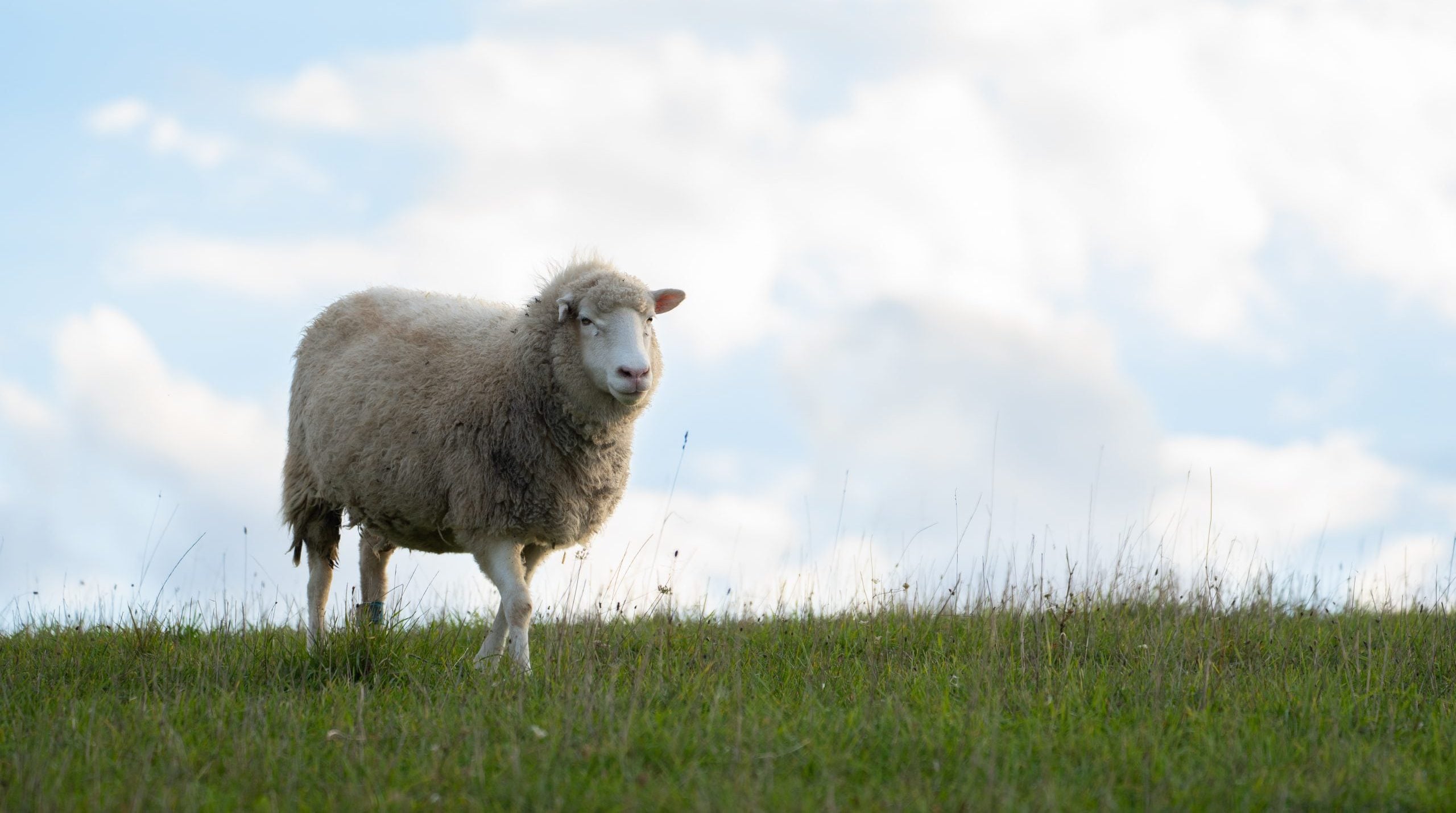
Perhaps the most powerful testament to the sanctuary’s success is the longevity of its residents. Dana, an 11-year-old goat, represents a rare statistical outlier. In the meat industry, goats are often slaughtered before they reach their first year. By surviving into her "golden years," Dana defies the industry standard. Alongside her twin sister, Hope—both survivors of a cruel backyard butchery operation—Dana has been granted the time to grow, age, and thrive in a safe environment, side by side.
Supporting Data: The Scale of the Need
While these five stories are heartwarming, they are representative of a much larger crisis. According to data provided by industry watchdogs and animal welfare organizations, billions of land animals are slaughtered annually for food in the United States alone.
The vast majority of these animals live their entire lives in Concentrated Animal Feeding Operations (CAFOs), where space is restricted, natural behaviors are impossible, and veterinary care is often prioritized only insofar as it impacts the "bottom line." Farm Sanctuary’s work highlights the disconnect between the public’s perception of farm life—often idealized in marketing—and the reality of industrialized production. By focusing on the individual, the organization provides a data point that cannot be ignored: the capacity for these animals to experience joy, fear, comfort, and deep social bonds.
Official Perspectives: A Vision for the Future
In official statements commemorating the 40-year anniversary, leadership at Farm Sanctuary emphasizes that the goal is not merely to save individuals, but to shift the global paradigm.
"Each of our rescued residents is an ambassador," the organization stated in a recent press release. "Their stories are designed to inspire compassion for billions of others. We educate to change hearts and minds, and we advocate to build a food system rooted in compassion rather than cruelty."
This advocacy includes supporting legislative changes, promoting plant-based diets, and challenging the institutionalized acceptance of animal exploitation. The sanctuary acts as a research and educational hub, documenting the medical and behavioral needs of farm animals to provide a scientific foundation for better welfare standards globally.
The Path Forward: Implications for Society
As Farm Sanctuary moves into its fifth decade, the implications of its work are clear. The organization is shifting the conversation from "welfare" (how we treat animals while using them) to "liberation" (the right of animals to live their own lives).
The success of the sanctuary proves that:
- Animals have complex emotional lives: The bonds between mothers and calves, or friends like Lisa and Deborah, are not unique—they are inherent.
- Restoration is possible: Even after severe trauma, animals are capable of forming deep bonds with humans and finding peace when provided with adequate resources.
- Institutional change is necessary: The individual rescues highlight the systemic failures that require broader legal and dietary shifts in society.
For those inspired by these stories, the sanctuary serves as an invitation to get involved. Whether through supporting their rescue efforts, adopting a more plant-forward lifestyle, or advocating for stronger animal protection laws, the message is one of collective responsibility.
In the end, the "magic of sanctuary" is not a mystery. It is the simple, radical act of treating a sentient being with the respect, care, and freedom that every life deserves. As the sun sets on another day at the farm, and animals like Connie, Ash, and Dana graze peacefully, the world is reminded that compassion is not a passive sentiment—it is a choice we make every day.

 Nila Kartika Wati
 Layla Zulfa