Ammar Sabilarrohman

 Nana Wu

 Sagoh

 Azzam Bilal Chamdy

 Jia Lissa
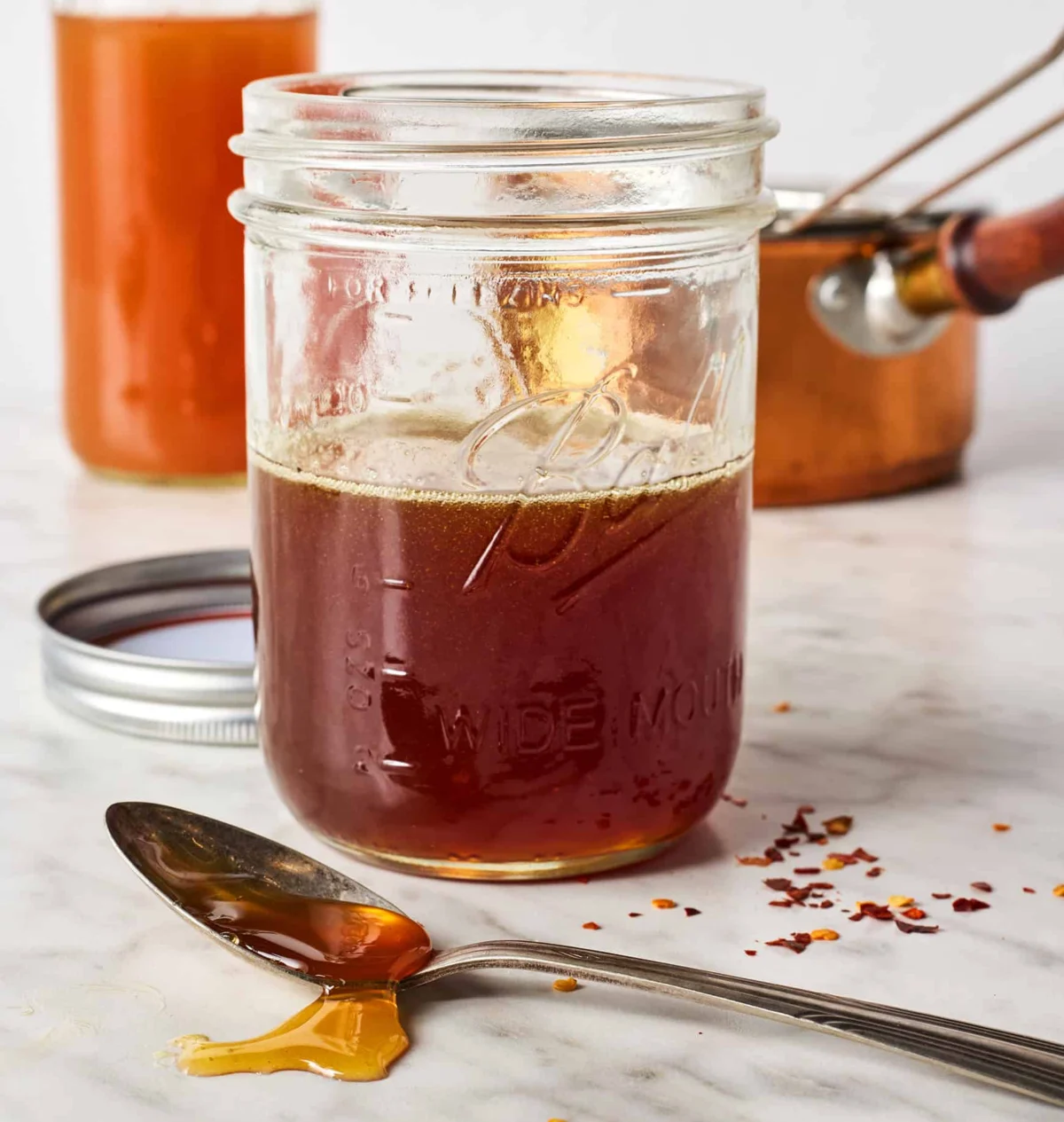
In the landscape of modern gastronomy, few condiments have experienced as meteoric a rise as hot honey. Once a niche specialty found only in select artisanal shops or hip pizzerias, this infusion of nectar and fire has cemented itself as a pantry staple for home cooks and professional chefs alike. The magic of hot honey lies in its deceptive simplicity: a harmonious collision of floral sweetness and capsaicin-fueled heat, balanced by a subtle, acidic backbone.
While commercial versions—pioneered by brands like Mike’s Hot Honey—brought the trend into the mainstream over the last decade, a new movement of "do-it-yourself" culinary enthusiasts is reclaiming the process. By crafting this golden elixir at home, cooks are not only saving costs but gaining complete creative control over the intensity and flavor profile of their condiment.
Main Facts: The Anatomy of a Perfect Drizzle
At its core, hot honey is a testament to the power of three fundamental ingredients: high-quality honey, dried or fresh chile peppers, and a touch of acid, typically apple cider vinegar. This trio works in concert to create a condiment that defies simple categorization. It is sweet, yes, but it is also pungent, earthy, and bright.
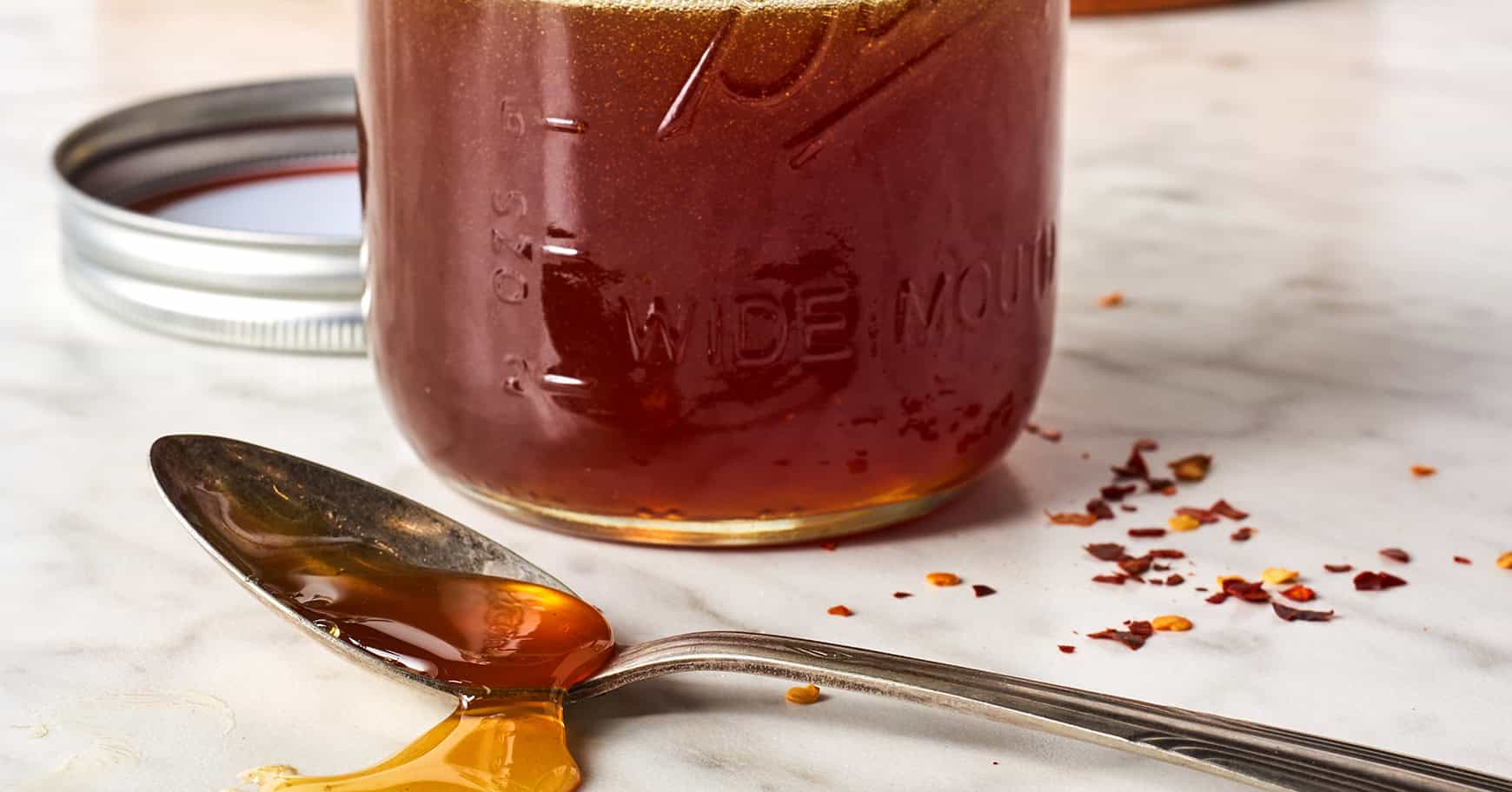
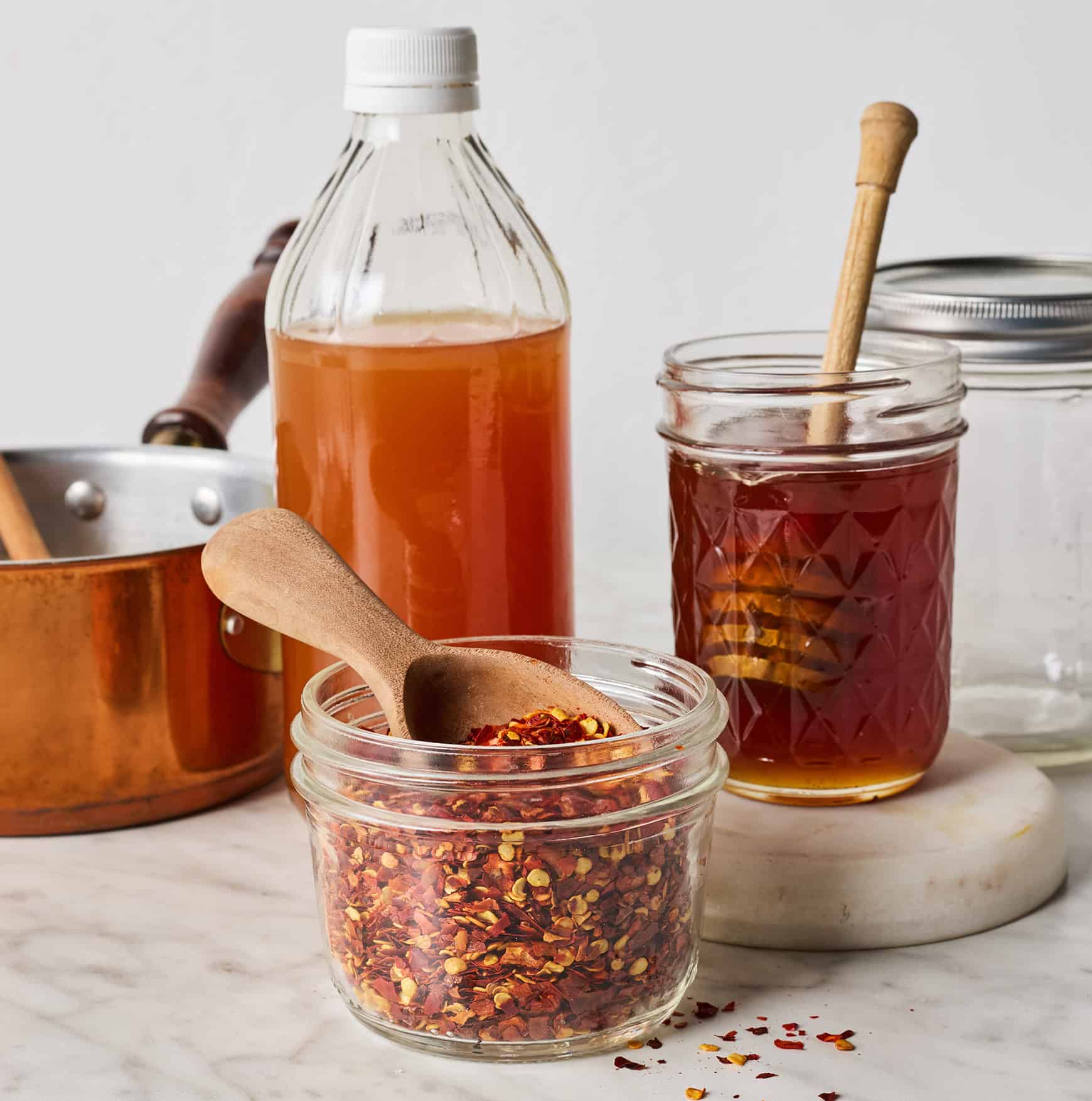
The "hot" component usually stems from crushed red pepper flakes, which release their oils into the warm honey during a gentle simmer. The addition of apple cider vinegar is the "secret" ingredient that many commercial brands rely on to cut through the heavy sugar content of the honey, providing a tangy finish that prevents the condiment from feeling one-dimensional.
The versatility of the final product is unmatched. It serves as a complex dressing component for vinaigrettes, a high-impact glaze for roasted root vegetables, and a quintessential topping for savory-sweet pairings like pepperoni pizza, salty aged cheeses, or warm, buttery biscuits.
A Chronological Evolution: From Niche Trend to Household Staple
The trajectory of hot honey from an obscure regional curiosity to a culinary obsession is a fascinating study in food culture.
- The Early 2010s: The Catalyst. While variations of honey infused with chiles have existed in various global cuisines for centuries, the modern American obsession began roughly ten years ago. Entrepreneurs recognized a gap in the market: people were bored with traditional hot sauces that lacked nuance. The launch of commercial hot honey brands introduced the concept to the masses, turning "spicy honey on pizza" into a standard menu item rather than a bizarre experiment.
- The Mid-2010s: The Gastronomic Spread. Food influencers and culinary bloggers began experimenting with the product, showcasing it in "elevated" comfort food recipes. Its presence in high-end gastropubs signaled that it wasn’t just a gimmick, but a legitimate flavor enhancer.
- The 2020s: The DIY Renaissance. With the global shift toward home cooking, the DIY approach to hot honey took off. Cooks began realizing that the process is remarkably fast—taking less than 35 minutes from start to finish. This era marked the transition from "buying a bottle" to "crafting a batch," allowing for the personalization of heat levels—from a gentle tickle to a searing burn.
Supporting Data: Understanding the Chemistry and Nutrition
The allure of hot honey is not just cultural; it is supported by the way our palates process contrasting flavors. The "Sweet-Heat" phenomenon triggers two different sensory receptors simultaneously—the sweet receptors on the tongue and the TRP channels (which detect heat) in the mouth. When these are stimulated together, the result is a heightened flavor experience that leaves the diner craving another bite.
Nutritional Breakdown (Per 1-Tablespoon Serving)
For those monitoring their intake, the nutritional profile of homemade hot honey is relatively consistent. Because it is primarily a sugar-based product, moderation is key, though it lacks the high sodium or saturated fat content of many other savory sauces.
- Calories: ~66 kcal
- Total Carbohydrates: 18g (primarily natural sugars)
- Fat: <0.1g
- Sodium: 9mg (negligible)
- Potassium: 21mg
The negligible fat and sodium content make it a cleaner alternative to creamy, mayo-based spicy sauces, while the small amount of fiber and micronutrients from the chile peppers offers a minor, if secondary, benefit.
Official Perspectives: Why Chefs Favor the Homemade Approach
Culinary experts argue that the primary benefit of making hot honey at home is the ability to modulate the infusion. When purchasing store-bought bottles, the heat level is static. When making it at home, the process is dynamic.
"The beauty is in the control," says one culinary developer. "If you want a subtle, floral infusion, you simmer for five minutes and strain immediately. If you want a deep, aggressive, lingering heat, you leave the pepper flakes in the jar for weeks. The honey acts as a preservative, meaning your infusion will only get better—and spicier—the longer it sits."
Professional chefs also emphasize the quality of the base ingredient. Using raw, local, or single-origin honey provides a depth of flavor that mass-produced, high-fructose corn syrup-extended commercial honeys simply cannot replicate. By selecting a high-quality clover or wildflower honey, the cook sets a premium foundation for the infusion.
Implications for the Home Kitchen
The rise of the homemade hot honey trend has broader implications for how we view pantry management. It encourages the use of raw, pantry-stable ingredients to create "luxury" condiments at a fraction of the cost.
How to Achieve the Perfect Batch
To ensure success in your own kitchen, follow these professional guidelines:
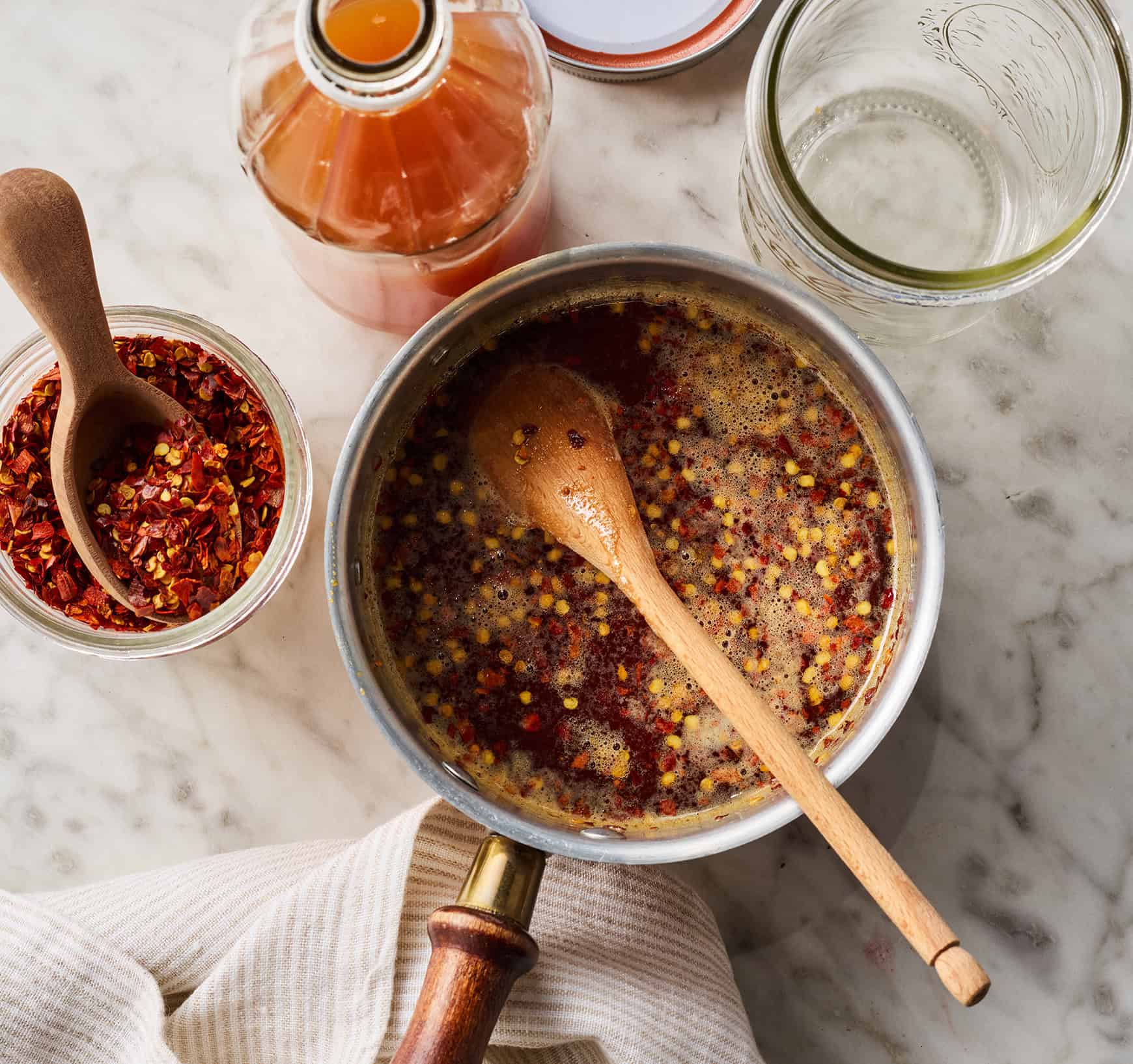
- The Gentle Simmer: Never boil your honey. High heat will destroy the delicate enzymes and aromas of high-quality honey. A low, gentle simmer is all that is required to dissolve the pepper oils into the liquid.
- The Infusion Window: Start with 1 tablespoon of red pepper flakes per cup of honey for a standard, balanced heat. Allow it to sit for at least 20 to 30 minutes before deciding whether it needs more kick.
- The Acid Balance: If you find the honey too cloying, a teaspoon of high-quality apple cider vinegar provides the necessary "lift" to make the flavors pop.
- The Storage Variable: While pure honey is shelf-stable for years, the moment you introduce moisture (via vinegar or fresh chiles), you must be more careful. If your recipe includes vinegar or fresh ingredients, keep the jar in the refrigerator to ensure food safety. If you stick to dried chiles and honey alone, a cool, dark cupboard is sufficient.
Creative Variations for the Advanced Cook
Once you have mastered the basic recipe, the sky is the limit. Consider these infusions to elevate your next kitchen project:
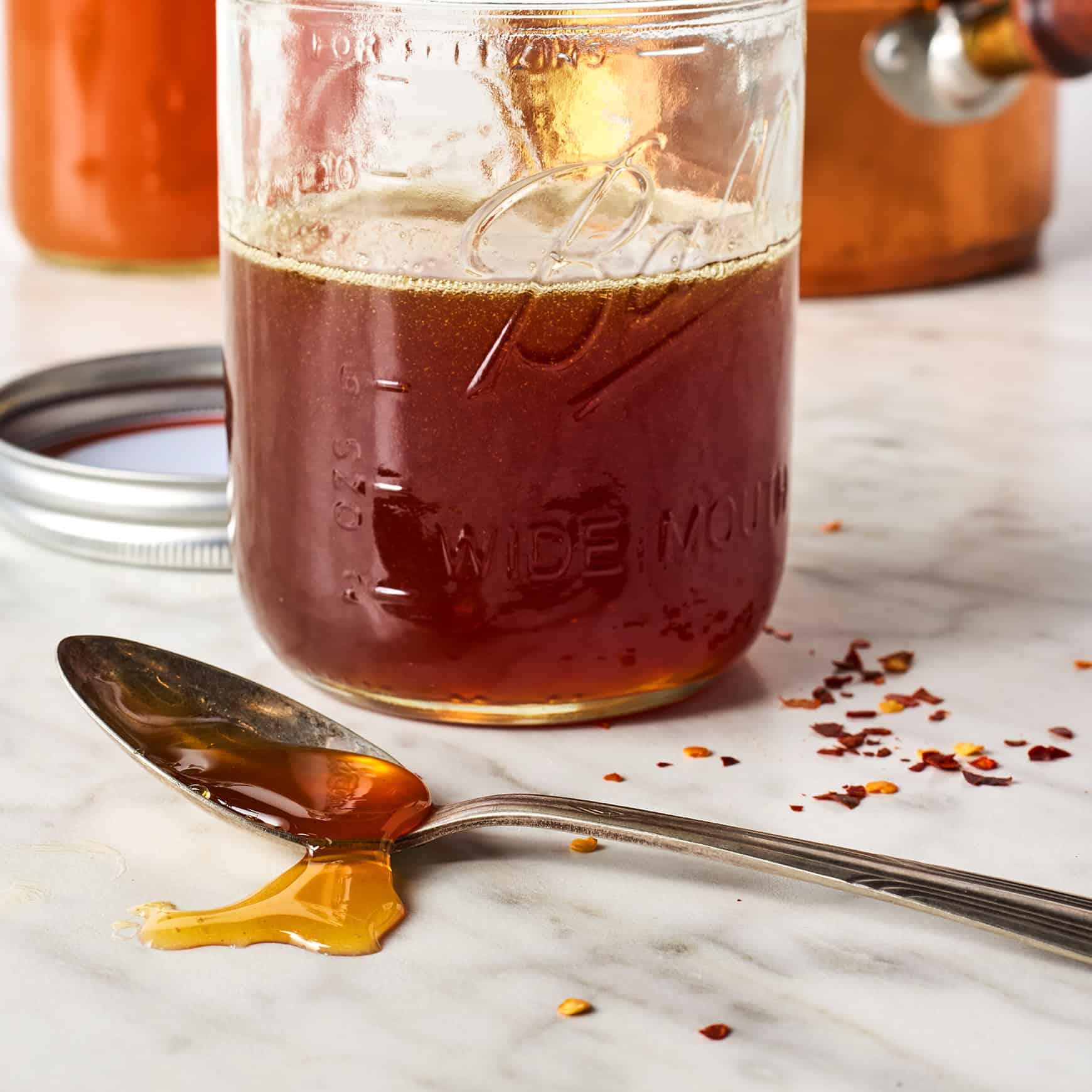
- Smoky Depth: Add a pinch of smoked paprika or a chipotle pepper to the infusion for a campfire-like complexity.
- Citrus Zest: Add a strip of lemon or orange peel during the simmering process to create a bright, sunny finish that pairs perfectly with roasted chicken or fish.
- Herbal Infusion: A sprig of rosemary or thyme introduced during the cooling phase adds a sophisticated, savory note that works wonders on cheese boards.
Conclusion: A Small Investment for Major Impact
Hot honey represents the best of the "easy-win" cooking philosophy. It requires minimal time, minimal ingredients, and very little specialized equipment, yet the result is a sophisticated condiment that can transform a mediocre meal into a restaurant-quality experience. Whether you are drizzling it over a sourdough crust pizza, whisking it into a balsamic vinaigrette for a bitter arugula salad, or using it as a glaze for crispy roasted carrots, hot honey is proof that the most impactful culinary additions are often the ones you make yourself.
As you embark on your own experiments, remember that the "perfect" hot honey is entirely subjective. It is a work in progress, subject to your own preference for heat, sweetness, and acidity. Don’t be afraid to taste, adjust, and refine—that is where the real art of cooking resides.

 Ali Ikhwan