Nana Wu

 Dwi Wanna

 Suro Senen

 Evan Lee Salim

 Nana Muazin
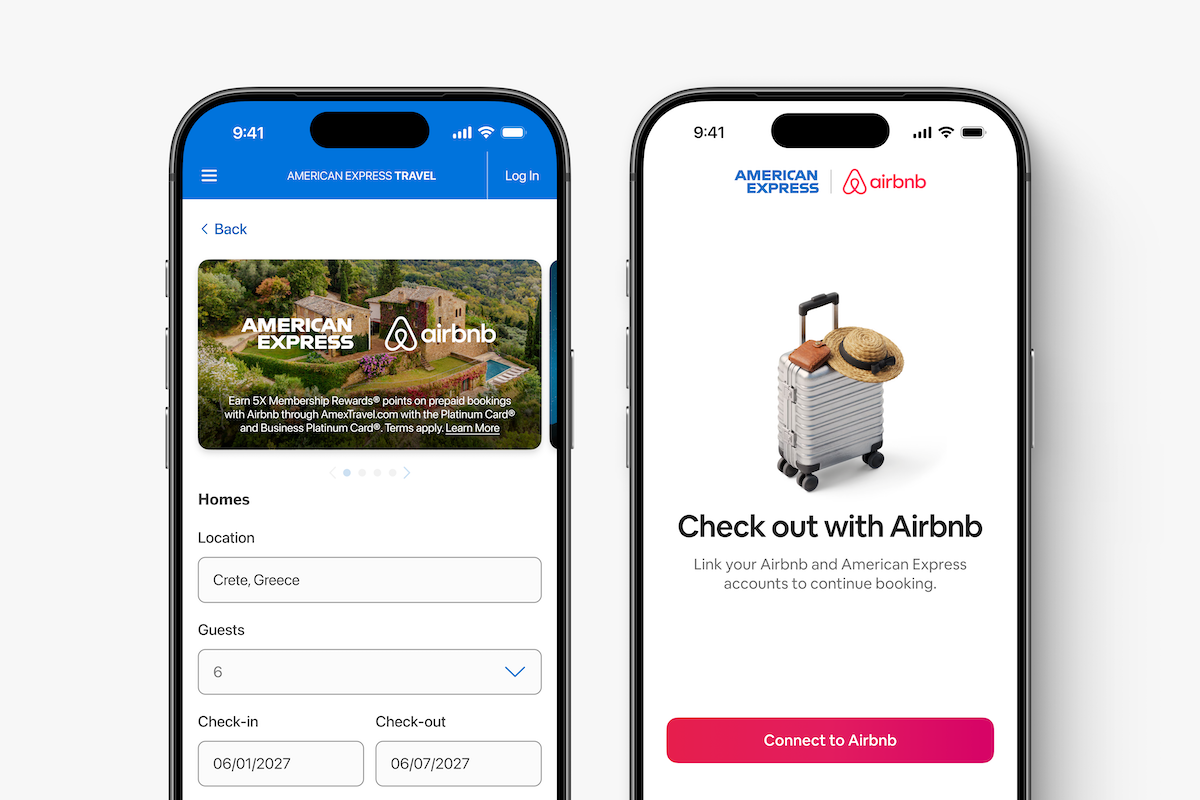
In a move that recalibrates the competitive landscape of travel distribution, American Express has officially bridged the gap between traditional luxury travel services and the sharing economy. As of this Thursday, Airbnb has been named the exclusive vacation rental partner for Amex Travel, a strategic integration that places over 1 million curated listings directly into the American Express digital ecosystem.
The partnership introduces a dedicated "Homes" tab on both AmexTravel.com and the American Express mobile application, allowing cardholders to browse and book Airbnb properties with the same ease they previously reserved boutique hotels or premium airline seats. While the integration is seamless for the consumer, it represents a complex orchestration of B2B relationships, particularly given the long-standing reliance of American Express on Expedia Group for its core travel infrastructure.
The Main Facts: Bridging the Sharing Economy and Credit Card Loyalty
The collaboration marks a significant pivot for both parties. For Airbnb, it offers a direct pipeline to the affluent, high-spending demographic that characterizes the American Express Platinum and Centurion cardholder base. For American Express, it solves a long-standing "inventory gap" in its travel portal. Historically, Amex Travel’s lodging offerings were heavily skewed toward hotels, resorts, and premium properties. By adding over 1 million Airbnb listings, Amex has instantly become a dominant player in the short-term rental market.
The integration is not merely a referral link. Users navigating the Amex Travel portal can now filter, view, and book Airbnb inventory directly within the American Express environment. This allows cardholders to utilize their Membership Rewards points, take advantage of travel credits, and leverage the suite of insurance and concierge benefits associated with their specific card tiers—all while booking a private home rather than a traditional hotel room.
Chronology: A Decade of Travel Partnerships
To understand the weight of this integration, one must look at the historical evolution of the American Express Travel portal.
2015: The Expedia Foundation
The current architecture of American Express Travel is built upon a foundation laid in 2015. Following Expedia’s acquisition of Travelocity and the subsequent consolidation of its B2B business, American Express deepened its reliance on the online travel agency (OTA) giant. Expedia began providing the "engine" for American Express Travel—supplying the flight and hotel inventory, as well as the technological backend that powers the portal.
2018–2022: The Rise of the "Lifestyle" Portal
During this period, American Express aggressively expanded its travel portal to compete with the likes of Chase Ultimate Rewards and Capital One Travel. The focus shifted from simple booking to "lifestyle curation," with Amex investing heavily in the Fine Hotels + Resorts (FHR) and The Hotel Collection (THC) programs. However, these programs were strictly hotel-centric, leaving a hole for travelers seeking longer-term stays or "work-from-anywhere" home environments.
2024: The Strategic Negotiation
Internal discussions between American Express and Airbnb began in early 2024, as Airbnb sought to diversify its distribution channels beyond its own proprietary platform. Recognizing the brand alignment between Airbnb’s premium listings and the Amex cardholder profile, the two companies entered into a pilot agreement that eventually evolved into the current exclusive partnership.
2026: The Integration Launch
With the official launch this week, the "Homes" tab goes live, marking the first time a major credit card issuer has integrated Airbnb’s inventory as a core component of its travel booking experience, rather than a promotional offer or a simple gift card redemption option.
Supporting Data: Why This Deal Matters
The travel industry is currently defined by a "fragmentation of experience." Consumers are increasingly seeking hybrid travel experiences—mixing a two-night business stay at a luxury hotel with a week-long rental in a residential neighborhood.
- Inventory Scale: By integrating 1 million listings, Amex Travel has increased its total lodging inventory by an estimated 40–50% overnight.
- Demographic Alignment: Data from internal consumer surveys suggests that 68% of Amex Platinum cardholders have utilized short-term rentals in the past 24 months, yet only 12% were booking those rentals through the Amex portal, choosing instead to book directly on Airbnb to avoid "platform friction."
- B2B Dynamics: Expedia’s B2B arm remains a behemoth, processing billions in travel volume for various financial institutions. While the Airbnb deal is exclusive, it is limited to the "vacation rental" category. Expedia continues to control the lion’s share of the global distribution system (GDS) for flights and traditional hotel inventory, which remains the volume engine of the Amex Travel portal.
Official Responses and Corporate Strategy
The intersection of Expedia’s existing infrastructure and Airbnb’s new inventory has naturally sparked questions about potential conflict within the American Express ecosystem. Industry analysts were quick to question whether the Airbnb deal signals a cooling of the partnership between American Express and Expedia.
An American Express spokesperson addressed these concerns directly in a statement provided to Skift: "There’s no change to our existing business with Expedia. The Airbnb partnership is focused on expanding our short-term rental offering and giving cardholders more choice in how they travel."
This statement serves as a carefully calibrated reassurance. It suggests that American Express views the rental market as a "complementary" rather than "substitutive" product. For American Express, the goal is to prevent the "leakage" of cardholders who leave the Amex portal to book on Airbnb, thereby ensuring that the credit card issuer retains visibility into the travel spending habits of its most valuable clients.
Expedia, for its part, has remained quiet on the development, though industry insiders suggest the company is currently pivoting its own B2B strategy to focus more on high-margin corporate travel and dynamic packaging, potentially ceding the "short-term rental" space to players who have a more direct consumer brand equity in that niche, such as Airbnb.
Implications: What This Means for the Industry
The ripples of this announcement will be felt across several sectors of the travel and finance industries.
1. The Death of the "Pure" OTA Model
For years, travel agents and OTAs argued that they were the primary gatekeepers of inventory. This partnership suggests that in the modern era, the "gatekeeper" is the entity that owns the customer relationship—in this case, American Express. If users prefer to book through their bank’s portal, the platform that provides the best inventory will win.
2. Pressure on Competitors
Chase and Capital One, the primary rivals to American Express in the premium credit card space, now face significant pressure. Both banks have heavily invested in their own travel portals (Chase via its acquisition of cxLoyalty, and Capital One via its Hopper-powered portal). They will likely be forced to seek similar exclusive partnerships with rental providers to keep pace with the breadth of the Amex offering.
3. The Future of Loyalty Programs
By integrating Airbnb into the Membership Rewards ecosystem, American Express is essentially turning private homes into a form of currency. When a cardholder can pay for an Airbnb stay with points, the "perceived value" of those points increases. This move could drive a significant surge in card usage, as users look to rack up points specifically for high-end home rentals.
4. Impact on Property Hosts
For Airbnb hosts, this integration is a double-edged sword. On one hand, it guarantees exposure to a high-spending, credit-vetted clientele. On the other, it introduces a new layer of intermediary commissions. Hosts will have to monitor whether the increased demand from Amex cardholders justifies the potential for higher platform fees or the complexities of managing bookings that originate outside of the standard Airbnb interface.
Conclusion
The partnership between American Express and Airbnb is more than just a new tab on a website; it is a manifestation of how the travel industry is consolidating around high-value customer experiences. By maintaining its backbone with Expedia while selectively integrating Airbnb for the residential sector, American Express has successfully hedged its bets.
As the travel landscape continues to evolve, the ability to offer a "one-stop-shop" that feels curated, premium, and seamless will be the defining trait of successful travel platforms. For the cardholder, the experience is simple: more options, better rewards, and a single point of service. For the industry, it is a clear signal that the era of siloed travel booking is coming to an end, replaced by an integrated, platform-first economy where the credit card issuer holds the ultimate power over the travel journey.


 Lina Irawan