

 Azzam Bilal Chamdy
 Neng Nana
 Nana Muazin
 Dwi Wanna
 Raul Delapena Setiawan
 Suro Senen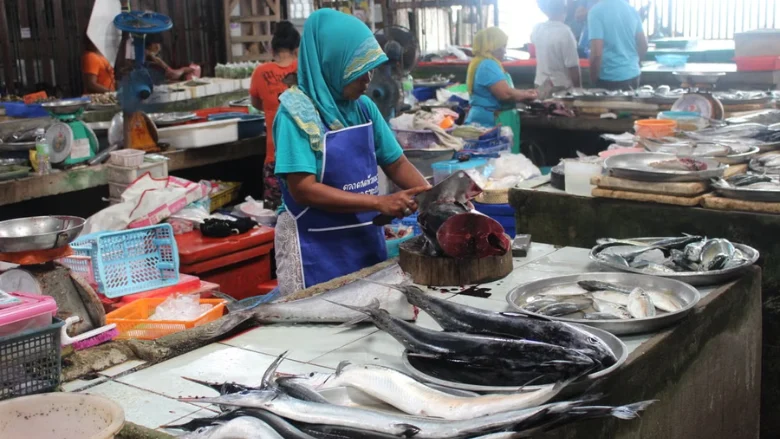
By the Food Safety Magazine Editorial Team
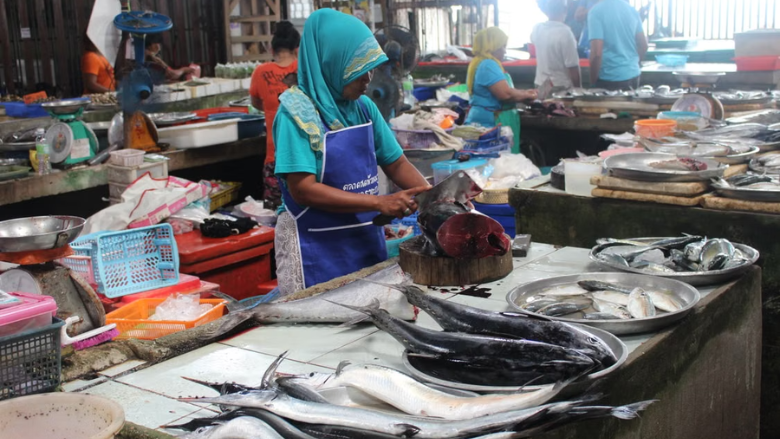
The intersection of wildlife trade, food security, and public health has become a focal point of global concern, particularly following the heightened awareness of zoonotic disease emergence. Traditional food markets—often serving as essential hubs for protein distribution—frequently feature a complex mix of farmed and wild-caught species. A recent systematic review and meta-analysis has sought to untangle the perceived risks associated with these two distinct sourcing methods, revealing that the narrative of "wild versus farmed" is far more nuanced than previously understood.
The study, which synthesized data from 20 distinct investigations, highlights that the presence of zoonotic pathogens is not a binary outcome dictated solely by the animal’s origin. Instead, it is a multifaceted issue influenced by species-specific biology, management practices, and environmental conditions.
Main Facts: The Complexity of Zoonotic Transmission
At the core of this research is the investigation into whether the controlled environment of a farm offers a safer alternative to the wild-harvesting of animals. The researchers found that the answer depends heavily on the type of pathogen in question.
While farmed aquatic species consistently demonstrated lower odds of harboring parasitic zoonoses, the same could not be said for bacterial pathogens. For bacteria, the data proved inconsistent, and in some specific cases, farmed environments appeared to facilitate higher rates of contamination. Perhaps most alarmingly, the study revealed a significant gap in our current scientific knowledge: evidence regarding viral pathogens remains sparse, with only a single study in the meta-analysis providing data on viral presence.
The study’s scope was heavily weighted toward aquatic life, with 17 of the 20 analyzed studies focusing on fish, shellfish, frogs, and freshwater turtles. Terrestrial species, including rats, snakes, and water monitor lizards, accounted for the remaining three studies. Notably, the absence of avian species and most mammals in the dataset suggests that while this meta-analysis provides a critical baseline, there is an urgent need for broader research to capture a truly global picture of food safety in traditional markets.
Chronology of Research and Development
The impetus for this research stems from the growing scientific consensus that the human-animal interface is the primary crucible for potential pandemics. Over the last decade, food safety experts have tracked the shift in traditional markets as they transition from purely wild-harvested inventories to mixed models incorporating aquaculture and small-scale wildlife farming.
- Phase I: Initial Observations (2015–2019): Early reports from regional studies in Southeast Asia and parts of Africa began to suggest that farmed species might pose different risks than their wild counterparts. Initial hypotheses suggested that domesticating wild species would reduce parasite loads by controlling exposure to intermediate hosts.
- Phase II: The Meta-Analysis Initiation (2020–2023): Following the global focus on zoonotic origins, researchers moved to aggregate existing, often fragmented, data. The goal was to move beyond anecdotal evidence and provide a statistical foundation for risk management.
- Phase III: Synthesis and Publication (2024–2025): The current meta-analysis represents the culmination of this effort. By filtering hundreds of potential papers down to 20 high-quality, comparable studies, the authors were able to isolate the variables of production method (farmed vs. wild) and pathogen class (parasitic, bacterial, and viral).
Supporting Data: Dissecting the Findings
The data provided by the meta-analysis offers a granular look at where the risks diverge.
Parasitic Zoonoses: The Advantage of Management
Across 10 studies evaluating parasitic prevalence in aquatic species, the findings were largely favorable for aquaculture. Farmed fish and other aquatic organisms showed significantly lower odds of carrying zoonotic parasites compared to those caught in the wild. The researchers attribute this to the "managed environment" factor. In the wild, animals often exist within complex ecosystems where they ingest intermediate hosts (such as snails or crustaceans) that carry the larval stages of various parasites. By controlling the water source, feed, and stocking density, farms effectively break these transmission cycles, offering a measurable safety advantage.
Bacterial Pathogens: The Mixed Bag
The story shifts significantly when examining bacterial pathogens, such as Salmonella. Here, the data showed no significant overall difference between farmed and wild-caught aquatic species. Even more concerning, individual studies highlighted that farmed frogs and freshwater turtles—often kept in high-density, captive settings—exhibited higher odds of Salmonella colonization.
This suggests that while farming can mitigate parasitic risks, it can inadvertently introduce or exacerbate bacterial risks if hygiene and sanitation protocols are not rigorously maintained. The stressors of captivity, combined with poor water quality in poorly managed aquaculture facilities, can create ideal conditions for bacterial proliferation.
The Viral Knowledge Gap
The most glaring omission in the available literature is the lack of viral surveillance. With only one study comparing coronavirus detection in farmed versus wild-caught rats, the scientific community is essentially flying blind regarding the viral safety of these markets. This lack of data prevents a comprehensive risk assessment of the potential for viral spillover from farmed wildlife.
Official Perspectives and Industry Implications
The research team has cautioned against using these findings to establish blanket regulations. "Generalizing the results is dangerous," the report notes. The wide variance between species—and even between different types of farms—suggests that a "one-size-fits-all" approach to food safety in traditional markets is destined to fail.
Regulatory bodies and international food safety organizations are now being urged to move toward a risk-based management framework. This involves:
- Standardized Testing: Developing a uniform protocol for monitoring zoonotic pathogens in markets to ensure future data is comparable.
- Environmental Oversight: Recognizing that the physical infrastructure of a market—temperature control, sanitation, and waste management—is just as important as the source of the animal.
- Capacity Building: Providing training for farmers in best practices to mitigate the bacterial risks observed in captive settings, particularly for high-risk species like reptiles and amphibians.
Implications: The Road Ahead
The implications of this meta-analysis extend far beyond the laboratory. For governments in regions where traditional markets are the primary source of nutrition, the study provides a clear mandate: modernization must focus on the conditions of production rather than merely the origin of the product.
Economic and Food Security Considerations
Wildlife farming is often promoted as a sustainable, low-impact way to provide protein. However, if these farms become hotspots for bacterial pathogens, they could inadvertently threaten public health rather than bolster it. Policymakers must balance the need for affordable protein with the necessity of rigorous, science-backed safety standards.
The Need for Further Research
The authors of the meta-analysis were emphatic: we need more data. The current reliance on aquatic species and rats leaves a massive blind spot regarding mammals and birds—groups known to be higher-risk vectors for human-transmissible viruses. Future research must prioritize:
- Systematic sampling of mammalian and avian wildlife in markets.
- Longitudinal studies that follow animals from the point of capture or birth through the supply chain to the market stall.
- Genetic sequencing of pathogens to determine if farmed animals are acting as reservoirs for new, potentially dangerous strains.
Conclusion: A Call for Evidence-Based Policy
The study serves as a vital reminder that the "wild-caught" versus "farmed" debate is not merely a question of ecology or ethics—it is a critical public health issue. While aquaculture has proven effective in reducing the risk of parasitic infection, the unintended consequences regarding bacterial loading in specific species require immediate attention.
As we move forward, the scientific community must work in tandem with market operators and policymakers to foster an environment where food security does not come at the cost of public health. By standardizing research and focusing on the management conditions of animal production, we can better navigate the risks inherent in our global food systems, ensuring that traditional markets remain vibrant, safe, and sustainable for generations to come.
For those seeking deeper insights into these topics, the Ask FSM smart AI search tool is available to provide curated information on food safety regulations, emerging pathogen trends, and best practices for market surveillance.


 Pevita Pearce
 Layla Zulfa
