

 Lina Hope
 Iffa Jayyana
 Lina Irawan
 Ammar Sabilarrohman
 Ali Ikhwan
 Raul Delapena Setiawan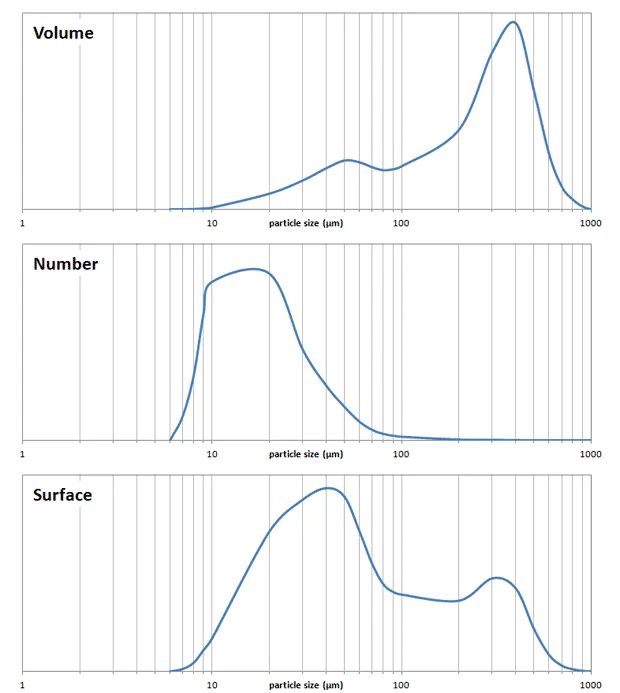
For many, a cup of coffee is merely a morning ritual—a caffeinated bridge between slumber and the responsibilities of the day. But for the curious mind, the humble coffee bean represents a complex chemical landscape. At the intersection of chemistry and culinary craft, the journey from bean to cup is a masterclass in extraction, thermodynamics, and fluid dynamics.
In recent years, the “third wave” coffee movement has transformed how we perceive this beverage, moving away from commodity-grade roasts toward single-origin, lightly roasted specialty beans. This shift has turned the kitchen into a laboratory, where enthusiasts are no longer content with "good enough" and are instead applying the rigor of scientific inquiry to their daily brew.

Main Facts: The Chemistry of Extraction
At its core, brewing coffee is an act of solvent extraction. We use water to pull volatile oils, acids, and sugars from roasted coffee grounds. While the process appears simple, it is influenced by a constellation of variables that can fundamentally alter the flavor profile of the final beverage.
The Holy Trinity of Parameters
To master the brew, one must understand three primary, interconnected pillars:
- Brew Ratio (BR): This is the fundamental recipe for coffee. By defining the ratio of coffee grounds to water (e.g., 60g of coffee per 1000g of water), we establish the baseline strength of the brew.
- Total Dissolved Solids (TDS): TDS measures the concentration of the coffee. It tells us how much of the bean has successfully migrated into the water.
- Extraction Yield (EY): This represents the percentage of the dry coffee grounds that have been dissolved. It is the metric that separates an underextracted, sour cup from an overextracted, bitter one.
These variables are not merely suggestions; they are the levers that allow a brewer to manipulate the sensory experience of the cup, turning a chaotic extraction into a controlled, reproducible, and harmonious result.
Chronology: From Caffeine Fix to Scientific Obsession
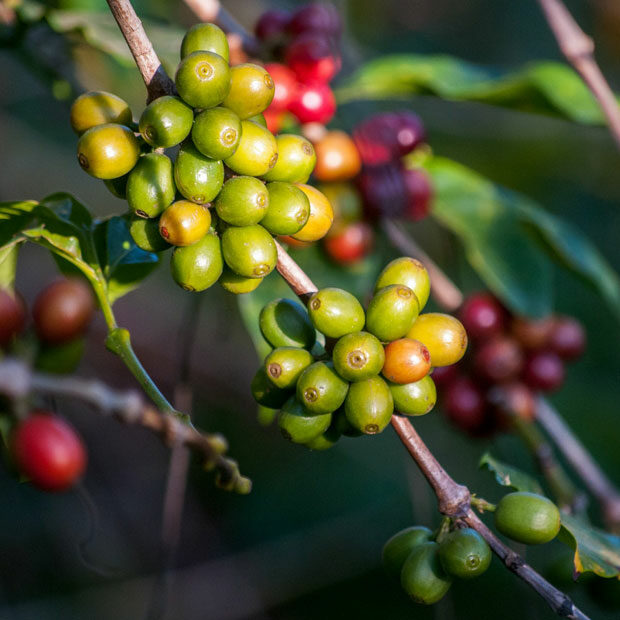
The transition from a casual coffee drinker to a methodical brewer is rarely instantaneous. For many, it begins with the need for utility—a long commute requiring the stimulant properties of caffeine. However, the path often leads to a deeper curiosity.
- The Early Years: The initial motivation is purely functional. Coffee is a tool for alertness, consumed without much regard for origin or roast profile.
- The Catalyst: As one explores the specialty coffee market, the vast spectrum of flavors—from floral and acidic to nutty and chocolatey—becomes apparent. This discovery often aligns with the adoption of subscription services, such as Kaffebox, which provide a rotating selection of roasts from across Scandinavia, forcing the palate to adapt to new profiles.
- The 2020 Turning Point: The global pandemic of 2020 acted as an accelerant for home-brewing experimentation. With time for contemplation and a lack of social outlets, the hobbyist’s kitchen became a site of intensive research. This period saw a shift from passive consumption to active troubleshooting, characterized by blind tastings, the testing of hand grinders, and the realization that consistency was a fleeting, elusive target.
Supporting Data: Measuring the Invisible
One of the most significant barriers to "cafe-quality" coffee at home is the lack of objective data. A home brewer often relies on taste alone, which is subjective and prone to bias. To bridge this gap, the use of precision tools has become the new frontier of home brewing.
The Role of the Refractometer
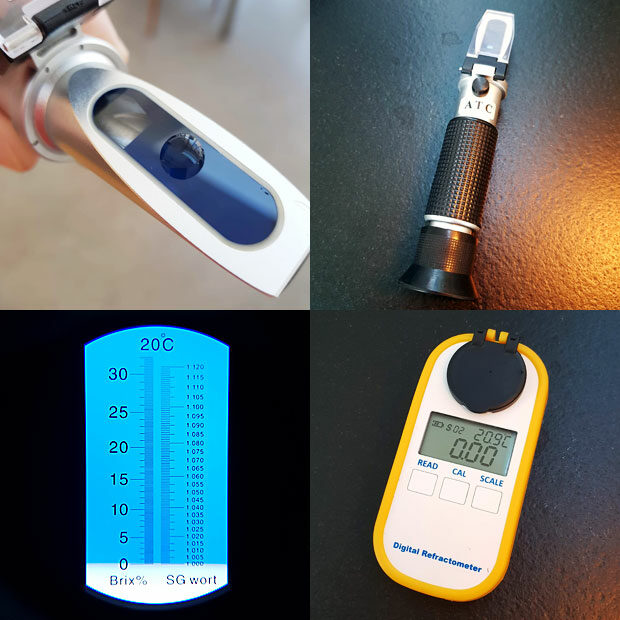
A refractometer is a game-changer for the analytical brewer. By measuring the refractive index of a coffee sample, one can calculate the TDS with high accuracy. While professional-grade digital refractometers are expensive, analogue handheld versions provide a cost-effective alternative for the home laboratory.
When measuring, the process must be precise:
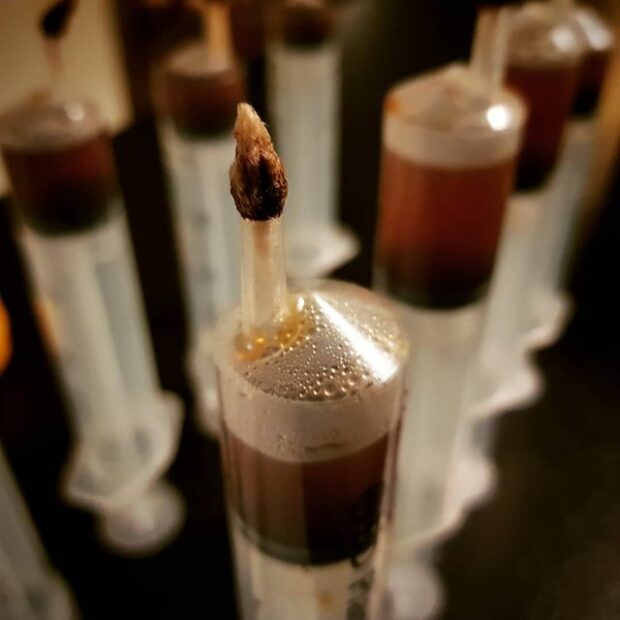
- Hot Filtering: Samples must be filtered to remove sediment and cooled to ensure measurement accuracy.
- The Conversion Factor: By utilizing the Brix scale and a specific conversion factor (typically 0.85), one can determine the TDS, allowing the brewer to confirm if they are within the "ideal" range—typically 1.2% to 1.5%.
Understanding Particle Size Distribution (PSD)
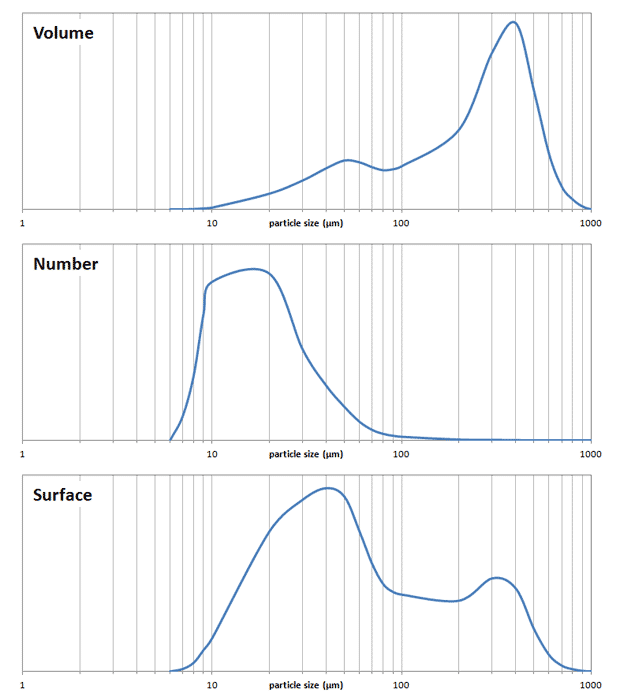
Grinding is perhaps the most critical step in the extraction process. However, a grinder does not produce uniform particles; it produces a distribution of sizes, ranging from "boulders" to "fines."
Recent studies, including those highlighted by Barista Hustle, suggest that coffee particles may only be extracted to a depth of approximately 100 micrometers. This means that larger particles possess a core that remains unextracted—a waste of potential flavor. Consequently, achieving a narrow, consistent particle size distribution is the "holy grail" of grinder technology, as it minimizes the presence of bitter-producing fines while maximizing the efficiency of the extraction.
Official Perspectives: The Experts Speak
The evolution of coffee science is not occurring in a vacuum. It is being driven by experts who bridge the gap between academic theory and practical application.
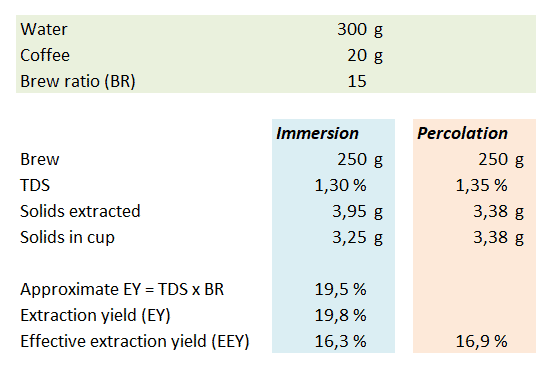
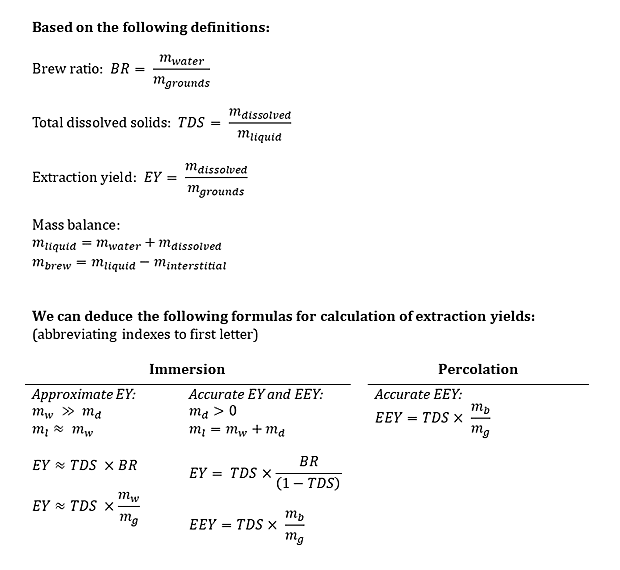
- The Percolation vs. Immersion Debate: Experts like Scott Rao and Jonathan Gagné have pushed the boundaries of how we calculate extraction yield. The debate centers on how we account for "interstitial liquid"—the water trapped within the coffee bed during a pour-over (percolation) versus a French press (immersion). Understanding this distinction is vital for anyone looking to optimize their recipes, as the two methods inherently extract different compounds at different rates.
- The Water Factor: There is a growing consensus that water chemistry is the "hidden" ingredient. Using distilled water with added minerals allows for a level of control that tap water cannot provide. As research advances, we are seeing a move toward standardized mineral "recipes" designed to highlight specific flavor notes in light-roasted beans.
Implications: The Future of the Home Brew
What does this deep dive into the science of coffee mean for the average consumer? It suggests that we are moving toward a future where "barista-level" coffee is no longer confined to the cafe.
The Path to Mastery
The implications are clear: to improve one’s coffee, one must be willing to trade intuition for data. The recommended hierarchy of exploration is as follows:
- Refine the Fundamentals: Master the brew ratio, grind size, and water temperature before moving on to more complex variables.
- Address Freshness and Storage: Once the brewing method is consistent, focus on bean freshness. Oxidation is the enemy of flavor; storing beans in air-tight, low-temperature environments is essential.
- Tinker with Water: Only once the extraction process is stable should one begin to manipulate water composition. Adjusting the mineral content of your water is a high-level optimization that can unlock flavors previously masked by poor water quality.
Conclusion: A Rabbit Hole Worth Falling Into
The pursuit of the perfect cup is a lifelong endeavor. It is a field of study that combines chemistry, physics, and sensory science. While the tools—refractometers, sieves, and mineral scales—may seem daunting to the casual observer, they offer a path to a more profound appreciation of the beverage.
As we look toward the future, the integration of scientific methodology into the home kitchen will likely continue to accelerate. We are learning that the "perfect" cup is not a static destination but a dynamic equilibrium between bean, water, and technique. Whether you are using a basic pour-over setup or a high-end burr grinder, the principles remain the same: understand your variables, control your environment, and never stop questioning the chemistry in your cup. The rabbit hole is deep, but the view from the bottom is, quite literally, delicious.

 Pevita Pearce
 Layla Zulfa
